

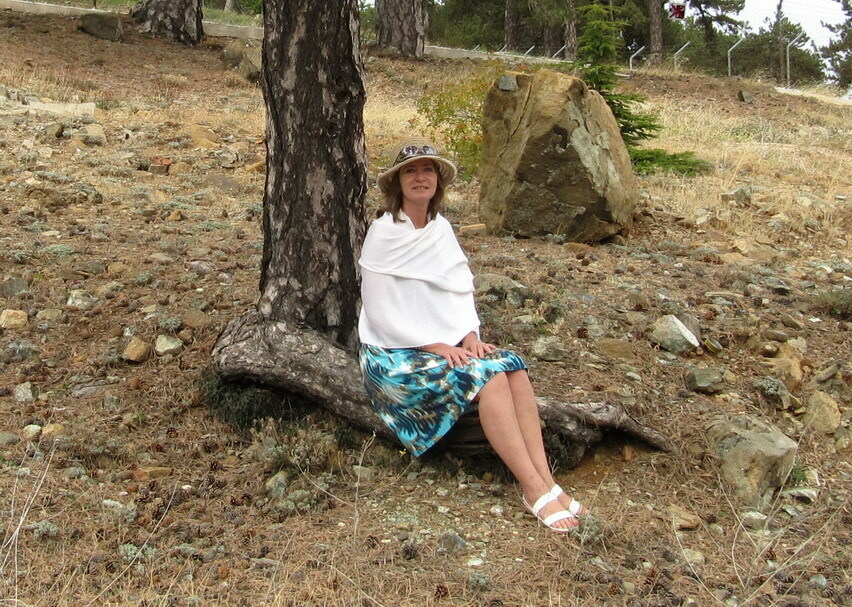
In recent years, the allure of rural living has captivated many city dwellers. The promise of fresh air, open spaces, and a slower pace of life seems attractive, especially amidst the hustle and bustle of urban environments. However, the transition to a rural lifestyle is not without its challenges. While many envision an idyllic existence away from the chaos of city life, certain problems persist, regardless of location. Issues like inflation, taxation, government control, and even the presence of gangs can infiltrate the peaceful rural landscape, complicating the dream of self-sufficiency.
Inflation: A Nationwide Concern
Inflation is a significant challenge that touches every corner of the country, urban or rural. As prices for essential goods and services rise, those living in rural areas are not insulated from its effects. The cost of fuel, food, and even basic commodities can hit hard, especially for those who may already be living on tight budgets. Although rural living might offer some cost savings—like reduced housing expenses—these gains can quickly be offset by rising prices for the essentials. Moreover, rural residents often have fewer options when it comes to shopping, leading to higher prices as local stores might lack the competitive pricing found in larger urban centers.
Taxation: The Weight of Responsibility
Taxation is another unavoidable reality that follows individuals wherever they choose to live. Contrary to the belief that moving to a rural area might afford one some respite from high taxes, many rural municipalities face their own financial challenges. Local governments often rely heavily on property taxes, which can lead to steep assessments, especially as rural areas develop and attract new residents. Additionally, state and federal taxes persist, regardless of your geographical location. As the rural population grows, the demand for services such as education, health care, and infrastructure increases, which can result in higher taxes to fund these needs.
Government Control: A Looming Presence
While many seek the rural lifestyle for its perceived freedom from government oversight, the reality can be quite different. Government policies and regulations apply universally, and rural areas can be subject to stringent zoning laws, land use restrictions, and environmental regulations. These controls can limit the autonomy that many seek when moving off the grid. Additionally, the government's role in agriculture and land management can affect rural residents significantly, especially those attempting to cultivate their own crops or raise livestock. When local or federal policies come into play, residents may find their ability to live self-sufficiently severely constrained.
Gangs: A Growing Concern
The notion of escaping gang violence by relocating to a rural area is increasingly tenuous. While cities may be more notorious for gang activity, the reality is that these groups can—and do—extend their reach into rural communities. Factors such as drug trafficking, organized crime, and economic desperation can lead to the infiltration of gangs into even the most serene settings. Rural areas, often with fewer law enforcement resources, can become vulnerable to these threats. The idea that simply moving away from urban centers guarantees safety is becoming a myth, as gangs adapt to changing environments in search of new markets and territories.
The Off-Grid Illusion: Self-Sufficiency Challenges
Many individuals who dream of rural living envision themselves growing their own food, raising livestock, and living off the land. However, this idyllic picture often overlooks the logistical realities of rural life. For instance, what happens when you need someone to watch over your chickens while you’re away? Or when you find yourself short on supplies during an emergency? The idea that one can simply stockpile food and live in complete isolation is misleading. Rural living requires community, cooperation, and sometimes, reliance on external resources.
Finding Solutions in Community
Despite these challenges, there are ways to navigate the complexities of rural living. Building a strong community network can provide support and resources that enhance self-sufficiency while also addressing safety concerns. Collaborating with neighbors can lead to shared responsibilities, such as watching over livestock or pooling resources for larger purchases. Engaging with local organizations focused on rural development can also foster connections and provide access to vital information and assistance.
If you’re interested in exploring solutions to the challenges of rural living, I invite you to join me on my journey at buymeacoffee.com. Together, we can share insights, strategies, and experiences to help make the most of rural life while facing its inherent challenges.
Conclusion
While the dream of rural living may be appealing, it's crucial to understand that the challenges of inflation, taxation, government control, and even gang activity are pervasive and can impact anyone, regardless of where they reside. By acknowledging these realities and actively seeking community solutions, you can better prepare for the complexities of rural life. Thank you for joining me on this exploration of rural living, and I look forward to sharing more insights with you.
— Richard