
The Promise in the Bottle
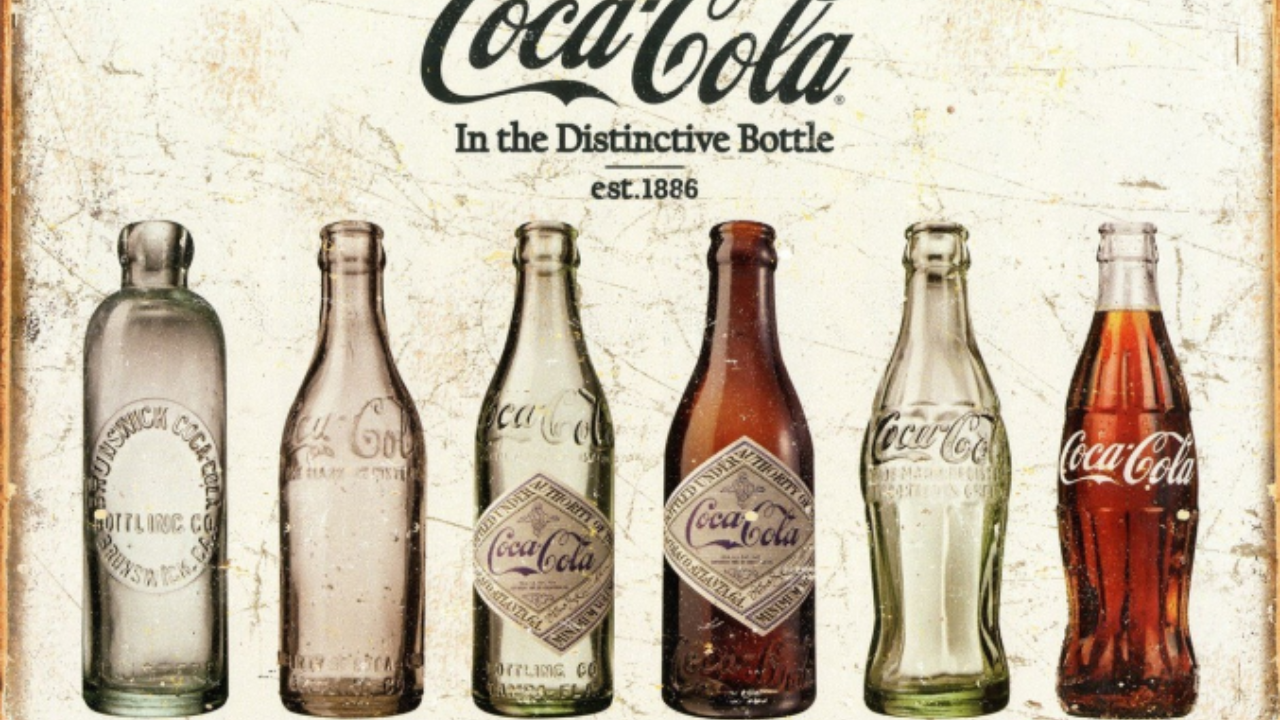
Coca-Cola didn’t just sell soda — they sold a feeling. From early advertisements to national campaigns, the brand pushed images of smiling faces, safe neighborhoods, and that easy American comfort. The message was simple: open a Coke, enjoy life, and be part of something good. It looked universal. It looked inclusive. But the lived reality in much of America told a different story.
When Happiness Had Boundaries
In the Jim Crow era, the same Coke bottle could mean two completely different experiences depending on who you were. Segregation laws and customs shaped everyday life, including where people could sit, eat, or drink. In many places, white customers walked inside and ordered at the counter, while Black customers were forced to wait outside, use separate service windows, or weren’t served at all. That wasn’t a personal choice by shop owners — it was the system of the time, backed by law and social pressure.
Business Inside the Segregated System
Coca-Cola’s corporate model focused on producing syrup and selling it to independent bottlers and retailers. Those local businesses enforced segregation practices in their stores and soda fountains. While Coca-Cola didn’t create Jim Crow laws, the company largely operated within that environment rather than publicly challenging it during those decades. Like most major corporations of the period, they adjusted to the system that existed and continued doing business.
The Advertising Gap
Early Coca-Cola advertising strongly reflected white middle-class life. Family outings, leisure moments, and everyday scenes shown in national ads rarely included Black Americans for many years. The brand image of “American happiness” often looked white by default, reinforcing who society visually centered and who it didn’t. That absence in mainstream advertising mattered, because ads don’t just sell products — they shape identity and belonging.
Black America Was Still a Major Market
At the same time, the historical record shows something important: Black Americans were never absent from Coca-Cola’s customer base. They were a significant market, and the company knew it. By the 1940s and 1950s, Coca-Cola ran advertising campaigns in prominent Black publications like The Chicago Defender, Pittsburgh Courier, and later Ebony magazine. These ads promoted Coke as part of modern Black family life and social culture. So the truth isn’t total exclusion — it’s participation within a segregated structure.
Economic Participation, With Limits
There’s also documented evidence that some Black entrepreneurs participated in Coca-Cola’s distribution ecosystem through bottling operations or related partnerships, though opportunities were far more limited than for white operators. This reflects the broader pattern of the era: economic involvement was possible, but still shaped by racial barriers and unequal access to capital and ownership.
War, Change, and Messaging
World War II marked one of the first moments when Coca-Cola publicly emphasized broader national inclusion. The company pledged that every American serviceman could get a Coke for five cents wherever they were stationed. While the U.S. military itself was still segregated early in the war, this message began pushing the idea of Coke as a drink for all Americans in uniform. It didn’t erase inequalities at home, but it showed how corporate messaging started shifting as the country changed.
Representation Slowly Catches Up
Real visible inclusion in mainstream Coca-Cola advertising didn’t fully expand until the civil rights era and beyond. As social pressure increased and markets diversified, the company began featuring Black Americans more prominently in national campaigns. This wasn’t just moral alignment — it was also smart business. Companies tend to move when culture, economics, and public expectations move together.
What This Story Really Means
Looking back, Coca-Cola’s history isn’t unique — it mirrors how much of corporate America functioned during segregation. Businesses marketed unity while operating inside division. They didn’t always create the social system, but they often adapted to it and benefited from it. Understanding that reality isn’t about canceling brands; it’s about understanding how economic systems and social systems reinforce each other.
Why This Still Matters Today
When companies say “that was a different time,” they’re not wrong. But that time didn’t disappear — it built the foundation for today’s markets, media, and expectations. Advertising still signals who belongs, who’s centered, and who gets seen. Knowing that history helps people read modern messaging with sharper eyes and stronger awareness.
Key Takeaways
Jim Crow segregation shaped how Coca-Cola products were sold and consumed in many areas.
Soda fountains and retail counters were commonly segregated by law or custom.
Coca-Cola largely operated within that system rather than publicly leading challenges against it during the era.
Black Americans were an important consumer base and were directly marketed to in Black newspapers and magazines by the 1940s–50s.
Some Black entrepreneurs participated in bottling and distribution networks, though opportunities were unequal.
Representation of Black Americans in mainstream Coke advertising expanded significantly during and after the civil rights movement.
Bigger Picture Insights
Advertising doesn’t just move products — it shapes cultural belonging.
Corporations often reflect social systems more than they lead moral change.
Economic inclusion and social equality aren’t always the same thing.
Understanding corporate history helps explain modern debates about representation and brand accountability.
The past isn’t gone — it’s part of how today’s marketplace was built.