

On July 21, 2025, at 1:18 PM, a catastrophic crash of an F-7 BGI training aircraft at Milestone School and College in Uttara, Dhaka, shook Bangladesh to its core. The tragedy claimed 31 lives—25 students, one teacher, the pilot, and others—while injuring over 171 people. This devastating incident marks one of the darkest days in Bangladesh’s aviation history, raising urgent questions about safety protocols, training practices, and accountability.
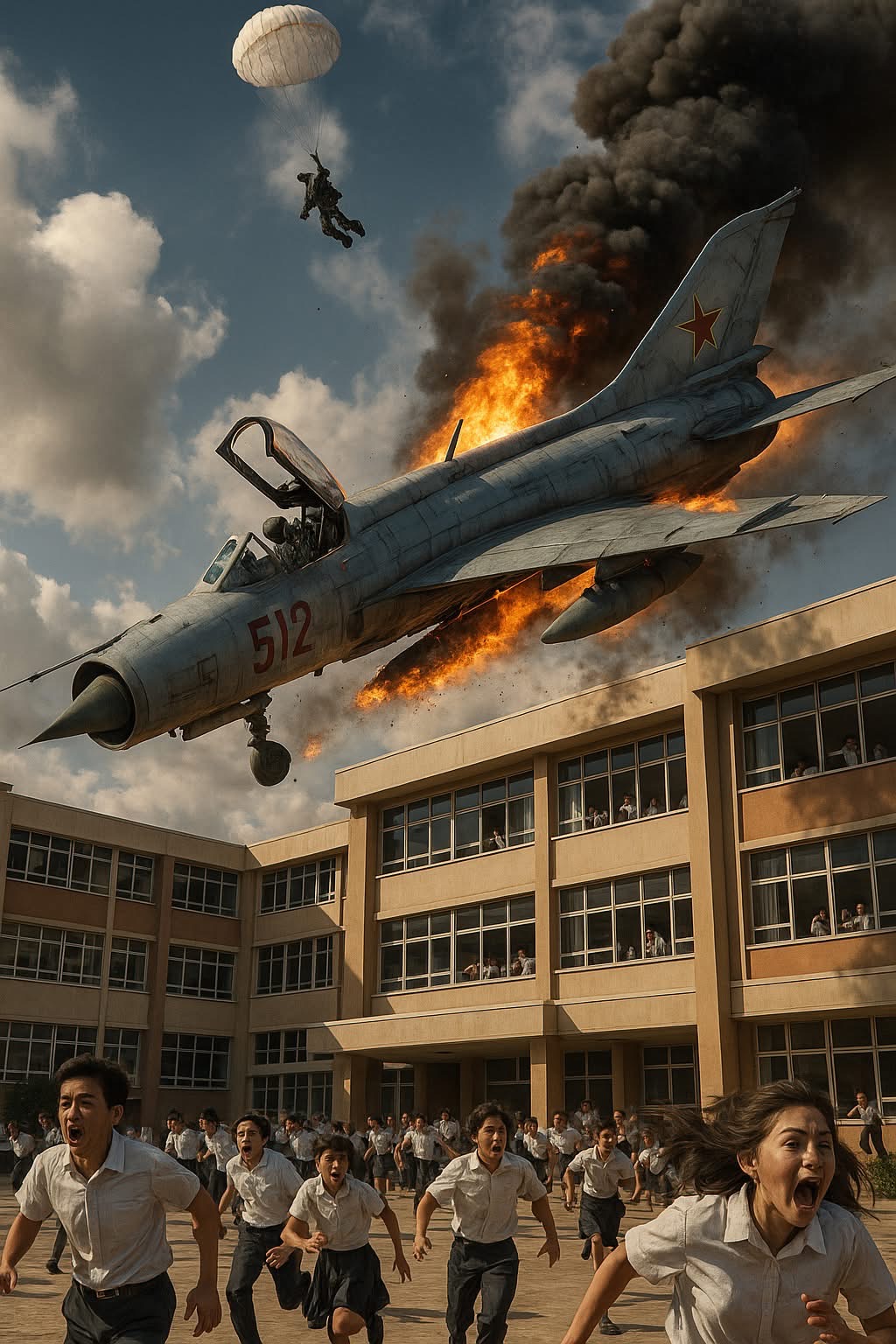
As we mourn the loss of lives, including the brave Flight Lieutenant Mohammad Toukir Islam (known as Sagar), we must demand a transparent investigation and actionable reforms to prevent such tragedies in the future. Below, we break down the verified facts, critical questions, ongoing investigations, and the public’s demands for justice.
The Incident: What Happened?
The F-7 BGI, a Chinese-manufactured training jet, took off from A.K. Khandakar Air Base at 1:06 PM. Just 12 minutes later, at 1:18 PM, it crashed into Milestone School and College, a mere 11 kilometers away. The crash, attributed to a mechanical failure, resulted in a fireball with temperatures reaching up to 2,000°C due to the jet’s 2,330 kg fuel capacity (plus an additional 1,300 kg in external tanks). The devastation was immense, leaving behind a trail of loss and trauma.
Key Facts About the Pilot
Name: Flight Lieutenant Mohammad Toukir Islam (nickname: Sagar)
Experience: Approximately 160 flight hours
Context: This was his first solo flight as part of training
Fate: He perished in the crash, found with the wreckage
The Aircraft
Model: F-7 BGI, manufactured by Chengdu Aircraft Corporation (China)
Delivery: Acquired by Bangladesh in 2013 and 2022
Design: An advanced variant of the Soviet MiG-21, a decades-old platform
Fuel Load: 2,330 kg (main) + 1,300 kg (external tanks), highly flammable
Timeline of Events
1:06 PM: Aircraft takes off from A.K. Khandakar Air Base
1:18 PM: Crashes into Milestone School and College
Cause: Mechanical failure/technical malfunction
Control Tower Directive: Pilot instructed to eject
Ejection Failure: Impossible due to low altitude; ejection at such height risks severe injury from 20G forces
Critical Questions That Demand Answers
This tragedy has sparked outrage and disbelief, particularly because it occurred in one of the most densely populated cities in the world—Dhaka, home to 25 million people. Here are the pressing questions that need addressing:
1. Why Conduct a Rookie Pilot’s Solo Flight Over Dhaka?
Milestone School is just 11 kilometers from the airbase, nestled in a crowded urban area. Why was a pilot with only 160 hours of experience allowed to conduct their first solo flight over such a densely populated zone? Couldn’t training routes be planned over less populated areas to minimize risks?
2. Why Did the Plane Crash Into a School?
Several safer landing options were nearby:
Birulia River: 100 meters away
Ashulia River: 500 meters away
Turag River: 800–1,000 meters away
Ijtema Ground: 1,000–1,200 meters away, largely empty year-round
Why wasn’t the aircraft directed toward these safer zones? What factors led to the catastrophic decision to crash into a school full of students?
3. The Ejection Myth
Some speculated that the pilot could have ejected to save himself, but the reality is starkly different:
The control tower instructed Sagar to eject, but the low altitude made it impossible.
Ejection at low heights generates up to 20G of force, which can snap the spine or cause fatal injuries.
The pilot’s body was found in the wreckage, confirming he remained with the aircraft until the end.
4. Was It Safe to Fly a Fuel-Heavy Jet Over a City?
The F-7 BGI carried 2,330 kg of fuel, with an additional 1,300 kg in external tanks. A crash at high speed can ignite a fire reaching 2,000°C, posing an extreme hazard. Was it reasonable to conduct training flights with such a dangerous fuel load over a bustling city like Dhaka?
The Investigation: What’s Happening Now?
The government has formed a high-level investigation committee, with plans to possibly include international aviation safety experts. The focus is on recovering critical evidence, including:
Flight Data Recorder (Black Box): To analyze the aircraft’s final moments
Wreckage Analysis: To confirm the mechanical failure
Air Traffic Control (ATC) Records: To review communications with the pilot
Pilot’s Medical Records: To rule out health-related factors
The public awaits a thorough and transparent investigation to uncover the truth and ensure accountability.
The Public’s Demands
The tragedy has sparked widespread protests, particularly among students, who are demanding justice and systemic changes. Their key demands include:
Accurate disclosure of the death toll and number of injured
A detailed list of victims and those hospitalized
Compensation for affected families and a public apology
Immediate phasing out of outdated aircraft
Overhaul of pilot training protocols
Ban on training flights over densely populated areas
These demands reflect a broader call for safety, transparency, and accountability in Bangladesh’s aviation sector.
A Call to Action
The loss of 31 lives, including the heroic Flight Lieutenant Mohammad Toukir Islam, is a wound that will take time to heal. His sacrifice and the tragic deaths of innocent students and teachers compel us to act. We must demand:
A transparent and impartial investigation to uncover the full truth
Public release of the flight data recorder and ATC communications
Concrete safety reforms to prevent future tragedies
This is not just about mourning—it’s about ensuring such a tragedy never happens again. Let’s honor the memory of those lost by pushing for accountability and safer skies.
Sources: Al Jazeera, CNN, The Washington Post, NPR, Wikipedia, and other reliable international news outlets
Support Our Work
If you believe in holding authorities accountable and advocating for safer aviation practices, consider supporting our efforts to raise awareness and demand justice. Your contribution can help us amplify the voices of those affected and push for meaningful change. Buy me a coffee to support this cause.
#UttaraPlaneCrash #JusticeForVictims #AviationSafety