

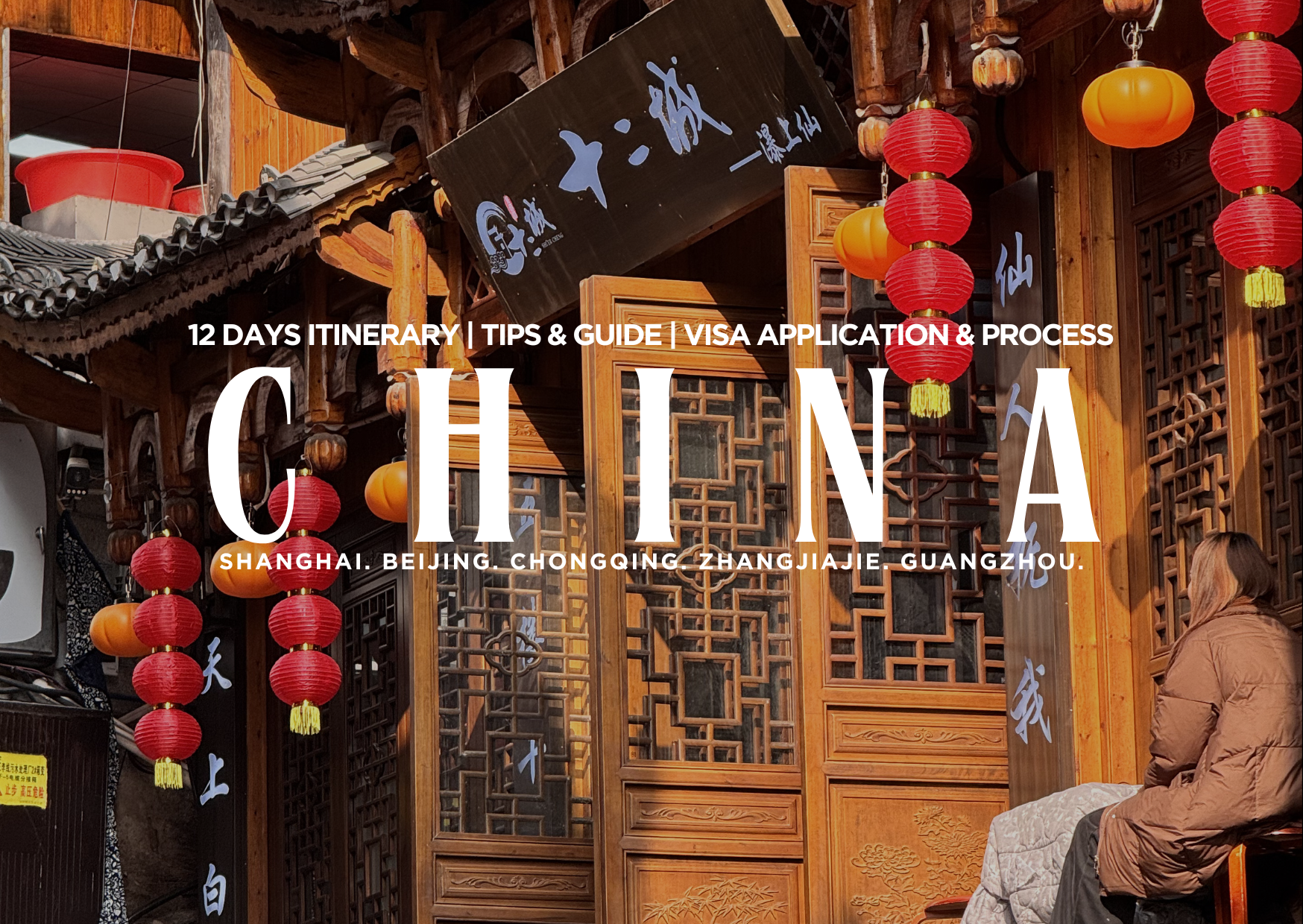
 rafcarlosaid here! And this trip has been one of my best adventures yet! From accessibility and transportation to seamless payment methods, CHINA should certainly be part of your bucket list!
China was my first visa-required country, and it turned out to be the most rewarding so far.
I’m sharing tips, guides, and itineraries to help you plan your own journey, along with the places I visited that you can add to your list. My route covered most of the major cities, with 2–3 days of exploration in each, giving me a broad experience of modern to old China.
Manila - Shanghai (3hrs Direct flight)
Shanghai - Beijing (6hrs Direct high-speed train)
Beijing - Chongqing (4hrs Direct high-speed train)
Chongqing - Zhangjaijei (3hrs Direct high-speed train)
Zhangjaijei - Guangzhou (12hrs with transfer high-speed train)
Guangzhou - Manila (2hrs Direct flight)
ITINERARY
DAY 1: Arrival & Shanghai D1
Arrive in Shanghai; check-in hotel; breakfast
Yu Garden & Old City (Yuyuan Garden Station)
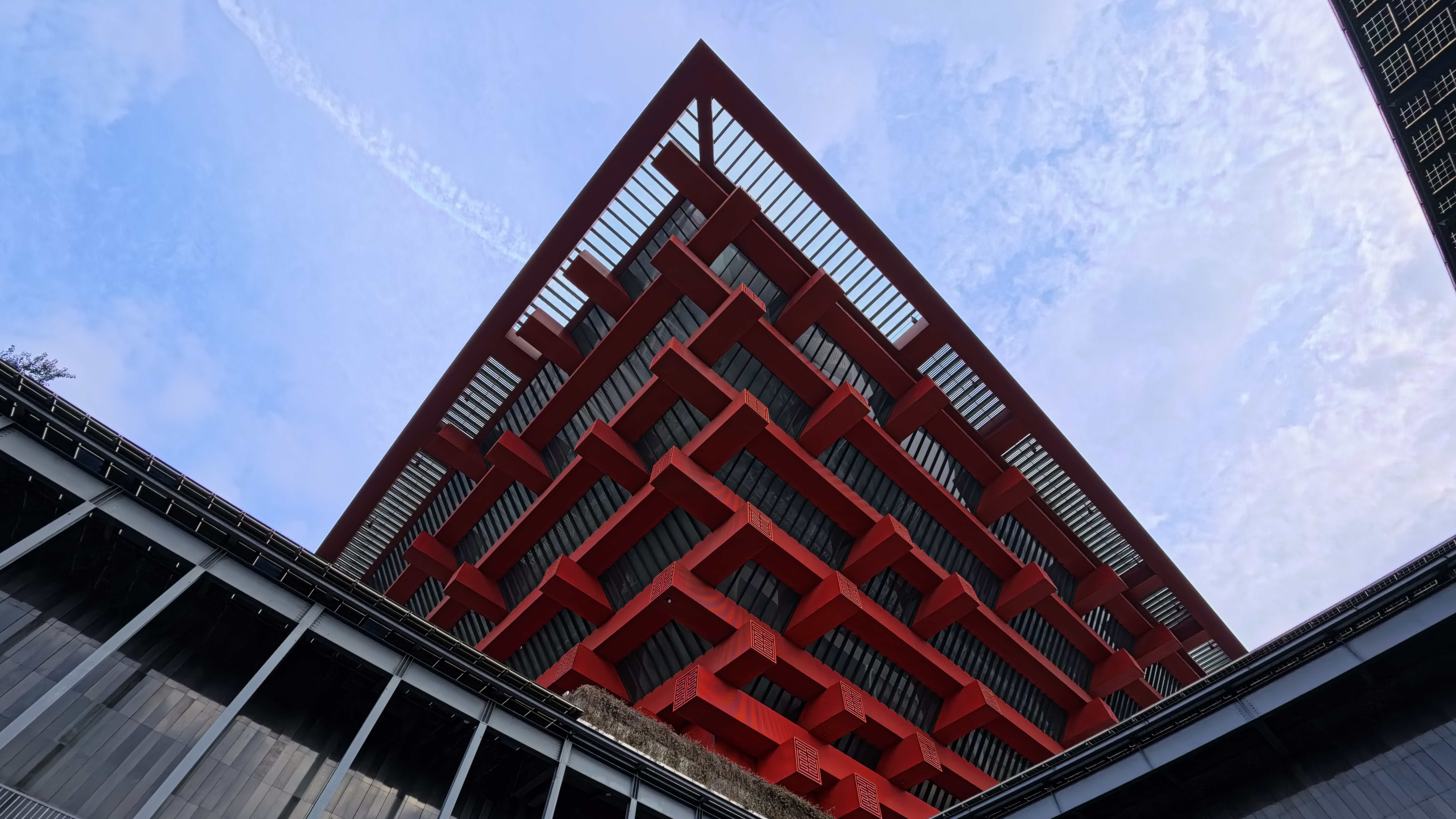
China Art Museum (China Art Museum Station)
Nanjing Road Pedestrian Street
Jade Temple
Longhua Temple (Jing’an Temple Station)
Shanghai Tips & Guide:
Shanghai is a highly modern and fast-paced city. The airport is around 45 minutes from the city, so adjust your time for preparation and travel. Travel time is applicable for both Taxi and Train. The airport train station only operates from 05:30 to 23:30.
Huangpu River Cruise. Booking a night tour is recommended to fully appreciate the cityscape after dark, though you can also purchase tickets onsite.
Most major landmarks are conveniently located near metro stations, so plan your route ahead of time. Bicycles are also available everywhere and can be used for short distances for free.
The China Art Museum offers free admission, even for foreign visitors. Head to the North Bund for a complete skyline view, including the TV Tower. Visit Anfu Road for trendy coffee shops and local clothing brands.
DAY 2: Shanghai Disneyland
Breakfast
Full day in Shanghai Disneyland
The Bund (East Nanjing Road Station)
Nanjing Road Pedestrian Street (East Nanjing Road Station)
Shanghai Disneyland Tips
Expect massive lines during the first few hours after opening, along with a long walk before reaching security. Tripods are not allowed inside the park, but bringing food and drinks is permitted.
If you purchased your ticket online, have your passport ready for entry and facial recognition.
Popular attractions like TRON and the Zootopia experience have long queues, especially early in the day.
If you’re visiting solo, take advantage of the designated single-rider queues. Shanghai Disneyland is open rain or shine. Parades may get cancelled during the rainy season, so plan your travel dates thoroughly.
DAY 3: Shanghai D2 & Train To Beijing
Free Day Morning Shanghai
1000 Trees
The North Bund (Cityscape view)
Night train to Beijing
Arrive in Beijing
DAY 4: Great Wall Full Day Tour
Full Day Mutianyu Great Wall (Join In tour)
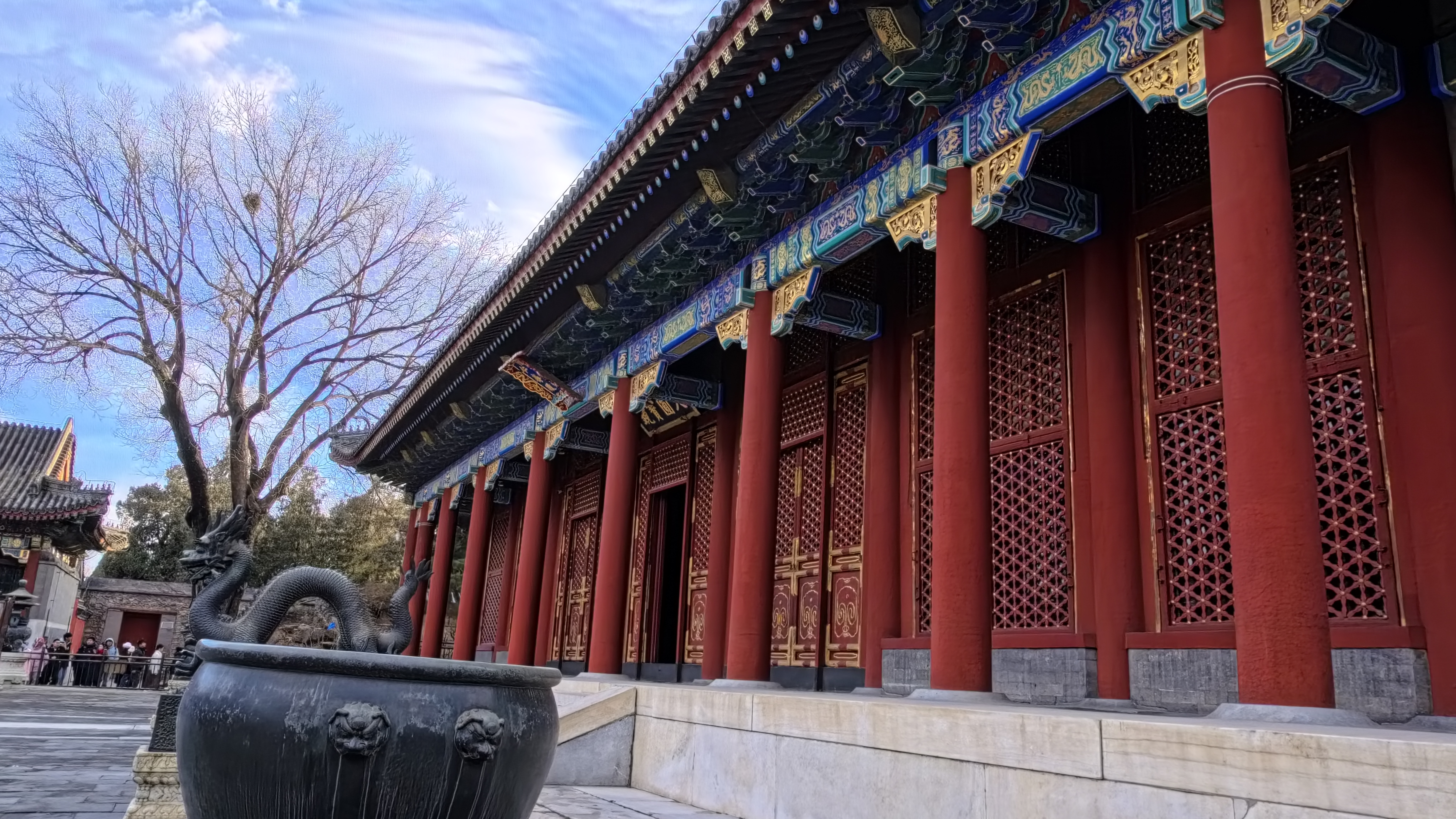
Summer Palace
Beijing National Stadium
Great Wall Tips & Guide
You can visit the Mutianyu Great Wall by joining group tours. Take note that this side of the Great Wall has fewer tourists and will require at least 1.5 hours of travel time from the city. The tour at the Great Wall can take up to 3 hours, which is enough to have the cable car, try the chairlift & toboggan.
Alternatively, you can book a high-speed train from Beijing to Badaling Great Wall. It would only take around 30 minutes. and costs around 4-10 dollars. This side of the Great Wall is the most crowded because it is conveniently accessible.
While joining group tours, there are also side trips like the Summer Palace and the Bird's Nest stadium.
DAY 5: Beijing D2 - DIY City Tour
Temple of Heaven
Tiananmen Square
Luogu Lane
National Museum
Forbidden City
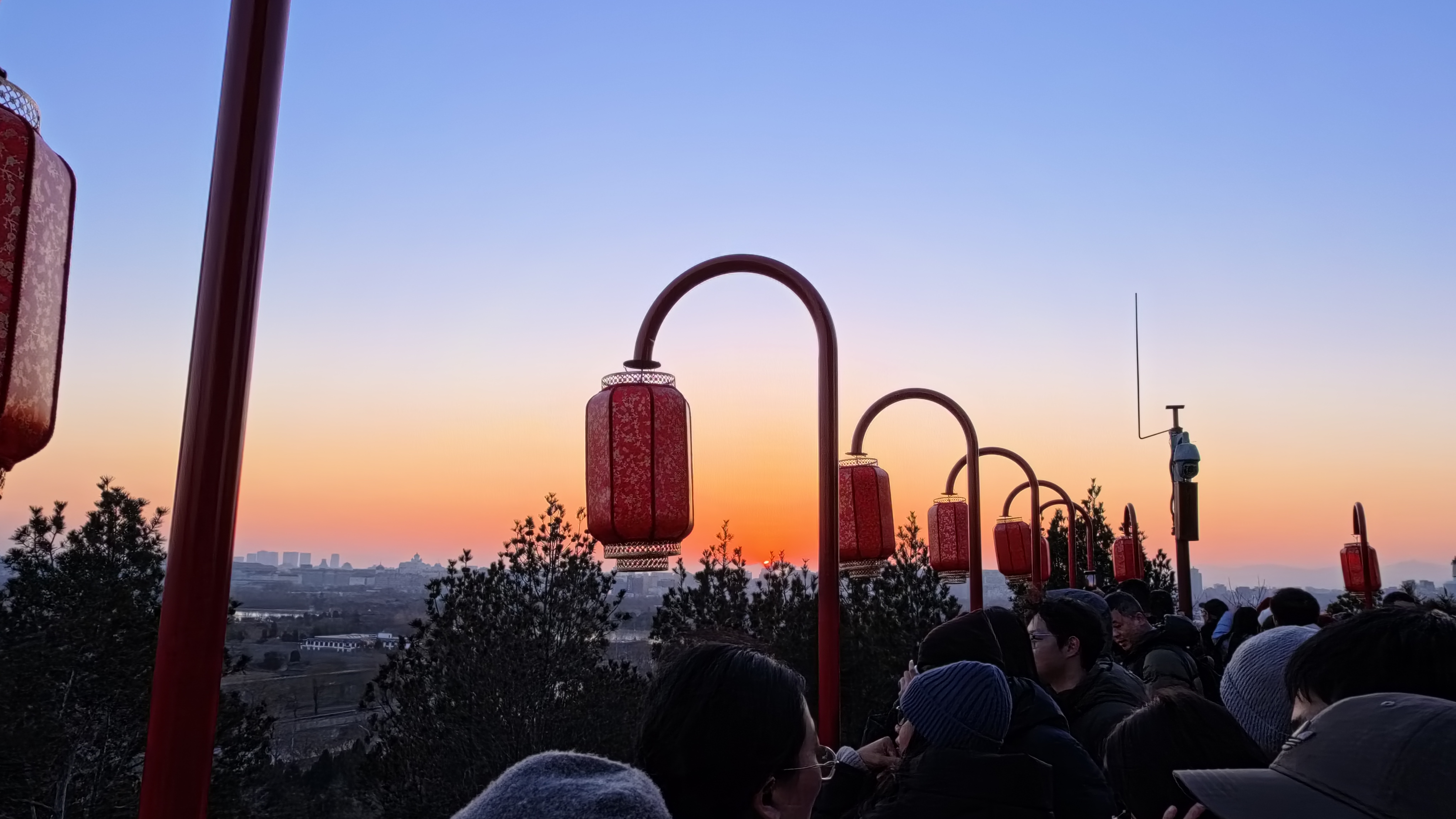
Jingshan Park (Sunset with view of Forbidden City)
Train to Chongqing
Beijing Tips & Guide
Beijing offers a fascinating mix of tradition and modernity. Many train stations are conveniently located near major attractions, though most rely on stairs rather than escalators, so be prepared for a bit of climbing.
If you’re exploring the Forbidden City, Tiananmen Square, and nearby monuments on your own, note that reservations are required. Alternatively, you can line up at the gate to purchase tickets at the booth. The Forbidden City is crowded almost all day, every day, so plan your visit well in advance.
Because Beijing’s highlights are spread far apart, join-in tours are often the most efficient way to see the city’s notable sites.
Head to Luogu Lane for a wide variety of food options and affordable souvenirs to bring home.
For panoramic views of both the city and the Forbidden City, visit Jingshan Park. Sunrise and sunset are the best times to hike here, offering breathtaking scenery.
DAY 6: Chongqing D1: Train to Chongqing + DIY City Tour
6hr train ride to CQ; Arrive; Check-in; Lunch
Kuixinglou Building
Bai Xiang Ju
Jei Fang Bei
Chopstick building
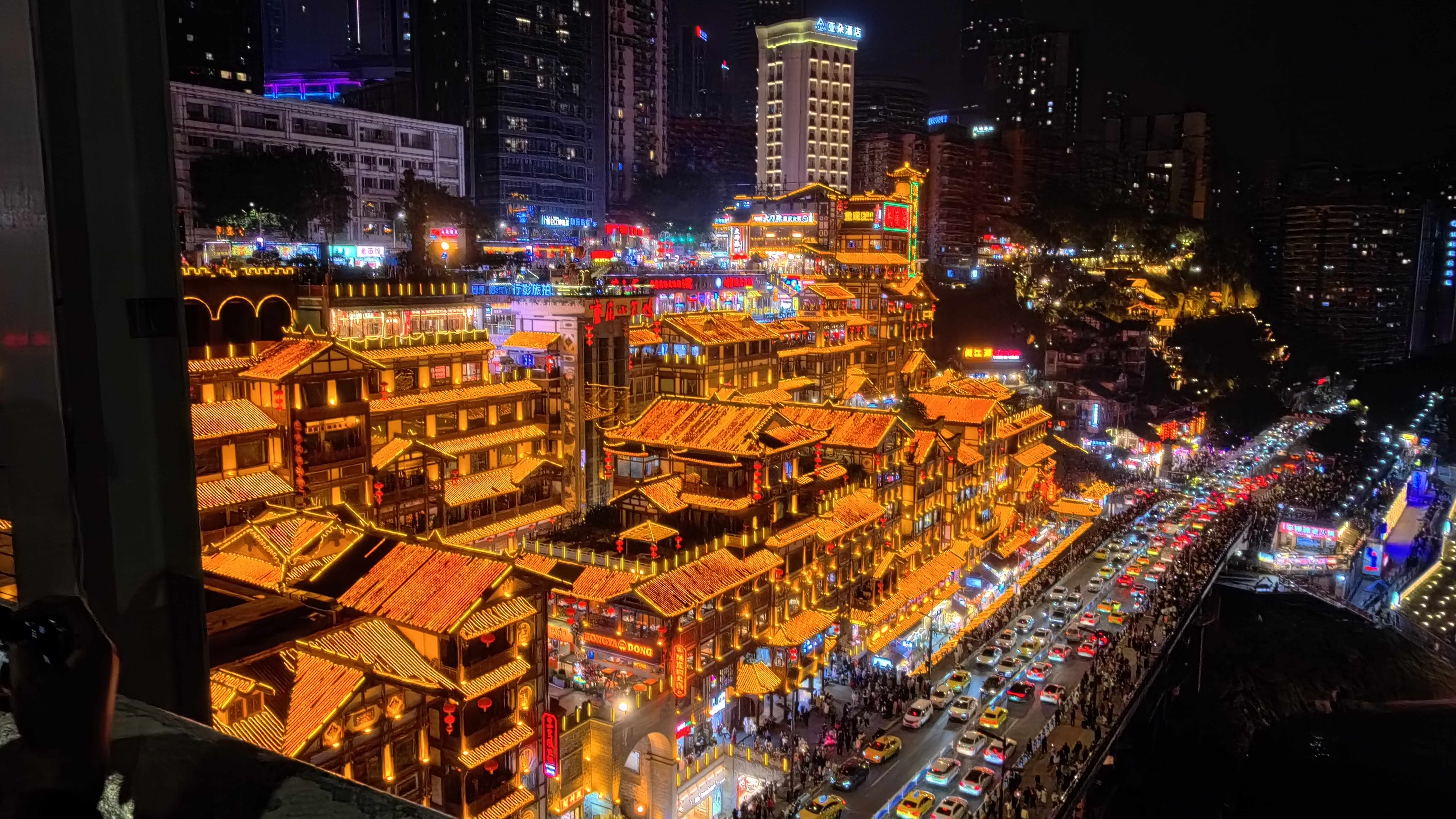
Hong Ya Dong
Qiansimen Jailing
Jianbeizui Jiangtan Park
Baiya food street (Dinner)
Chongqing Tips & Guide:
Expect Uphill & Downhill Routes. The city is built on mountains and rivers, so most streets involve slopes. Comfortable shoes are essential. Stairs Everywhere. Many neighborhoods and scenic spots are connected by long staircases. Be prepared for climbs.
Two of the major pedestrian streets in CQ are Jiefangbei Pedestrian Street and Chaotianmen Market. alternatives are Ba Yi Delicious Street and Xi Street Night Market
The Kuixinglou Building can be tricky to locate on maps, so it’s best to use AMap or Apple Maps for navigation. Nearby, you’ll find Hongyadong (Hongya Cave) an 11‑story stilted complex in Jiefangbei’s commercial district, often compared to a Ghibli-inspired cityscape.
For a great photo opportunity, head to Jianbeizui Jiangtan Park, located across from Hongyadong. From here, you can capture Hongya Cave with the Qiansimen Jialing Bridge as a stunning backdrop.
For the Chongqing 1949 Theater, it’s best to book tickets online, especially on Fridays and weekdays when demand is high. The immersive 360° experience runs daily at 14:00, 16:00, and 19:30, with each performance lasting about 60 minutes without breaks. On the day booking is also an alternative.
DAY 7: Chongqing D2 - Wulong Day Tour
Full-day Wulong Trip
Ends 07:30 PM
Chaotianmen Square (at night)
Deyi World (Linjiangmen) (Photos)
Wulong Tips & Guide:
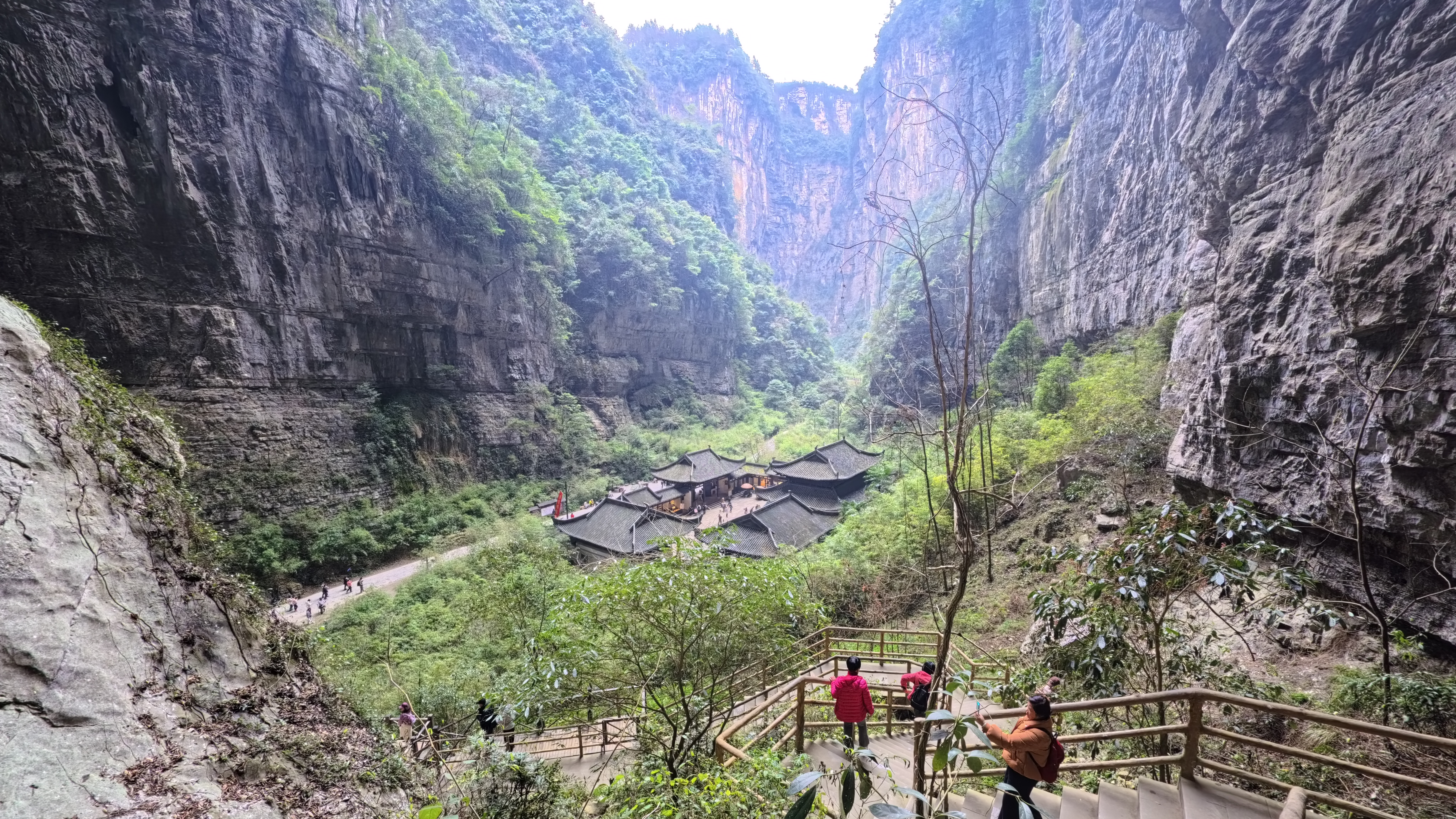
Booking a tour in Wulong typically takes a full day, as the area is vast and filled with scenic karst landscapes — a UNESCO World Heritage Site renowned for its natural beauty.
When reserving a tour, make sure to request an English-speaking guide. Communication can be difficult in Chinese-only groups, though many operators are accommodating and will use translation apps to assist.
The route through Wulong is straightforward: simply follow the signs and the flow of tourists. The trail is senior-friendly, mostly downhill, and equipped with elevators at sections that require climbing.
Despite being in a relatively remote location, Alipay is accepted for transactions, making payments convenient for visitors.
DAY 8: Chongqing D3 - Free Day + Train to Zhang
Morning Rest
Hong’en Temple Park
Liziba Station
2 PM - Chongqing 1949 Theater
3hrs train ride to Zhangjiajie
DAY 9: Zhangjiajie D1
Day Tour
Furong Village
Overnight Zhangjiajie
Zhangjiajie Tips & Guide:
Traveling from Chongqing to Zhangjiajie takes about 3 hours by train, so it’s important to book tickets in advance. Hotels in Zhangjiajie are generally much cheaper than those in major cities, making it a budget-friendly stay.
Keep in mind that Zhangjiajie does not have its own train system. The most common ways to explore are by taxi or Didi (ride-hailing app), which are widely used and reliable.
The city itself has limited attractions, as it mainly serves as the gateway to the famous Avatar Mountain (Zhangjiajie National Forest Park). However, you shouldn’t miss the 72 Strange Towers, especially at night when cultural shows bring the area to life.
Furong Ancient City:
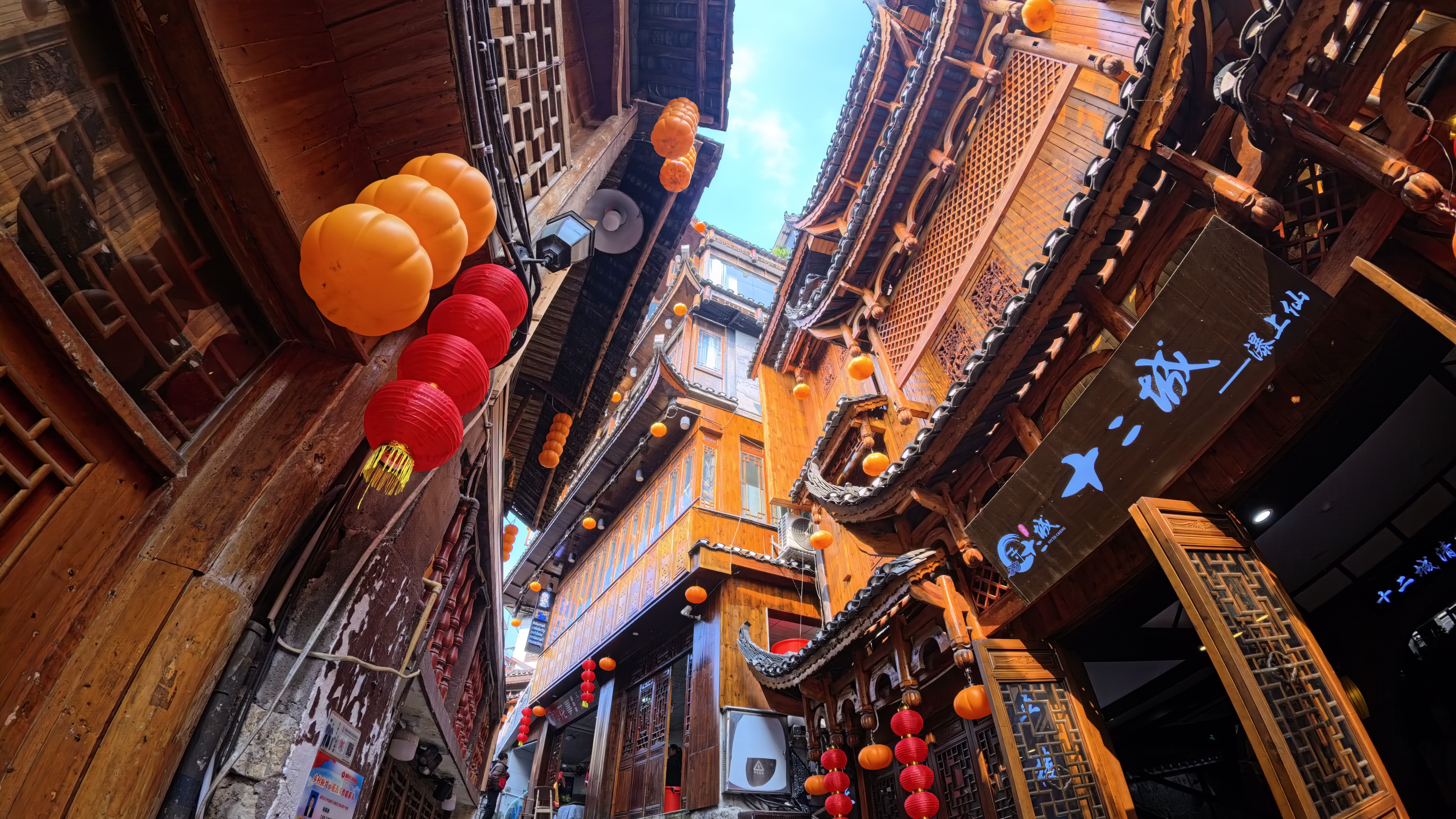
Located just 30 minutes away by high-speed train, Furong Ancient Town makes for a perfect side trip from Zhangjiajie. If you’re visiting only for a day, be sure to book round-trip tickets in advance.
The town offers immersive cultural encounters, including traditional dances, singing, and rituals. At night, a major cultural show takes place where guests can even participate, making the experience more interactive and memorable.
A half-day visit is enough to enjoy the highlights: The famous waterfalls that cascade through the town, Old streets ideal for photography and soaking in the historic atmosphere and Local eateries serving delicious food nearby.
DAY 10: Zhangjiajie D2
Avatar Mountain
09:12 PM - Train to Guangzhou
Overnight Train
Avatar Mountain Guide:
Avatar Mountain (Zhangjiajie National Forest Park) is one of China’s most iconic attractions, famous for its towering sandstone pillars that inspired the floating Hallelujah Mountains in the movie Avatar
Tickets to Zhangjiajie National Forest Park (Avatar Mountain) are valid for 4 consecutive days. Even if you plan to visit for just one day, you’ll still need to purchase the 4‑day pass, which costs around USD $59.90. Tickets can be bought directly at the park’s counters on the day of your visit.
Keep in mind that if the area is foggy, the famous “floating mountains” may not be visible, so clear weather is key to enjoying the scenery.
Take note of the weather below for ideal times to explore the Avatar Mountain:
Spring (April–May) – Mild temperatures, blooming flowers, and clearer skies.
Autumn (September–October) – Crisp air, colorful foliage, and excellent visibility.
Avoid peak summer (July–August) – Hot, humid, and often crowded.
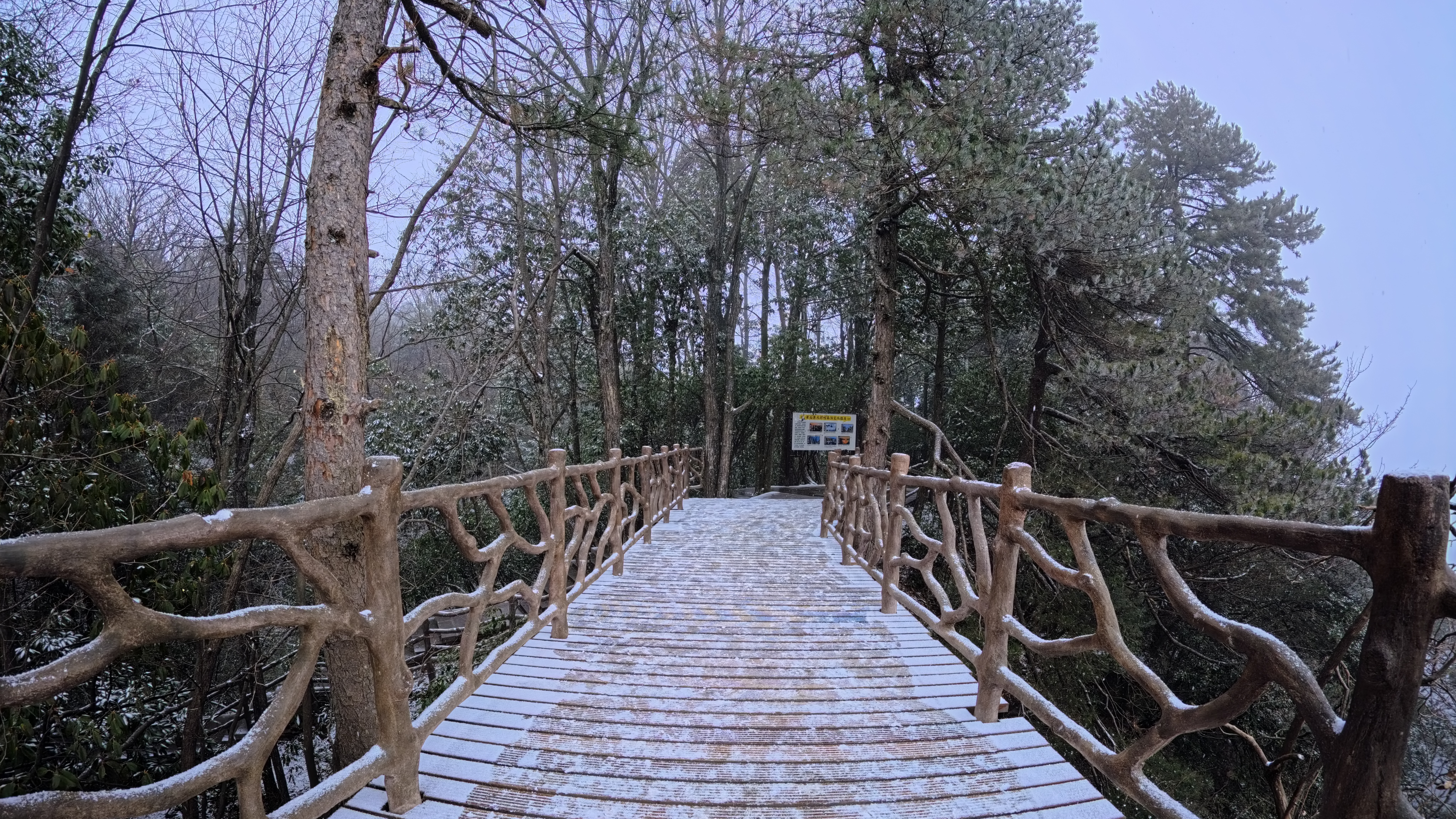
Winter (December–February) – Quieter with fewer tourists, but colder and sometimes icy.
DAY 11: Guangzhou City Tour (DIY)
06:40 AM - Arrive & rest
Big Buddha Temple
Shangxiajiu Pedestrian Street (Beijing rd)
Onelink Plaza (For affordable finds)
Sacred Heart Cathedral
Yide Road Wholesale Markets
Huacheng Square
Canton Tower sightseeing
Day Trip Free Day | Pasalubong Day
11:00 PM - Prepare for Flight
If you’re traveling around China, Guangzhou is a convenient last stop since it has direct flights back and forth to the Philippines.
The city is widely known for its wholesale markets, making it one of the best places to shop for pasalubong and take-home goodies at affordable prices. You’ll also find branded outlet stores offering discounts of 50–80%, perfect for bargain hunters.
Guangzhou’s markets are lively and diverse, attracting both locals and foreign tourists. You can explore:
Food finds ranging from traditional Cantonese dishes to modern street snacks
Old restaurants with authentic flavors
Vintage shops for unique keepsakes
Trendy and artsy boutiques showcasing modern Chinese creativity
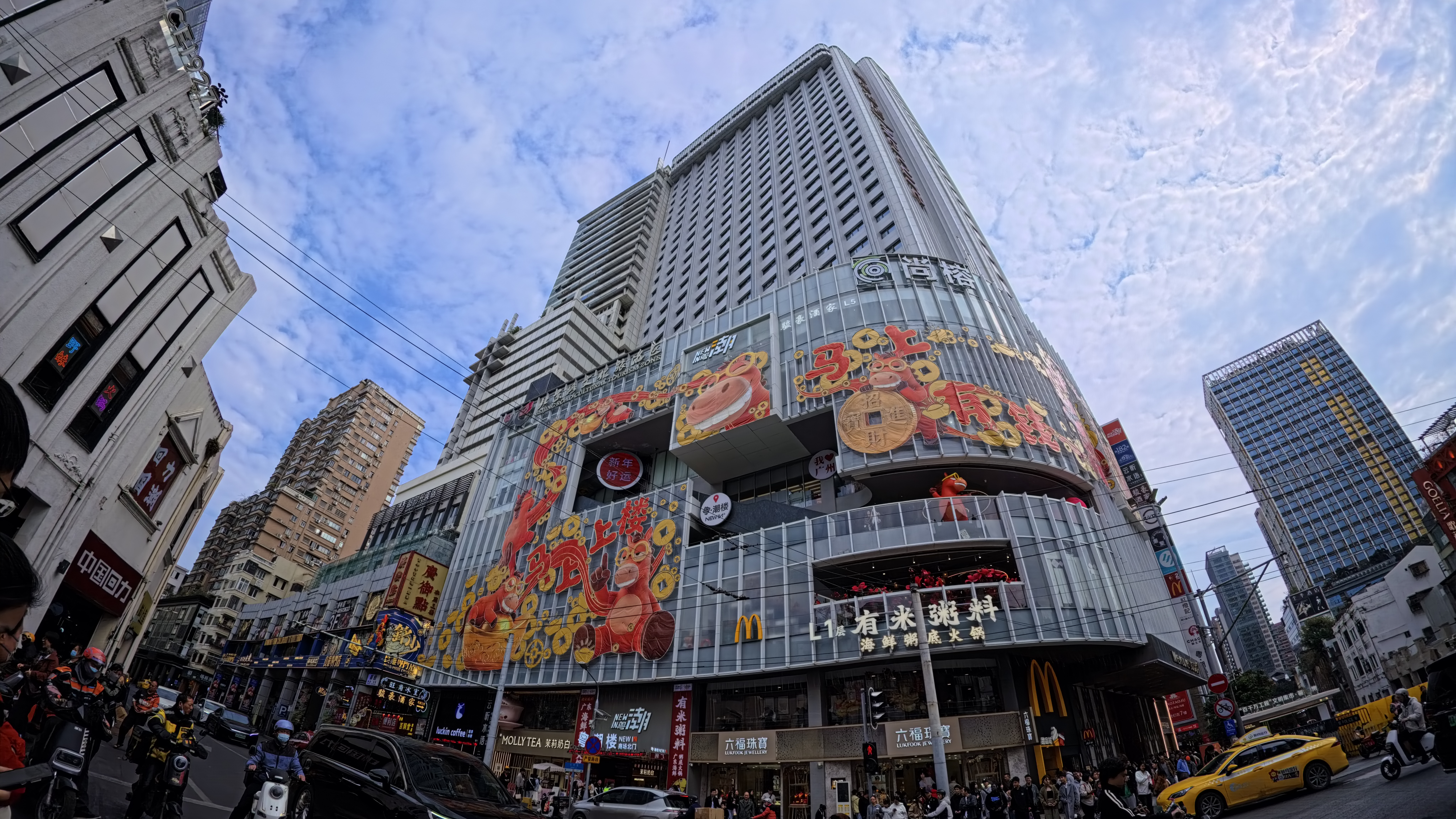
DAY 12: FLIGHT BACK TO MANILA
Flight: 3:20 AM
Arrive in Manila: 06:10 AM
China General Tips & Guide
Contrary to the perception that China is “dirty and old,” its major cities are impressively modern. Roads are clean, walkable, and bike-friendly, with infrastructure designed to accommodate seniors through accessible pathways and facilities. Train stations are highly connected, reaching even the smallest districts and alleys, making urban mobility seamless.
The idea that people are rude doesn’t match my experience. Throughout my travels — even in provincial areas — I didn’t encounter rude behavior. Locals may be curious, which is natural, but interactions were generally polite. They'll let you use their own translation apps to communicate. In the cities, you’ll often see teenagers enjoying coffee shops, taking photos, and engaging in modern urban life, reflecting a vibrant and youthful atmosphere.
4 HELPFUL & MUST-DOWNLOAD BEFORE YOUR TRIP IN CHINA
Alipay - Link your cards here for online transactions.
WeChat - You can also link your credit card here, which is also acceptable for online transactions.
AMap - The map app is not only for road routes. It also includes train maps and bus routes
Trip.com - This app is a one-stop shop for your Train tickets and all attractions available in each city.
Money / Payment / Alipay app
Withdrawing cash is possible, but not recommended since most shops prefer payments through the Alipay app.
Link any bank cards you have, either debit or credit, for easier transactions. I didn’t need to withdraw or use cash during my trip; the app was extremely helpful throughout my journey.
Make sure to set up your Alipay account in your home country, as OTP is needed upon registration. OTP sometimes do not work when you are already in China.
Refunds can also be processed in-app and are typically real-time, though posting to your international card may vary depending on your bank’s policies.
You can book taxis via the built-in DiDi feature, and rent city bikes through the integrated HelloRide app. Bike rides usually start at around 2 RMB for 10–15 kilometers, depending on the city.
Alternatively, you can also use the WePay app for online transactions.
Tips are not mandatory in China.
Social Media
Meta platforms such as Facebook, Instagram, and Threads generally do not work when connected to Chinese hotel or public Wi‑Fi networks. However, using an eSIM can provide access, as most of these services route through Hong Kong connections, where Meta apps function normally.
In my own travels, I’ve never had issues opening these apps, even while connected to Chinese networks — though others have reported difficulties.
Online Maps
Google Maps is not a reliable application for navigating China. Download the Amap app or use Apple Maps for car/walking navigation.
Transportation
Use the DiDi feature directly within your Alipay account; there are no extra fees in this case.
The metro systems in Shanghai and Beijing accept Alipay linked to Mastercard. In Chongqing, however, the app didn’t work—possibly because it only supports linked Visa cards.
Avoid rush hour as much as possible between 7:00 AM–9:30 AM and 5:00 PM–7:30 PM on weekdays.
Metro Trains
Metro stations can be complex, so planning is essential. Know your station, and check the correct routes and exits in advance for smoother navigation on the platforms. Alipay can also be used to pay at ticket machines where available.
Among the places I visited, only Zhangjiajie does not have a metro system. Shanghai, Beijing, Chongqing, and Guangzhou all have accessible metro networks.
High-speed train
When taking the high-speed train, book your tickets in advance. Trip.com is commonly used for train bookings, and routes are available to most destinations across China.
If you miss your scheduled train, you can rebook at the departure station, though a convenience fee applies.
If you need to change your booking ahead of time, you can also modify it through the Trip.com app and pay the applicable fee. Note that changes are typically allowed only once, so be sure you can make it to the new schedule.
High-speed trains are very punctual and may even depart 1–2 minutes early. Be ready to board promptly, as trains usually stay at the station only at their designated time.
Keep in mind that high-speed rail stations are often located on the outskirts of the city, so plan your travel time accordingly.
D-series or sleeper/overnight trains are equipped with 220V power sockets, and USB ports are generally available throughout the journey.
Language Barrier
Unfortunately, not everyone in China speaks English, even in some local stores. However, many staff in coffee shops know a bit of English, and younger people in Shanghai, tour guides, and other major cities are more likely to understand it. Having a translation app is very important throughout your trip. The Alipay app also has a built-in translation feature that you can use.
Food
Food in China is very affordable. Snacks can start at around 3 RMB, a bowl of noodles is about 15 RMB, bottled water is roughly 3 RMB, and soda is around 5 RMB.
Ordering food can be challenging, especially in local eateries. Use a translation app to check the menu, point to your desired meal, and pay in advance.
Most shops sell their meals through QR codes scanned via Alipay, but I suggest paying directly at the counter so the owner is immediately notified of your payment.
I’ve also noted how much food costs in each place I visited. Shanghai $ | Beijing $$$ | Chongqing $ | Wulong $$$ | Zhangjaijie $ | Guangzhou $$
Accommodation
The hotel charges 3% convenience fee when Alipay is used. Booking.com is China's most used app for booking hotels. Bunk beds/Single Rooms are also an available option for backpackers.
Sim cards
e-sims are available on the Klook app or Trip.com. Most eSIMs are routed through Hong Kong or Macau. With these, Meta apps usually work—but TikTok does not. When connected to local Wi-Fi in China, Meta apps and most Google services will not work.
(for Foreign) Your passport is your ID card
Most attractions and high-speed train stations use your passport for entry and exit, so make sure to keep it with you at all times in an easily accessible place. Face recognition is also commonly used during entry and exit.
Attractions
Booking attractions in China can be done through Trip.com, one of the most widely used apps by both foreigners and locals. When booking, make sure to choose an English-speaking guide. Join-in tours are also available for solo travelers. Klook is a good alternative option as well.
Photo spots
Most tourist destinations have many locals taking photos. You can hire official photographers in the area for around 15–30 RMB, depending on how many photos you want and whether you’d like them edited.
Public Areas
China has plenty of public toilets. You’ll usually find one every 500 to 1,000 meters, and many are clean, though some are not. Expect to encounter squat toilets, and note that bidets are generally not available.
Smoking
Cigarette smoke is common throughout the city. If you’re sensitive to secondhand smoke, it’s best to wear a face mask.
Drones for foreigners
Drone use is prohibited in many places across China, including the Avatar Mountains, ancient towns, and city areas. Local authorities may confiscate drones upon arrival at the airport. In some remote parts of China, drones are primarily used for security purposes.
Best time to visit
Keep in mind that China is a vast country, and the weather can vary greatly by region. Check the information below to plan according to the time of your visit.
Beijing Best months: April–May & September–October (Spring and Autumn)
Avoid if possible: January–February (very cold winter) and July–August (hot, humid, crowded)
Shanghai Best months: March–May & September–November (Spring and Autumn)
Avoid if possible: June–August (very humid summer, possible typhoons)
Chongqing Best months: March–May & October–November (Spring and Autumn)
Avoid if possible: July–August (intense heat and humidity)
Zhangjaijie Best months: April–June & September–November (Spring and Autumn)
Avoid if possible: July–August (rainy and crowded) and January–February (cold, foggy)
Guangzhou Best months: October–December & March–April (Late Autumn, Winter, and Spring)
Avoid if possible: May–September (hot, humid, heavy rains, typhoon season)
Hotels I stayed in:
Shanghai: WeFlow Youth Hostel (CNY 303.27) (Solo Bed - shared bathroom)
Beijing: hoco好客舒旅酒店 (CNY 246.00) (Solo Bed - shared bathroom)
Chongqing: Mcsrh Hotel-ChongQing Guanyinqiao (CNY 380.70)
Zhangjiajie: Dong Yu Lou Hotel (CNY 284.92)
Ghoughzhou: Yinuo Hotel (CNY 169)
TOTAL EXPENSES: PHP89,400+++
CN¥ 7,948.00 (PHP69,600+) - All Hotels, Ticket attractions, taxi, train rides, food & pasalubong, everything except the below. (Everything is on my debit card linked through Alipay)
PHP 8,000 - Guangzhou - Manila flight (Southern China Airlines with 20kg baggage)
PHP 3,200 - Manila - Shanghai (Cebpac with baggage)
PHP 1620.00 - Philippine Travel Tax
PHP 7,000 - Beijing to Chongqing Train ticket
How expensive each city is (based on my experience):
Shanghai ¥ | Beijing ¥¥¥ | Chongqing ¥ | Wulong ¥¥¥ | Zhangjaijie ¥ | Guangzhou ¥¥
CHINESE VISA APPLICATION
You can watch YouTube tutorials on the Chinese visa application process to guide you through each step. Be sure to provide honest and updated information when submitting requirements. If you’re not ready to purchase plane tickets yet, some agencies offer dummy flight bookings that can be used for your application.
Chinese Visa online application: https://www.visaforchina.cn/VIE3_EN/qianzhengyewu
Background: Solo Traveler. Employed for 7 Years | ADB: 20k | Available Balance: 1XX,XXX
Application Form: Complete the application form, provide all necessary information, and be as honest as possible in answering.
Travel Itinerary: Print out your travel itinerary. You can pre-book your tickets or ask for a dummy ticket service.
Passport/Passport Copy: Passport has to be physically present when sending your requirements, as well as a photocopy of the Bio Page.
Passport (Stamps & Visa): ALL passport stamps & ALL active visas you have must be photocopied.
2 pcs Passport Photo: When asking for a passport photo, ask for a Chinese Visa Photo. Make sure you have a decent collared shirt & white background. Provide 2pcs of photos when sending out requirements.
Bank Certificate: Request a 6-month ADB from your traditional Bank. Make sure that it is addressed to the correct Chinese Embassy address. NOTE: They don't allow Seabank/Maribank, GCash or Maya Bank.
Payment Form of Bank Cert: The payment form is important! Don't throw or lose them when purchasing from your Bank. Provide a photocopy to send to the visa center. If it is online, provide a screenshot of proof of payment.
Certificate of Employment (COE): Provide your latest COE. It is best to include the annual income & your work position.
Itinerary: Provide a sample day-to-day itinerary for your trip. The itinerary doesn't have to be the exact itinerary you'll be doing.
Hotel Booking: Make sure to book free cancellation hotels so you can still organize your trip. Bunk beds/Single room/Airbnbs are also accepted.
Income Tax Return: Provide the most recent ITR. And have it signed before sending it to the visa center.
VISA PROCESSING
Once the forms have been completed and all necessary documents have been provided. You will be receiving a confirmation notice via email. Validation can take up to 3-5 days.
There are 2 possible emails you will receive. Approved accomplished form or insufficient/incorrect documents provided.
If your application is approved, proceed to step 2. If not, make sure to provide the necessary documents and send them back again.
You may now submit your application form physically at the Chinese visa center. All the documents you have provided, have them all in soft copy and send them to the center. You can place it anywhere, a brown envelope or a clear case.
PROCESS ON SUBMITTING TO THE VISA CENTER.
A.) I visited the center around 7 AM. There is already a personnel there to assist you with logging in your details & giving you a queuing number.
NOTE: There are different queues for submitting applications & Passport pick-up.
B.) The Visa Center opens at 9 AM. If you already have a queuing number, arrive 15 minutes before the opening, as queuing numbers are being called and lined up.
C.) Go over the reception area, they will check and validate your application, and provide you with another ticket number.
D.) Once called, give all the hard copies of your documents. The staff will check your documents & get all that is needed.
For my case, here are the documents they did not get:
Original copy of payment form.
Photocopies of all passport stamps
Photocopy of the Bank Certificate.
E.) They will give you a ticket number for payment. Wait to be called and pay the amount of ₱2,800
DO NOTE: They only accept cash. They can provide change as well.
F.) Once paid, they will provide a small piece of paper for payment confirmation and a date for pick-up.
IMPORTANT: DO NOT LOSE THIS, as this is important when picking up your passport.
NOTE: There is no confirmation whether your application is approved or not. So you will only know it once you get it on the day of pick-up. Take note that it is not necessary to pick up on the exact date. You can still pick up your passport on later dates, depending on your availability.
Quick Links :
Instagram: https://www.instagram.com/rafcarlosaid
Photo & Video Portfolio: https://rafcarlosaid.myportfolio.com
Facebook: https://www.facebook.com/rafcarlosaid
Affiliate Links:
🎟️ Klook code: 𝗥𝗔𝗙𝗖𝗔𝗥𝗟𝗢𝗦𝗔𝗜𝗗𝗞𝗟𝗢𝗢𝗞
🎁 5% off for New Users (no min, spend, capped at PHP300)
🎁 3% off for Existing Users (no min, spend, capped at PHP300)
Link: https://www.klook.com/coupons/?code=RAFCARLOSAIDKLOOK
🏨 Agoda Hotel: 𝗥𝗖𝗠𝗦𝗧𝗔𝗬
Up to 10% off (max. $100) | 5X use
Link: https://ago-da.co/RCMSTAY
🎫 Agoda Activities: 𝗥𝗖𝗠𝗚𝗢
Up to 5% off (max. $10) | 5X use
Link: https://ago-da.co/RCMGO
🚊 Trip.com affiliate link: https://www.trip.com/t/sYT2ebdafU2
🎟️ 3.5USD Discount link on KKDAY: https://m.kkday.com/en/i/YQ2GTH?modal=loginChannelList&cid=10106