

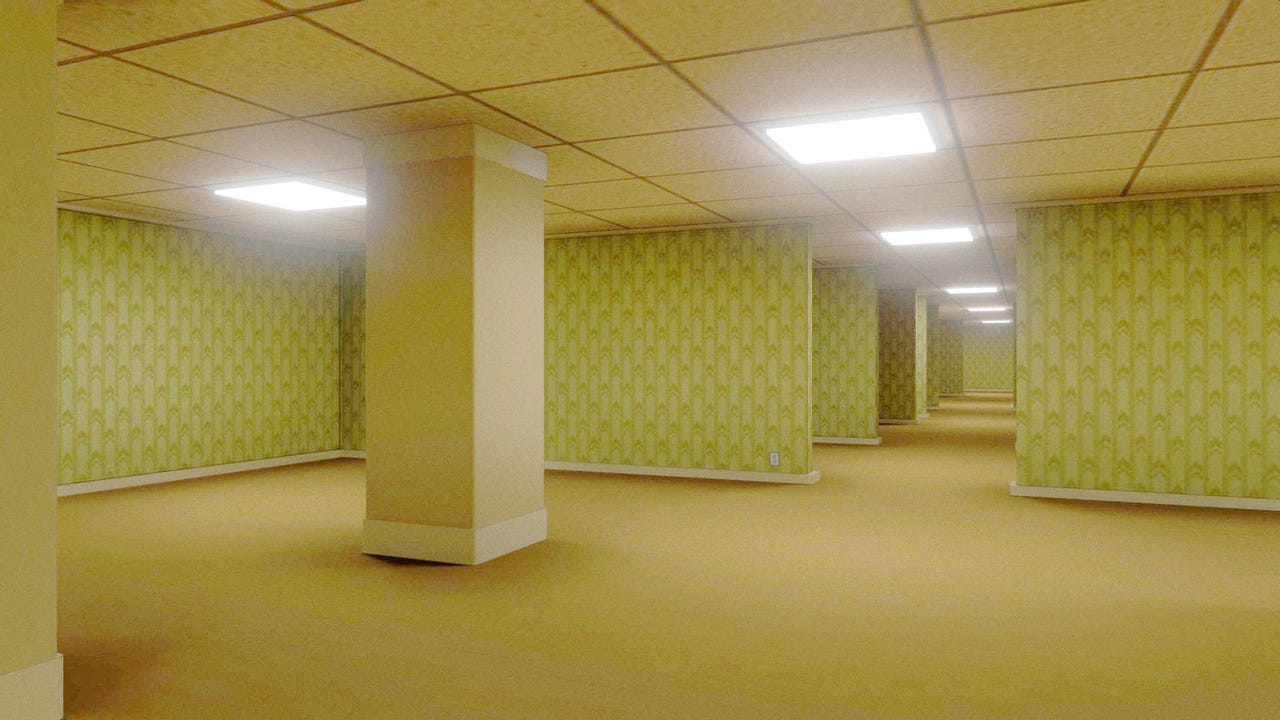
 You’ve felt it before. That low, persistent hum in the back of your skull. It’s the quiet dread that settles in at 3 AM in a deserted airport terminal. It’s the cold echo of your own footsteps in a shopping mall after the last store has shuttered its gates. It’s the sterile glare of fluorescent lights on the empty corridors of a corporate office, a tomb where ambition went to die.
These are the images flooding our digital consciousness—the so-called “liminal spaces.” Aesthetically haunting photographs of places caught between purpose and oblivion. An old arcade glowing under a neon haze, a school hallway flickering into darkness, a laundromat where the machines spin for no one. We are obsessed. Subreddits dedicated to this feeling have exploded, digital galleries where we collect and curate these pictures of our own collective loneliness.
We call it nostalgia. We call it an aesthetic.
Now let’s call it what it really is: the ghost of a future we were promised but will never have. These images are not just pretty, melancholic art. They are crime scene photographs. They are the spectral evidence of a grand theft, and we are the witnesses, staring at the chalk outline of a world that was stolen from us before we were even born.
The Beautiful Lie of "Simpler Times"
The poison is nostalgia. It’s the sweet, cloying sentiment that whispers of a better yesterday. We see an empty school cafeteria, and we don't just see linoleum and steel. We remember the phantom smell of pizza, the roar of adolescent chatter, a time before spreadsheets, before rent, before the crushing weight of a system that demands everything and gives back nothing.
This longing is not an accident. It is a carefully engineered product. Late-stage capitalism, in its infinite genius, has learned to commodify our own disillusionment. It sells us our stolen childhoods back at a premium. It packages our yearning for authenticity into retro sneakers, vintage filters for our photos, and re-released video games that let us escape, for just a moment, into a past that never truly existed.
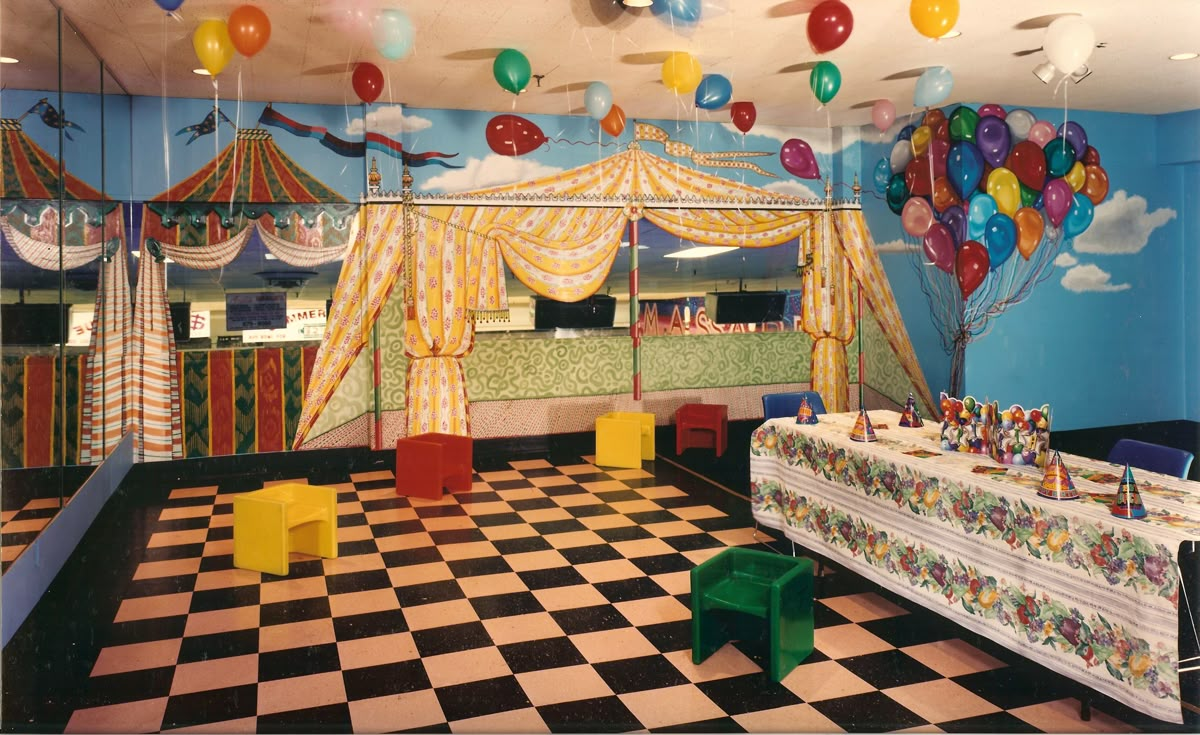 We are told to yearn for a home we never had. A sense of community we’ve only seen in sitcoms. A stability that our parents took for granted but is now a luxury item. And so we scroll through these images of empty spaces, feeling a pang of recognition for a life—a world—that feels more real in its absence than the one we are forced to inhabit every single day.
The Grinding Machine of Perpetual Transit
Let's be clear. These liminal spaces are the physical manifestation of our economic reality. The system is designed to keep you in transit. Forever.
You are not meant to arrive. You are meant to be perpetually becoming, endlessly striving, forever on the verge of something that will never materialize. You are a gig worker, drifting from one temporary contract to the next. You are a renter, shuffling between apartments you will never own. You are a personal brand, constantly curating a digital ghost of yourself for an audience of other ghosts.
Our architecture reflects this. We live and work in hollowed-out shells of utility—identical office parks, featureless suburban sprawls, and chain stores that ensure you can be everywhere and nowhere at the same time. These structures are not built for living; they are built for processing. They are the corridors in a global factory that churns out profit from our precarity.
The escalator that runs on a loop in an empty mall is the most brutally honest metaphor for our lives. We are in constant motion, propelled by an invisible mechanism, but we are not ascending. We are simply being moved. The fluorescent hum is the system’s lullaby, meant to keep us asleep as it picks our pockets.
Staring into the Void
Why now? Why this sudden, explosive fascination with the aesthetics of emptiness? Because the cracks in the facade are no longer possible to ignore. The grand narrative of endless growth, of meritocratic success, of the shining city on a hill—it’s all revealed itself to be a cheap illusion. A billboard glowing over a wasteland.
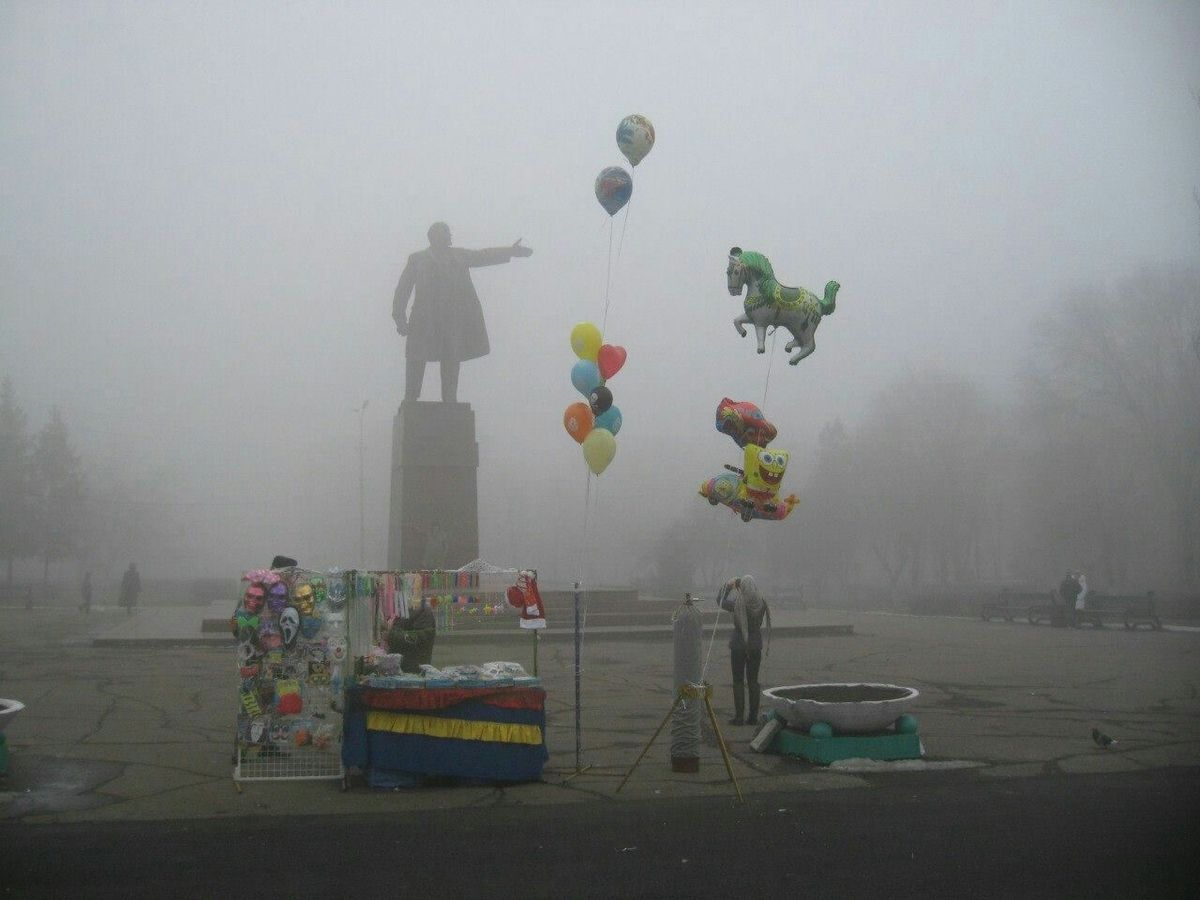 Our society is itself a liminal space. We are caught between the decaying corpse of the 20th-century dream and the terrifying uncertainty of whatever comes next. The machine is still running, the lights are still on, but we’re beginning to suspect that no one is in the cockpit. We are just… waiting. Waiting in the hallway between a past that was a lie and a future that seems impossible.
So we stare at these images. We find a strange, cold comfort in them. They are honest. They don't sell us anything. An empty swimming pool at midnight makes no promises. A fog-shrouded playground isn’t trying to optimize our workflow. These photos validate the gnawing emptiness we feel. They tell us we are not crazy for feeling hollowed out. The world is hollow.
This fascination is an unconscious act of rebellion. It is a collective, silent scream. By finding beauty in these sterile, forgotten places, we are rejecting the glossy, hyper-produced propaganda of hustle culture. We are admitting that the system has failed, leaving behind nothing but these beautiful, lonely ruins.
But here is the final, brutal question: Is this fascination a catalyst for change, or is it just another form of passive consumption? Are we plotting a revolution, or are we just curating the aesthetics of our own apocalypse?
These images are a mirror. They show us a world devoid of people, of purpose, of meaning. They show us the future that late-stage capitalism has built for us.
We are staring into the void. The only question left is whether we will finally have the guts to stare back.
I write to understand the complexities of being human. If you find value in my work, please consider supporting me with a coffee. For a deeper look, I invite you to explore my books.