
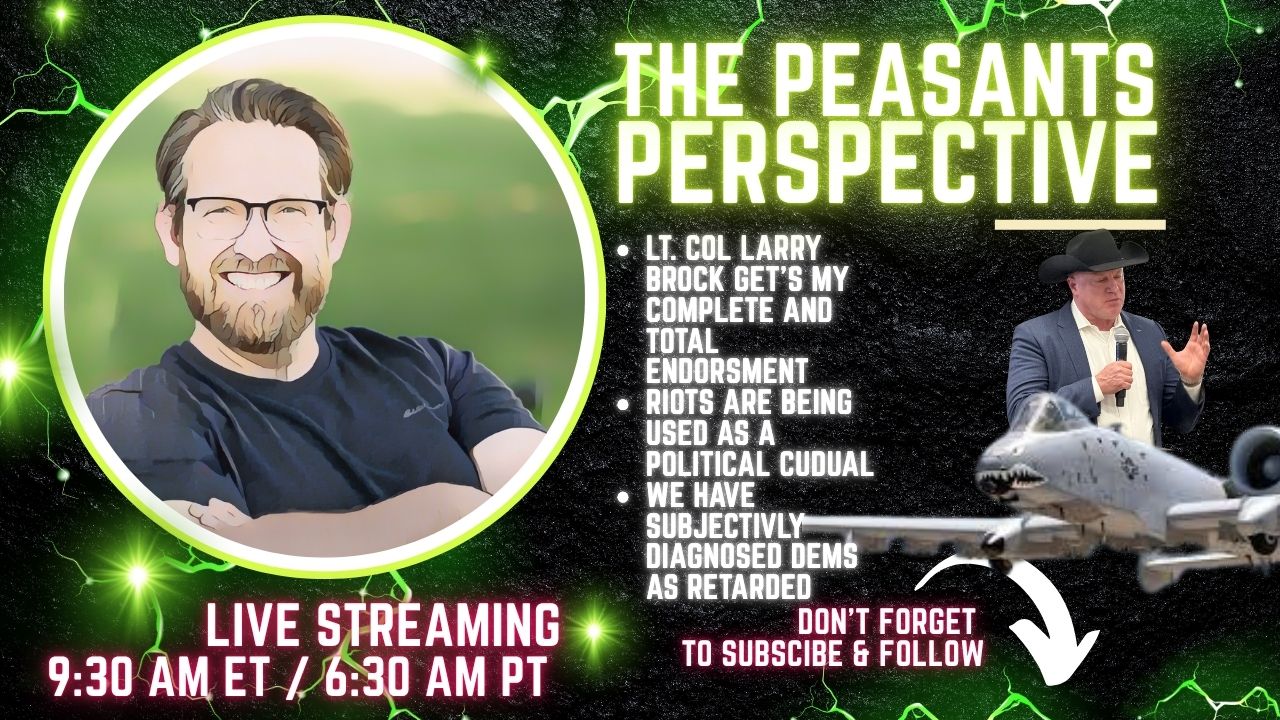
In today's politically charged landscape, ordinary citizens find themselves caught in the crossfire of power struggles that shape our national discourse. As the hosts of The Peasants' Perspective articulated so clearly in their recent episode, "It's the little guys that take the brunt of everything." This sentiment resonates deeply as we witness political theater playing out on national stages while everyday Americans shoulder the consequences.
The immigration debate has emerged as perhaps the most divisive yet politically advantageous battleground for both parties. Recent polling described by CNN analyst Harry Denton reveals a stunning shift in public opinion: Trump's net approval rating on immigration has rocketed upward by over 20 points compared to his first term. More tellingly, 54% of Americans now approve of deportation programs targeting those in the country illegally. This represents a seismic shift in public sentiment that Democrats seem unable or unwilling to acknowledge.
The hosts explore the fundamental tension between collectivism and individualism that underlies much of our current political conflict. They argue that progressive or collectivist mindsets seek change for change's sake, often disrupting functioning systems without clear alternatives. Conservatives, by contrast, aim to preserve structures that demonstrate utility and practical value. This ideological divide manifests in how political factions respond to challenges - with progressives more likely to utilize infiltration tactics and disruption while conservatives typically prefer working within established systems and processes.
The recent riots in Los Angeles surrounding immigration enforcement provide a stark illustration of these dynamics. California State Representative allegations that taxpayer funds - potentially up to $150 million - have been directed to organizations actively involved in organizing protests against law enforcement raise troubling questions about political manipulation. Meanwhile, California Governor Gavin Newsom's confrontational stance toward federal immigration enforcement efforts appears increasingly at odds with public sentiment, even among Hispanic Americans who reportedly support Trump's immigration policies at a 62% approval rate.
Perhaps most disturbing is the disconnect between political leadership and practical expertise. The hosts draw a compelling parallel to the Chernobyl disaster, where politically-appointed officials with no relevant experience made critical decisions about complex systems they didn't understand. This disconnect between political authority and practical knowledge creates dangerous vulnerabilities in governance - whether in nuclear power plants or border security.
The episode concludes with a fascinating examination of psychiatric diagnoses, highlighting how subjective assessments lacking objective biological markers can permanently label individuals. This serves as a powerful metaphor for our political discourse, where subjective interpretments of reality replace objective analysis, and where those in positions of authority apply labels and prescriptions without evidence or expertise.
For everyday Americans - the "peasants" caught in these power struggles - the path forward requires critical thinking and a healthy skepticism toward political narratives from all sides. As demonstrated throughout history and comically portrayed in the Monty Python sketch referenced at the episode's end, power rarely derives from genuine public consent but rather from narratives that justify its exercise.
Immigration, Politics, and the American Divide: A Grassroots Analysis
Jun 10, 2025
Подобається цей допис?