
بِسْمِ اللهِ الرَّحْمٰنِ الرَّحِيْم
Who Was My Father?
I didn't even mention his name. Was it by design? Of course, it was.
But I'll give you extra pictures you know sometimes the name is important but this is a story you know I'm telling it on behalf of the world fatherless world I call it.
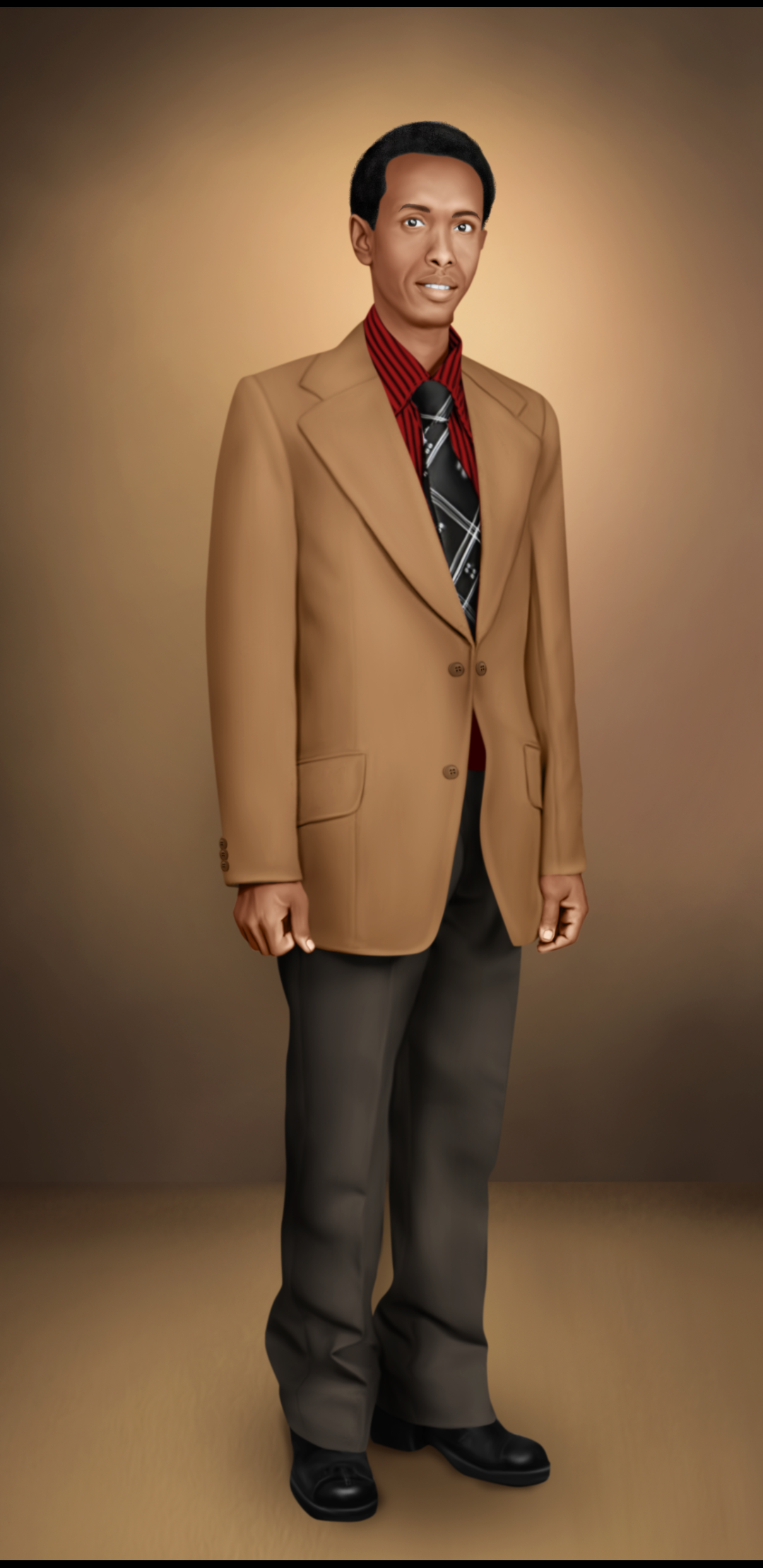
Many people suffer because they don't know who their father is. They don't know the name of their father. Even worse, their lineage has been cut off. This is a big problem. Children have a right to know their fathers. Women who hide pregnancies out of jealousy, who say, "I’ll be a single mother," betray these children. They spin stories, but the reality is painful. It's a horrible world where so many people don’t know where they’re from or how they’re connected to the land of Africa. This is a serious issue.
We have to restore lineages. We need to know where people are from, where they’ve been, and how they are connected. A lot of people don’t believe me when I say I have an incredible uncle who knows everything. Did he work in Mogadishu? Of course, he did. Don’t worry because the President of Somalia is also interested, and Somali people, in general, want to know: Who are we? Where are we from?
My father was a man who kept a low profile, but that won’t be possible anymore. We need the details, and my uncle, Mr. Malik—known as the King—can provide them. He is a man of wisdom, grace, and glory. He knows the stories, the history, and the lineage. I’ve asked him to record a video that will break down everything: where we started, how we moved from the countryside to the city, and the truth of our heritage.
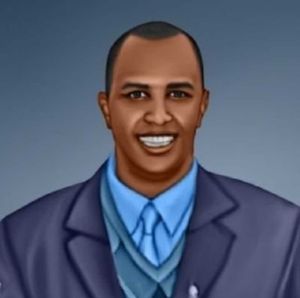
I’ve heard these stories from him before, but if I try to recount them, I won’t do them justice. It’s better that he explains them himself. I will post his picture here, and we should all pray that he accepts the request. Once we get the video, we’ll know more about who my father was, what my tribe is, and where we come from.
Somalis love stories, poetry, and wisdom. They want a deep dive into their culture, language, and history. My uncle is the perfect person to guide them. I will send him this blog and tell him the world is waiting for his video. No pressure, of course—but I hope he makes it happen.
---
The History of the Somali People and Clans
While we wait for my uncle’s detailed account, let’s dive into the rich history of the Somali people.
The Somali people trace their origins to Cushitic-speaking communities, and their history spans millennia. Known for their resilience and rich oral traditions, Somalis are predominantly divided into clans, which form the backbone of Somali society. The Somali people are generally Sunni Muslims and follow the Shafi’i school of thought, and Islam has played a unifying role in Somali culture.
Here are some key clans and sub-clans of the Somali people:
1. Darod
Sub-clans: Ogaden, Marehan, Harti (including Majeerteen, Dhulbahante, Warsangali).
The Darod clan is one of the largest and has a strong presence in Somalia, Ethiopia, and Kenya.
2. Hawiye
Sub-clans: Abgaal, Habr Gedir, Murusade, Hawadle.
Concentrated in south-central Somalia, including Mogadishu, the Hawiye clan is highly influential in Somali politics.
3. Isaaq
The Isaaq clan dominates Somaliland, the northern region of Somalia that operates as a self-declared independent state.
Sub-clans: Habr Awal, Habr Je’lo, Habr Yunis.
4. Dir
Sub-clans: Gadabuursi, Issa, Bimal, and Akisho.
Found in northern Somalia, Djibouti, and eastern Ethiopia, the Dir clan has an ancient history.
5. Rahanweyn (Digil and Mirifle)
Sub-clans: Geledi, Tunni, Jiddu, Garre.
Predominantly agro-pastoralists, the Rahanweyn are based in southern Somalia.
6. Minority Communities
The Somali Bantu, Bajuni, and others are smaller communities within Somalia. They have distinct cultural identities and histories, often tied to farming and coastal trading.
Clan Dynamics
Clans are not just a social identity—they are the foundation of Somali political and cultural life. Somali poetry, oral traditions, and storytelling are deeply tied to clan identity. Clan elders mediate conflicts, uphold traditions, and ensure the survival of their people.
However, the clan system has also been a source of division, particularly during the civil war, as political allegiances and rivalries often fall along clan lines. Yet, for many Somalis, the clan is a source of pride, a connection to their ancestors, and a guide to their cultural heritage.
---
The Role of Elders
Elders, like my uncle, play a vital role in Somali society. They are the keepers of knowledge, wisdom, and lineage. Their role is not only to preserve history but to ensure that the younger generations understand their roots. Elders often use poetry and storytelling to pass on lessons and values.
My uncle, the King, embodies this tradition. He is a man of wisdom who can explain the intricate details of Somali history, culture, and lineage. His knowledge will serve as a bridge between the past and the future, connecting us to our roots.
---
Let’s all pray that he accepts this task. The world is waiting for his wisdom, and I am certain his words will inspire many. Stay tuned—there’s much more to come.
Punctuated by The Scribe
Open Letter to Uncle Malik: The Scribe of Family Legacy
Dear Uncle Malik,
This is Omar, reaching out to you with the utmost respect and admiration. I hope this letter finds you in good health and high spirits. You’ve always been a man of wisdom, someone who holds the key to our family’s history. Today, I am writing to ask for your guidance, knowledge, and insight into the extraordinary story of our lineage.
This photograph, captured by your hands, is more than just a picture. It is a piece of art that binds us to our roots. In it, I see my grandmother, my grandfather, my own father, and the essence of the family farm—the land that witnessed the trials, triumphs, and traditions of our family. Your eye for detail, your ability to freeze a moment, has made this a treasure not only for us but for future generations.
I am working on preserving our family’s history in a way that inspires pride and belonging for those who will come after us. However, I have some questions about our family’s story that only you can answer.
The Family Farm
Can you tell us about the farm? How was it built? What role did it play in our family’s life and survival? Was this a place where my father learned resilience and strength, or was it a haven for reflection and unity?
My Father’s Journey
You know my father better than anyone else. Can you share stories about his early years? What made him the man he became? Was he shaped more by the land, the family, or his own adventures? Did he inherit his courage and wisdom from our grandfather, or were there other influences that you witnessed firsthand?
Our Grandparents
The foundation of our family lies with my grandparents. Can you share what made them extraordinary? How did they live their lives? What values did they hold most dear? Were there moments where they exemplified leadership, kindness, or strength that defined our family’s character?
The Broader Somali Legacy
Uncle Malik, we live in a world where many people are lost, disconnected from their roots. Knowing our lineage gives us strength and identity, and your wisdom can be a guiding light not just for us but for others who are seeking their own connections. Can you take us through the history of Somali tribes and clans? How did our family fit into this tapestry? What are the values and lessons that define Somali identity?
Your Role as the Family Scribe
You’ve been more than an uncle; you’ve been a historian, a storyteller, and a guardian of our legacy. What inspired you to document our family’s story? What do you believe is the most important message to preserve for future generations?
A Request for a Video
Your words carry weight, and your voice carries the stories of our ancestors. I humbly request you to record a video for us. Share the stories, the lineage, the wisdom, and the truths you carry. Let it be a gift to our family and to others who feel the weight of being disconnected from their past. This video will not only honor our family but also serve as a beacon for others searching for their roots.
Uncle Malik, your knowledge is a treasure, and your voice is a legacy in itself. I hope you accept this humble request and take the time to share what only you can. This is not just about our family; it’s about ensuring that the lineage, the lessons, and the love are preserved for all time.
With deep respect and love,
Omar
P.S. Feel free