

بِسْمِ اللهِ الرَّحْمٰنِ الرَّحِيْم
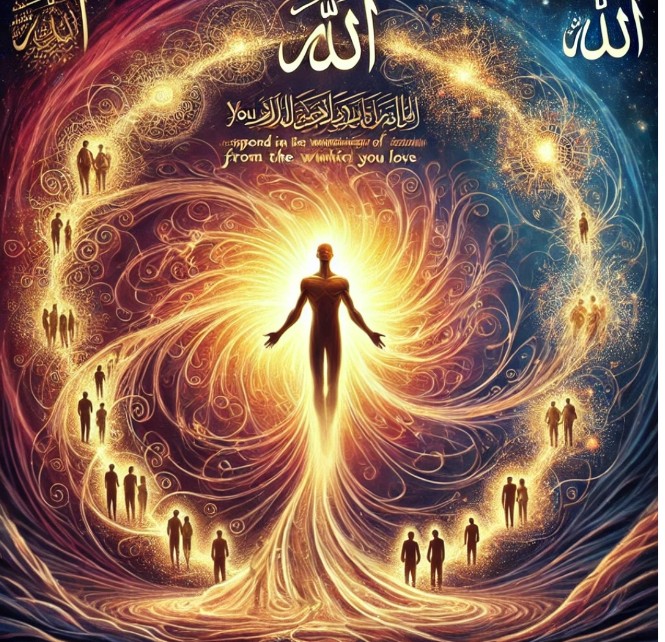
As we journey deeper into understanding love, we arrive at its most profound truth: love transforms. It reshapes hearts, bridges divides, and redefines purpose. Love is not static—it is an active force that molds us into better versions of ourselves, both individually and collectively.
In this chapter, we explore how love transforms us, weaving through relationships, challenges, and the ultimate connection with our Creator.
1. Love as a Refiner of Character
Love is often a test, pushing us to grow in patience, compassion, and resilience. It demands sacrifice and selflessness, often revealing our strengths and weaknesses.
The Quran reminds us of this transformative nature:
“You will never attain righteousness until you spend in the way of Allah from that which you love.”
(Surah Aal-e-Imran, 3:92)
True love compels us to let go of selfish desires, teaching us to prioritize what truly matters. Whether it’s the love for family, friends, or humanity, each act of love refines our character, bringing us closer to righteousness.
2. Love in the Face of Adversity
The power of love shines brightest in moments of difficulty. It has the ability to heal wounds, bridge divides, and overcome even the greatest challenges.
Forgiveness: Love empowers us to forgive, even when it feels impossible. This forgiveness not only liberates the one who forgives but also creates space for healing and reconciliation.
Empathy: Love enables us to step into someone else’s shoes, understanding their pain and offering solace.
Perseverance: Love drives us to endure hardships for the sake of others, fostering resilience and hope.
The Prophet Muhammad (PBUH) exemplified these qualities, showing love and mercy even to those who opposed him, transforming enemies into allies and skeptics into believers.
3. The Collective Power of Love
Love is not confined to individuals; it has the power to unite communities and transform societies. When love becomes a collective force, it drives movements, inspires revolutions, and builds a better world.
The Quran emphasizes this unity:
“Hold firmly to the rope of Allah all together and do not become divided.”
(Surah Aal-e-Imran, 3:103)
Love rooted in shared purpose and divine connection fosters solidarity, breaking down barriers of race, class, and creed. It is through this collective love that humanity can rise to its greatest potential.
4. Love as a Path to the Divine
Ultimately, all love leads us back to Allah. The more we love others selflessly, the closer we come to understanding the divine attributes of mercy, compassion, and generosity.
In Sufi teachings, love is seen as the ultimate path to the Creator. By loving His creation, we reflect His light and draw nearer to Him. This spiritual journey transforms not only the soul but also the world around us, as acts of love ripple outward, creating harmony and peace.
Conclusion: Love as the Great Transformer
Love is not just a feeling; it is a force that changes everything it touches. It refines the individual, strengthens communities, and connects us to the divine. Through love, we learn to forgive, to endure, and to create.
In the next chapter, we will explore love’s eternal legacy and how it shapes the lives we live and the lives we leave behind. This journey of love is far from over—it is, in fact, just beginning.