
What Does It Mean to Be a Leader in Today’s World?
Leadership today is in crisis. The world is filled with individuals chasing fame, power, and influence while neglecting the fundamental principles of integrity, humility, and accountability. True leadership is not about public image or fleeting moments of recognition—it is about responsibility. Whether you are a politician, a parent, a teacher, or even an artist, leadership begins with being true to God and fulfilling the trust placed upon you by others. The Quran reminds us, “Indeed, Allah commands you to render trusts to whom they are due and when you judge between people to judge with justice.” (Surah An-Nisa, 4:58).
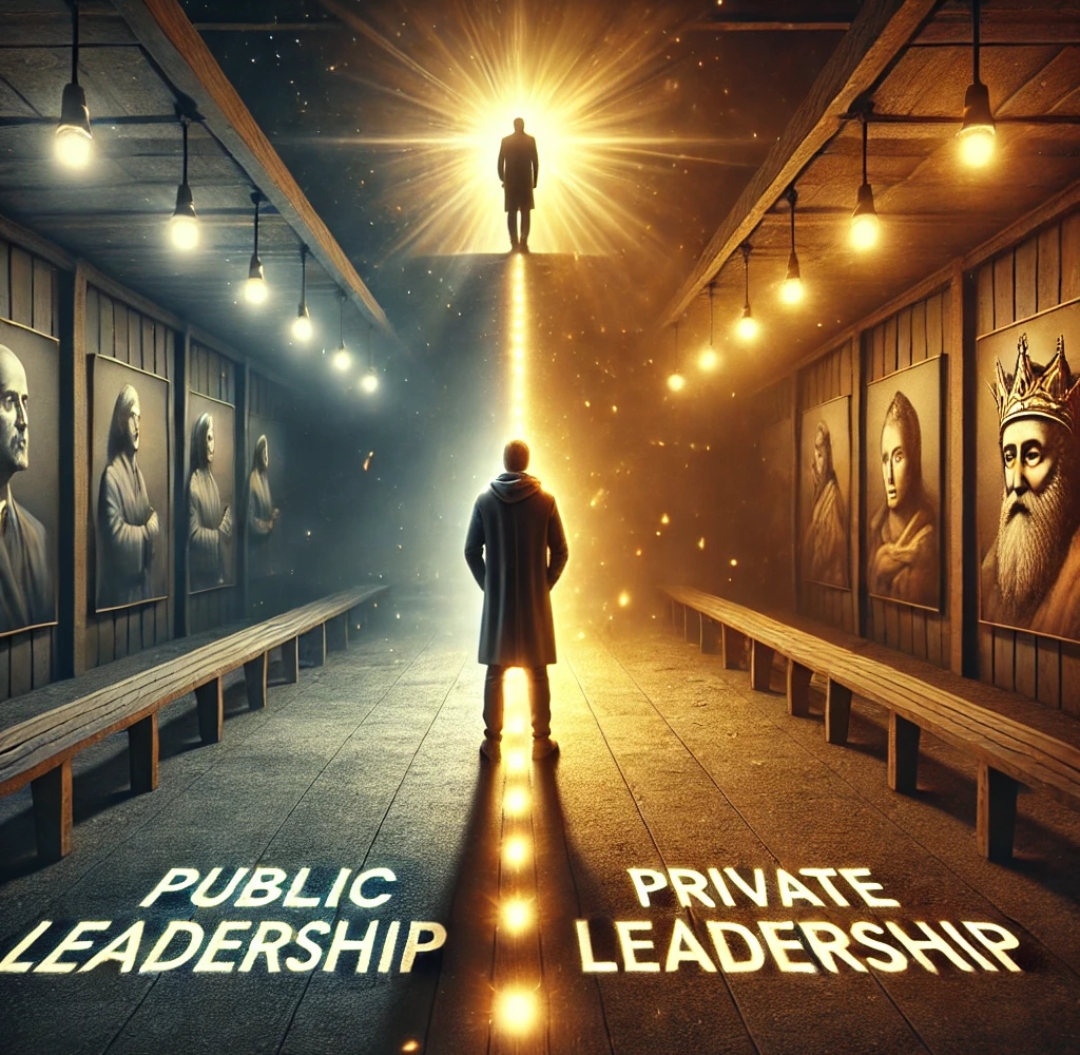
In this series, we will explore the essence of leadership across different roles and responsibilities, diving into what it means to lead with dignity in both public and private life. We will ask the pressing questions: What is leadership? How has society betrayed its values? And how can we rebuild trust in a world that desperately needs moral authority? This journey will challenge us to reflect on the leaders we follow, the responsibilities we bear, and the actions we must take to inspire a better tomorr
ow.
Leadership is the backbone of any functional society, yet today, it seems to have been reduced to spectacle, power, and performance. True leadership has been forgotten, overshadowed by fleeting moments of fame and public approval. The question is: what is real leadership, and how should we define it in a world where hypocrisy thrives and integrity is scarce?
We are not Prophets, and we are not kings. Prophetic leadership—embodied by figures like the Prophet Muhammad (peace be upon him)—was rooted in ultimate truth, humility, and unwavering service to God. Leadership of kings and presidents carries a responsibility of governance and power that not everyone is equipped to bear. But what about the rest of us? If we are not Prophets or presidents, what type of leadership should we aspire to, both in public and private?
Leadership Is Not Equality, It Is Responsibility
Not all roles are equal, and leadership reflects this inequality. A janitor should not lead like a president, just as a president should not act like a comedian. Society is built on roles, and each role carries specific responsibilities. The Prophet Muhammad (peace be upon him) said, “Each of you is a shepherd, and each of you is responsible for his flock” (Sahih Bukhari). Leadership is about fulfilling the trust placed upon us within our unique role—whether that role is within our family, workplace, or community.
This does not mean one role is inherently more important than another. Rather, it means that each role requires different types of leadership. A parent leads with care and discipline, a teacher leads with wisdom, and a politician leads with justice. What unites all forms of leadership is the core principle of being true to God first and foremost.
Leadership Is Being True to God
Leadership is not about pleasing humanity; it is about pleasing the Creator. True leaders understand that they are accountable to God above all else. The Quran says, “Indeed, Allah commands you to render trusts to whom they are due and when you judge between people to judge with justice.” (Surah An-Nisa, 4:58). Leadership demands consistency between what is done in private and what is shown in public. It calls for humility before God, even if it requires humiliation before people.
Many fail this test. They present one face in public—a face of piety, honesty, or strength—but reveal a completely different face in private. Hypocrisy destroys leadership because it shows a lack of respect for God. A true leader fears God more than public opinion and understands that their private actions are seen by the Owner of the universe.
The Prophet Muhammad (peace be upon him) is the ultimate example of leadership. Despite being chosen by God, he embodied humility. He mended his own clothes, served his companions, and wept in prayer for his community. His leadership reached its zenith when he submitted completely to God, reaching the heights of humility. As the Prophet said, “Whoever humbles himself for the sake of Allah, Allah will raise him in status.” (Sahih Muslim).
The Crisis of Leadership Today
When we look at the world today, we see a crisis of leadership. Leaders no longer lead with integrity, humility, or responsibility. Politicians exploit power, celebrities chase fame, and even religious leaders fail to practice what they preach. There is a complete disconnect between public image and private character. The Prophet Muhammad (peace be upon him) warned against such hypocrisy, saying, “The worst of people in the sight of Allah on the Day of Judgment are those who are two-faced.” (Sahih Bukhari).
True leadership requires aligning your public and private selves, being consistent in your principles, and remaining accountable to God. It is not about perfection—no one is free of flaws—but it is about striving to do what is right, even when it is difficult or humiliating.
What Kind of Leadership Should We Aspire To?
If we are not Prophets or presidents, what type of leadership should we embody? We should aspire to leadership that is grounded in humility, responsibility, and sincerity.
1. In Public Life:
If you have reach—whether as a politician, a celebrity, or an influencer—you bear a greater responsibility to act with integrity. People look to you as a role model, and your actions set an example for millions. The greater your reach, the greater your accountability. As the Quran reminds us, “Do not let the hatred of a people prevent you from being just.” (Surah Al-Ma'idah, 5:8).
2. In Private Life:
For those without public reach, leadership begins at home and within your community. Whether you are a parent, a friend, or a neighbor, your role as a leader is to inspire, support, and guide those around you. Even small acts of kindness and justice are acts of leadership when done with sincerity.
The Importance of Humility and Accountability
Leadership is not about being flawless; it is about being honest. A good leader admits their mistakes, learns from them, and remains accountable. As humans, we mix good and evil in our actions, but a true leader strives to minimize their flaws and maximize their virtues.
It is also crucial to remember that fame and power do not define leadership. If you do not wish to bear the burdens of leadership, you can protect yourself by avoiding unnecessary reach. As I have done, you can suspend public platforms, limit your exposure, and focus on self-improvement. But for those who choose to lead, there is no excuse for hypocrisy or negligence.
Conclusion: Leadership Is a Trust
Leadership, at its core, is a trust from God. Whether you are leading a nation or a family, your actions must reflect honesty, humility, and a deep respect for the trust you have been given. As the Prophet Muhammad (peace be upon him) said, “When a man dies, his deeds come to an end except for three: ongoing charity, beneficial knowledge, or a righteous child who prays for him.” (Sahih Muslim). Leadership is your legacy—what you leave behind for the world to remember.
In the next part of this series, we will explore the two faces of leadership: reach and responsibility. How can leaders balance influence with accountability, and what happens when they fail? Stay tuned for the answers to these questions and more as we con
tinue this journey into the heart of leadership.