

بِسْمِ اللهِ الرَّحْمٰنِ الرَّحِيْم
Verses 142-150 of Surah Al-Baqarah: The Prophet Muhammad's Exemplary Conduct and the Change of Qiblah
Arabic Text and English Translation:
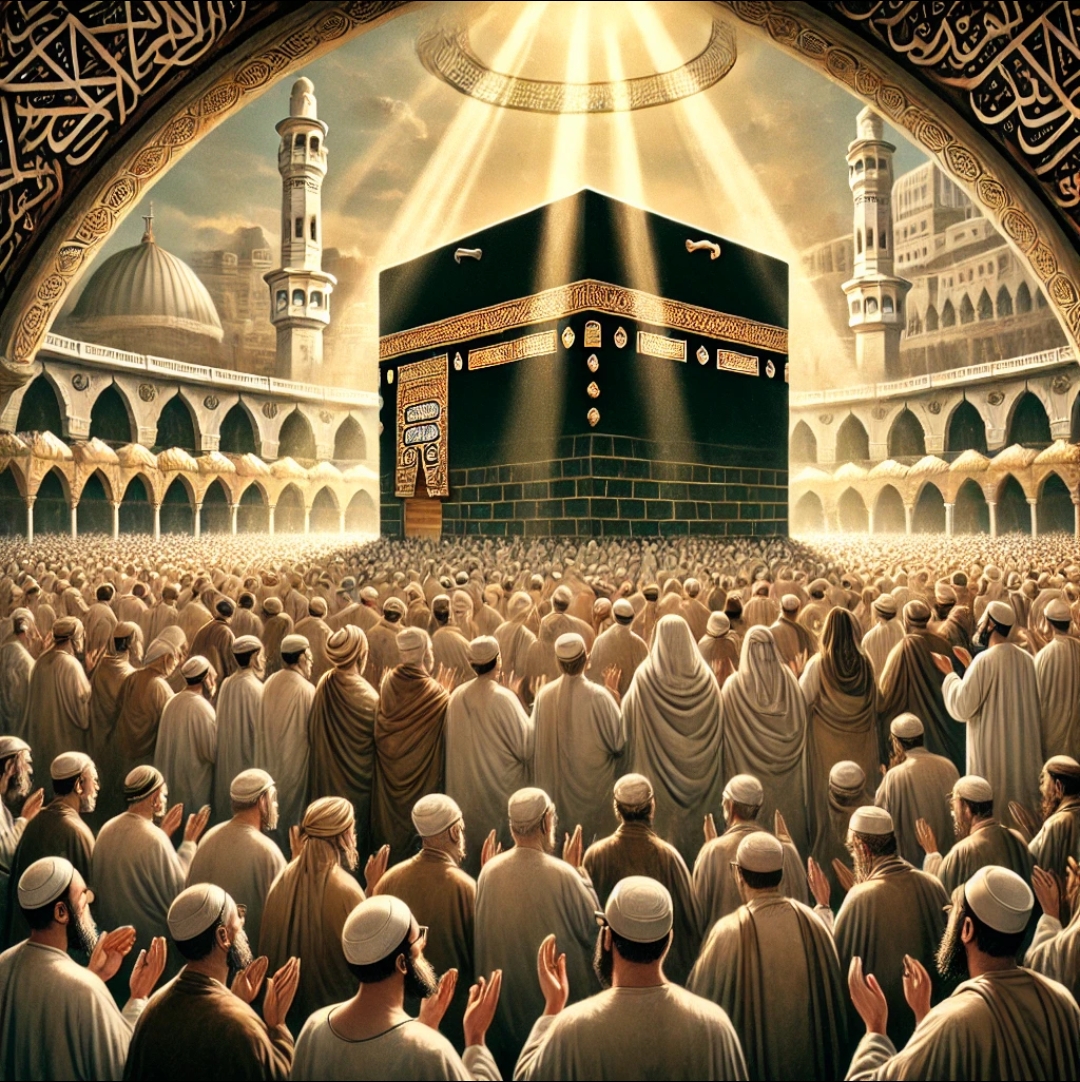
**Surah Al-Baqarah (2:142-150)**
*Verse 142:*
سَيَقُولُ السُّفَهَاءُ مِنَ النَّاسِ مَا وَلَّاهُمْ عَنْ قِبْلَتِهِمُ الَّتِي كَانُوا عَلَيْهَا ۚ قُل لِّلَّهِ الْمَشْرِقُ وَالْمَغْرِبُ ۚ يَهْدِي مَن يَشَاءُ إِلَىٰ صِرَاطٍ مُّسْتَقِيمٍ
*"The foolish among the people will say, 'What has turned them away from their qiblah, which they used to face?' Say, 'To Allah belongs the east and the west. He guides whom He wills to a straight path.'"*
*Verse 143:*
وَكَذَٰلِكَ جَعَلْنَاكُمْ أُمَّةً وَسَطًا لِّتَكُونُوا شُهَدَاءَ عَلَى النَّاسِ وَيَكُونَ الرَّسُولُ عَلَيْكُمْ شَهِيدًا ۗ وَمَا جَعَلْنَا الْقِبْلَةَ الَّتِي كُنتَ عَلَيْهَا إِلَّا لِنَعْلَمَ مَن يَتَّبِعُ الرَّسُولَ مِمَّن يَنقَلِبُ عَلَىٰ عَقِبَيْهِ ۚ وَإِن كَانَتْ لَكَبِيرَةً إِلَّا عَلَى الَّذِينَ هَدَى اللَّهُ ۗ وَمَا كَانَ اللَّهُ لِيُضِيعَ إِيمَانَكُمْ ۚ إِنَّ اللَّهَ بِالنَّاسِ لَرَءُوفٌ رَّحِيمٌ
*"And thus We have made you a just community that you will be witnesses over the people and the Messenger will be a witness over you. And We did not make the qiblah which you used to face except that We might make evident who would follow the Messenger from who would turn back on his heels. And indeed, it is difficult except for those whom Allah has guided. And never would Allah have caused you to lose your faith. Indeed, Allah is, to the people, Kind and Merciful."*
*Verse 144:*
قَدْ نَرَىٰ تَقَلُّبَ وَجْهِكَ فِي السَّمَاءِ ۖ فَلَنُوَلِّيَنَّكَ قِبْلَةً تَرْضَاهَا ۚ فَوَلِّ وَجْهَكَ شَطْرَ الْمَسْجِدِ الْحَرَامِ ۚ وَحَيْثُ مَا كُنتُمْ فَوَلُّوا وُجُوهَكُمْ شَطْرَهُ ۗ وَإِنَّ الَّذِينَ أُوتُوا الْكِتَابَ لَيَعْلَمُونَ أَنَّهُ الْحَقُّ مِن رَّبِّهِمْ ۗ وَمَا اللَّهُ بِغَافِلٍ عَمَّا يَعْمَلُونَ
*"We have certainly seen the turning of your face, [O Muhammad], toward the heaven, and We will surely turn you to a qiblah with which you will be pleased. So turn your face toward al-Masjid al-Haram. And wherever you [believers] are, turn your faces toward it. Indeed, those who have been given the Scripture well know that it is the truth from their Lord. And Allah is not unaware of what they do."*
*Verse 145:*
وَلَئِنْ أَتَيْتَ الَّذِينَ أُوتُوا الْكِتَابَ بِكُلِّ آيَةٍ مَّا تَبِعُوا قِبْلَتَكَ ۚ وَمَا أَنتَ بِتَابِعٍ قِبْلَتَهُمْ ۚ وَمَا بَعْضُهُم بِتَابِعٍ قِبْلَةَ بَعْضٍ ۗ وَلَئِنِ اتَّبَعْتَ أَهْوَاءَهُم مِّن بَعْدِ مَا جَاءَكَ مِنَ الْعِلْمِ إِنَّكَ إِذًا لَّمِنَ الظَّالِمِينَ
*"And if you brought to those who were given the Scripture every sign, they would not follow your qiblah. Nor will you be a follower of their qiblah. Nor would they be followers of one another's qiblah. So if you were to follow their desires after what has come to you of knowledge, indeed, you would then be among the wrongdoers."*
*Verse 146:*
الَّذِينَ آتَيْنَاهُمُ الْكِتَابَ يَعْرِفُونَهُ كَمَا يَعْرِفُونَ أَبْنَاءَهُمْ ۖ وَإِنَّ فَرِيقًا مِّنْهُمْ لَيَكْتُمُونَ الْحَقَّ وَهُمْ يَعْلَمُونَ
*"Those to whom We gave the Scripture know him as they know their own sons. But indeed, a party of them conceal the truth while they know [it]."*
*Verse 147:*
الْحَقُّ مِن رَّبِّكَ فَلَا تَكُونَنَّ مِنَ الْمُمْتَرِينَ
*"The truth is from your Lord, so never be among the doubters."*
*Verse 148:*
**وَلِكُلٍّ وِجْهَةٌ هُوَ مُوَلِّيهَا ۖ فَ
Verses 148-150: The Universality of the Qiblah and the Unity of the Ummah
📖 وَلِكُلٍّ وِجْهَةٌ هُوَ مُوَلِّيهَا ۖ فَٱسْتَبِقُوا۟ ٱلْخَيْرَٰتِ ۚ أَيْنَ مَا تَكُونُوا۟ يَأْتِ بِكُمُ ٱللَّهُ جَمِيعًا ۚ إِنَّ ٱللَّهَ عَلَىٰ كُلِّ شَىْءٍۢ قَدِيرٌۭ ١٤٨
📖 148. For each community there is a direction towards which it turns. So compete with one another in good deeds. Wherever you may be, Allah will bring you all together. Indeed, Allah is Most Capable of everything.
📖 وَمِنْ حَيْثُ خَرَجْتَ فَوَلِّ وَجْهَكَ شَطْرَ ٱلْمَسْجِدِ ٱلْحَرَامِ ۖ وَإِنَّهُۥ لَلْحَقُّ مِن رَّبِّكَ ۗ وَمَا ٱللَّهُ بِغَٰفِلٍ عَمَّا تَعْمَلُونَ ١٤٩
📖 149. And from wherever you come, turn your face toward al-Masjid al-Haram. Indeed, it is the truth from your Lord. And Allah is not unaware of what you do.
📖 وَمِنْ حَيْثُ خَرَجْتَ فَوَلِّ وَجْهَكَ شَطْرَ ٱلْمَسْجِدِ ٱلْحَرَامِ ۚ وَحَيْثُ مَا كُنتُمْ فَوَلُّوا۟ وُجُوهَكُمْ شَطْرَهُۥ لِئَلَّا يَكُونَ لِلنَّاسِ عَلَيْكُمْ حُجَّةٌ إِلَّا ٱلَّذِينَ ظَلَمُوا۟ مِنْهُمْ فَلَا تَخْشَوْهُمْ وَٱخْشَوْنِ وَلِأُتِمَّ نِعْمَتِى عَلَيْكُمْ وَلَعَلَّكُمْ تَهْتَدُونَ ١٥٠
📖 150. And from wherever you come, turn your face toward al-Masjid al-Haram. And wherever you [believers] may be, turn your faces toward it so that the people will have no argument against you, except for those who commit wrong among them. So do not fear them, but fear Me, so that I may complete My favor upon you and so that you may be guided.
---
🔍 Deep Analysis: The Prophet's Silent Wish and Allah’s Response
One of the most beautiful aspects of this passage is the way Allah responds to the unspoken wish of the Prophet Muhammad (PBUH).
1️⃣ The Prophet’s Perfect Manners – He Does Not Ask, But Allah Knows
🔹 The Prophet longed to face the Kaaba, the house built by his ancestor Ibrahim (PBUH), but he did not ask Allah directly.
🔹 Instead, he turned his face toward the heavens, silently hoping for revelation.
🔹 Allah acknowledges this subtle gesture in 2:144:
📖 "We have certainly seen the turning of your face toward the heaven, and We will surely turn you to a qiblah with which you will be pleased."
This shows the perfection of his character—he does not demand, he waits in patience and trust.
📜 Hadith:
"The best of people are those who trust in Allah." (Tirmidhi)
2️⃣ The Change of Qiblah Was a Divine Test
🔹 Why did Allah command the Muslims to face Jerusalem first?
🔹 This was a test of obedience, separating the true believers from those who only followed Islam superficially.
🔹 When the Qiblah was changed to the Kaaba, the hypocrites and disbelievers objected.
📖 "The foolish among the people will say, 'What has turned them away from their qiblah, which they used to face?'" (2:142)
3️⃣ The Qiblah Change Established the Muslim Ummah’s Unique Identity
🔹 The Jews in Medina claimed that true religion must be tied to Jerusalem, as it was the center of their faith.
🔹 The Christians argued that their own direction of prayer was superior.
🔹 By directing Muslims toward Mecca, Allah:
Established Islam’s independence from previous religious traditions.
Reaffirmed Prophet Ibrahim’s legacy as the father of monotheism.
Created a spiritual center for all Muslims—unifying the Ummah under one direction.
📖 "We have made you a just and balanced community that you may be witnesses over the people." (2:143)
4️⃣ The Kaaba: More Than Just a Direction of Prayer
🔹 The Kaaba was not chosen randomly—it was the first house of worship established for mankind (3:96).
🔹 It was built by Prophet Ibrahim and Ismail (PBUH) in pure devotion to Tawhid (the Oneness of Allah).
🔹 The Qiblah is not about geography—it is about obedience to Allah’s command.
📜 Prophet Muhammad (PBUH) said:
"The Kaaba is the most sacred place on Earth. Facing it in prayer connects every believer to the same house that was raised by Ibrahim for the worship of Allah." (Muslim)
---
📌 Key Lessons from These Verses
✅ 1. The Prophet’s Perfection in Manners
He did not ask for what he wanted, but trusted that Allah knew his heart.
His patience and humility show the true qualities of a leader.
✅ 2. The Change of Qiblah Was a Test of True Faith
Some people followed Islam because they thought it was close to Judaism.
When the Qiblah changed, they left—proving they were not true believers.
True faith means following Allah’s command, no matter what people say.
✅ 3. Islam Is Not Dependent on Any Other Religion
The Jews and Christians claimed they had the right Qiblah—but Allah decides where worship should be directed.
Islam is not a copy of previous religions—it is the final, complete truth.
✅ 4. The Kaaba Is the Spiritual Center for All Muslims
It was built by Ibrahim as a symbol of pure monotheism.
Facing the Kaaba unites the entire Ummah—no matter where they are in the world.
✅ 5. Fear No One But Allah
📖 "So do not fear them, but fear Me, so that I may complete My favor upon you and so that you may be guided." (2:150)
Many objected to the Qiblah change, but Allah tells the believers to stay firm.
Guidance comes from obeying Allah—not seeking approval from others.
---
📖 Conclusion: The Prophet’s Silent Wish, Allah’s Loving Response
🔹 The Prophet Muhammad (PBUH) wanted to face Mecca, but never asked—showing his trust in Allah.
🔹 Allah saw his heart and granted his wish, even before he spoke it.
🔹 This teaches us that true faith means trusting Allah without demands—because He knows what is best for us.
The change of the Qiblah (direction of prayer) from Jerusalem to Mecca is a pivotal event in Islamic history, reflecting the deep connection between the Prophet Muhammad (peace be upon him) and his followers to the Ka'bah, the sacred house built by Prophets Ibrahim and Ismail (peace be upon them). This transformation not only established a unique identity for the Muslim Ummah but also demonstrated the Prophet's profound patience and unwavering trust in Allah's wisdom.
Background: The Initial Qiblah Towards Jerusalem
In the early years of Islam, both in Mecca and after the migration to Medina, Muslims were instructed to face Bayt al-Maqdis (Jerusalem) during their prayers. This direction aligned with the practices of the People of the Book (Jews and Christians) and served as a unifying factor. However, the Prophet Muhammad (peace be upon him) harbored a deep-seated desire to face the Ka'bah in Mecca, the first house established for the worship of Allah. Out of his exemplary manners and submission, he did not voice this wish but often looked towards the sky, awaiting divine guidance.
The Revelation and Immediate Implementation
Approximately 16 to 17 months after the Hijrah (migration to Medina), during the month of Sha'ban, Allah revealed the verse that granted the Prophet's unspoken wish:
"We have certainly seen the turning of your face toward the heaven, and We will surely turn you to a Qiblah with which you will be pleased. So turn your face toward al-Masjid al-Haram. And wherever you [believers] are, turn your faces toward it."
This command was revealed during a congregational prayer, and the companions (Sahabah) immediately complied by adjusting their direction to face the Ka'bah. This mosque, where the incident occurred, is now known as Masjid al-Qiblatayn (the Mosque of the Two Qiblahs).
The Prophet's Exemplary Conduct
The Prophet's behavior during this period exemplifies his perfect manners and deep trust in Allah:
Patience and Restraint: Despite his longing to face the Ka'bah, he refrained from expressing this desire, demonstrating complete submission to Allah's will.
Trust in Divine Wisdom: He awaited Allah's command without complaint, trusting that any directive from Allah is for the best.
Immediate Obedience: Upon receiving the revelation, he and his companions promptly complied, reflecting their unwavering commitment to follow divine instructions.
Significance of the Qiblah Change
The shift in the Qiblah holds profound implications:
Establishing a Distinct Identity: It distinguished the Muslim community from other religious groups, reinforcing their unique identity.
Connection to Prophet Ibrahim: By facing the Ka'bah, Muslims reaffirmed their spiritual lineage to Prophet Ibrahim (peace be upon him), emphasizing monotheism.
Test of Faith: The change served as a trial to identify those who would follow the Prophet without hesitation, strengthening the unity and faith of the community.
Lessons for New Muslims
For those new to Islam, this event offers valuable insights:
Submission to Allah's Will: True faith involves accepting and implementing Allah's commands, even if they differ from previous practices or personal preferences.
Unity in Worship: Facing a single direction in prayer symbolizes the unity and cohesion of the Muslim Ummah.
Emulating the Prophet's Conduct: The Prophet's patience, humility, and obedience serve as a model for all Muslims to emulate in their spiritual journey.
Understanding the context and significance of the Qiblah change deepens one's appreciation for Islamic rituals and the profound wisdom underlying them.
For a visual explanation of this event, you might find the following video insightful: