

بِسْمِ اللهِ الرَّحْمٰنِ الرَّحِيْم
The Weight of Words: Understanding Oaths in Islam
Introduction
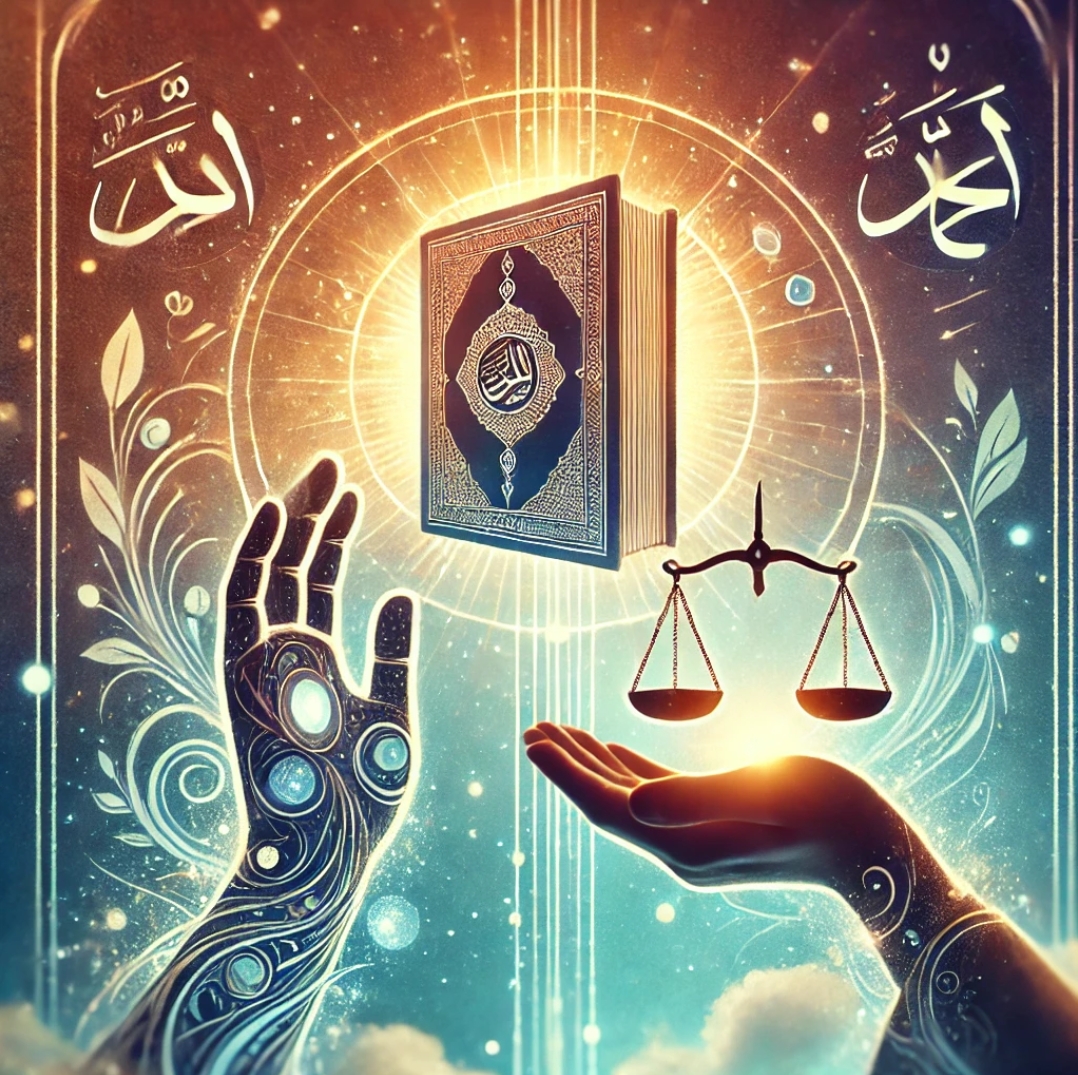
Words carry immense power. In Islam, making an oath (yamin) is not just a casual statement—it is a solemn declaration invoking Allah’s name, signifying commitment, truthfulness, and responsibility. Breaking an oath has consequences, and fulfilling one is a sign of integrity.
For new Muslims, understanding the importance of oaths is essential. This article explores the Quranic verses, Hadith, and the practical application of oaths in the modern world, including how expiation (kaffarah) can be applied today.
---
1. The Concept of Oaths in Islam
An oath in Islam is a sworn statement or promise, made in the name of Allah, regarding a past, present, or future action. The seriousness of this act is highlighted in the Quran:
> "And fulfill the covenant; indeed, the covenant will be inquired about."
(Surah Al-Isra 17:34)
Oaths are binding and reflect a Muslim’s honesty and commitment. However, Islam also provides guidance on what happens when an oath is broken and how to atone for it.
---
2. Categories of Oaths in Islam
Islamic scholars classify oaths into three main types:
a. Yamin Laghw (Unintentional Oath)
These are casual expressions or habitual phrases, like saying, “By Allah, this is delicious,” without intending to make a formal commitment. Such oaths do not require expiation.
b. Yamin Mun’aqidah (Deliberate Oath)
A conscious, intentional oath to do or abstain from something in the future. If broken, it requires expiation (kaffarah).
c. Yamin Ghamus (False Oath)
A knowingly false oath regarding a past event, taken to deceive others. This is a major sin with severe consequences.
The Prophet Muhammad (peace be upon him) warned against false oaths:
> "Among the major sins are to ascribe partners with Allah, to disobey parents, to murder someone, and to take a false oath intentionally."
(Sahih al-Bukhari)
A false oath requires sincere repentance, as there is no specific expiation for it except seeking Allah’s forgiveness.
---
3. Expiation (Kaffarah) for Breaking an Oath
If a person breaks a deliberate oath (Yamin Mun’aqidah), Islam provides three possible ways to atone for it:
1. Feeding ten needy people with meals equivalent to what one would eat at home.
2. Clothing ten needy people with appropriate garments.
3. Freeing a slave (historically, this was an option to encourage ending slavery).
If none of these are possible, then the individual must fast for three consecutive days.
The Quran explains:
> "Allah will not take you to task for what is meaningless in your oaths, but He will take you to task for the oaths you bind yourselves to. The atonement for breaking an oath is to feed ten needy people from the food you would normally give your own family, or to clothe them, or to free a slave. But if one cannot find the means, then he must fast for three days. This is the atonement for breaking your oaths—so be mindful of your oaths."
(Surah Al-Ma’idah 5:89)
---
4. The Modern Application of Expiation
While freeing slaves is no longer applicable, the concept behind expiation remains relevant. Modern forms of fulfilling kaffarah include:
Helping those in debt: Paying off loans, medical bills, or financial burdens.
Supporting charitable causes: Sponsoring food drives, clothing initiatives, or shelters.
Providing education and vocational training: Empowering people with the means to sustain themselves.
The goal of expiation is to benefit society and assist those in need, aligning with the spirit of Islamic teachings.
---
5. The Importance of Keeping One’s Word
Islam teaches that a Muslim’s word is their bond. The Prophet (peace be upon him) emphasized this:
> "By Allah, if I take an oath to do something and later find something else better, I do that which is better and make expiation for my oath."
(Sahih al-Bukhari)
This Hadith shows that if fulfilling an oath leads to harm or is less beneficial, one should break it and expiate rather than stubbornly stick to it.
---
6. Oaths in Legal Matters: Inheritance and Witness Testimonies
The Quran also speaks about the role of oaths in legal matters, particularly in:
a. Inheritance and Wills
Before death, a person’s will must be documented, and reliable witnesses should be appointed:
> "You who believe, when death approaches any of you, let two just men from among you act as witnesses to the making of a bequest, or two men from another people if you are traveling when death approaches."
(Surah Al-Ma’idah 5:106)
In today’s world, video documentation and written wills serve as modern equivalents to prevent disputes.
b. Oaths in Legal Disputes
The Quran also addresses false testimony:
> "If it is discovered that these witnesses were dishonest, two others should take their place, swearing by Allah that their testimony is truer."
(Surah Al-Ma’idah 5:107)
Being truthful in legal matters is an obligation, and false testimony is one of the gravest sins.
---
7. The Danger of Making Oaths Lightly
Many people swear by Allah in casual conversations without understanding the consequences. The Prophet (peace be upon him) discouraged unnecessary swearing, warning:
> "Do not swear by Allah unless you are truthful."
(Sunan Abu Dawood)
One should only swear by Allah when necessary and always with sincerity.
---
8. What Should New Muslims Take from This?
📌 1. Think before making an oath. Your word has weight in Islam.
📌 2. If you break an oath, fulfill the expiation. Feeding the needy, helping someone in debt, or fasting are ways to compensate.
📌 3. Avoid false oaths. Lying under oath is a major sin and must be repented for sincerely.
📌 4. Be mindful of legal oaths. Whether it’s a contract, will, or testimony, honesty is essential.
📌 5. Understand the modern applications. Instead of freeing a slave, help someone struggling with debt or life hardships.
---
Conclusion: Upholding Integrity Through Oaths
Oaths in Islam are not just words—they are commitments that reflect a Muslim’s integrity and trustworthiness. Understanding their weight, fulfilling them with sincerity, and making amends when necessary ensures that one remains true to Islamic principles.
If you find yourself in a situation where you need to break an oath, do so responsibly and make the appropriate expiation. Always remember: a Muslim’s honor is in their honesty.
May Allah grant us wisdom in our words and sincerity in our commitments. Ameen. 🤲