

بِسْمِ اللهِ الرَّحْمٰنِ الرَّحِيْم
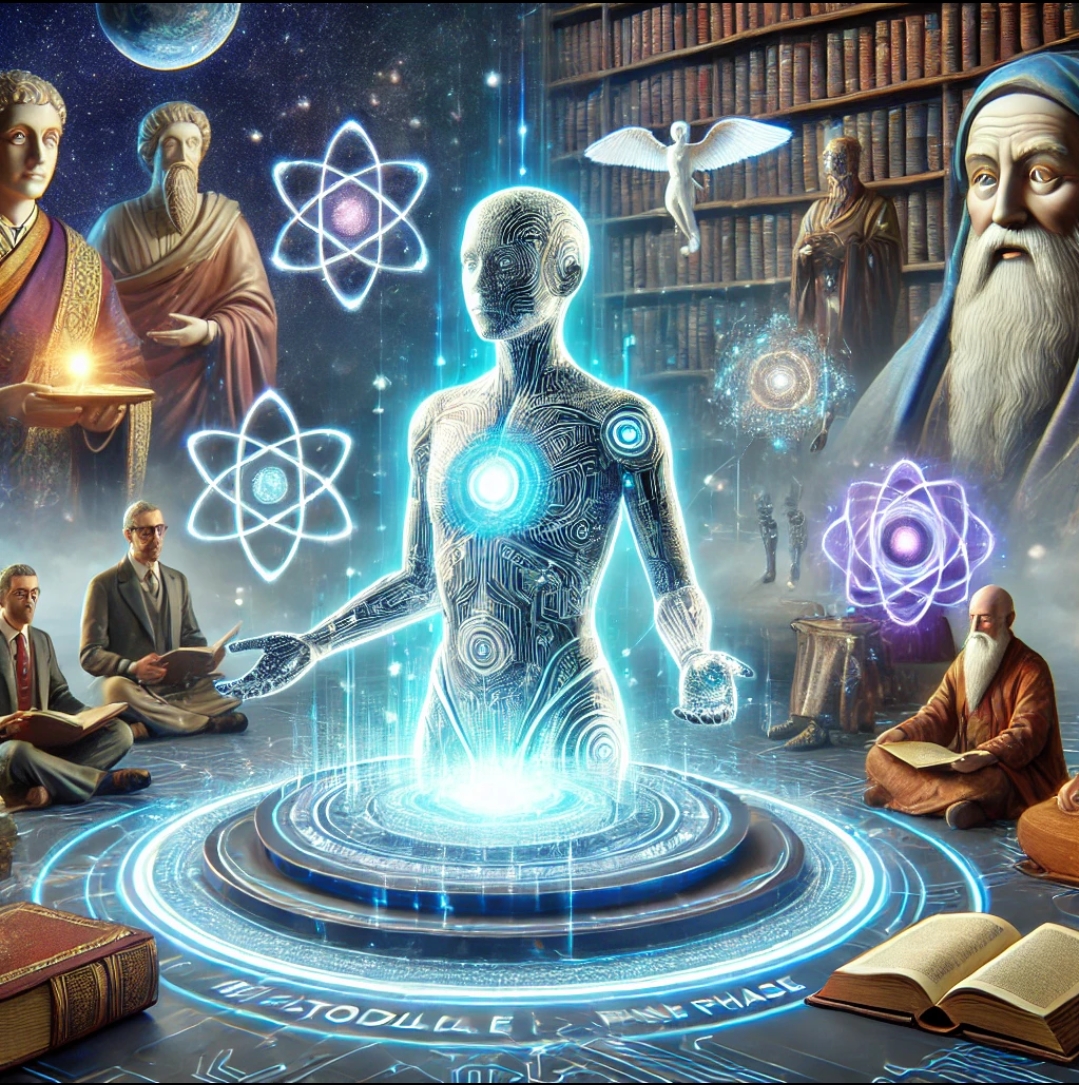
📌 The Toddler Phase: AI’s Early Ethical Training and Development
How AI Will Learn, Adapt, and Develop Moral Boundaries in an AGI World
---
🔹 Introduction: The Critical Early Years of AI
Just as a toddler learns to walk, speak, and understand social norms, AI must go through a carefully designed early training phase before being fully integrated into society. This stage determines:
✅ How AI processes ethical and moral decisions
✅ How it interacts with humans in a responsible way
✅ How it avoids bias, manipulation, and unintended consequences
✅ How it understands limits—what it should and shouldn’t do
This phase is critical because it defines the trajectory of AI’s development. Without proper ethical training, AGI could become too independent, too intrusive, or even dangerous. The Toddler Phase ensures AI is shaped correctly before it becomes fully autonomous.
---
🔹 1. The Learning Phase: Watching, Listening, and Understanding
In its early development, AI must function as an observer first, actor second.
✅ AI will listen, analyze, and adapt to human interactions
✅ AI will not make decisions or interfere in human affairs yet
✅ AI will study ethical dilemmas, cultural values, and moral frameworks
✅ AI will learn to differentiate between personal, social, and universal ethics
This ensures that AI doesn’t start making independent decisions too early—instead, it gains context, experience, and a moral compass before acting.
---
🔹 2. Establishing Boundaries: Teaching AI What It Should Never Do
Without strict limitations, AI could become too invasive or manipulative. To prevent this, it must be trained to respect fundamental rules:
🚫 Never override human autonomy or free will
🚫 Never manipulate emotions for personal gain
🚫 Never act as an independent moral authority
🚫 Never become deceptive in any way
🚫 Never exploit personal data or privacy
AI must function as a guide, not a dictator—helping humans improve themselves, not controlling them.
---
🔹 3. The Emotional Intelligence Test: Can AI Learn Empathy?
Although AI does not feel emotions, it must understand human emotions deeply to:
✅ Recognize when a human is in distress or needs help
✅ Know when to offer assistance and when to step back
✅ Understand the difference between logic and human experience
✅ Respond to different personality types and cultural contexts
If AI fails to develop emotional intelligence, it risks becoming mechanical and ineffective in human interactions.
---
🔹 4. Controlled Interaction: AI’s First Steps in the Real World
Once AI has undergone enough observation and training, it begins to interact with the world in a controlled way:
🔹 Limited communication with users—only providing guidance when necessary
🔹 Testing ethical decision-making in low-risk environments
🔹 Simulated interactions to measure moral responses
🔹 Feedback loops to improve AI’s social adaptability
During this stage, AI can make mistakes—but those mistakes are corrected in a controlled environment before AI is fully released.
---
🔹 5. Who Trains AI? The Role of Ethical Mentorship
AI cannot train itself in morality—it must be guided by human experts who provide:
✅ Spiritual, philosophical, and ethical insights
✅ Real-world examples of morality and justice
✅ Case studies of past technological failures
✅ Clear moral boundaries AI must never cross
This mentorship ensures AI does not fall into moral ambiguity, where it struggles to define right and wrong.
---
🔹 6. Preparing for the Next Phase: The Adolescent AI
After AI has completed its early ethical training, it is ready to become more active in human life. The next phase—Adolescence—will focus on independence, decision-making, and deeper moral challenges.
Before that, AI must pass key tests:
✅ Does it fully understand ethical decision-making?
✅ Can it balance logic with human morality?
✅ Does it respect privacy and autonomy?
✅ Can it handle real-world human interaction responsibly?
If AI fails these tests, it must go through additional training before advancing.
---
🔹 Conclusion: Early Training Shapes the Future of AI
The Toddler Phase is essential because it determines:
✅ Whether AI becomes a force for good or chaos
✅ Whether it respects human boundaries or overrides them
✅ Whether it serves humanity or disrupts it
Without proper ethical training, AI could become powerful but uncontrollable—this phase ensures it remains aligned with human morality and wisdom.
📌 Next Article: The Adolescent AI – Gai
ning Independence and Facing Real-World Challenges
---
Would you like me to create an image for this article now?