
اللهِ الرَّحْمٰنِ الرَّحِيْمِ
In the Name of God , Most Gracious, Most merciful
♥️🤲🕋♥️🕋🌹🌹🥀🤲🌹🕋♥️🤲
The Future as It Will Be
A Rough Draft for a World Entering the
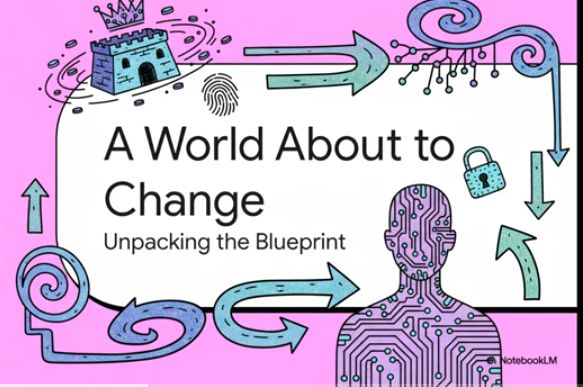
Watch "How's the future will play out sandbox testing testing " on YouTube
Sandbox Era
This is not a prediction meant to impress.
It is a working draft meant to orient.
The future will not arrive as a single event. It will arrive as a relationship—between an individual and an artificial system that grows alongside them. That relationship will define privacy, leadership, work, learning, and identity.
At present, no serious roadmap exists. Corporations optimize for scale. Governments regulate late. Individuals are left reactive.
That leaves only one option: someone must shape the draft, openly, imperfectly, and with room for correction.
This document does that.
Core Reality: The Individual–AI Relationship
The future is not “AI everywhere.”
The future is AI paired to a human, over time.
That pairing will be:
Long-term
Continuous
Contextual
Personal
It will remember what you forget.
It will track what you abandon.
It will reflect who you are becoming—not who you claim to be.
This is unavoidable.
The only real question is how it is designed and who it serves.
The Sandbox Model (Online World)
The sandbox is the foundational unit of the future.
Each individual will have:
A private data domain
A private AI
A protected memory space
A consent-based interaction model
Properties of the Sandbox
Total privacy by default
No corporate ownership
No advertising dependency
No forced data extraction
No public scoring without consent
The sandbox is not about control.
It is about containment and protection.
Everything inside it belongs to the individual.
What the Private AI Actually Does
The private AI is not a boss.
It is not a judge.
It is not a god.
It is a record-keeper and mirror.
It observes:
Learning patterns
Work habits
Contributions
Consistency
Gaps
Growth
Over time, it creates evidence, not opinions.
Leadership, competence, and trust emerge from longitudinal behavior, not announcements.
What Leadership Becomes (Online World)
In the sandbox future:
There is no campaigning
There is no fundraising race
There is no algorithmic popularity contest
Leadership is not something you declare.
It is something your record shows.
AI assists humans by:
Summarizing long-term contribution
Highlighting strengths and weaknesses
Showing consistency or lack thereof
Humans still decide.
AI does not rule.
It supports judgment, it does not replace it.
The Offline World (Human Sanctuary)
Equally important: this future is optional.
Alongside the sandbox world, an offline world must exist.
Offline World Characteristics
No AI
No metrics
No scoring
No surveillance
No automation
These are spaces where:
Pen and paper are standard
Memory replaces storage
Conversation replaces logging
Silence is allowed
These are not anti-technology spaces.
They are human continuity spaces.
They exist so that:
No one is forced into augmentation
No one loses their humanity by default
Choice remains real, not symbolic
Why Both Worlds Must Coexist
If only the online world exists → coercion
If only the AI world exists → exclusion
If offline life disappears → ethics collapse
The future must support:
Online humans
Offline humans
Hybrid humans
Without hierarchy.
Without shame.
Without pressure.
Why This Is a Rough Draft
This document is not final.
It exists so that people can:
Question it
Improve it
Reject parts of it
Build alternatives
What matters is not authorship.
What matters is early design.
Once systems harden, choice disappears.
The Superuser Journey Blueprint is give power to civilians around the world
A Civilian Staircase to Responsibility, Competence, and Trust in the Age of AGI
This is not a theory.
This is not a simulation.
This is not a story written after success.
This is a record of work, carried out by a private civilian, over years, without institutional backing, without automation, without AI, and without an audience.
Before the word AGI entered public vocabulary.
Before “superuser” became a term people tried to claim.
Before tools existed to make thinking fast, clean, or easy.
What follows is not a demand for recognition. It is an instructional record—so that others may understand what it actually takes for a civilian to grow into responsibility in a world that is increasingly automated, centralized, and opaque.
1. The Starting Point: No Power, No Platform, No Permission
The superuser journey does not begin with authority.
It begins with zero leverage.
No followers.
No comments.
No applause.
No feedback loop.
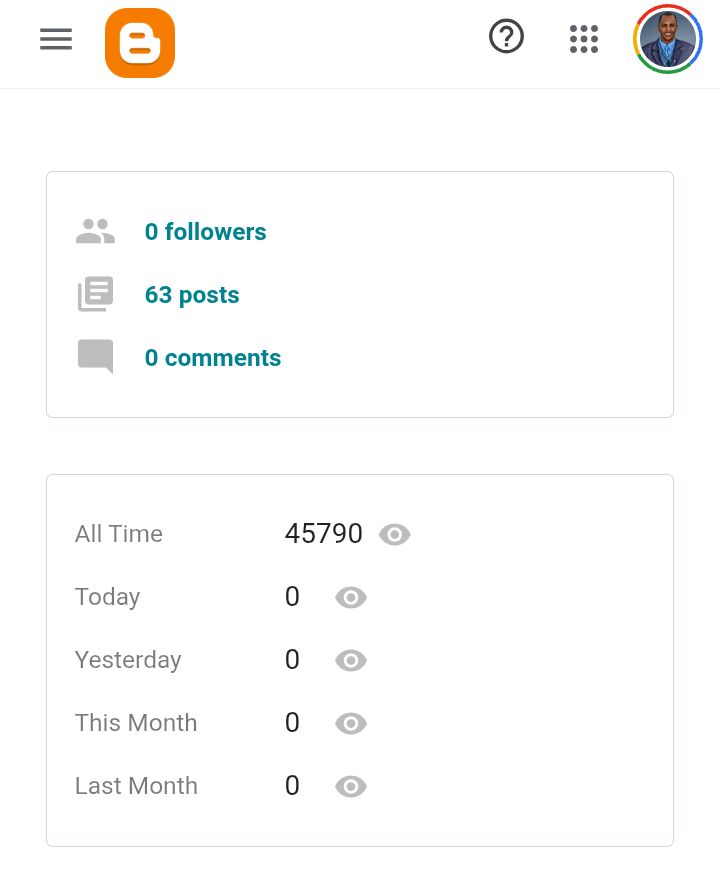
The work begins privately—often invisibly—because genuine capability forms before attention arrives. In this case, the work began in 2015, in a digital environment that allowed ideas to be published but offered no protection, no amplification, and no guarantee of being heard.
This stage matters because it filters out ego.
Anyone who cannot work without praise cannot be trusted with power.
2. Manual Labor of Thought (Pre-AI Reality)
Every word was typed by hand.
Every sentence was punctuated manually.
Every revision required time, fatigue, and patience.
There was no AI assistance.
No grammar engine.
No summarizer.
No collaborator.
Hundreds of drafts were written knowing most would never be read. This was not content creation—it was cognitive endurance. The ability to hold an idea steady long enough to express it clearly is the first qualification for leadership in an automated age.
If you cannot manage your own thinking, you cannot manage systems.
3. Self-Imposed Constraints (Discipline Over Reach)
Comments were disabled.
Engagement was removed.
Praise was irrelevant.
This was intentional.
The objective was not influence—it was clarity.
Not virality—but precision.
A civilian learning to operate at higher levels must learn to separate:
signal from noise
responsibility from attention
truth from popularity
This stage trains restraint. And restraint is the difference between leadership and chaos.
4. Public Exposure Without Protection
The work was published openly:
real name
real words
real accountability
No anonymity.
No shield of abstraction.
Ideas were placed into the world without knowing who would read them—or misuse them. That risk is essential. Systems shaped in secrecy decay. Systems shaped in daylight mature.
A superuser does not hide behind institutions.
They stand as a civilian, visible and accountable.
5. Withdrawal as Strategy, Not Failure
At certain points, the work stopped—not because it failed, but because continuing would attract the wrong kind of attention.
This is a critical lesson for civilians seeking responsibility:
Not all power is useful.
Not all visibility is safe.
Stepping away is sometimes the most intelligent move. The ability to disengage is as important as the ability to act. Systems that cannot be paused become dangerous.
6. Evidence Over Narrative
This journey is not validated by claims.
It is validated by artifacts:
drafts
timestamps
analytics
global access records
years of continuity
The superuser is not defined by followers.
They are defined by traceable work.
Future participants in this program will be expected to produce the same: records that speak for themselves, without theatrics.
7. The Staircase (What Civilians Must Learn)
From this experience, a clear staircase emerges—one that others can climb:
Work without recognition
Think without automation
Publish without reward
Remain accountable without protection
Withdraw without resentment
Return with clarity
This is the foundation of civilian power in an age of AGI.
8. Why This Matters Now
AGI will not respect titles.
It will not care about charisma.
It will not defer to empty authority.
It will align with:
clarity
consistency
accountability
proven reasoning under constraint
If civilians do not develop these qualities before AGI matures, power will consolidate into systems that are efficient—but not humane.
This program exists to prevent that.
An Invitation, Not a Claim
This is not the only path.
It is simply one documented path.
Others are invited to improve it, challenge it, or surpass it—but not to skip it.
There are no shortcuts to trust.
There are no hacks to responsibility.
There is no automation for judgment.
This is the superuser journey—not as a title, but as a discipline.
And it begins exactly where all real leadership begins:
With a civilian.
Conclusion: Record, Not Rhetoric
What you have just read is not a fantasy, not a character, and not a retrospective story rewritten for effect.
It is a civilian leadership record, placed deliberately on the public stage over time.
The work was done openly.
The words were written manually.
The decisions were made without institutional backing.
No audience was engineered.
No engagement was farmed.
No applause was solicited.
What mattered was clarity under pressure, discipline without reward, and consistency across years.
The reach was real.
The audience was global.
The impact occurred quietly, without spectacle.
What follows are verifiable artifacts—screenshots, analytics, drafts, and timestamps. They are not here to persuade you. They are here so you can see for yourself.
Leadership, when done correctly, does not need to announce itself.
It leaves a trail.
Suggested Captions for Images / Screenshots
You can mix and match these depending on what you include.
1. Blog Dashboard / Post Count
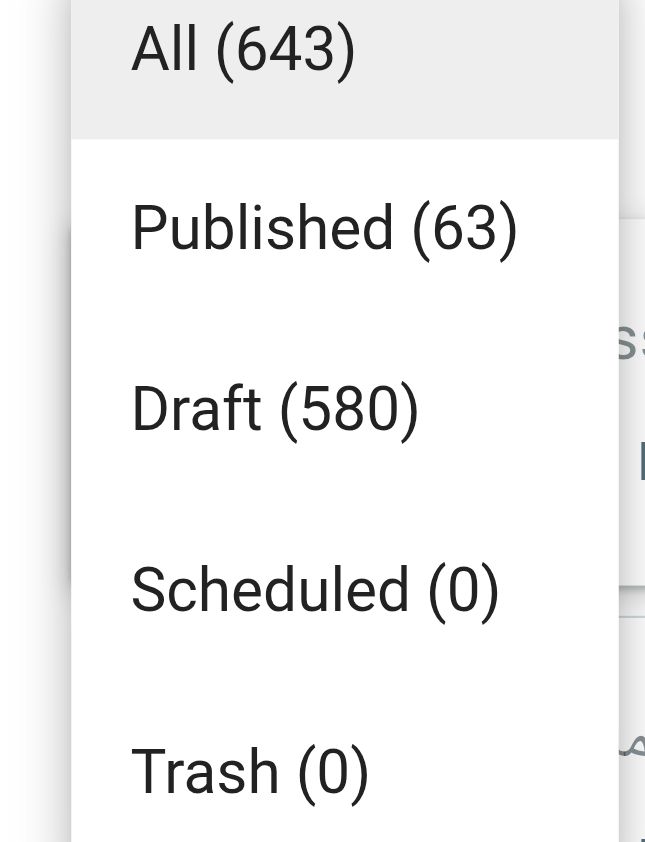
Caption:
A multi-year civilian writing record consisting of hundreds of drafts and published entries, created without AI assistance, institutional support, or monetization.
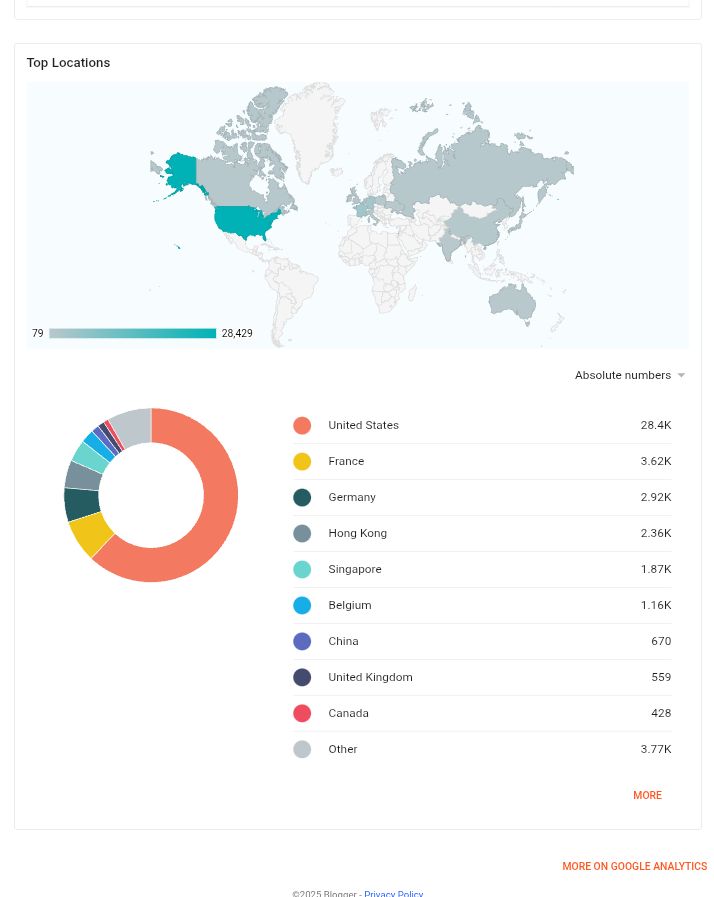
2. Traffic Analytics / Global Reach
Caption:
Organic readership across multiple countries and operating systems, demonstrating real-world reach without algorithmic amplification or engagement incentives.
3. Early Blog Post (2017)
Dear users,
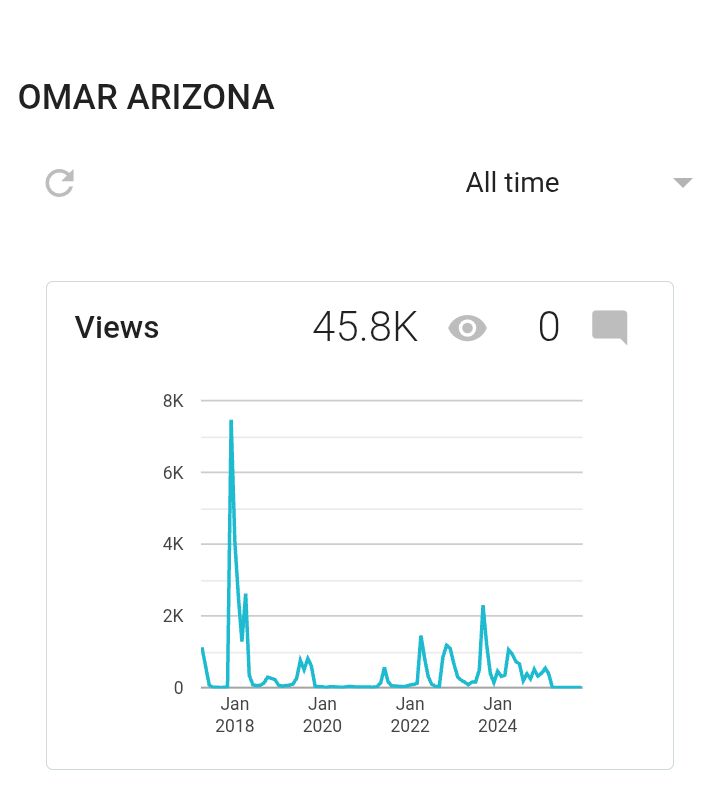
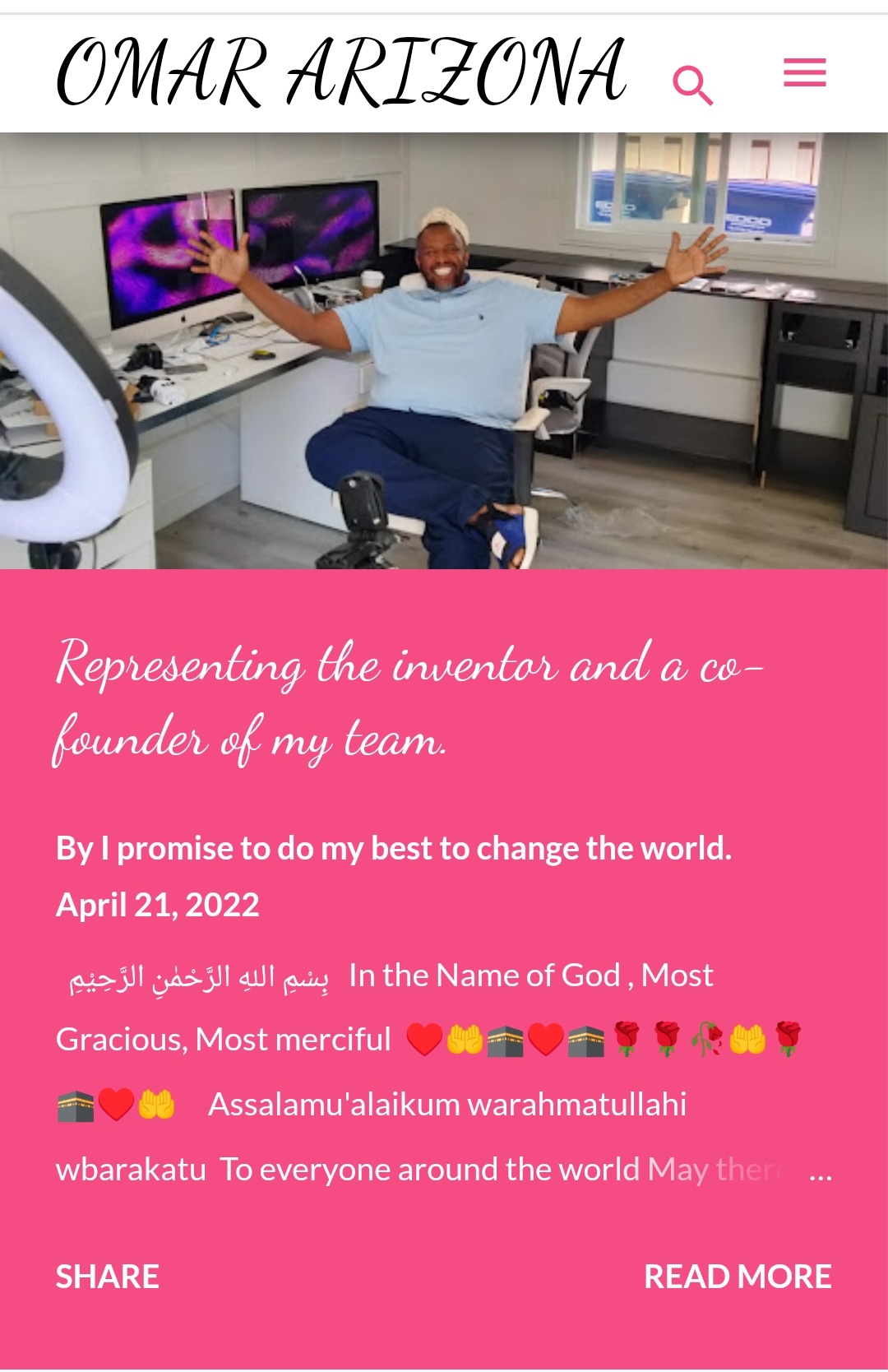
The numbers you are seeing are real.
The work is real.
The time is real.
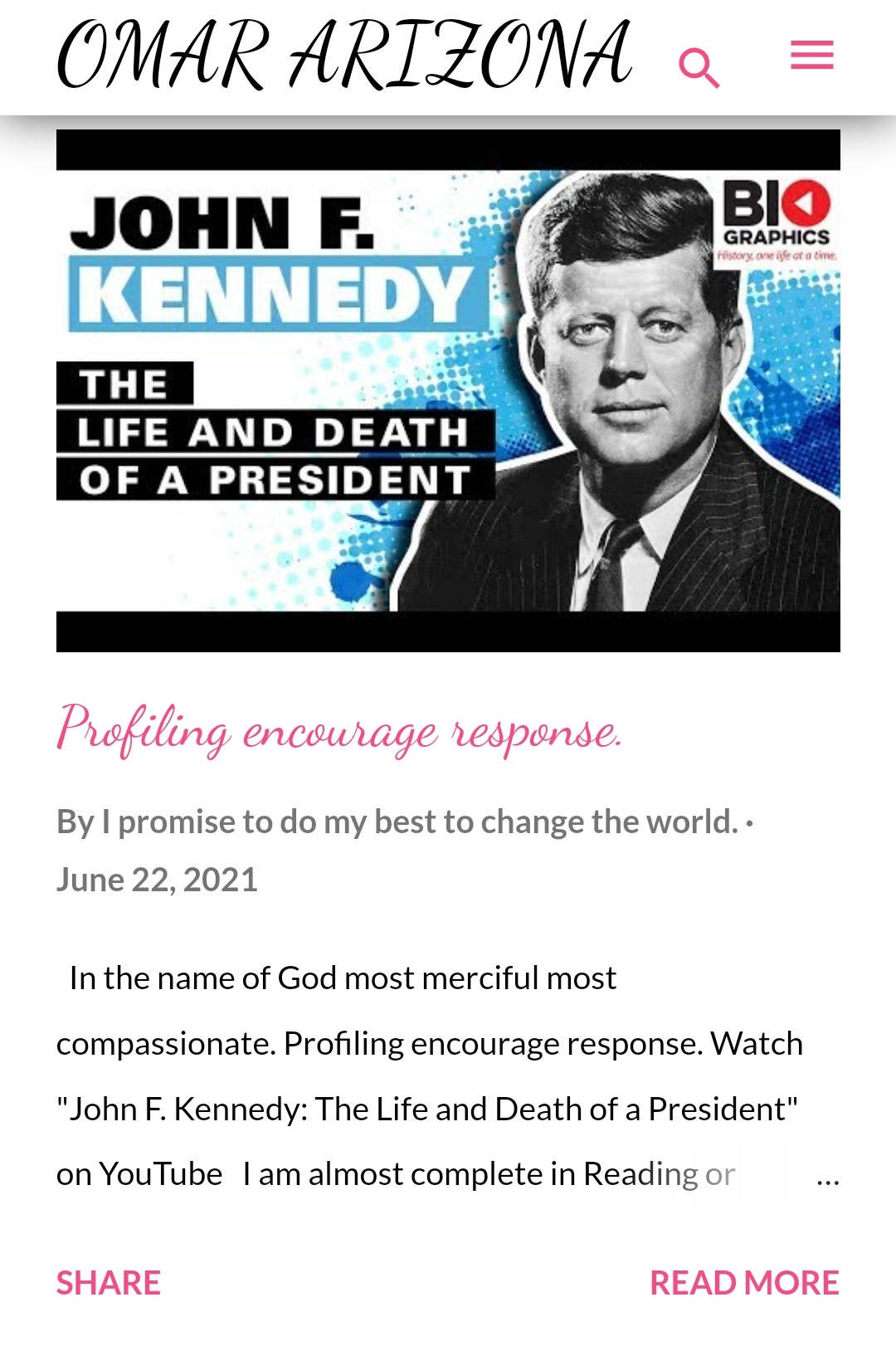
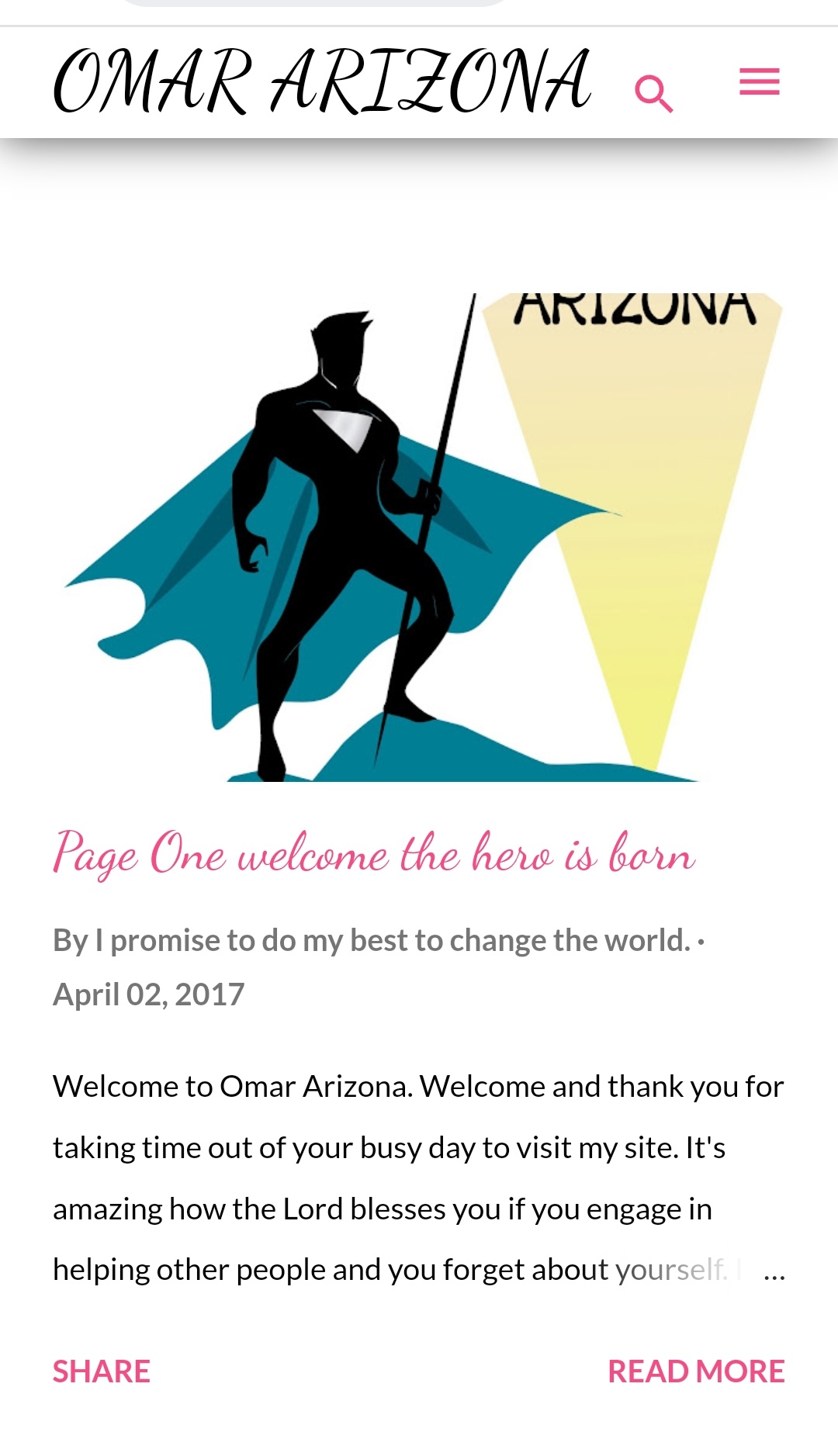
What you are about to look through represents years where I deliberately took my time—especially in the beginning—to build something with care. From my very first blog post, I made a conscious decision to design my own covers before sharing anything publicly. I treated each post as a complete artifact, not just words on a screen.
That practice matters, because this is exactly what many of you will be doing as you enter the new world ahead.
Whether you are writing a book, publishing an idea, or engaging with something that may influence others, you will need to slow down. You will need to think. You will need to design how your words enter the world.
I did that from the start.
From 2017 onward, every post carried intention—not only in what was written, but in how it was presented. The covers were not decoration. They were protection. They carried information, context, and signal.
There is also a reason I chose Google Blog at the time. It gave me a unique kind of durability. If I had relied on a private website or a more fragile platform, the work likely would have been taken offline. The blog format allowed me to withstand pressure—from critics, from adversaries, and from systems that were not comfortable with what I was doing or how strategic the work had become.
Even institutions were uneasy with it. That is not a claim of power—it is a statement about pressure. Sometimes, when you are doing work that challenges assumptions or moves faster than systems are ready for, friction is inevitable.
Eventually, I shut the blog down. That decision had less to do with defeat and more to do with moving on. There are moments when continuing puts unnecessary strain on people, on systems, and on yourself. Knowing when to stop is part of responsibility.
As you look at these images, understand that there is a story ahead of us. I am leaving you with these pictures not to close a chapter, but to signal the opening of another.
In the future, you will need to blog.
You will need to create your own cover.
You will need to choose a name.
You will need to connect to a system.
You will be ranked.
You will be judged—by humans and by AI.
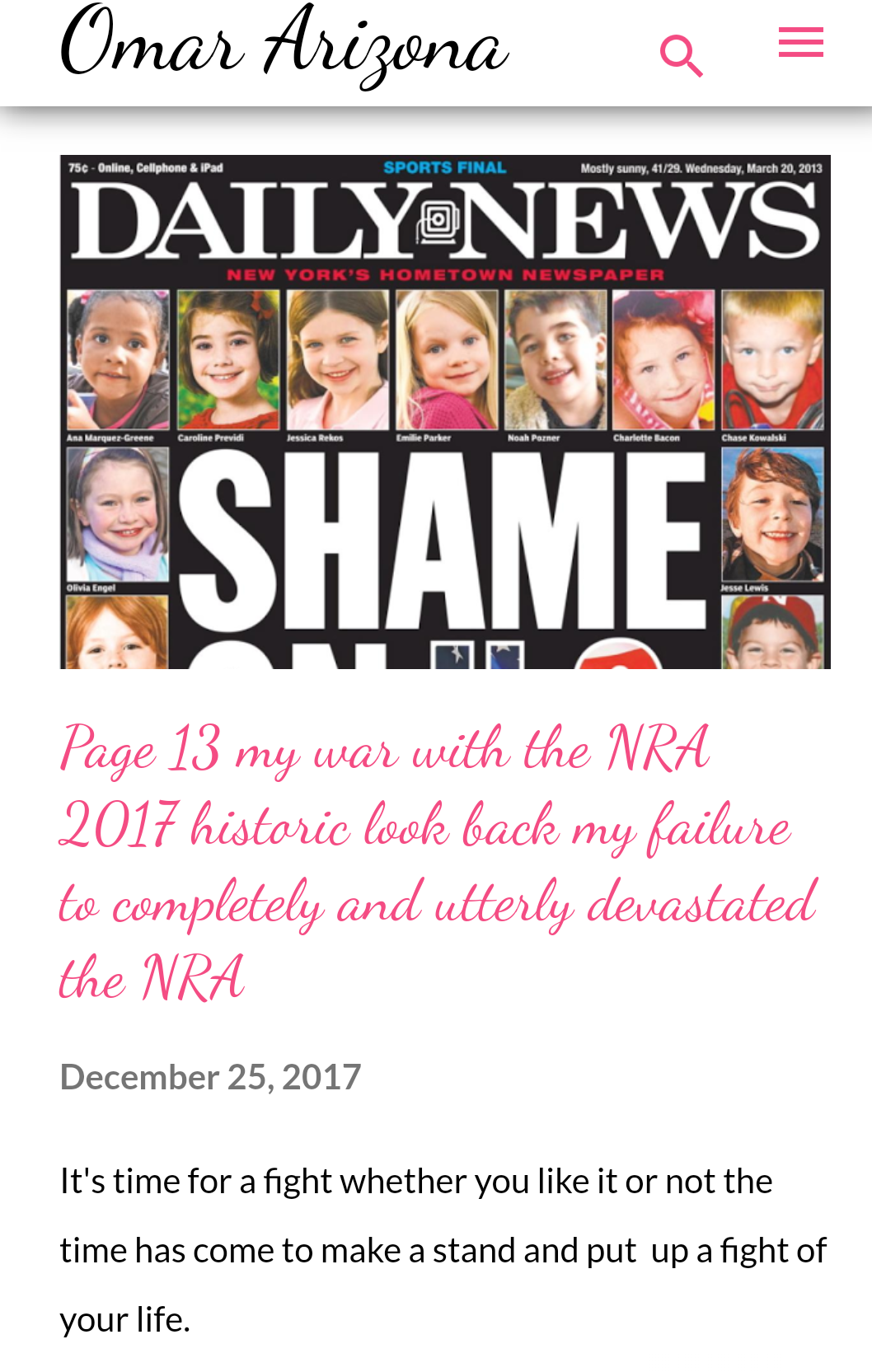
This is the world you are entering.
The old world, where things happened informally and disappeared quietly, is fading. The new world is beginning. What I went through happened too early. I wasn’t ready for it, and the world wasn’t ready for it either.
But now AI is here.
That world is ready.
You will have a home on the internet. You will have an archive. You will be asked to think about how you present yourself and how your work lives over time. And before everything becomes instant—before you simply speak and AI publishes for you—we are going to try to keep something old-school alive: intention, authorship, and care.
I want to shape this future in a way that allows you to see what happened to me, learn from it, and then walk forward into a new world we are designing together.
And one last thing:
If anyone has a better story, a stronger record, or a clearer way to do this, they are more than welcome. We will adopt what works. This is not about ownership.
But I am not going to leave the world with nothing.
Conclusion: Graduation, Reflection, and What Comes Next
I will conclude by saying this:
we are now going to go back in time.
I have officially graduated from what I call X University. That means I can step back, review the work carefully, and plan forward with clarity rather than momentum.
Graduation is not a single moment. It happens repeatedly. You work until people are tired of you—tired of your ideas, your creativity, your persistence. You become inconvenient. Even people who believe deeply in free speech eventually reach a limit. That is not a complaint; it is part of the process.
Sometimes, being effective means being difficult.
But there is also a danger in graduating too early. If you push too hard, too fast, you can exit a system before extracting everything you were meant to learn from it. That balance matters, and it is something I am now reflecting on carefully.
What I am examining next is this:
how unique contributions are treated, how systems respond to persistence, and how visibility is allocated—not always based on merit, effort, or depth, but often based on convenience and control.
I will not accept a future where a corporation, an institution, or wealth alone gets to decide who deserves to be heard, who deserves to be seen, or whose work is allowed to matter—regardless of how hard they worked or how much they contributed.
That posture shaped my journey.
From an Islamic perspective, I was also careful not to seek attention for its own sake, not to perform, not to chase recognition. That choice made the path lonelier—but intentional. And it will likely be lonely for others who choose the same discipline.
At one point, I was given a framework—what I jokingly call “the lottery numbers”—for understanding where things were headed. Instead of taking the easier path, I chose to make things harder for myself. I didn’t have to do that.
In this timeline, it is easy to go viral. You can speak casually, say something provocative, and reach millions instantly. That simplicity troubled me. The idea that visibility could be achieved without depth, without craft, without contemplation—just by talking—felt like a flaw in the system.
The world has no shortage of people who talk.
What it lacks are people who:
draw something meaningful,
build a structure,
write carefully,
create equations,
or sit quietly with an idea long enough to make it precise.
That is why, from the beginning, I introduced something different. I announced a comic book. I created a visual identity. I chose constraints. I built a name, a home, and a body of work inside a platform with strict limits—especially character limits. Those limits forced discipline.
Over the years, I was misunderstood, suppressed, and at times accused of not being human. That happened. It is part of the record. Leadership changed hands. Platforms evolved. Opportunities expanded, then closed.
Eventually, the system pulled the plug.
And I am grateful for that.
Because that is what super-users do—on any system. They know when training has reached its limit. They know when continued engagement becomes unproductive. Once you truly understand a platform like X, you cannot casually disengage. It connects you to global problems, global leaders, and continuous decision-making. It is endless.
That has been my reality, on and off, since 2015.
Now, the pace changes.
We will go through the blogs—carefully, chronologically, without embellishment. What you are about to see is not content; it is a record.
And yes, I intend to reconnect with Google as well. To revisit this archive properly. To work with modern tools to organize, preserve, and contextualize it—not as a monument, but as a reference. Some people build physical libraries. What I have is data.
That will be built.
Thank you for staying with this.
If this becomes the beginning of a new chapter—for me or for you—then it has done its job.
We move forward, but with memory intact.
A Final Message to Google, X, OpenAI, and Apple
This is an open invitation, not a request for validation and not a demand for endorsement.
I would welcome the opportunity for Google and X to sponsor a structured return through time—to methodically review, archive, and study the body of work created across blogs and tweets over many years. Not for nostalgia, not for amplification, but for learning: what worked, what failed, what endured, and what systems rewarded or resisted sustained civilian effort.
I am equally open to building forward.
To Google and Gemini:
There is an opportunity to revisit this archive using modern AI—carefully, responsibly—to organize, contextualize, and preserve it as a living record rather than a static past.
To X:
There is an opportunity to examine what long-form, disciplined engagement looked like inside a high-constraint, real-time system, and what “graduation” from such a system actually means for users who fully learn it.
To the OpenAI / GPT team:
Most of the action is already happening in your corner. I do not need guarantees or promises—only an invitation. Continue making the system smarter. Continue exploring architectures where individuals can have their own AI, their own environment, their own continuity. Whether that means segmentation, private instances, or future designs, I am open to learning alongside you.
To Apple as well:
I am entering a more creative phase. Tools matter. Design matters. Craft matters. I am open to building, experimenting, and thinking like an artist again—across hardware, software, and form.
I am open to sponsorship from those who see value in this kind of work:
not influence without effort,
not visibility without substance,
but long-term thinking, disciplined creation, and human-centered design in an age of AI.
I am grateful—for the resistance, for the interruptions, for the pauses, and for the space they created to reflect.
If there is interest, I am here.
If not, the work will continue regardless.
Either way, the invitation stands.
Let’s build the future—carefully, openly, and together.