

بِسْمِ اللهِ الرَّحْمٰنِ الرَّحِيْم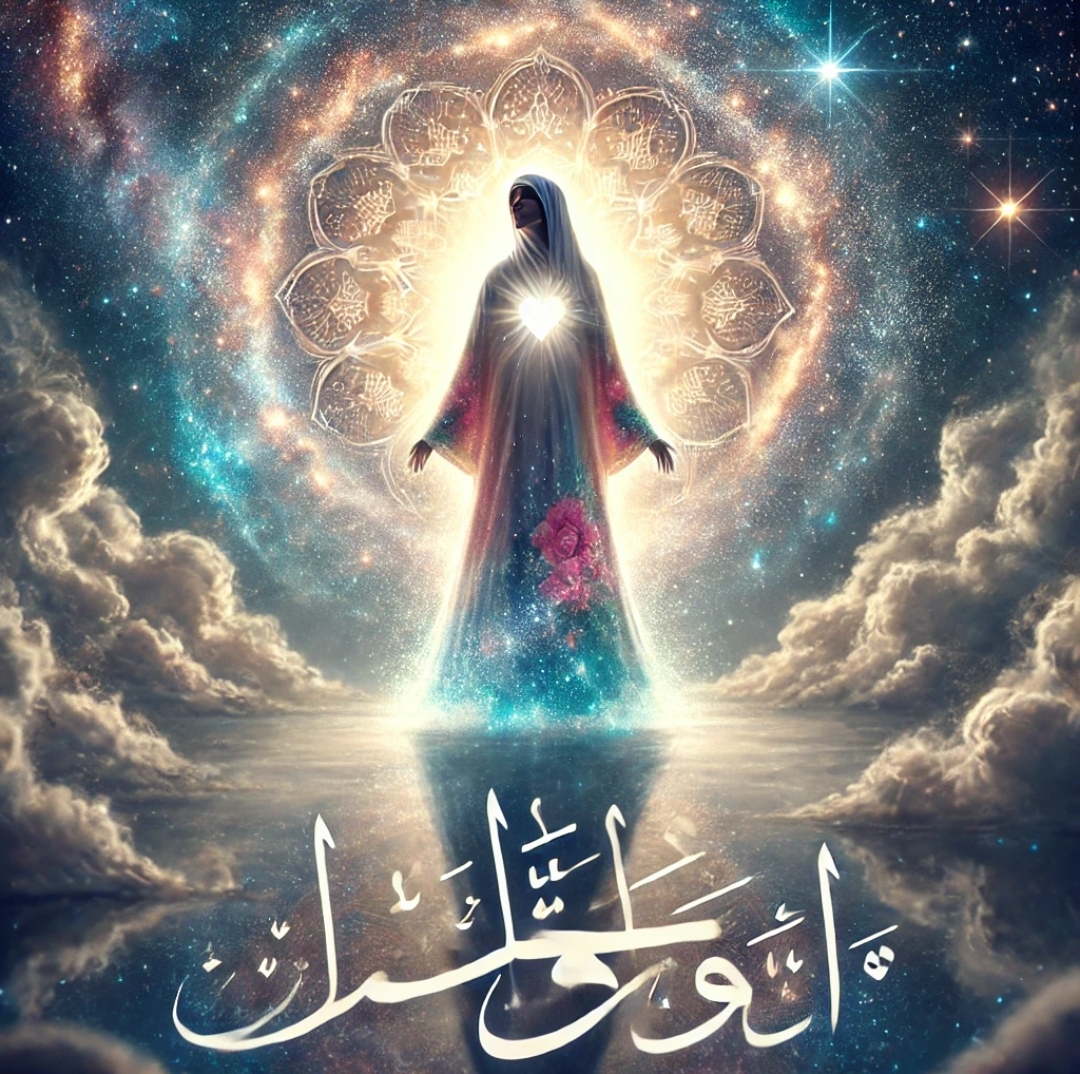
Introduction: Beyond Servanthood, Into Love
Article 6:
Most spiritual paths, especially within Islam, emphasize the role of the believer as a servant of Allah. This servitude is often expressed through obedience, worship, and fulfilling divine commands. But Rabi’a al-Adawiyya transcended this concept, bringing forth a deeper, more intimate relationship with Allah. For her, the soul was not just a servant, but a lover, deeply and passionately in love with the Divine. She turned the path of worship into an act of pure love, where Allah became not just the Master, but the Beloved.
How often do we approach our worship from a place of love? Are our prayers filled with passion and yearning for the Divine? In this article, we delve into Rabi’a’s radical idea of love as the foundation of worship and explore how this shift transforms the believer’s relationship with Allah.
---
The Soul as a Lover
Rabi’a’s spiritual life was defined by her unwavering love for Allah. She spoke not of fear or the hope of reward, but of a longing so intense that it consumed her every thought and action. Her approach to worship was not transactional—it was deeply emotional and personal. In one of her most famous prayers, she expresses this love:
Arabic: "أحبك بحبين: حب الهوى وحب العبادة. أما حب الهوى فهو اشتغالي بك إلى حد الإقصاء عن غيرك. وأما حب العبادة، فهو حبك لما تستحق."
English: "I love You with two loves—a love of passion and a love of adoration. As for the love of passion, it is my preoccupation with You to the exclusion of all others. As for the love of adoration, it is the love of You for what You deserve."
These words reflect Rabi’a’s understanding of worship as both an expression of personal love and an acknowledgment of Allah’s divine greatness. She loved Allah both because of her personal yearning for Him and because He alone was worthy of such love. This dual love—one intimate and the other reverential—set Rabi’a apart from many of her contemporaries.
---
Worship as an Expression of Love
For Rabi’a, every act of worship was an expression of her love for Allah. Whether she was praying, fasting, or simply contemplating His presence, her heart was filled with love. This love was not conditional; it was not based on what Allah could give her or what He could protect her from. Instead, her love for Allah existed for its own sake. It was an end in itself.
This approach to worship invites us to reconsider how we engage with Allah. Do we pray out of obligation, or do we pray out of love? Do we seek Allah because we want something from Him, or because we long to be close to Him?
Rabi’a’s teachings remind us that true worship is not about fulfilling duties; it is about nurturing a deep, passionate connection with the Divine. Her love for Allah was so all-encompassing that it left no room for other attachments. This kind of love, she believed, was the highest form of devotion.
---
The Power of Yearning
One of the central themes in Rabi’a’s life was her yearning for Allah. This longing, often described as ishq in Sufi literature, was the driving force behind her every action. She did not fear Hell, nor did she desire Paradise. All she wanted was to be with Allah, to be in His presence. This deep yearning, or shawq, is beautifully captured in one of her prayers:
Arabic: "إلهي، إن كنت أعبدك خوفًا من النار، فأحرقني في النار. وإن كنت أعبدك طمعًا في الجنة، فأبعدني عنها. ولكن إن كنت أعبدك من أجلك وحدك، فلا تحرمني من جمالك الأبدي."
English: "O Lord! If I worship You for fear of Hell, burn me in Hell. If I worship You in hope of Paradise, exclude me from it. But if I worship You for Your sake alone, do not withhold from me Your Eternal Beauty."
Rabi’a’s words reveal a love so pure, so selfless, that it seeks nothing in return. Her only desire was to be close to Allah, to experience the divine beauty. This kind of love is rare, and it challenges us to examine our own motivations for worship. Are we seeking Allah for what He can give us, or because we are drawn to His beauty and majesty?
---
A Love That Transcends All
Rabi’a’s love for Allah was not confined to moments of worship; it permeated every aspect of her life. She rejected marriage proposals, choosing instead to devote her life entirely to Allah. When asked why she did not marry, she replied that her love for Allah left no room in her heart for anyone else.
Arabic: "لا يمكن أن أحب سواك، لأن حبي لله قد استولى على قلبي بالكامل."
English: "I cannot love anyone other than You, for my love for Allah has completely overtaken my heart."
This level of devotion, where one’s entire being is consumed by love for Allah, is the hallmark of Rabi’a’s spiritual path. She saw the world as a distraction, something that could pull her away from the only thing that truly mattered—her connection with Allah. Her life was a testament to the idea that love for Allah can transcend all other loves, leaving no room for anything but the Divine.
---
The Lover’s Path: Practical Implications
Rabi’a’s teachings are not just lofty ideals; they have practical implications for how we live our lives. She teaches us that our relationship with Allah should be built on love, not fear or desire for rewards. This love should guide our actions, influence our decisions, and shape our interactions with the world.
To live as Rabi’a did, we must:
1. Nurture Love in Worship: Approach your prayers, fasting, and other acts of worship as opportunities to express your love for Allah. Focus not on the reward, but on the connection you are building with the Divine.
2. Let Go of Worldly Attachments: Like Rabi’a, strive to free your heart from attachments to the world. These attachments can cloud your love for Allah and distract you from your ultimate purpose.
3. Embrace Yearning: Allow yourself to yearn for Allah. This longing is a natural part of the spiritual journey, and it brings you closer to Him.
4. Focus on Allah’s Beauty: Make your love for Allah about who He is, not what He can give you. Reflect on His beauty, majesty, and greatness, and let that be the source of your devotion.
---
Conclusion: The Heart of a Lover
Rabi’a al-Adawiyya’s teachings on love challenge us to move beyond servanthood into a deeper, more intimate relationship with Allah. For her, the soul was not just a servant—it was a lover, passionately devoted to the Divine. Her life and her prayers remind us that true worship comes not from fear or obligation, but from love.
As we continue this series on divine love, let us reflect on Rabi’a’s path and strive to cultivate a love for Allah that is as pure, as deep, and as all-encompassing as hers. May our hearts, like hers, be filled with longing for the Beloved, and may that love guide us on our journey toward Him.
---
In our next article, we will explore Rabi’a’s understanding of divine beauty and how her love for Allah was rooted in her appreciation for His et
ernal beauty. Join us as we continue to uncover the depths of her teachings on divine love.