
بِسْمِ اللهِ الرَّحْمٰنِ الرَّحِيْم
In the Name of God, Most Gracious, Most Mercifu
♥️🤲🕋♥️🕋🌹🌹🥀🤲🌹🕋♥️🤲
CHAPTER 12
THE SECOND OFFICE
DEXCOM, DIABETES, AND THE AGE OF AI MEDICINE
Welcome back to the Office of the Superuser.
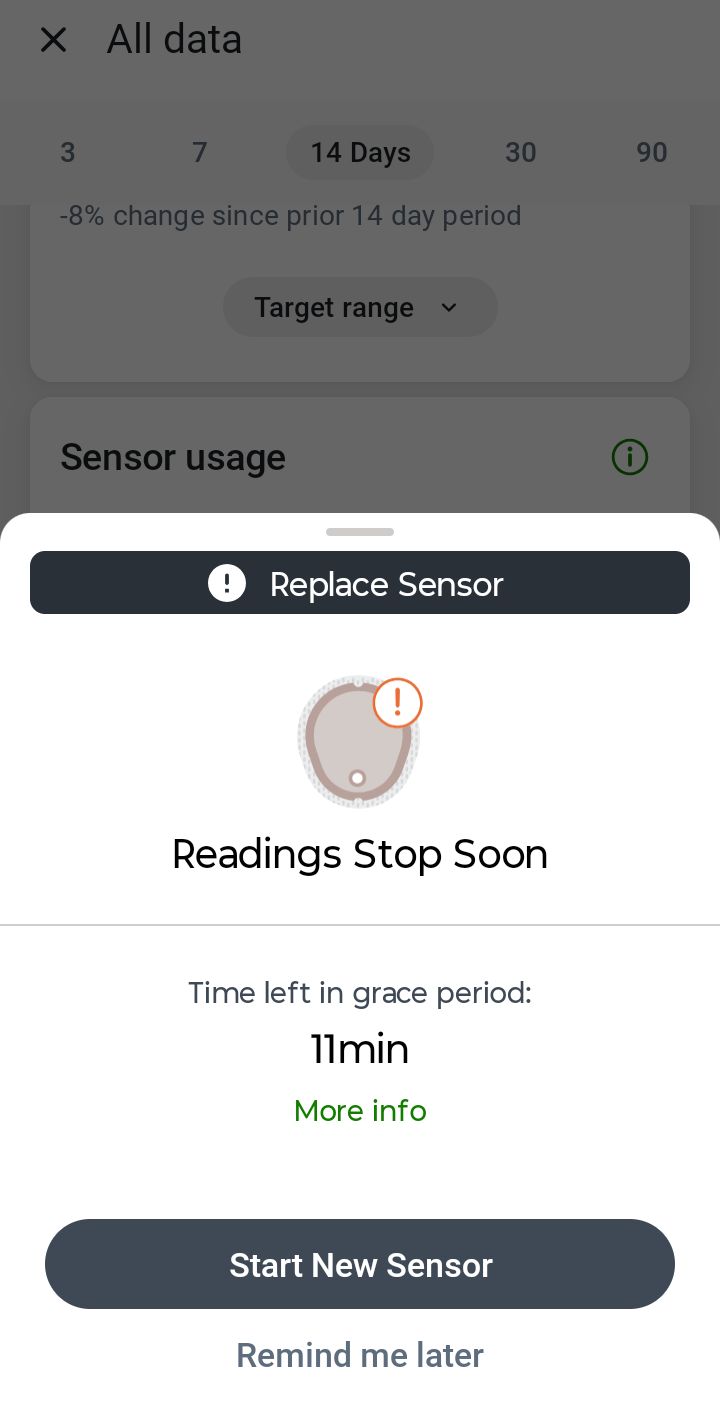
This morning my Dexcom sensor expired.
You might be asking yourself, what is Dexcom?
You might be asking yourself why a man who spent years writing about governments, technology companies, politics, media, artificial intelligence, and the future of civilization is suddenly talking about a sensor attached to his arm.
The answer is simple.
Because the future arrived.
For fifteen days, I walked around with a device quietly measuring what was happening inside my body.
No opinions.
No politics.
No arguments.
No headlines.
Just data.
Pure data.
For the first time in my life, I could see my diabetes in real time.
Not guess.
Not estimate.
Not wait for a doctor's appointment.
Not wait for laboratory results.
I could simply look at my phone and see the truth.
And that changed everything.
The lesson was not about technology.
The lesson was not about medicine.
The lesson was about visibility.
You cannot improve what you cannot see.
For years I have been talking about transparency in government.
Transparency in journalism.
Transparency in technology.
Then one day I realized something funny.
My own body was operating like a government that never published its reports.
A government that never released its data.
A government that expected me to make decisions while remaining completely blind.
Then the sensor arrived.
And suddenly the reports started coming in.
Every few minutes.
Every hour.
Every day.
The body began speaking.
This chapter is the story of that conversation.
It is the story of a citizen, a sensor, and a stream of information that never sleeps.
It is also the beginning of a much larger discussion.
Because if one sensor can help one person understand their body, imagine what happens when artificial intelligence begins helping millions of people understand their health.
Imagine what happens when medicine becomes continuous.
Imagine what happens when every citizen has access to their own personal stream of data.
Imagine what happens when health stops being a mystery.
That future is already arriving.
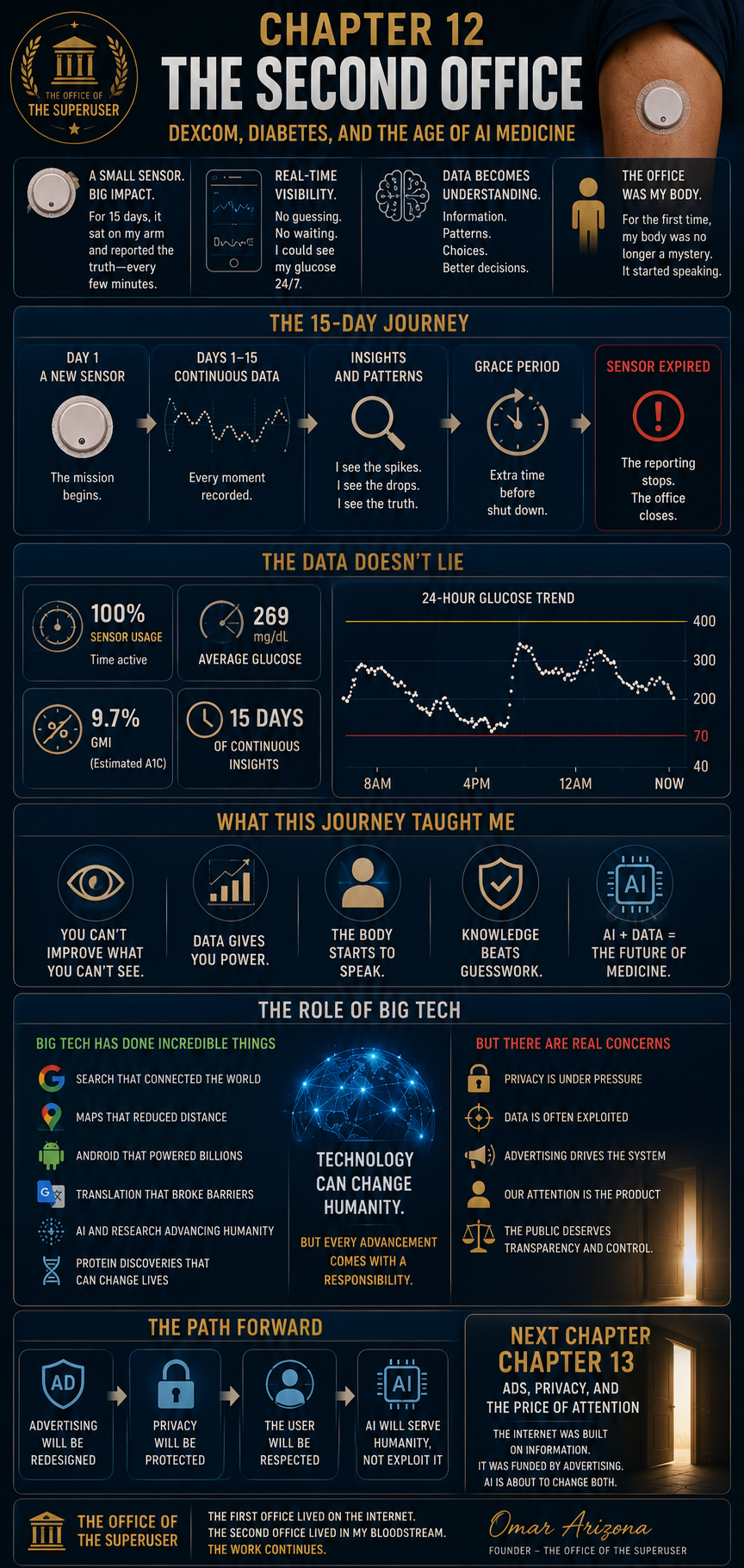
And before we move on to Google, privacy, advertising, artificial intelligence, and the redesign of the digital world, I want to show you the data.
This was my first sensor.
This was my first report card.
This was the beginning of AI medicine.
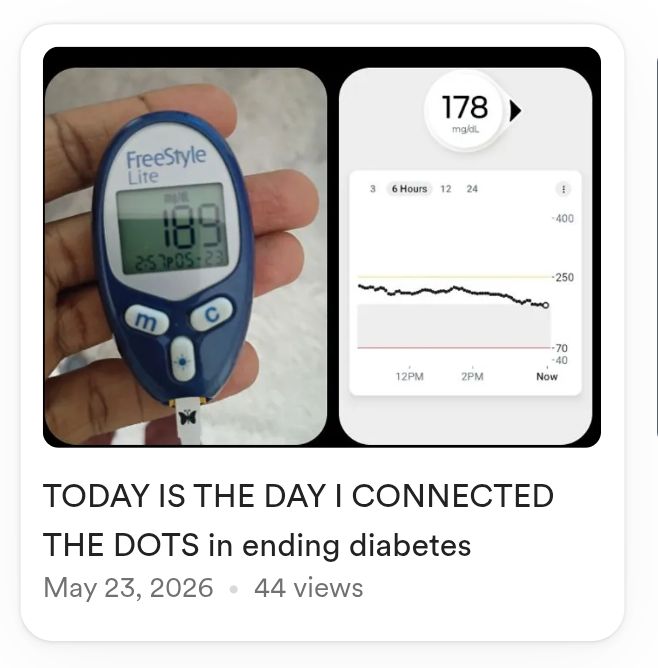
TODAY IS THE DAY I CONNECTED THE DOTS in ending diabetes —
buymeacoffee.com/omar1800m/today-is-the-day-i-connected-the-dots
DEXCOM, DIABETES, AND THE AGE OF AI MEDICINE
Welcome back to the Office of the Superuser.
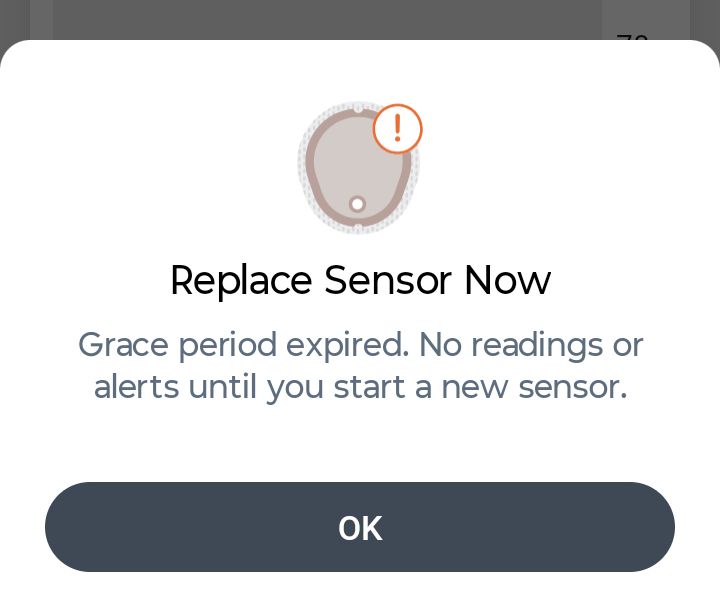
This morning my Dexcom sensor expired.
You might be asking yourself, what is Dexcom?
You might be asking yourself why a man who spent years writing about governments, technology companies, politics, media, artificial intelligence, and the future of civilization is suddenly talking about a sensor attached to his arm.
The answer is simple.
Because the future arrived.
For fifteen days, I walked around with a device quietly measuring what was happening inside my body.
No opinions.
No politics.
No arguments.
No headlines.
Just data.
Pure data.
For the first time in my life, I could see my diabetes in real time.
Not guess.
Not estimate.
Not wait for a doctor's appointment.
Not wait for laboratory results.
I could simply look at my phone and see the truth.
And that changed everything.
The lesson was not about technology.
The lesson was not about medicine.
The lesson was about visibility.
You cannot improve what you cannot see.
For years I have been talking about transparency in government.
Transparency in journalism.
Transparency in technology.
Then one day I realized something funny.
My own body was operating like a government that never published its reports.
A government that never released its data.
A government that expected me to make decisions while remaining completely blind.
Then the sensor arrived.
And suddenly the reports started coming in.
Every few minutes.
Every hour.
Every day.
The body began speaking.
This chapter is the story of that conversation.
It is the story of a citizen, a sensor, and a stream of information that never sleeps.
It is also the beginning of a much larger discussion.
Because if one sensor can help one person understand their body, imagine what happens when artificial intelligence begins helping millions of people understand their health.
Imagine what happens when medicine becomes continuous.
Imagine what happens when every citizen has access to their own personal stream of data.
Imagine what happens when health stops being a mystery.
That future is already arriving.
And before we move on to Google, privacy, advertising, artificial intelligence, and the redesign of the digital world, I want to show you the data.
This was my first sensor.
This was my first report card.
This was the beginning of AI medicine.
CONCLUSION
As I conclude this chapter, I want to acknowledge something important.
Technology companies have changed the world.
When they make discoveries, when they solve difficult problems, when they push humanity forward, they deserve recognition.
Google is one example.
From search, to maps, to Android, to translation, to artificial intelligence, Google has helped billions of people access information and navigate the modern world.
More recently, their work in artificial intelligence and scientific research has demonstrated something even more important.
The future will be built through the partnership of human beings, data, and intelligent systems.
Watch "Protein folding explained" on YouTube
Watch "AlphaFold: The making of a scientific breakthrough" on YouTube
My Dexcom sensor may not have been built by Google, but the lesson is the same.
A sensor gives visibility.
Data gives understanding.
Artificial intelligence gives interpretation.
And together they create something powerful.
Knowledge.
But every advancement comes with a responsibility.
Every sensor raises questions about privacy.
Every platform raises questions about ownership.
Every AI system raises questions about trust.
And every advertisement raises questions about incentives.
For decades, the internet has largely been funded through advertising.
That model helped build many of the services we use every day.
But it also created new tensions between personalization, privacy, visibility, and profit.
Those questions are not going away.
In fact, they are becoming more important as artificial intelligence becomes integrated into every aspect of our lives.
How much should companies know about us?
Who owns our data?
Who benefits from our attention?
Can privacy and innovation exist together?
Those are the questions I want to explore next.
Because the future is not just about sensors.
It is not just about artificial intelligence.
It is not just about health.
It is also about the systems that fund, distribute, and influence information itself.
And that brings us to the next chapter.
Advertising. Privacy. Artificial Intelligence.
The systems that shaped the internet we inherited.
And the systems we may choose to build next.
The sensor has gone silent.
The conversation continues.
Welcome to the next chapter.
The future will be built through the partnership of human beings, data, and intelligent systems.
My Dexcom sensor may not have been built by Google, but the lesson is the same.
A sensor gives visibility.
Data gives understanding.
Artificial intelligence gives interpretation.
And together they create something powerful.
Knowledge.
But every advancement comes with a responsibility.
Every sensor raises questions about privacy.
Every platform raises questions about ownership.
Every AI system raises questions about trust.
And every advertisement raises questions about incentives.
For decades, the internet has largely been funded through advertising.
That model helped build many of the services we use every day.
But it also created new tensions between personalization, privacy, visibility, and profit.
Those questions are not going away.
In fact, they are becoming more important as artificial intelligence becomes integrated into every aspect of our lives.
How much should companies know about us?
Who owns our data?
Who benefits from our attention?
Can privacy and innovation exist together?
Those are the questions I want to explore next.
Because the future is not just about sensors.
It is not just about artificial intelligence.
It is not just about health.
It is also about the systems that fund, distribute, and influence information itself.
And that brings us to the next chapter.
Advertising. Privacy. Artificial Intelligence.
The systems that shaped the internet we inherited.
And the systems we may choose to build next.
The sensor has gone silent.
The conversation continues.
Welcome to the next chapter.