

بِسْمِ اللهِ الرَّحْمٰنِ الرَّحِيْم.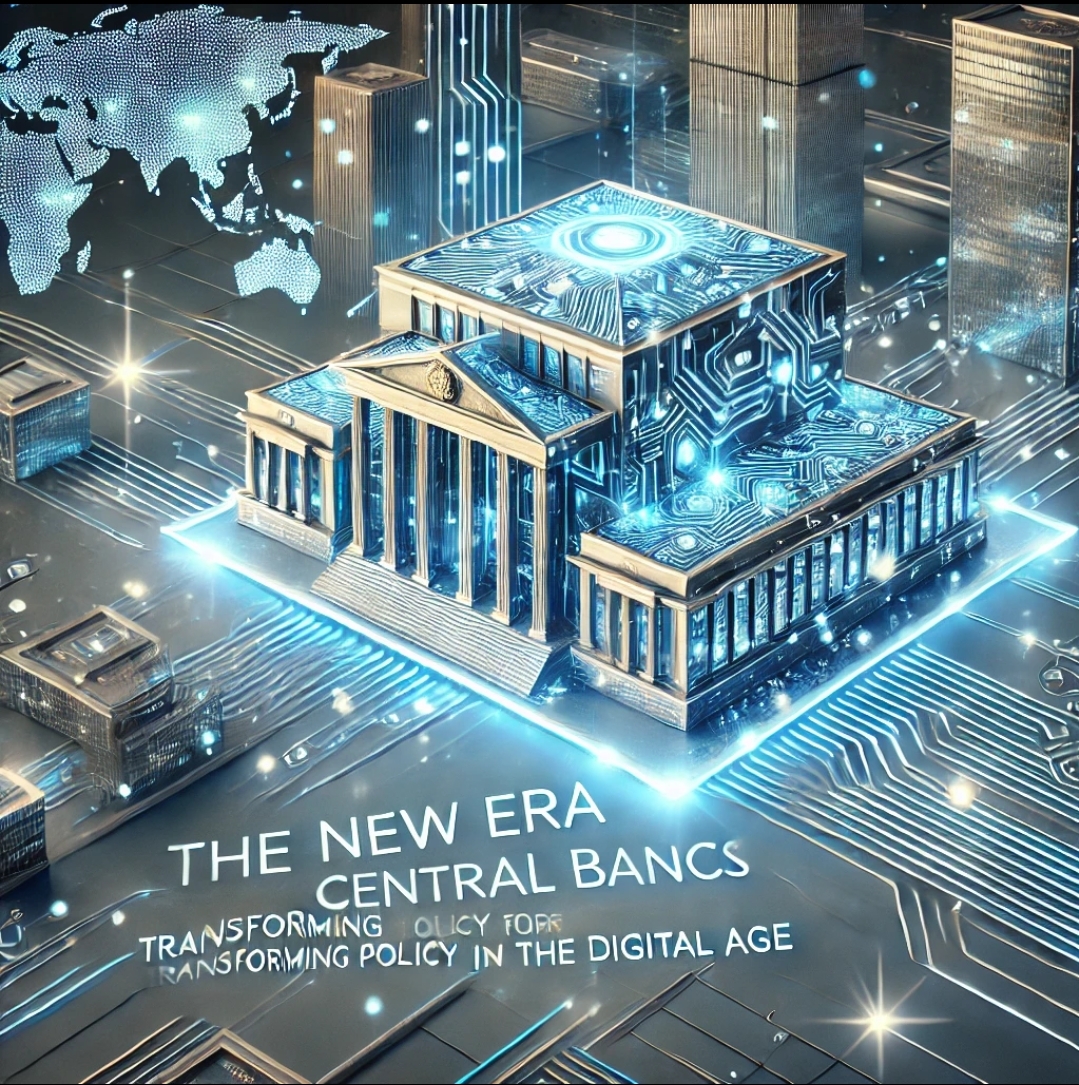
The future of central banking is here, and it demands a radical departure from the systems of the past. The traditional banking framework, with its rigid structures and outdated methods, no longer serves the needs of a rapidly evolving economy. As we enter a new digital era, it is clear that local banks have become obstacles rather than partners in economic progress. It is time for central banks worldwide to take control, adopting decentralized technologies and embracing AI-driven financial management. This is not merely a suggestion—it is an urgent call to action.
The Current System and Its Flaws
For too long, central banks have relied on local banks to implement monetary policy, trusting them to facilitate credit and manage liquidity. However, these banks often prioritize their interests, obstructing policies intended to stabilize the economy and promote growth. Traditional credit systems fail to accommodate the complexities of individual needs, resulting in inefficiencies that can destabilize households and economies alike. Additionally, transparency issues and the potential for corruption further erode public trust in the financial system.
The case of Malaysia serves as a stark reminder of these dangers. Misuse of public funds and financial mismanagement have led to significant economic repercussions. Such incidents underscore the need for a system that not only monitors financial flows but also ensures that every transaction is accountable and accessible for public scrutiny.
A New Economic Framework: The Role of AI and Digital Data
To address these longstanding issues, a new economic framework is required—one that integrates AI, blockchain technology, and real-time digital data into the very fabric of monetary policy. Here’s how central banks can lead this transformation:
Front End: Individual Spending and Digital Identity
The way people spend and manage their finances creates a digital profile that reflects their needs and preferences. AI can harness this data to provide a personalized financial experience, where individual spending habits shape the flow of credit and resources. For instance, if a mother is discharged from the hospital and needs essential items for her newborn, AI can recognize this urgent need and prioritize her in the system, ensuring she gets the required financial support quickly.
Prioritization of Needs
Not all individuals are equal in terms of economic needs, and a one-size-fits-all approach to monetary policy no longer works. AI-driven systems can dynamically assess personal situations—whether someone is going through a divorce, recovering from an illness, or facing a financial emergency—and allocate resources accordingly. This approach not only enhances the efficiency of financial aid but also ensures that those in the most critical situations are assisted first.
Integration of the Supply Chain
AI can synchronize supply and demand across the economy by linking consumer needs directly with the supply chain. Instead of relying on traditional wholesale and retail models that add unnecessary costs and delays, AI can allocate resources in real time, reducing waste and ensuring that products are directed where they are most needed. This integration can extend to commodities such as food, medicine, and other essentials, improving both availability and affordability.
Blockchain and Transparency: Solving Issues with Monitoring and Trust
To ensure this new system functions transparently, blockchain technology offers a solution. By providing an immutable ledger of transactions, blockchain allows for real-time monitoring of financial flows by both the government and the public. Citizens can verify that funds are used as intended, minimizing the risk of corruption and ensuring accountability.
Decentralizing Financial Oversight
While blockchain offers transparency, it also decentralizes oversight, distributing the power of financial monitoring across multiple stakeholders. This shift can help reduce the monopolistic control that local banks have over the financial system, allowing central banks to exercise greater influence over monetary policy without being constrained by the interests of individual financial institutions.
Preparing for the Transition to a Digital Economy
The transition to a digital economy requires more than just technological innovation; it demands a fundamental rethinking of how financial systems operate. The traditional retail and wholesale business models, which have become inefficient and costly, must be disrupted. As AI-driven financial management takes over, many existing businesses will struggle to adapt to a system that prioritizes direct-to-consumer relationships and intelligent transaction management.
Transforming Monetary Policy
The shift to a digital economy means redefining monetary policy to accommodate the realities of individual needs and AI-driven decision-making. This involves moving beyond broad economic indicators to more granular, real-time data, which can help central banks fine-tune policy responses to address economic fluctuations and financial emergencies as they arise.
Privacy Concerns and Solutions
As with any system that relies on personal data, privacy concerns are inevitable. However, these issues can be addressed through comprehensive safeguards and transparent data management practices. The key is to proactively implement privacy measures that protect individuals while allowing the system to function effectively. With AI and blockchain, central banks can ensure that data is used ethically and securely.
The Future of Central Banking: Absolute Control Over Decentralized Systems
To effectively navigate this new landscape, central banks must take a firm stance against the outdated practices of local banks. These institutions, which have historically obstructed monetary policy, must be reined in to allow for a more centralized yet decentralized approach to financial management.
Central Banks vs. Local Banks
Local banks often act as gatekeepers, limiting the effectiveness of monetary policy. Central banks must recognize this and assert their authority over the financial landscape, embracing technologies that allow for direct interaction with consumers. This may involve setting up digital wallets, issuing digital currencies, and enabling AI-driven credit systems that bypass traditional financial intermediaries.
The Dual Approach: Managing Front-End and Back-End Operations
Central banks must take a dual approach, overseeing both the front-end (individual spending and financial management) and back-end (transaction processing and policy implementation) operations. By integrating AI into every aspect of the financial system, central banks can simplify complex processes and ensure that economic policy is responsive, transparent, and effective.
Embracing Decentralization with Control
The path forward is clear: central banks must embrace decentralized technologies to retain oversight while benefiting from the innovation and efficiency that comes with a digital economy. This does not mean relinquishing control but rather transforming how that control is exercised—using AI, blockchain, and real-time data to manage the economy more effectively.
Call to Action: Transforming Central Banks into Digital Stewards
The future demands that central banks evolve from traditional institutions into digital stewards, guiding the economy through an era of unprecedented change. They must take the lead in building systems where every citizen has a digital extension—an AI-driven financial agent that understands their needs, manages their resources, and ensures their well-being. The time to act is now.
Central banks around the world must prepare for this transformation by adopting new technologies, redefining monetary policy, and taking absolute control over decentralized financial systems. Only by doing so can they ensure that the next era of economic development is one where every individual has access to a higher standard of living, driven by a financial system that truly serves the people.
The era of complacency is over. Let’s build the future of finance together.