
بِسْمِ اللهِ الرَّحْمٰنِ الرَّحِيْم
Bismillah ar-Rahman ar-Rahim
In the Name of God, Most Gracious, Most Merciful
The Marketplace Was Rigged
A Private Citizen’s Complaint to the Listening President
I’m not a politician. I’m not a lobbyist. I’m a worker — a truck driver, a rideshare driver, a man who has moved freight and people across this country from Arizona to California, Georgia to Minnesota.
Everywhere I go, the story is the same: people working hard, paying taxes, trying to stay healthy, and getting punished for it by a healthcare system that was never built to listen to them.
The $1,200 Lesson
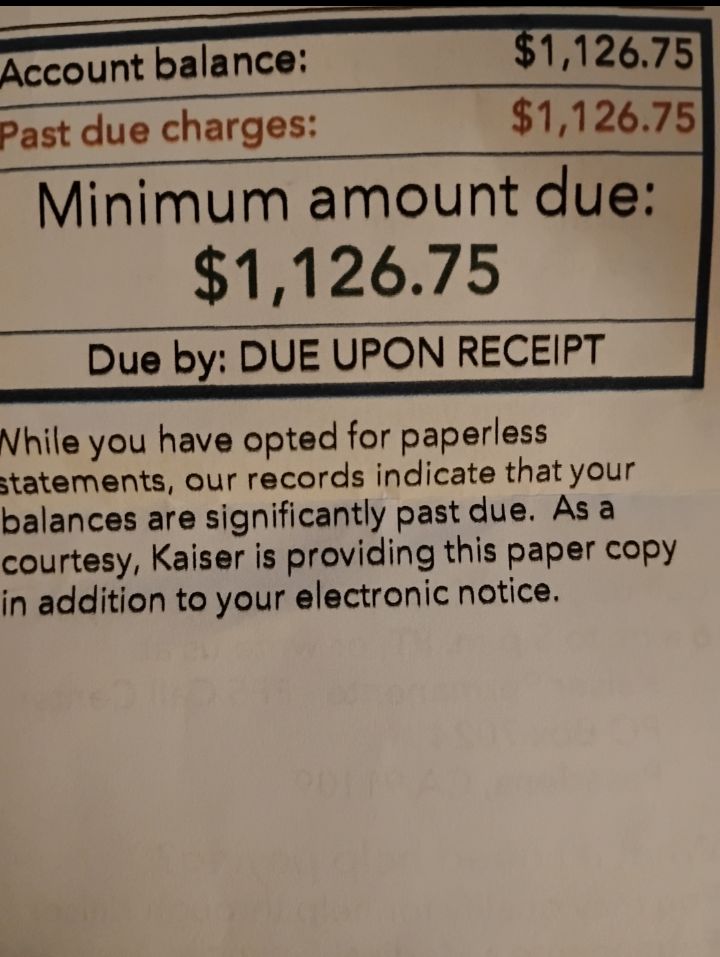
One day a letter came in the mail: a $1,200 bill from nowhere.
No explanation that made sense, no up-front estimate, no conversation beforehand.
Just a demand.
If I didn’t pay, I would be in collections; if I missed another premium, my insurance would be canceled.
That’s the nightmare millions of Americans face. They aren’t careless or reckless — they’re simply locked out by a system that hides the rules until the punishment arrives.
The bureaucracy moves faster than any human being can. A payment is late, a form is misplaced, an address changes, and click — coverage gone.
The Three-Month Trap
Under the so-called Affordable Care Act, if you miss three months of payments, your healthcare disappears.
Not reduced, not adjusted — gone.
No one asks if you were between jobs, waiting on a client payment, or facing a family emergency.
The system simply cancels you, even if you’re healthy, even if you haven’t cost the plan a single dollar.
That’s what happened to me.
I was paying what I could, sometimes early, sometimes late, but always willing.
Then came winter. Work slowed. Gas prices climbed. Taxes bit deep.
And for missing one hundred dollars — one hundred dollars — I lost coverage that took months to set up.
I didn’t get sick. I didn’t visit a hospital. I stayed fit, ate right, exercised — and was punished for it.
That is the absurdity of the system: it doesn’t reward health; it monetizes sickness.
A Marketplace Without Humanity
They called it a marketplace.
But marketplaces are supposed to have freedom, choice, and competition.
This one is built like a casino where the house always wins.
You pay your chips in premiums, co-pays, and deductibles, but the game is rigged from the start.
The government sends subsidies directly to insurers.
Citizens never touch the money.
We never see where it goes.
If you stay healthy, they still keep your subsidy.
If you get sick, you pay more on top of it.
Either way, the corporations win.
It’s a system designed not to heal people, but to feed itself — a tangle of contracts, codes, and software that treats human lives as transactions.
The Corporate Machine Behind the Curtain
Step into any large hospital and you’ll see the scale of the problem.
Marble floors. Endless wings. Advertising screens promising “compassionate care.”
But behind that glow lies a machine tuned for profit:
Facility fees on every visit — sometimes hundreds of dollars just for walking through the door.
Labs charging five to ten times the cost of the same tests offered by independent clinics.
Automatic prescriptions that turn manageable conditions into lifelong dependencies.
Billing departments with hundreds of employees whose job is not to heal but to code, process, and collect.
Every part of the system extracts a toll.
Every improvement in technology becomes another line item to bill the government.
And every year, the average American falls deeper into medical debt.
A Government That Doesn’t Listen
I tried writing letters.
I reached out to Washington when President Obama was still in office.
I explained the flaws — the billing chaos, the three-month cancellation rule, the punishment of healthy behavior.
Nothing changed.
No one called.
No one listened.
The marketplace was a prototype that never evolved.
It was built before the era of artificial intelligence, before real-time data, before citizen feedback could flow straight into policy.
It was a patchwork of good intentions held together by outdated code.
It insured more people on paper, but it helped fewer people in practice.
It became a corporate feeding ground, not a human health system.
A President Who Listens
That is why I’m writing again — not to complain for the sake of it, but to demand that this government finally listens.
The next president, the one willing to hear ordinary citizens, must take this as a call to action.
He must be a listening president, someone unafraid to confront hospitals that profit from illness, insurers that hide prices, and pharmaceutical companies that keep America medicated instead of healthy.
A leader who will use AI efficiency to expose corruption, break down waste, and rebuild trust between citizens and care.
A leader who will see the truth: that health care is not a market — it’s a mirror of how much a nation values its people.
The Beginning of the Gold Case
This is not just my story.
It’s a record.
A real bill, a real life, a real example of how Americans are being quietly drained by a system that doesn’t want them to get better.
In the next part, I’ll open the numbers — every charge, every line item, every hidden fee.
We’ll see who profits, who pays, and how the rules were written to keep it that way.
Then we’ll build the checklist that any listening president can use to change everything.
The Spending Card Revolution
From Premiums to Purpose
Every year billions of dollars move through the American health-care system—tax credits, subsidies, and reimbursements. Yet the people those dollars are meant to protect never actually see them. They disappear into insurer ledgers, hospital networks, and corporate billing departments.
The tragedy is that the money meant for health doesn’t make anyone healthier.
It feeds the paperwork, not the person.
That is why we need to redesign how government health funds reach citizens.
Instead of vanishing into insurance companies, the money should be placed on a Health Spending Card—a real card in every citizen’s hand, tied to an account that can only be used for things that sustain or restore health.
The Purpose of the Spending Card
The Spending Card isn’t welfare; it’s responsibility.
Every dollar placed on it would have a clear rule: it can be used for verified healthy choices and preventive care—nothing else.
Healthy Food: fruits, vegetables, lean proteins, whole grains.
Preventive Tests: annual blood panels, glucose checks, cholesterol screenings.
Movement: gym memberships, fitness programs, local sports.
Learning: certified nutrition and cooking classes that teach people how to eat for life.
Anything outside those rules—junk food, sugary drinks, alcohol, tobacco—simply wouldn’t process.
The card itself becomes a quiet teacher: you can’t buy what harms you.
The Truth About Health
Most people aren’t sick; they’re uneducated about their own bodies.
If Americans understood the basic chemistry of life, they would spend less, live longer, and never fear a doctor’s bill again.
Take insulin, for example.
It isn’t a mystery—it’s a key.
It unlocks the door to your cells so that the food you eat can be turned into energy.
If that key breaks, or if the lock stops working, your body can’t absorb its own nutrition.
You can eat and drink endlessly and still starve at the cellular level.
Millions of Americans can’t explain that single sentence.
They don’t know what insulin does, how resistance develops, or how diet repairs it.
Because of that ignorance, hospitals overflow with patients suffering from the most preventable crisis in modern history.
The Crisis of Ignorance
Look around any emergency room in the country and you will see it:
patients whose blindness, fatigue, and obesity trace back to insulin resistance—a problem rooted not in genetics but in lifestyle and education.
We treat these patients with more medication, not information.
We hand them pills instead of teaching them how to cook.
And every new prescription becomes another profit stream for corporations that depend on illness to balance their books.
Healthy citizens threaten that economy.
They buy fewer drugs, need fewer procedures, and generate less revenue.
So the system quietly prefers sickness—it keeps the machine running.
The Role of the New Health Department
The Spending Card would belong to a new kind of Health Department—not one that just manages insurance plans, but one that authorizes learning, purchasing, and living well.
Its mission would be to teach, verify, and reward healthy behavior.
Certification of Wellness Vendors: grocery stores, farms, meal services, and gyms would register with the department so that purchases through the Spending Card are automatically approved.
Cooking and Nutrition Programs: citizens could swipe their card to attend classes that teach them how to prepare food that protects insulin function.
AI Health Advisors: digital assistants would monitor spending trends, blood-test data, and fitness metrics to guide each citizen toward better habits—without invading privacy.
Public Health Data Transparency: anonymized data would reveal which communities are healing and which need more education.
Why It Matters
Every emergency room visit avoided, every medication discontinued through lifestyle change, every family that learns how insulin works—these are victories not only for health but for the national budget.
Prevention is cheaper than treatment, but only if the nation is allowed to participate in its own healing.
A Spending Card would transform health from a passive benefit into an active partnership between citizen and state.
A System That Finally Rewards Health
Here’s how it would work at year’s end:
The government reviews how much you spent from your Health Spending Card.
If you used it wisely—on food, fitness, and verified care—you keep the benefits and possibly earn additional credits.
If you didn’t use all the funds, the remainder rolls back into your tax return as a refund or savings credit.
Waste disappears. Incentives align. The citizen becomes the steward of their own well-being.
The healthier the population, the less the nation spends—and the more prosperous it becomes.
Where This Leads
The Spending Card isn’t just an idea; it’s the foundation for a golden era of medicine—one that replaces dependence with education and bureaucracy with accountability.
When citizens understand insulin, when they know what real food does, when every subsidy encourages wellness instead of chronic disease, America will finally have a health system worthy of its people.
The Scam We Call Healthcare
A System That Doesn’t Listen
Health care in America is a conversation without ears.
It does not listen, it does not adjust, and it does not care that citizens are suffocating under rules that make no sense.
When something refuses to listen, it ceases to be health care; it becomes a scam.
That’s what happened when the Affordable Care Act was born.
The plan threw money at a problem but never solved it.
From the beginning it was a digital maze—an expensive website pretending to be reform.
Every dollar that should have reached the people was swallowed by corporations that learned to treat sickness as a commodity.
The design never changed because the designers never listened.
And a system that never listens is a system that cannot heal.
The Missing Pieces
Real health care covers everything that makes a human whole.
But the current system is sliced into fragments.
Dental? Excluded.
Vision? Often separate.
Preventive nutrition or fitness? Not recognized at all.
Why should a citizen have to navigate five different portals just to stay alive?
Why can’t someone choose only what they need—dental, nutrition, check-ups—and pay for those directly?
Because the rules are written to protect institutions, not individuals.
The ACA marketplace tells citizens when they can start, when they can stop, and how long they can pause.
Miss three months of payment, and you lose everything.
That is not health—it’s enforced dependency.
When the Market Controls the Individual
In a healthy economy, people decide what to buy.
In today’s health economy, the market decides what you must pay.
The hospitals, insurers, and drug companies are the only players at the table.
The citizen is just the chip being moved around.
I’m healthy.
I don’t need a dozen specialists.
Maybe I just need dental care or a wellness check.
But the system doesn’t let me choose; it forces me into full packages designed for profit.
If I try to use the money for multivitamins or healthy food, I can’t—because the marketplace forbids it.
The result? An economy of control where the patient funds a game he can never win.
The Real War: Ignorance
We are not at war with disease; we are at war with ignorance.
Ignorance about the body, about nutrition, about how health actually works.
The government will spend billions subsidizing insurance companies, but not a fraction of that on education.
It will build websites, but not wellness centers.
That is the real tragedy.
Because if you teach people how to live well, you won’t need to spend billions saving them later.
Imagine if citizens could receive grants—$100,000 or even $10,000—to open small community health studios: places where people learn to cook, to exercise, to understand insulin, to teach their children about food.
That would change everything.
That would make America healthy again.
Invest in People, Not Portals
The money should not flow to algorithms that sell insurance plans; it should flow to people who create health.
Nutritionists, community cooks, fitness mentors, wellness educators—these are the real front-line workers of prevention.
They fight ignorance every day, yet they receive none of the funding.
Hospitals are rewarded for the number of patients they process.
Educators are ignored for the number of lives they save.
That equation has to flip.
A President Who Will Listen
What we need now is a president who understands that the people are the system.
Not the hospitals. Not the insurers. Not the websites.
A president who recognizes that throwing money into bureaucracy is not reform, and that the marketplace is not sacred—it’s just software that can be rewritten.
Technology should empower citizens, not trap them.
AI should make health cheaper, faster, and smarter, not a new way for corporations to watch our wallets.
That’s the difference between leadership that listens and leadership that lectures.
Part Four – The Golden Health Revolution
Investing in People, Not Paperwork
Every reform that works begins with the same decision: trust the citizen.
For decades, America trusted paperwork—forms, claims, and bureaucracies.
Now we are learning that real change happens when we invest in people themselves.
When citizens are funded directly, they make better choices.
When they have spending cards tied to healthy behavior, the nation saves billions.
And when technology—real, verifiable, AI-driven technology—handles testing and diagnostics, we no longer need to fill hospitals with people who could have stayed well.
A New Partnership: Citizens, Tech, and Government
We no longer need to wait weeks for a lab result or months for an appointment.
Artificial intelligence can already scan the retina for signs of diabetes, detect nutrient deficiencies from a single drop of blood, and flag early risk for heart disease or kidney stress.
These aren’t futuristic dreams—they’re tools that exist now.
The next step is integration:
AI Clinics that handle diagnostics in minutes.
Certified Healthy Restaurants where the oil, sugar, and salt content are transparent and regulated.
Nutrition Spending Cards that let people buy meals meeting verified health standards if they don’t have time to cook.
AI Oversight Panels ensuring the data stays private and the results serve the citizen, not the corporation.
When people have access to this ecosystem, health care becomes maintenance, not rescue.
The Role of Leadership
This transformation requires leadership that listens.
The President and the Secretary of Health have taken early steps toward rebuilding trust between citizens and science:
pushing for clearer food labeling,
accelerating the removal of high-fructose corn syrup and harmful additives,
supporting domestic companies reformulating their products to meet new wellness standards.
Major brands—Coca-Cola, PepsiCo, and multiple restaurant chains—have already pledged to reduce added sugars and artificial ingredients in response to consumer demand and federal guidance. It shows what can happen when leadership, industry, and public awareness align.
The First Lady’s Mission: Health Education for a New Generation
True health reform isn’t just about policy—it’s about culture.
The First Lady can lead an Education Tour for Wellness, bringing nutrition, fitness, and digital literacy into every school.
She can show families that understanding food chemistry is as important as reading and math.
This new movement would go beyond slogans and into practical teaching: how to read labels, how to recognize insulin’s role, how to prepare food that heals.
Previous initiatives made an important start but faced industry resistance and public confusion. The lesson is clear: education must be continuous, community-based, and backed by technology that tracks real improvement, not just promises.
Empty Hospitals, Healthy Streets
The goal isn’t to close hospitals; it’s to make them quiet.
When citizens are healthy, when AI catches disease before symptoms appear, emergency rooms become rare, not routine.
That’s the sign of a successful system: when prevention replaces panic.
Imagine a country where:
The number of annual hospitalizations drops by half.
Health spending declines because people simply don’t need treatment.
AI-assisted wellness checks are as common as driver’s licenses.
American hospitals become models for the world—training centers for preventive medicine and ethical AI.
A New Kind of Security
Ignorance is the real border we must secure.
The same coordination used to manage physical borders can protect the mental and nutritional borders of the nation.
If we defend our population from misinformation, poor food, and predatory corporations, we defend the very body of America itself.
The fight is not against immigrants, industries, or ideologies—it’s against indifference.
When the government, tech innovators, and citizens unite to fight ignorance, the country becomes invincible.
The Legacy Ahead
This moment can mark the beginning of America’s golden health era—a time when AI listens to the people, when government funds flow directly to citizens, and when health care finally becomes about health.
The legacy will not be another website or a marketplace.
It will be a movement—a nation that learned to eat wisely, live consciously, and heal naturally.
A country that chose to listen.
I’m going to be going through my healthcare bills and explaining the problems with the current healthcare system. For now, you can take a look at the bills I’ve shared. I stopped going to the doctor, and I stopped paying my healthcare bill because I’ve had too many problems. I’m preparing a complaint for the President, and I hope he will listen. He can review my bills and see what’s happening firsthand. I look forward to coming to the White House to show him my documents and to bring others who also want to share their stories. This system is rigged—it’s built for big corporations, not for the people. They keep making changes, but they never listen, and they never stop.
Kaiser Permanente — Real Billing Breakdown (Patient: Omar)
Receipt ID: GOLD-KAISER-20251030-001
Statement Date: 10/23/2025
Visit 1 — June 11, 2025
Type: Outpatient (Optometry)
Purpose: Eye exam and lens assessment
Time spent: About 30 minutes
What happened:
I came in for a simple eye checkup — nothing complicated, just a routine visit. They ran a few tests, asked basic questions, and sent me on my way. No real explanation, no follow-up advice, and certainly no reason for the total they sent me later.
Bill:
Amount billed: $285.00
Adjustment: – $71.25
Payment made: – $40.00
Balance due: $173.75
For a half-hour visit that barely helped, this felt excessive.
Visit 2 — June 23, 2025
Type: Outpatient (Office Visit + Lab)
Purpose: General consultation and lab work
Time spent: Around 45 minutes
What happened:
They drew blood, ran tests, and said they’d follow up. I never got a clear report or explanation. The visit seemed to exist mostly to justify the billing.
Bill:
Amount billed: $784.00
Adjustment: – $464.00
Payment made: $0.00
Balance due: $310.00
I didn’t learn anything new about my health — but the bill showed up right on time.
Visit 3 — July 15, 2025
Type: Outpatient (General)
Purpose: Routine medical services
Time spent: About 25 minutes
What happened:
I went in hoping to get better direction about managing my health naturally. Instead, it turned into another quick visit, more paperwork, and another prescription I never asked for.
Bill:
Amount billed: $994.00
Adjustment: – $296.00
Payment made: – $10.00
Balance due: $643.00
Overall Summary
Total Billed Adjustments / Discounts Payments Made Remaining Balance (Past Due) $2,063.00 – $831.25 – $105.00 $1,126.75
What This Shows
Every visit was short, rushed, and expensive.
I was billed over $2,000 for less than two hours of total time spent.
Payments were scattered across accounts, so even after paying, I still show as “past due.”
No upfront estimate was provided for any visit.
No real improvement in my health — only more confusion and debt.
This is the reality millions of Americans face: small visits, big bills, and no transparency.
Each of these visits tells a story — not just of my experience, but of a system that doesn’t listen, doesn’t explain, and doesn’t heal.
Conclusion – The Truth About American Healthcare
The truth is, I’m not just going through my own bills — I’m going through the soul of American healthcare.
Because what happened to me has happened to millions. It’s not about one patient, one company, or one bill. It’s about a system that was built to look perfect on paper while people quietly go broke in real life.
The Problem Everyone Talks About, But Nobody Fixes
Everyone in Washington claims they want to fix healthcare.
They make speeches, they launch websites, they pass bills with beautiful names — but nobody listens to the people who actually live inside the system.
Not one of them wants to sit down with an American like me and ask,
“What really happened? What did you pay for? Did it help? What needs to change?”
They create programs without conversation, policies without participation.
And that’s why it fails.
This isn’t about politics. This is about listening — the one thing the system refuses to do.
The Era of Silence
I reached out before.
I tweeted at President Obama. I told him the truth — that this system was a scam.
He never replied.
Because when a man’s name is stamped on a program, he stops listening to what’s wrong with it.
He starts defending it instead of fixing it.
That’s what happened with Obamacare.
It became a monument to ego instead of a service to people.
A digital maze that looks like progress, but leads nowhere.
And anyone who dares to say so gets ignored.
The Turning Point
Now, we are entering a new era — one of accountability and explanation.
It’s not enough to just write a bill or build a website.
Humanity needs an explanation.
People need to understand why they pay so much, why they’re punished for being healthy, why hospitals thrive while citizens drown in debt.
That’s what I’m building: an explanation that cannot be ignored.
I’m going through every bill, every visit, every unfair charge — line by line — and I’ll show how the money moves, who profits, and who loses.
This isn’t theory; it’s evidence.
This is the real story of healthcare in America.
The Vision Forward
When I’m finished, there will be no confusion about what needs to be done.
We’ll talk about:
The Health Account — where citizens control their own funds.
The Spending Card — which rewards prevention, not prescription.
AI Integration — that replaces bureaucracy with intelligence.
Transparency — where every cost is shown before you’re billed.
Wellness Education — because no nation can heal without knowledge.
The Legacy of the Listening President
By the time I’m done, President Trump will be remembered not just as a reformer but as the greatest healthcare man of all time.
Because greatness doesn’t come from paperwork — it comes from listening.
He listens to the people. He hears the pain. And he’s not afraid to fix what others refuse to touch.
This will be the presidency that finally took on the healthcare industry, rewrote the rules, and made health care about health again.
It will be remembered as the turning point — the moment America stopped being scammed and started being healed.
The Message to Humanity
So they can wait for my video.
Because I’m not just going to write something — I’m going to explain everything.
And when humanity finally hears that explanation, they’ll understand how we got here, who profited from our pain, and how we can fix it forever.
This is not just my story.
This is America’s diagnosis.
And together, we’re going to write the cure.
Final Message — Stand By for the Video
America, get ready.
I’m going to record a video that will take you through the entire truth about healthcare — the problems, the lies, and the real solutions that nobody wants to talk about.
We now have the bills, the documents, the facts, and the understanding.
What’s missing is a human being standing before you, telling the truth — explaining what went wrong, how we got here, and how we’re going to fix it.
This is that moment.
President Trump is going to be remembered as the listening president, because he chose to hear what others ignored.
He listens to the pain of the people.
He’s not hiding behind degrees or titles or speeches that mean nothing in real life.
He listens — and that is why he will become the greatest president in the history of American healthcare.
Obama never listened.
He was educated, yes, but education without listening is blindness.
He built a system of pride, not partnership.
He built a website, not a conversation.
Trump is different.
He meets with people.
He looks you in the eye.
He asks questions.
He’s willing to learn from the people he serves.
In the coming video, I’m going to encourage every American who has a story, who has a bill, who has been ignored or overcharged, to come forward.
Bring your bills. Bring your experiences. Bring your truth.
Together, we will build a new feedback system — one that connects real people, real data, and real solutions.
We’re going to end the era of silence.
We’re going to expose hospitals and corporations that profit from pain.
We’re going to use AI not to replace people, but to understand them — to connect their health, their habits, and their healing.
We’ll rebuild America’s health on knowledge, not confusion; on natural remedies, not endless prescriptions.
This is not just a reform.
This is a rebirth.
A new connection between people, technology, and truth.
The next chapter begins now.
So stand by for my video.
It’s coming soon.
And when it does, you’ll see exactly how we’re going to fix this broken system — together.