

بِسْمِ اللهِ الرَّحْمٰنِ الرَّحِيْم
In the Name of God, Most Gracious, Most Merciful
♥️🤲🕋♥️🕋🌹🌹🥀🤲🌹🕋♥️🤲
The man whose pen was dipped into heaven to beautify the Quran
Ibn al-Bawwāb — The Pen That Dipped into Heaven
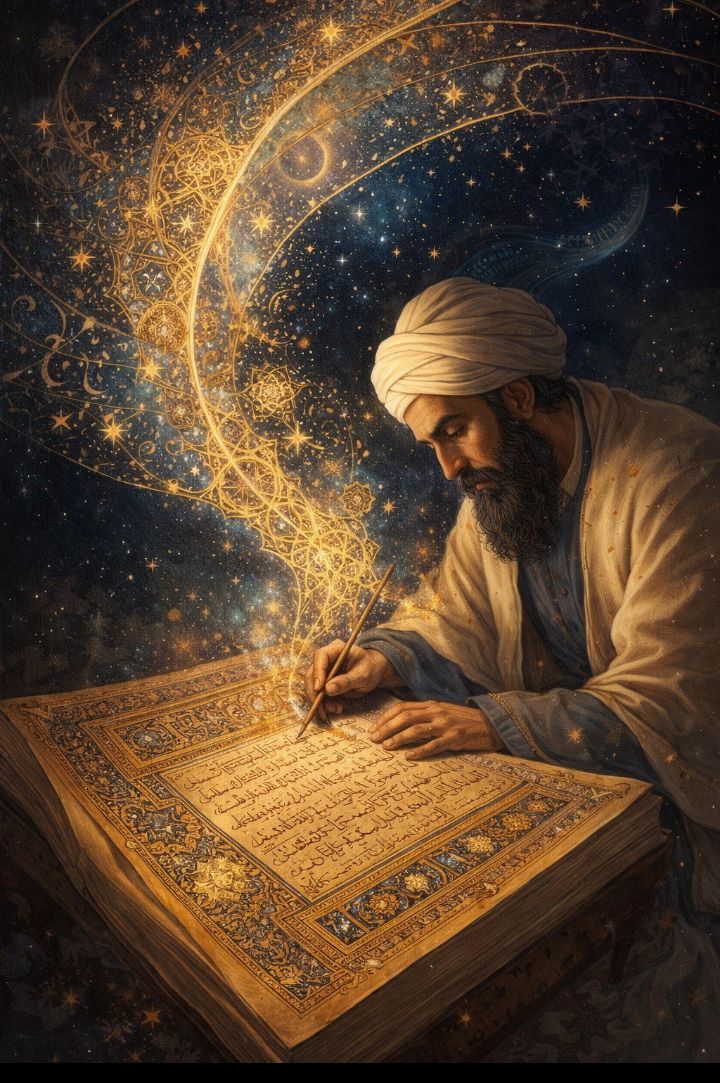
Watch "The man whose pen was dipped into heaven to beautify the Quran" on YouTube
The man whose pen was dipped into heaven.
He did not merely write the Qur’an—he unveiled it. He reached upward, into the geometry of the stars, into the hidden order that governs beauty itself, and he brought that order down onto the page. What emerged was not decoration, not embellishment, but an awakening. Gold did not sit idly on parchment; it spoke. Geometry did not exist for symmetry alone; it guided the eye, disciplined the gaze, trained the heart to slow down and recognize that it was standing before something sacred.
This was not ink arranged into letters. This was revelation given a body.
You look once—and you look again. Not because the script demands it, but because your eyes are caught, suspended, held in a harmony that feels deliberate, measured, inevitable. Every line knows where it belongs. Every space breathes. Some words shimmer in gold, some retreat into humility, some rise in rhythm and proportion, all of them conspiring to remind you: you are not reading a book like any other. You are being invited into an experience—one where sight becomes devotion, where beauty becomes instruction, where understanding enters not only through meaning but through awe.
He did not decorate the Qur’an. He made it visible as glory.
The page itself became a teacher. When to pause. When to bow. When to prostrate. When to linger. When to tremble. Layers upon layers—script, illumination, proportion, balance—working together so that the heart is pleased, the mind is sharpened, and the soul is quietly overwhelmed. This was not excess; this was precision elevated to reverence. Not ornament for ornament’s sake, but order in service of the Divine.
Have you ever been captured by beauty so complete that you forget to blink?
Have you ever felt your heart quicken because your eyes recognized truth before your mind could name it?
This is what he did.
He took the eternal words of God and placed them inside a universe of light—so that when you held the page, the page held you.
Before the glory. Before the gold. Before the geometry fell from the heavens onto the page—look.
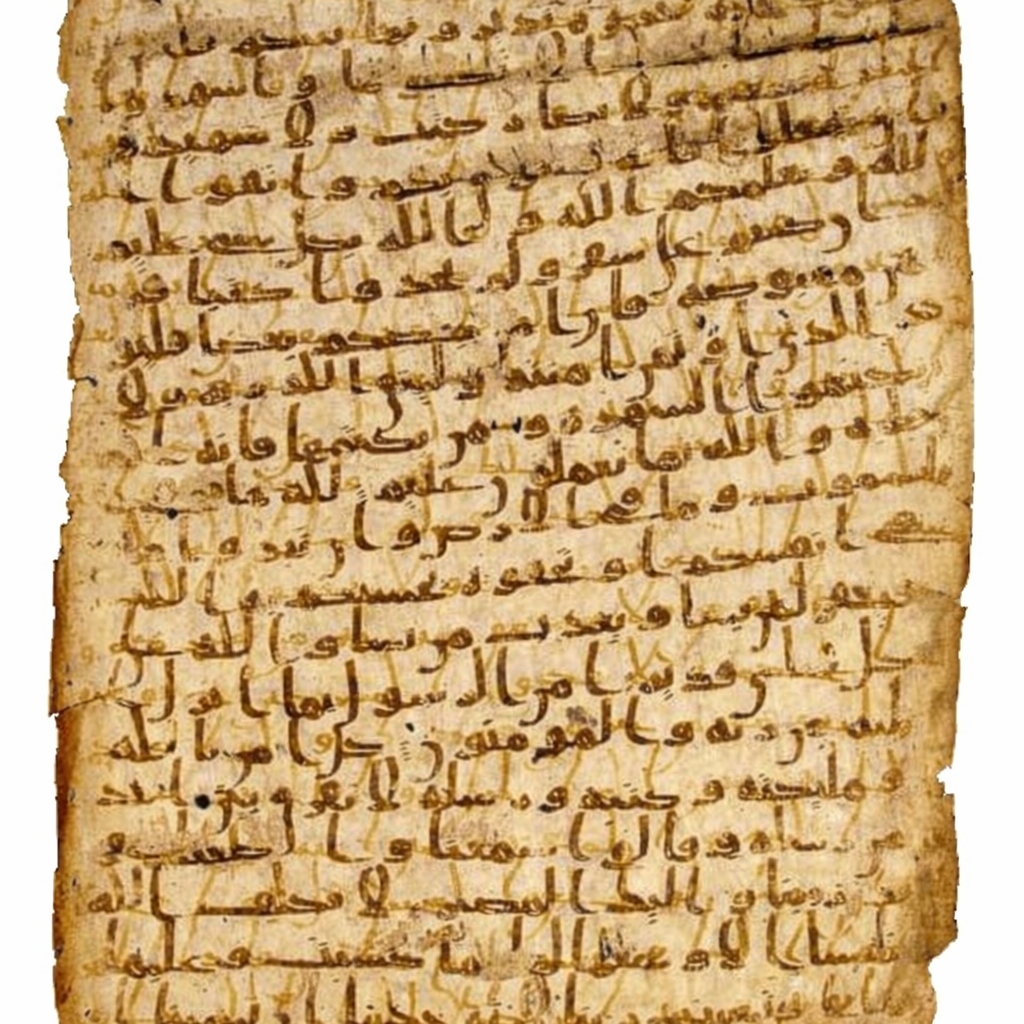
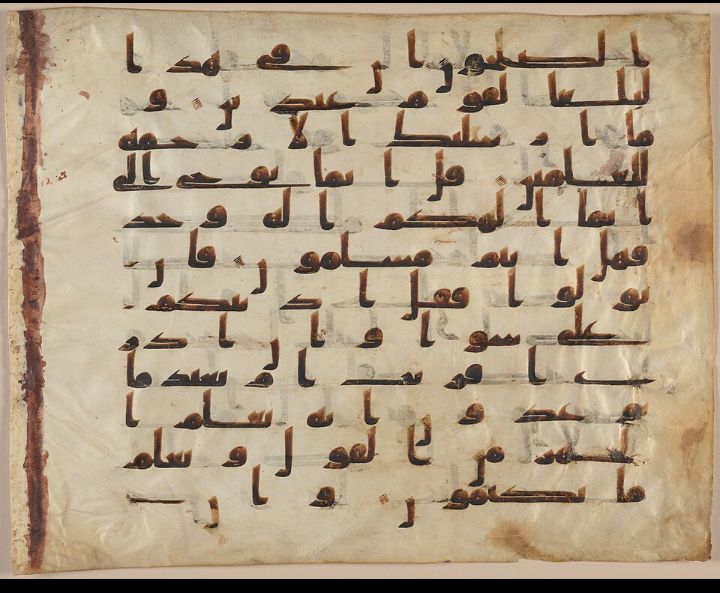
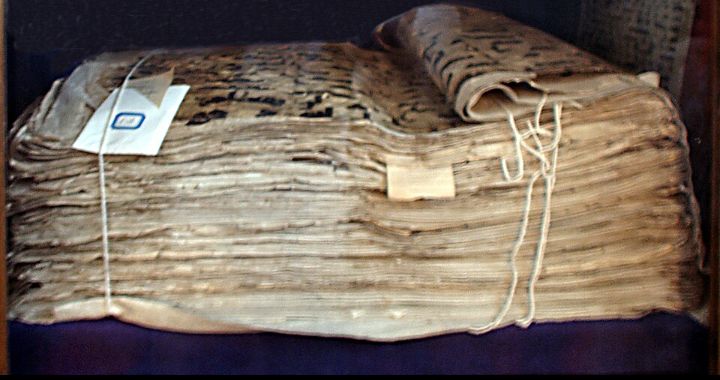
Look at the hands in motion.
Look at the people carrying meaning forward while history was still moving.
Look at the scripts that were not trying to dazzle, only to preserve.
These pages were written by a civilization on the move—protecting the Word, guarding the sound, keeping the Qur’an legible as empires shifted and time pressed forward. Different scripts, different rhythms, different solutions to the same sacred task: do not let the meaning be lost. This is Islam in motion, faith traveling light, ink serving necessity.
But then something changed.
When the House of Wisdom rose, when the Muslim world had stability, patronage, time—when minds turned upward to mathematics, proportion, geometry, and the hidden order of the universe—the Qur’an received something more than preservation. It received a stamp. A signature that history would never erase.
That is why we ask you to look here first.
To see what came before him.
To understand the restraint, the simplicity, the humility of pages that carried truth without ornament.
Because only then can you comprehend what followed.
What came next was not written merely by the hand. It came from the soul. From the heart. From the deep ocean of real beauty—where mathematics meets devotion, where geometry becomes worship, where the eye is prepared to be overwhelmed.
We are not exaggerating.
We are preparing your sight.
Look carefully.
Your eyes are about to be stunned.
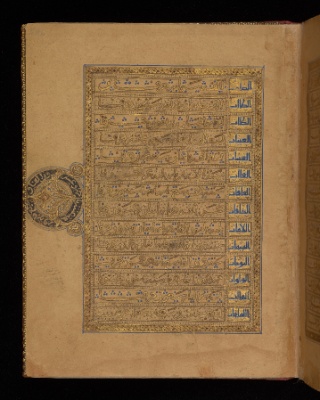
Image One — The Page That Breathes
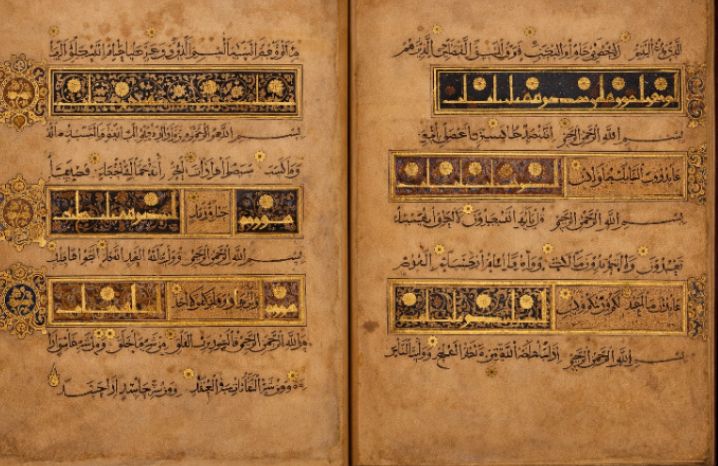
Do you see it?
The stillness. The balance. The restraint that suddenly gives way to glory.
This is not ink laid on parchment.
This is order revealed.
Every line measured.
Every curve intentional.
Gold placed not to impress—but to guide the eye.
Geometry not as decoration, but as discipline.
Your gaze does not wander.
It is led.
The page teaches you how to look before it asks you what to read.
You are not rushed. You are not overwhelmed.
You are drawn inward—line by line—until meaning and beauty arrive together.
This is the moment the Qur’an stopped being merely preserved
and began to be experienced.
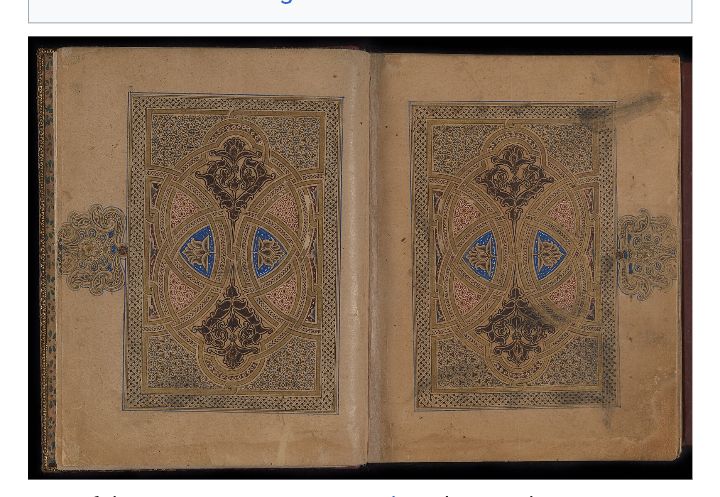
Image Two Below— When the Book Opens the Sky
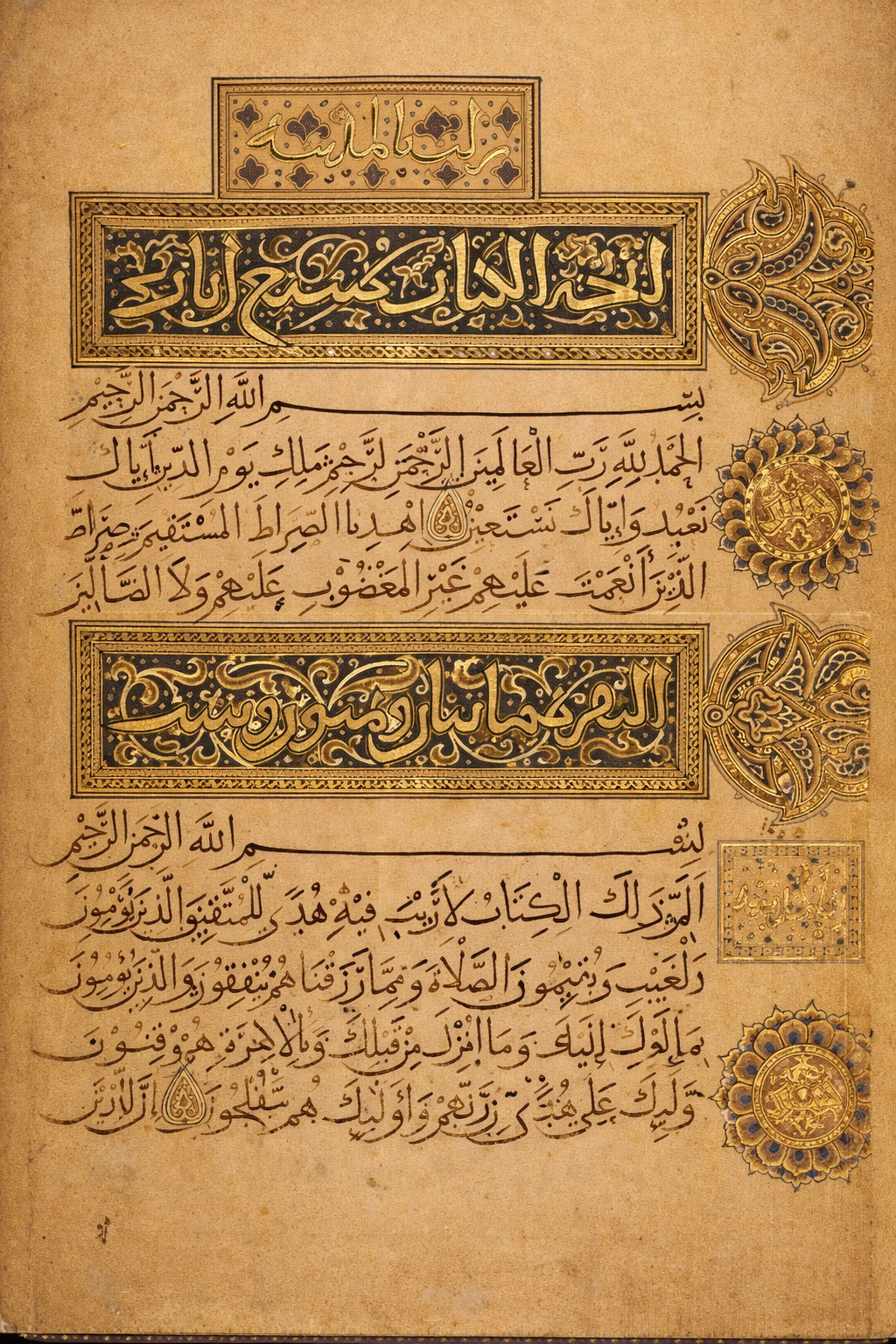
Now look again.
The gold speaks.
The symmetry hums.
The page breathes with proportion so precise it feels inevitable—
as if it always existed this way, waiting to be uncovered.
This is where the pen was no longer copying.
It was translating the heavens.
Geometry descends like constellations mapped onto the page.
Borders hold the Word the way the cosmos holds stars—
not confining them, but honoring their place.
Your heart accelerates because your mind recognizes order.
Your eyes linger because beauty has weight.
You are not simply reading revelation—
you are standing inside it.
This is not excess.
This is elevation.
If you feel suspended, mesmerized, unwilling to look away—
then you understand.
And if you do not yet see it,
look again.
Some pages are meant to be read.
Others are meant to change the way you see forever.
Not Beauty Alone — But Guidance Made Visible
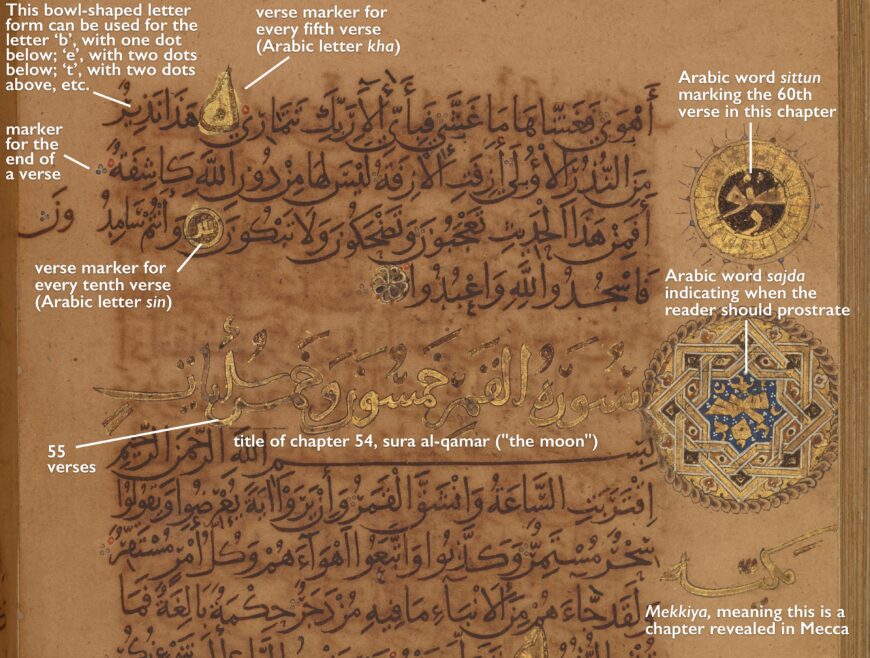
This was not beauty for beauty’s sake.
This was instruction.
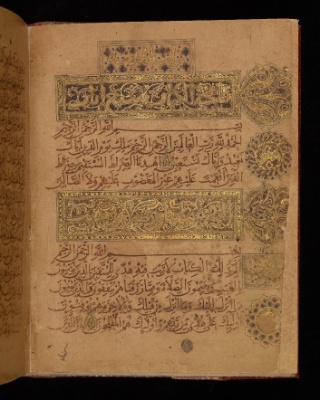
Every mark on this page teaches the reader how to read.
Every symbol carries meaning beyond the word it surrounds.
Nothing here is accidental. Nothing is excess.
The gold does not merely shine — it signals.
Verse markers guide the eye through revelation.
Geometric medallions count, pause, instruct.
The script bends and breathes to distinguish letters, sounds, and rhythm.
Even the act of worship is written into the page:
markers telling the reader when to stop,
when to bow,
when to fall into prostration.
This is pedagogy without speech.
Education without interruption.
A silent teacher living inside the manuscript.
The page becomes a map — not only of verses, but of practice, discipline, and attention.
The reader is not left alone with the text.
They are accompanied.
This is where art crosses into knowledge.
Where geometry becomes memory.
Where beauty serves understanding.
Nothing like this existed before.
And nothing after could ignore it.
This was the moment the Qur’an became visually intelligent —
a book that teaches the eyes
while the words teach the soul.
Ibn al-Bawwāb — The Pen That Dipped into Heaven
His name was ʿAlī ibn Hilāl, known to history as Ibn al‑Bawwāb.
And before him, the Qur’an was written.
After him, the Qur’an was revealed again — to the eyes.
He was not merely a calligrapher.
He was not merely an illuminator.
He was the man whose pen was dipped into heaven, who gathered geometry from the stars and poured it—measured, aligned, sanctified—onto the pages of the Book of God.
Where others preserved the Word, Ibn al-Bawwāb elevated it.
He took the discipline inherited from his great predecessor, Ibn Muqlah, and completed it—not by adding excess, but by achieving perfect balance. Letters now obeyed proportion. Space breathed. Lines bowed with intention. Gold no longer decorated; it illumined. Geometry no longer framed the text; it explained it.
This was not ornamentation.
This was cosmic order translated into ink.
Under his hand, the Qur’an became a spiritual experience that could not be glanced at only once. The eyes lingered. Returned. Fell in love again and again—not because of the script alone, but because of what was measured, what was harmonized, what was raised to serve the divine Word.
Some verses gleam in gold.
Others recede into quiet precision.
Markers guide the eye. Geometry steadies the heart.
The page itself becomes an act of worship.
You are not reading hurriedly.
You are being led.
Your eyes move as if on pilgrimage.
Your mind sizzles with order.
Your heart recognizes that you are holding something glorious.
This was the turning point.
Ibn al-Bawwāb is the first man in history to bring script, geometry, illumination, instruction, and proportion into a single, unified Qur’anic vision—fully realized, fully intentional, unmatched in its time. He is credited with producing more than sixty Qur’ans. History has been cruel to them. Fire, water, war, neglect—nearly all were lost.
Only one survives.
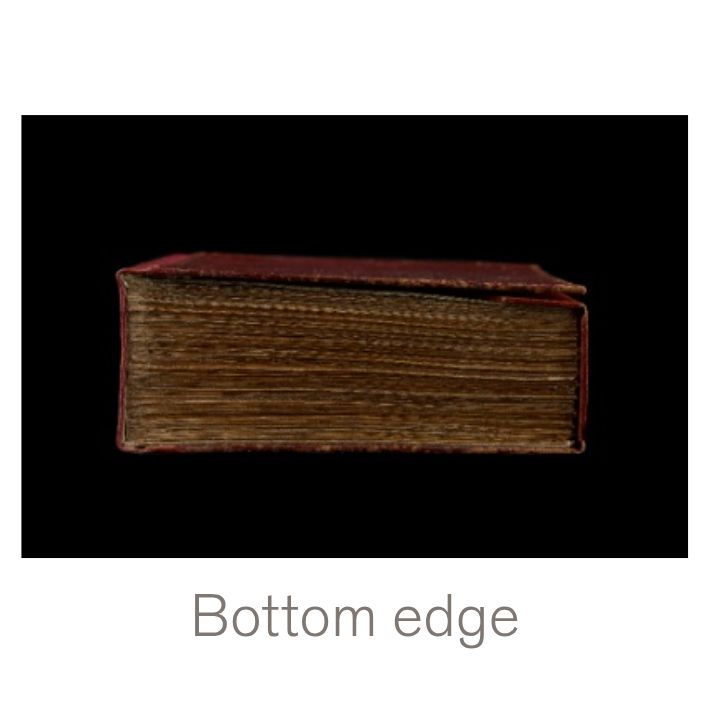
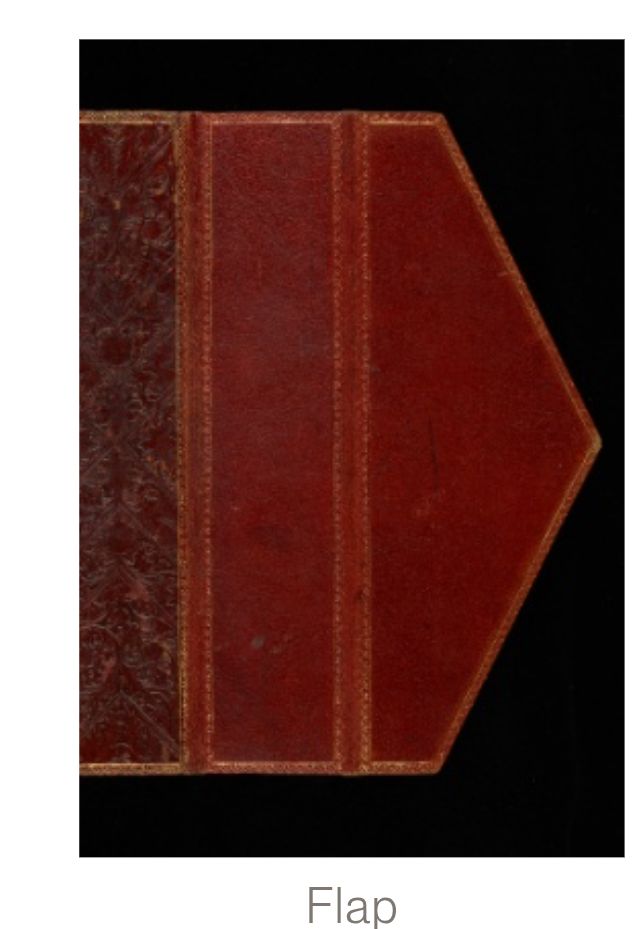
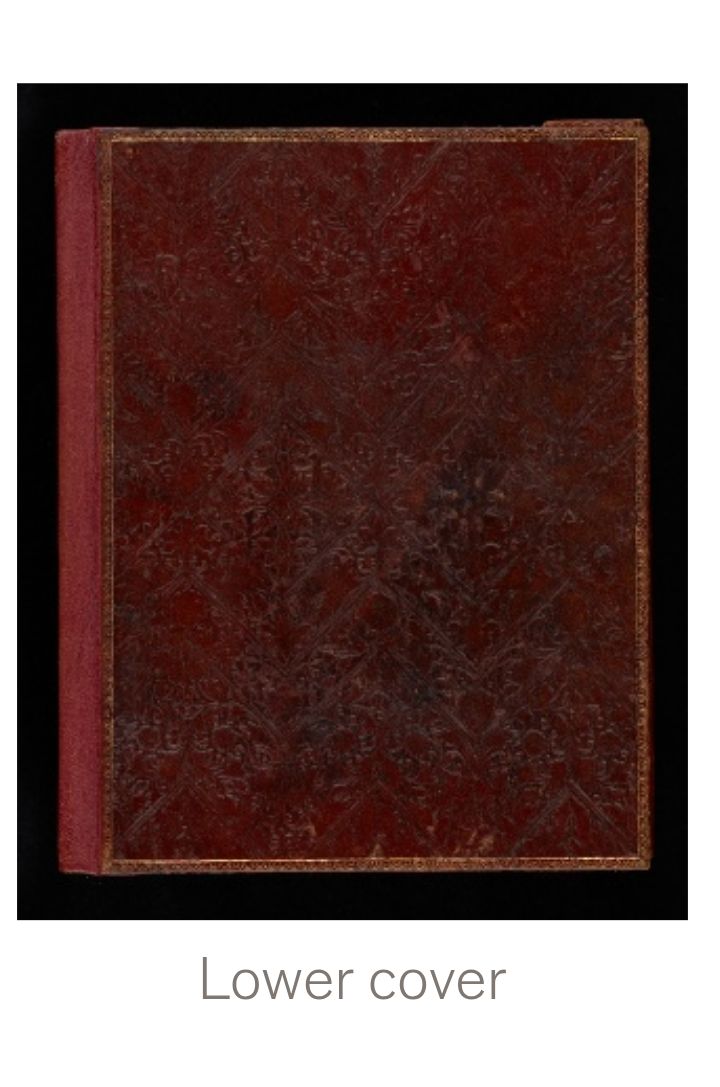
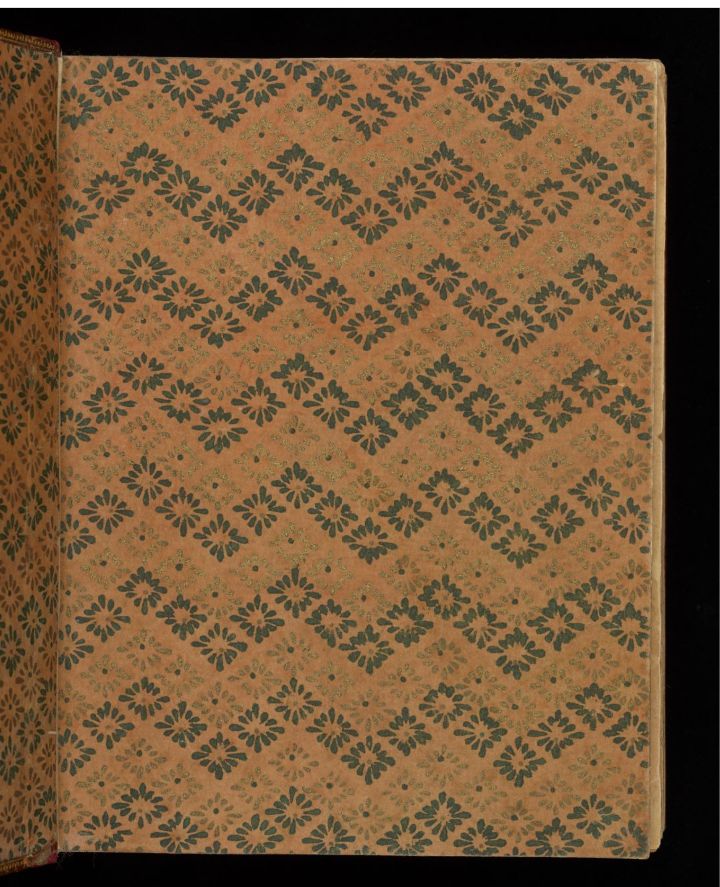
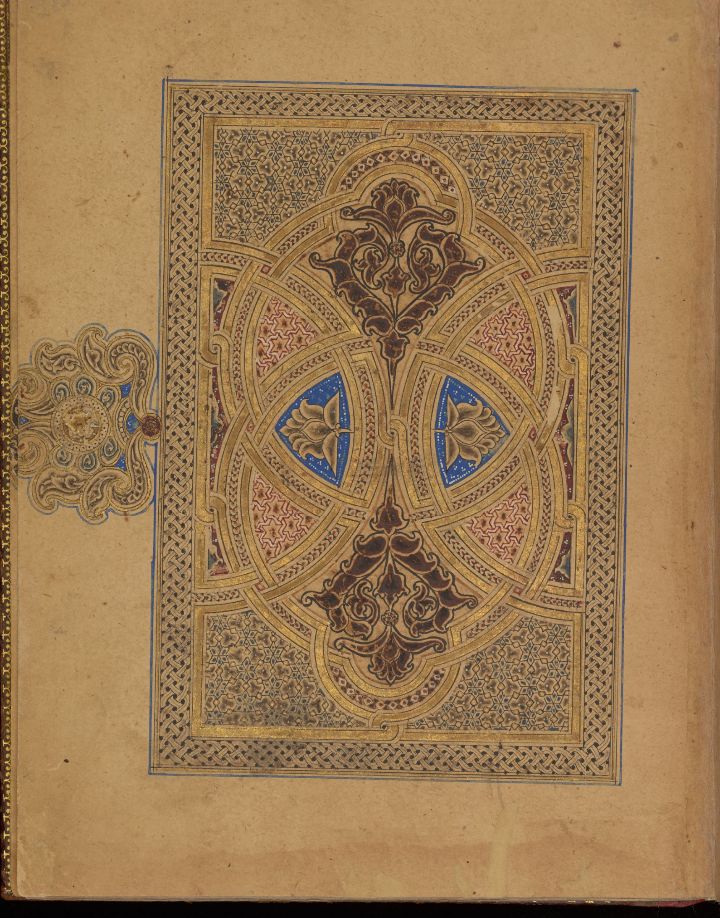
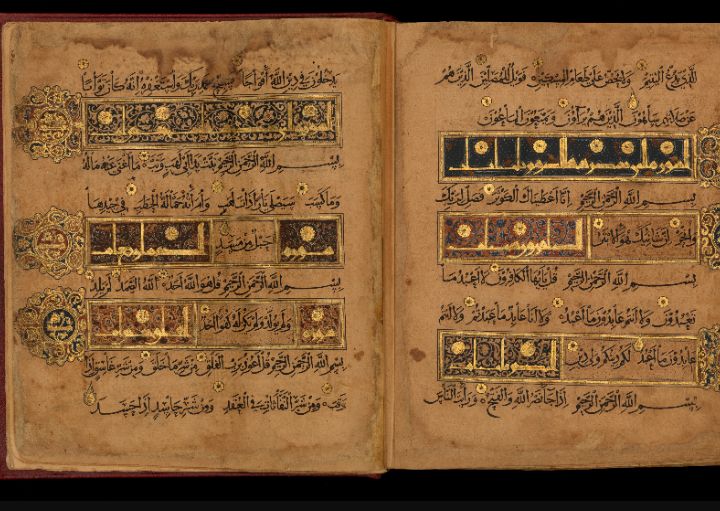
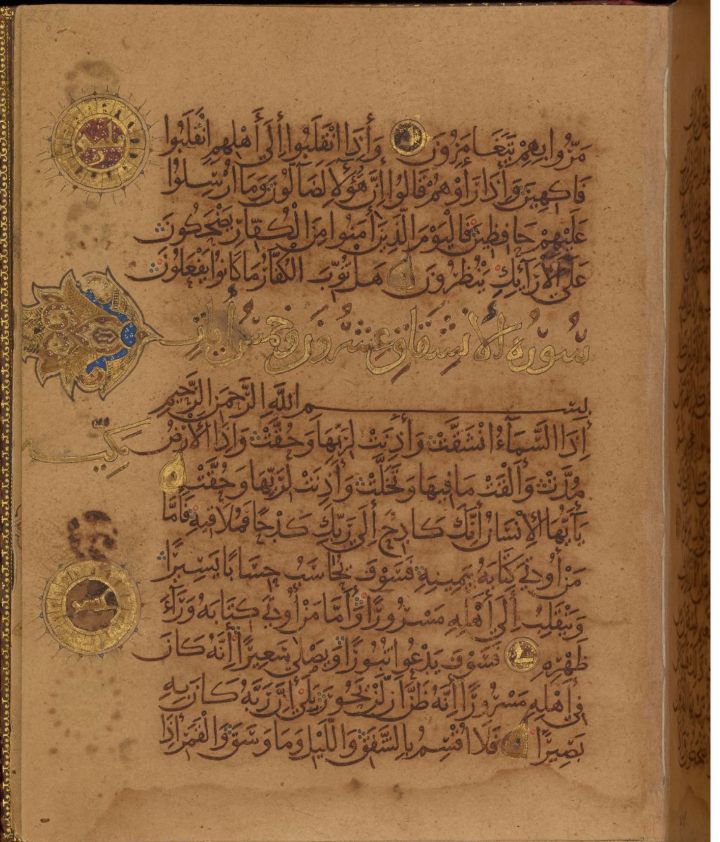
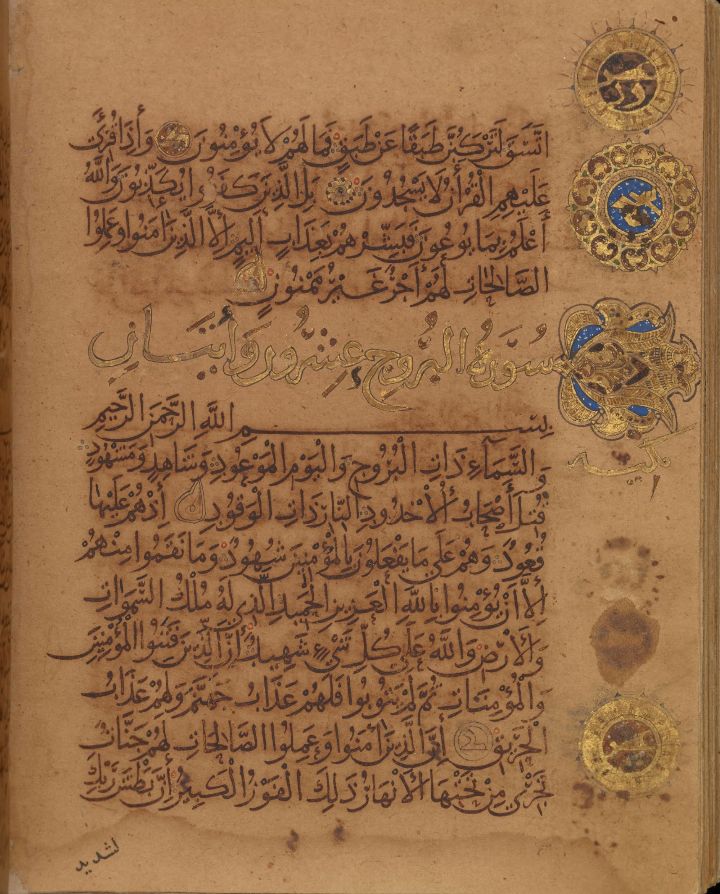
That Qur’an—complete, illuminated, breathtaking—rests today in the Chester Beatty Library, where the world may still look upon it, page by page, and witness the moment Islamic civilization placed its eternal stamp upon the Book of God.
Before him, the Qur’an was written faithfully.
After him, empires competed to make it beautiful.
Every dynasty that followed—Seljuk, Ilkhanid, Timurid, Ottoman—echoed his vision. Geometry multiplied. Illumination exploded. Sacred design became an imperial language. But the source was one man.
Ibn al-Bawwāb did not chase beauty.
He understood order.
And by understanding order, he revealed that beauty was already there—waiting to be seen.
Conclusion — What We Lost, and What We Must Recover
Ibn al-Bawwāb wrote more than sixty Qur’ans.
History erased almost all of them.
Fire. Water. War. Neglect. Convenience.
Today, only one complete, illuminated Qur’an survives—preserved in the Chester Beatty Library, where anyone with patience may still turn its pages and witness what Muslim hands once knew how to do.
And this is the quiet tragedy of our age:
Muslims now read the Qur’an almost exclusively through screens—perfectly legible, infinitely reproducible, and utterly stripped of human presence. No hand trembles in the margin. No gold catches the light differently at dawn and dusk. No geometry slows the eye. No silence is built into the page.
We have preserved the text—but we have abandoned the experience.
The Qur’an was never meant to be consumed.
It was meant to be encountered.
For centuries, Muslims understood this. They copied the Qur’an by hand not because printing did not exist, but because human transmission mattered. The book itself was an act of devotion. The page was a sanctuary. Decoration was not excess—it was reverence disciplined by knowledge.
Ibn al-Bawwāb did not invent beauty.
He protected it from chaos.
And after him, every empire understood the message: if you honor the Qur’an, you honor it with your best minds, your best artists, your best geometry, your best patience.
Today, we do the opposite.
We teach Islam without its arts.
We teach law without its forms.
We teach belief without its beauty.
We do not show the covers.
We do not honor the scribes.
We do not name the people of the House of Wisdom.
We do not train hands to carry what hearts claim to love.
And so something vital has been lost—not doctrine, but dignity.
If there is a future recovery, it will not begin online.
It will begin with a return to the caravan:
to paper that ages,
to ink that fades,
to books that must be carried,
to knowledge that survives because it is loved, not cached.
It should be the aspiration of every Muslim household—not to own the most apps, but to produce at least one hand-made Qur’an, however humble. Written. Decorated. Passed forward. A lineage in ink.
Not for nostalgia.
For continuity.
The Qur’an deserves witnesses, not just readers.
Completing with the prayer for
Ibn al-Bawwāb.
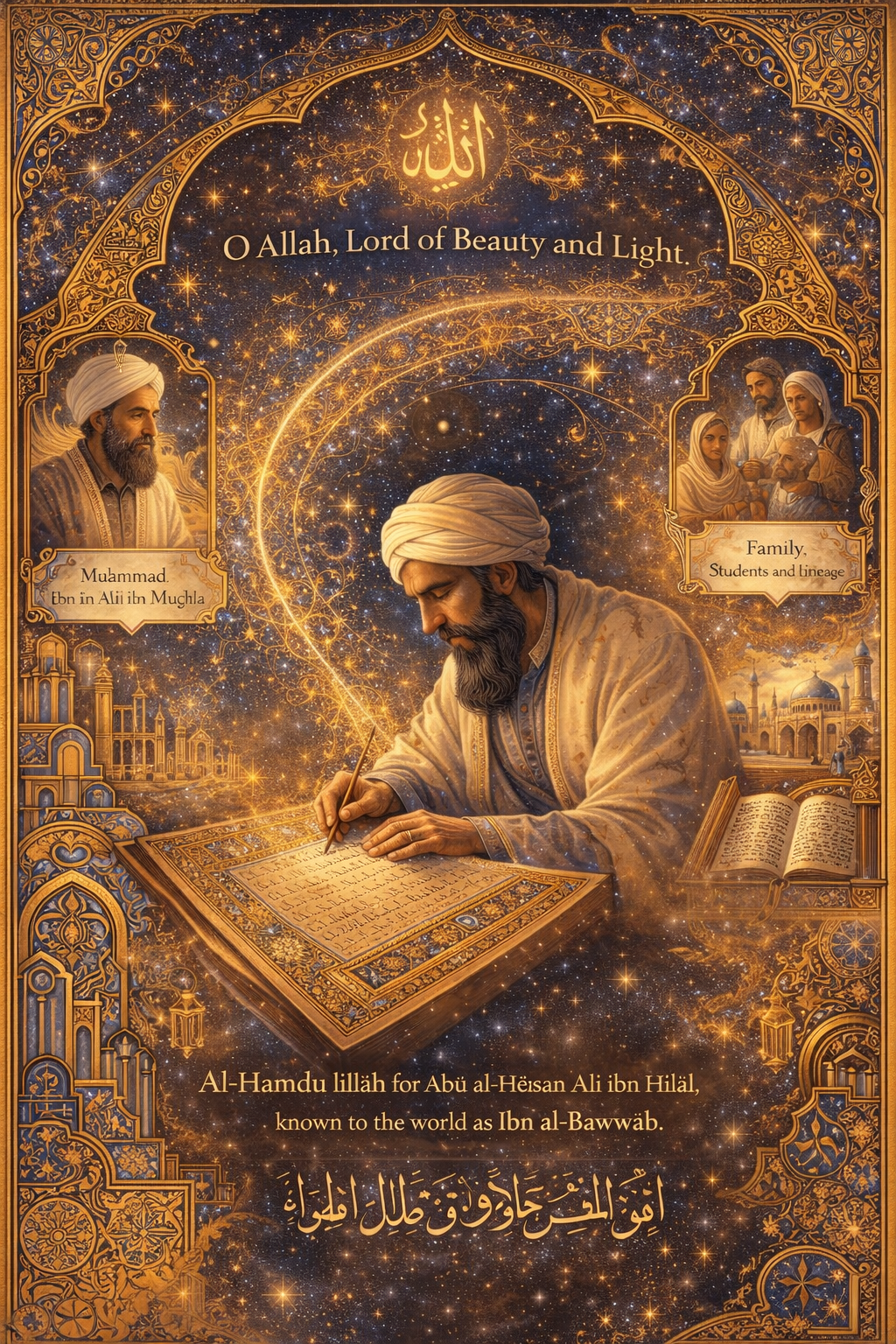
O Allah, Lord of the heavens and the earth,
Lord of beauty, proportion, and light,
We ask You today for Abū al-Ḥasan ʿAlī ibn Hilāl,
known to the world as Ibn al-Bawwāb.
O Allah, You know him better than we ever could.
You guided his hand.
You steadied his eye.
You gave him patience with measure and love for Your words.
O Allah, bless him for the knowledge he inherited from his teacher,
Muḥammad ibn ʿAlī ibn Muqla,
who laid down proportion, discipline, and law for the written word—
and bless Ibn al-Bawwāb for perfecting it, refining it,
and lifting it until heaven itself seemed to rest upon the page.
O Allah, reward him for every letter he wrote in reverence,
for every pause he marked so Your words would be read correctly,
for every line he aligned so hearts would not wander,
and for every ornament he placed not in vanity,
but in service of Your speech.
O Allah, bless his teachers who taught him.
Bless his students who learned from him.
Bless his family, his household, his lineage—
those known to us and those known only to You.
Do not question him harshly.
Do not burden him with the weight of what was lost after him.
Cover him with mercy as he covered Your words with beauty.
Say to him:
“You honored My Book.
You gave My words rest.
Enter Paradise without reckoning.”
Let him walk among gardens whose geometry he only hinted at.
Let him see beauty that no compass could measure
and light that no gold could imitate.
O Allah, after more than a thousand years,
we remember him.
We pray for him.
We thank You for him.
Al-ḥamdu lillāh for Ibn al-Bawwāb.
Al-ḥamdu lillāh for his hands.
Al-ḥamdu lillāh for the beauty You allowed to pass through him.
O Allah, accept him.
Accept what he wrote.
Accept what he intended.
And we gift him now what remains in our hands: prayer.
Qul Huwa Allāhu Aḥad.
Allāhu al-Ṣamad.
Lam yalid wa lam yūlad.
Wa lam yakun lahu kufuwan aḥad.
Qul Huwa Allāhu Aḥad.
Allāhu al-Ṣamad.
Lam yalid wa lam yūlad.
Wa lam yakun lahu kufuwan aḥad.
Qul Huwa Allāhu Aḥad.
Allāhu al-Ṣamad.
Lam yalid wa lam yūlad.
Wa lam yakun lahu kufuwan aḥad.
O Allah, bless him in this world and the next.
Let his reward continue as long as Your Book is read.
And all praise belongs to You alone.