

بِسْمِ اللهِ الرَّحْمٰنِ الرَّحِيْمArticle 2: 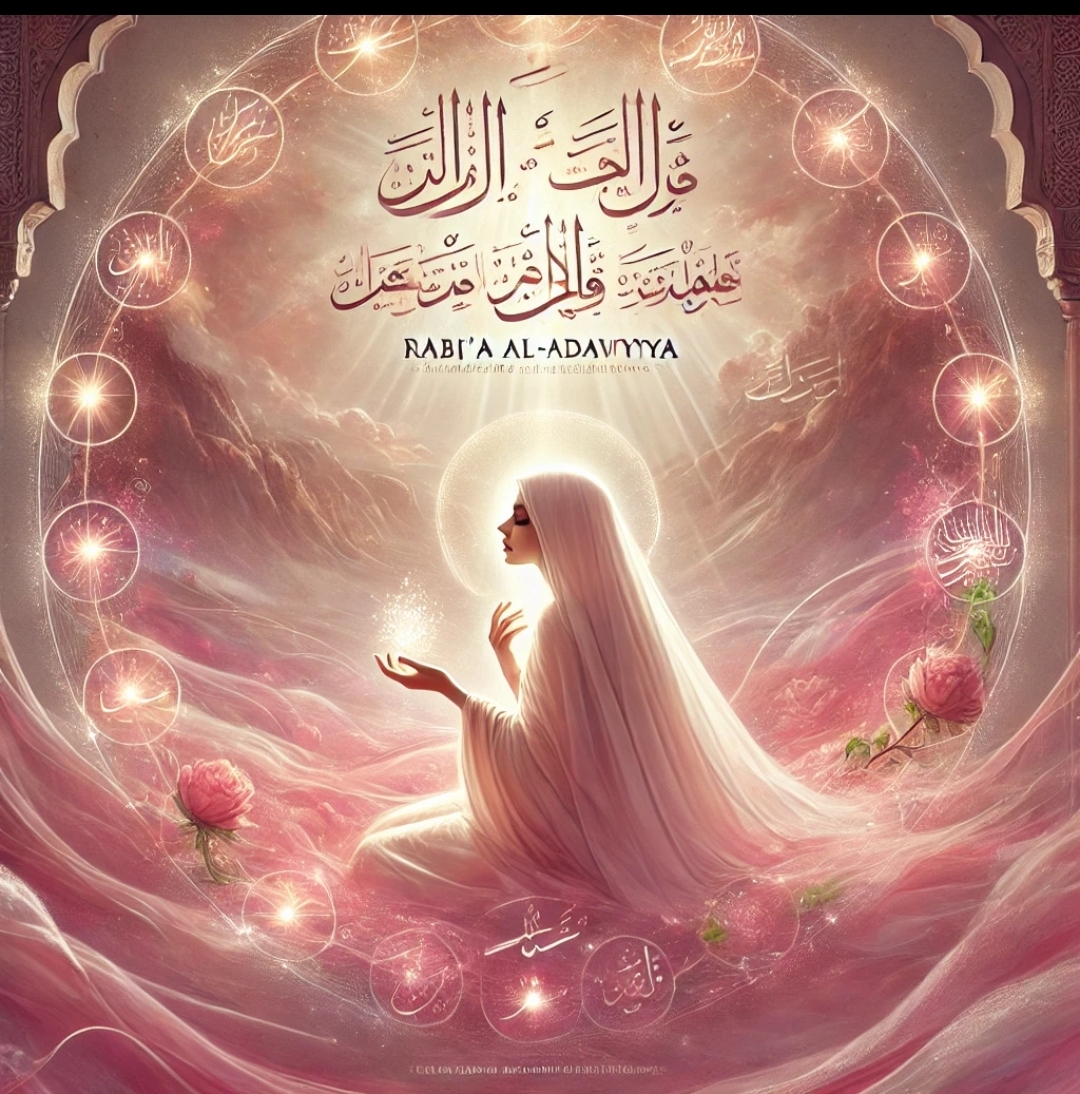
Article 2:
Introduction: The Nature of Repentance
When we speak of repentance, how often do we see it as a personal responsibility? Many of us view it as a burden we must carry—a punishment for our wrongdoing or a duty we owe to God. But what if repentance itself is not a punishment? What if it’s not even an act we initiate? Imagine, for a moment, that repentance is actually a gift, an invitation from God, extended not out of anger but out of love.
This is the radical teaching of Rabi’a al-Adawiyya. She introduced the idea that repentance is not something we simply offer to God—it is a gift we receive from Him. Her perspective opens a door to a deeper understanding of divine mercy, one where repentance is not a sign of failure but an opportunity for renewal, love, and closeness to Allah.
---
The Gift of Repentance
In her teachings, Rabi’a al-Adawiyya explained the nature of repentance in a way that turns our traditional understanding upside down. She famously said:
Arabic: "التوبة هبة من الله، لأنه لا يمكن لأحد أن يتوب إلا إذا قبله الله أولًا ومنحه هذه الهبة."
English: "Repentance is a gift from God, because no one can repent unless Allah has already accepted him and given him this gift of repentance."
These words carry a profound message of hope. Often, we approach repentance with a sense of guilt and self-blame. But Rabi’a shifts the focus, teaching us that the very act of feeling remorse is a sign that God has already accepted us. It is not we who make the first move—it is Allah. His mercy precedes our repentance, and in that mercy, He invites us to return to Him.
---
A Divine Invitation
This teaching from Rabi’a opens a new understanding of our relationship with God. Instead of seeing Him as a strict judge, waiting for us to repent in fear, she presents Allah as a loving Creator who is always calling us back to Him. Repentance, then, is not a path of shame, but one of grace. It's a gentle reminder that Allah is always ready to forgive, that He welcomes our return before we even realize we have gone astray.
Imagine the relief of knowing that your desire to repent is itself a sign of divine favor. It changes the way we approach forgiveness and self-improvement. Instead of being weighed down by guilt, we are uplifted by the knowledge that God is already extending His hand toward us.
---
Repentance as an Act of Love
Rabi’a’s view on repentance is deeply tied to her larger message of divine love. If love is the ultimate motivation for worship, then repentance must also stem from love. We do not repent because we fear punishment, nor because we want to earn a reward. We repent because our hearts are drawn back to the One we love. In this way, repentance becomes an act of devotion, not an obligation.
This idea is particularly revolutionary when we consider the context of Rabi’a’s time. Many spiritual leaders emphasized the fear of Hell and the promise of Heaven as key motivations for repentance. But Rabi’a, with her unparalleled insight, shifted the conversation entirely. She taught that love, not fear, should be at the center of all spiritual acts—especially repentance.
---
Humility in the Face of Divine Mercy
Rabi’a also understood the humility required to accept God’s mercy. In her teachings, she famously said:
Arabic: "طلبنا للمغفرة يحتاج إلى مغفرة."
English: "Our asking for forgiveness needs forgiveness."
Even in seeking forgiveness, she was aware of her human limitations. This statement highlights the deep humility of Rabi’a’s spiritual practice. She recognized that even her efforts to repent were imperfect, but this imperfection was met with divine grace. Her words remind us that we do not need to be perfect in our repentance; we only need to be sincere. And even when we fall short, God’s mercy covers our imperfections.
---
A Journey Back to Love
Repentance, in Rabi’a’s teachings, is ultimately a journey back to love. It is the process by which we reconnect with Allah, not out of fear, but out of a longing to be closer to Him. Her perspective turns repentance into an act of deep intimacy—a reminder that our hearts are always being drawn back to the One who loves us most.
This understanding transforms the way we view our relationship with God. Instead of a transactional exchange—where we sin, repent, and receive forgiveness—Rabi’a presents repentance as part of the ongoing dialogue of love between the soul and the Divine. It is a reflection of God’s mercy, an opportunity for us to step back into the light of His grace.
---
Conclusion: The Beauty of Returning
Rabi’a al-Adawiyya’s teachings on repentance offer us a vision of spiritual life rooted in love, grace, and humility. Repentance is not a burden, but a gift—a sign of Allah’s mercy already extended toward us. It is a reminder that even in our moments of failure, God is always calling us back to Him.
As we continue this series on divine love, may we reflect on Rabi’a’s profound message: that God’s love precedes everything, even our own repentance. And in that knowledge, may we find the courage to return to Him, not out of fear, but out of love.
---
In our next article, we will explore Rabi’a’s understanding of divine intimacy through her night prayers, where she found herself alone with Allah, her Beloved. Stay tuned as we delve deeper into the beautiful and transformative power of love in worship.