

بِسْمِ اللهِ الرَّحْمٰنِ الرَّحِيْم
Surah Al-Baqarah (2:284-286): Embracing Accountability, Faith, and Divine Mercy
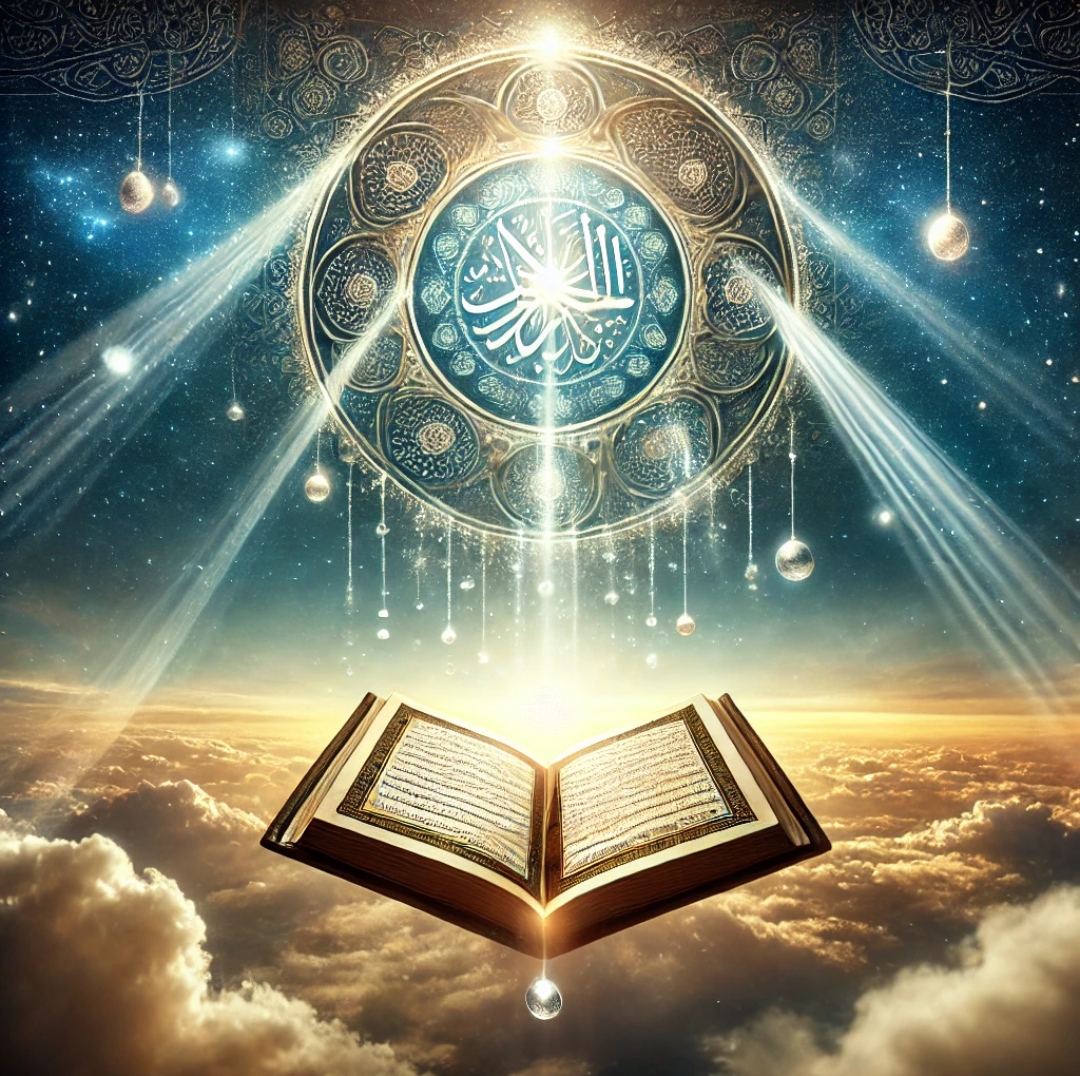
As we reach the concluding verses of Surah Al-Baqarah, Allah imparts profound lessons on personal accountability, the essence of faith, and the boundless nature of His mercy. These verses serve as a powerful reminder of our responsibilities and the compassion inherent in our relationship with the Divine.
Translation and Breakdown:
Verse 2:284
"To Allah belongs whatever is in the heavens and whatever is in the earth. Whether you show what is within yourselves or conceal it, Allah will bring you to account for it. Then He will forgive whom He wills and punish whom He wills, and Allah is over all things competent."
Divine Ownership: Everything in existence is under Allah's dominion, emphasizing His ultimate authority.
Inner Accountability: Not only are our actions accountable, but even our concealed thoughts and intentions are known to Allah.
Absolute Justice: Allah's capacity to forgive or punish is a testament to His comprehensive power and justice.
Verse 2:285
"The Messenger has believed in what was revealed to him from his Lord, and [so have] the believers. All of them have believed in Allah and His angels and His books and His messengers, [saying], 'We make no distinction between any of His messengers.' And they say, 'We hear and we obey. [We seek] Your forgiveness, our Lord, and to You is the [final] destination.'"
Unified Belief: Both the Prophet Muhammad (peace be upon him) and the believers affirm their faith in Allah, His angels, scriptures, and messengers without discrimination.
Commitment to Obedience: The declaration "We hear and we obey" signifies unwavering adherence to divine commandments.
Seeking Forgiveness: Acknowledging human shortcomings, believers earnestly seek Allah's pardon, recognizing their ultimate return to Him.
Verse 2:286
"Allah does not burden a soul beyond that it can bear. It will have [the consequence of] what [good] it has gained, and it will bear [the consequence of] what [evil] it has earned. Our Lord, do not impose blame upon us if we forget or make a mistake. Our Lord, and lay not upon us a burden like that which You laid upon those before us. Our Lord, and burden us not with that which we have no ability to bear. And pardon us; and forgive us; and have mercy upon us. You are our protector, so give us victory over the disbelieving people."
Merciful Legislation: Allah assures that He does not impose obligations beyond a person's capacity, highlighting His compassion.
Personal Responsibility: Individuals are accountable for their deeds, whether good or bad, underscoring the principle of moral responsibility.
Comprehensive Supplication: This verse encapsulates a heartfelt plea for forgiveness, mercy, protection, and strength against adversity.
Context and Significance:
These verses were revealed to reinforce the core tenets of Islamic faith and the ethos of personal responsibility. They emphasize that while Allah's knowledge encompasses all, His mercy prevails, offering believers guidance on maintaining sincerity and humility.
Reflection for New Muslims:
Conscious Living: Recognize that both actions and intentions are significant. Strive for sincerity in all endeavors.
Holistic Faith: Embrace the entirety of Islamic teachings, acknowledging all prophets and scriptures as part of a unified divine message.
Divine Support: Trust in Allah's wisdom, knowing that challenges are tailored to individual capacities, and His support is ever-present.
Conclusion:
The concluding verses of Surah Al-Baqarah encapsulate the essence of a believer's journey: acknowledging Allah's sovereignty, internalizing faith, and continually seeking His mercy. They serve as a timeless reminder of the balance between divine justice and compassion, guiding Muslims toward a path of sincerity, obedience, and hope.
The Divine Completion of the Qur’an: Understanding Its Final Revelation for New Muslims
Introduction: The Qur’an’s Divine Arrangement
For new Muslims, understanding how the Qur’an was revealed and arranged is an essential part of strengthening faith. The Qur’an was not revealed all at once, nor is it arranged in chronological order. Instead, Allah and His Messenger ﷺ placed its verses in a divinely guided structure, organizing them based on themes, laws, and spiritual guidance.
One of the biggest misconceptions is that Surah Al-Baqarah (Chapter 2) is the final revelation—it is not. Instead, it was revealed over several years in Medina and was placed at the beginning of the Qur’an because of its importance in laying the foundations of Islamic society.
So what was the last revelation? What were the final words Allah revealed to humanity? Let’s explore.
---
1. The Final Surah vs. The Final Verse
There is a difference between the last complete surah revealed and the last verse revealed:
The last complete surah revealed was Surah Al-Nasr (110):
"When the victory of Allah has come and the conquest, and you see the people entering into the religion of Allah in multitudes, then glorify the praises of your Lord and seek His forgiveness. Indeed, He is ever Accepting of Repentance."
(Surah Al-Nasr 110:1-3)
This surah was revealed towards the end of the Prophet’s ﷺ life and signified the completion of his mission. Many companions understood this as an indication that the Prophet ﷺ would soon pass away.
The last verse revealed has some scholarly debate. There are two main opinions:
1. Surah Al-Ma’idah (5:3):
"This day I have perfected for you your religion, completed My favor upon you, and have chosen for you Islam as your religion."
(Surah Al-Ma’idah 5:3)
This verse was revealed during the Prophet’s last pilgrimage (Hajj), marking the completion of Islamic law.
2. Surah Al-Baqarah (2:281):
"And fear the Day when you will be returned to Allah. Then every soul will be given what it has earned, and none will be wronged."
(Surah Al-Baqarah 2:281)
Some scholars believe this was the last verse ever revealed, as it serves as a final reminder of the Hereafter.
---
2. The Qur’an’s Order: A Divine Structure
Many people assume the Qur’an should have been arranged in chronological order, but this is not how Allah intended it. Instead, the verses and surahs were arranged under divine instruction so that:
Surah Al-Fatiha (Chapter 1) opens the Qur’an with a prayer for guidance.
Surah Al-Baqarah (Chapter 2) follows as the blueprint for Muslim life—covering faith, law, society, and worship.
The later surahs emphasize spiritual reminders, history, and the Hereafter.
The final revelation of Islam was not just about laws and rituals—it was a message to all of humanity. The Qur’an was arranged to teach, remind, and elevate the believers, not just to tell history.
---
3. Why Did the Qur’an Take 23 Years to Be Revealed?
New Muslims often ask: Why wasn’t the Qur’an revealed all at once? The answer lies in the wisdom of gradual revelation:
1. To strengthen the Prophet ﷺ and his followers – Life’s greatest truths and wisdom take time to absorb. The Qur’an was revealed slowly to build faith step by step.
2. To guide people through real-life challenges – When problems arose in society, Allah would send revelation addressing them. This made Islam a living, breathing guidance.
3. To make memorization and implementation easier – The companions memorized and practiced the Qur’an as it was revealed.
4. To test and distinguish the true believers – Faith isn’t just about knowing the truth; it’s about living by it. Those who stuck with the Prophet ﷺ through all trials were the true believers.
---
4. What Does This Mean for New Muslims?
For someone new to Islam, the biggest takeaway from this journey through revelation is trust in Allah’s wisdom. Islam is a religion of growth—the Qur’an was revealed gradually so that people could absorb its guidance over time.
Here are a few lessons for new Muslims:
1. Don’t rush your learning – The Qur’an took 23 years to be revealed, so take your time understanding it.
2. Seek guidance from scholars – Islam has authentic teachers who help interpret the Qur’an correctly.
3. Remember that faith takes effort – Just like the companions of the Prophet ﷺ had to struggle to learn and practice Islam, so will you. But Allah makes the journey easy for those who seek sincerity.
---
5. Final Reflection: The Qur’an’s Last Gift to Humanity
The final message of the Qur’an is not about laws or rituals—it is about Allah Himself. One of the most powerful final verses revealed was:
"To Allah belongs whatever is in the heavens and whatever is in the earth. Whether you show what is within yourselves or conceal it, Allah will bring you to account for it. Then He will forgive whom He wills and punish whom He wills, and Allah is over all things competent." (Surah Al-Baqarah 2:284)
This verse reminds every believer: Allah is watching, Allah knows, and Allah is just. The Qur’an ends not with commands, but with a personal reminder—our lives, our choices, and our faith are all in Allah’s hands.
So as you continue your journey in Islam, always remember: the Qur’an is your guide, your teacher, and your light.
---
Conclusion: Where Do We Go from Here?
For new Muslims, learning Islam is a lifelong journey. The Qur’an is not just a book—it is an experience, a way of life, and a direct conversation with Allah.
🔹 Read it.
🔹 Ponder over it.
🔹 Live by it.
And always remember: Allah revealed the
Qur’an for YOU.
May Allah make us among those who live by its words and meet Him with a heart full of faith. Ameen.