
بِسْمِ اللهِ الرَّحْمٰنِ الرَّحِيْم
We want to unlock value that’s coming with AI and also value that has been underappreciated or not unlocked. Even if it has been unlocked, it’s often done by corporations that have an interest in separating everybody, preventing their transactions from contributing to any kind of meaningful value.
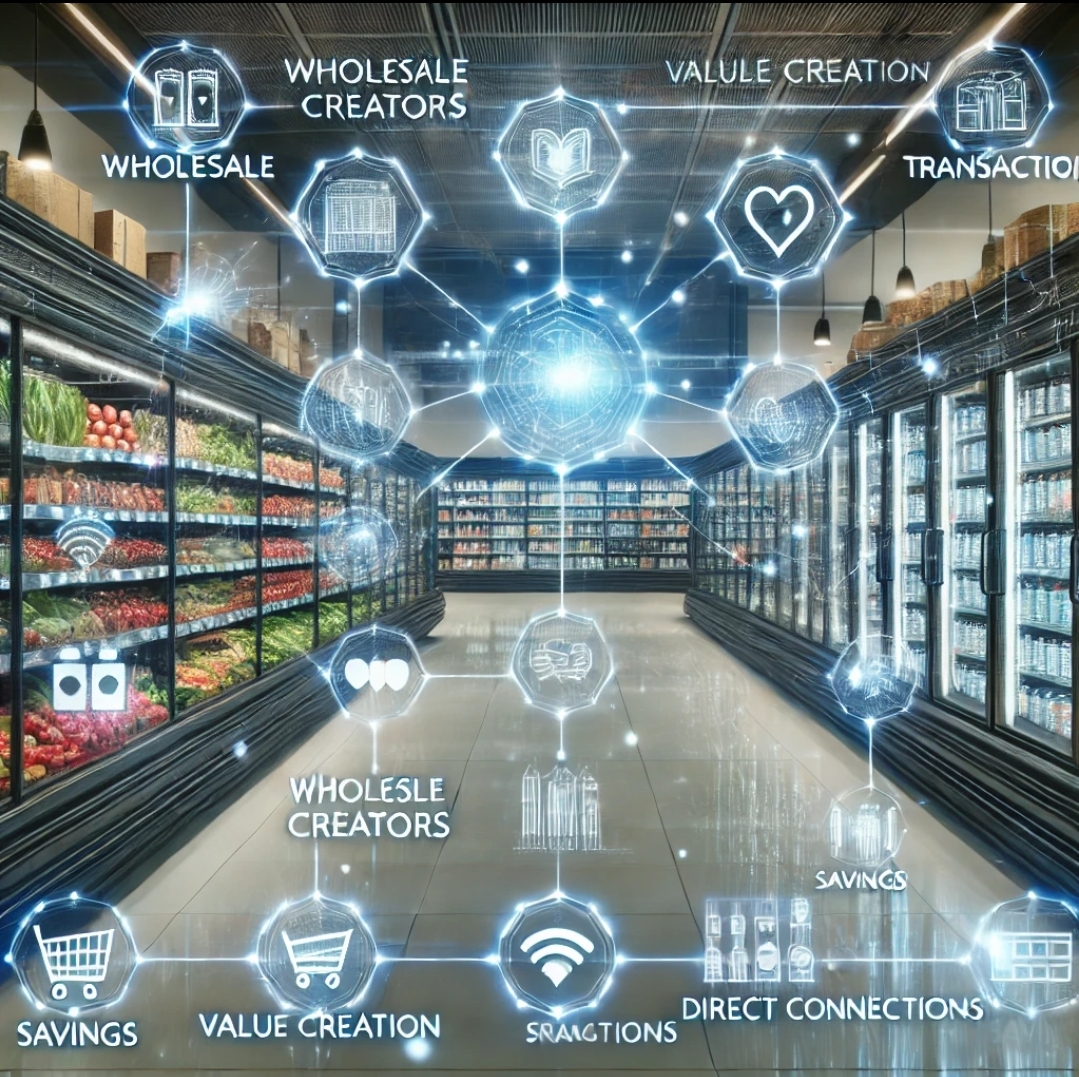
In today’s world, every transaction is isolated and connected to an individual bank account. It does not matter what savings the system brings; at its core, we have identified this idea that you’re on your own and your transactions don’t have meaning. However, they do hold significance for businesses because there is no separation in the incoming transactions, which all flow into the same pot. For the individual, transactions are always separated into small pots, making no significant difference. This is by design.
We want to change that. We’re going to require much more than just building a checking account that values transactions and groups them together. Transactions need a new set of values that give people the opportunity to extend credit to themselves. That's just one part of this system.
There are many other components in this system where people need to be part of large contracts. I see the idea of receiving salaries literally disappearing, or wages earned by the hour becoming obsolete. This shift is already evident in the Arab world, where many workers operate on contracts when they migrate for work, making it an embedded aspect of the economy. Many other places around the world do not have this, but in the Arab world, they are much more familiar with what I am describing.
It opens up a new standard of living, which is why the brand currency system is likely to thrive, especially in Arab countries. Some of the ideas we are implementing align with existing structures there, but they are not connected to the transactional part of brands. No country in the world can show me a simple, smart checking account that links brands and transactions, creating values that shift supply and demand. Regardless of wealth or natural resources, this concept does not exist; no one has made the connection.
But a new, simple, and unique connection has been made that will shift supply and demand globally, creating data points that will change how we live.
I want to make this a movement, and I hope those listening can begin examining their own supply chains in terms of exports and the kind of data they would like to receive in return, to avoid getting lost in the wholesale-retail system the world currently operates on.
We’re trying to create a set of values that will be key. When connected to this locked door of opportunities, AI will replace the traditional wholesale-retail system, enabling data to flow both ways.
This data will open new sets of value. Some countries will develop a rhythm for shipping their goods, which will be rebranded in the UAE or other countries, passing through the supply chain and reaching the last mile of delivery, where they will reach customers. These customers will use the products, take pictures, and provide valuable feedback. If there are any issues or adjustments needed throughout the supply chain, which will be connected to the blockchain, they will be able to do so easily.
We have no choice but to disrupt this wholesale-retail business, which depends on a fixed exchange rate with the US dollar or any other currency. Through this, we engage in transactions that assign value to local products, often neglecting the broader vision of connectivity.
Imagine that transactions are like a single leaf 🌿 of an individual, not yet connected to an actual branch that could unlock a new set of values. We need all these values, especially because once efficiency increases and jobs are eliminated, these values will become a new way of life, whether anyone likes it or not.
For an entire family to engage in transactions that connect them to a system that manages their food, drink, and the brands they transact with changes the dynamics of what it means to have a bank account. This transformation begins with a brand currency manager, something I am initiating immediately.
Many countries have their own products to ship, and we need to start disrupting this. I will be opening community supermarkets to introduce this new way of buying and selling, creating the ecosystem we all look forward to being a part of.
The American consumer is one of the most powerful consumers but, at the same time, is the most isolated. American supermarkets individually sell products and cut consumers off from brands directly, leaving no room for feedback. This isolation leaves everyone dissatisfied with shelves that merely hold products. Brands send their items to shelves without knowing their customers or receiving feedback. Transactions are not collected or transformed into value for the consumer, preventing them from extending credit to themselves. The wholesale-retail system typically unlocks value for wholesalers and retailers, but this is set to change. AI will connect businesses, brands, and individuals directly, creating a new "spider web" economy—a digital replica of transactions. Moving forward, transactions will be part of a system that removes the wholesale-retail burden and automatically locks savings within the system. This will help businesses understand that, although the wholesale-retail system will remain, savings must be retained within the system. As a result, individuals transacting with businesses will use their transactions to unlock goods and services. The locked savings will come from the wholesale-retail system, not from individuals or businesses, allowing people to extend credit to themselves, similar to how coupons work today. Businesses will reward customers and their supply chain in the same manner.
This shift represents a new business paradigm. For the first time in history, countries will be able to assess their exports and major businesses, connecting them all to create a new set of value—similar to the Arab countries, which leverage tourism, flights, hotels, and oil to power their economies. Transactions will sustain the entire system, directly connecting businesses and dismantling the wholesale-retail model. In some cases, I foresee supermarkets being subsidized by countries that prioritize their exports and imports, aligning with this new system. In this model, revenue will not solely depend on selling products or services; being part of this connected system will enable both individuals and businesses to extend credit to themselves. This is necessary in a global economy where every nation is both importing and exporting. Sometimes, what is valuable to one country might not hold the same value elsewhere. Currently, the marketplace operates on a fixed and free-floating monetary system that calculates value, but this approach will soon change. For instance, the Netherlands supplies vegetables globally, but simply having the capability to do so doesn’t mean it should be done—especially when exporting to regions like Africa, where the imbalance in the current system becomes evident.
In the future, robots will integrate into this new system, contributing to success in various sectors like cooking, cleaning, and customer service. As robots take over tasks, people must be part of an alternative system that generates value and connects them to exports. Inputs must be reevaluated, and value must be reassessed. With robots capable of working 24/7, cultivating land, and exporting goods continuously, we risk creating excessive supply. Past experiences, like the oil industry, teach us the dangers of flooding markets with products. Oil-producing countries have learned the importance of adjusting supply, and when paired with shifting demand, nations can sustain themselves by carefully cultivating equilibrium within their supply chains. In this global economy, central banks play a crucial role, but that, too, is set to change. The new economy, driven by a novel approach to buying, selling, and trading, is inevitable.
I am committed to proving this system, which I will experiment with in the United States. We currently have an overabundance of goods and services, especially in basic needs like food and delivery. Most businesses focus solely on profit and self-value, ignoring individual empowerment. Individuals, regardless of how hard they work, have no ability to extend credit—they either have the money or they don’t. In today’s America, businesses often throw out goods rather than risk giving consumers the idea that prices could be lowered. Supermarkets discard excess products at the end of the day, rejecting any system that could encourage lower prices or more meaningful engagement. My goal is to start addressing this issue step by step.
For a new system to emerge, the old one must phase out. Supermarkets have often been described as "graveyards" for goods and services. In the U.S., chains like Walmart dominate shelf space, guaranteeing success to brands placed on their shelves. While this model is easy to understand, it’s not sustainable. We need new supermarkets that don’t belong to corporations but to individuals globally, facilitating a direct connection between customers and businesses. This will enable individuals to save by having non-perishable goods delivered on schedule, bypassing shelves altogether. Imagine a country operating seamlessly from planting to harvesting, with local warehouses distributing goods directly, adjusting supply and demand automatically. I believe we will witness remarkable changes, and I intend to lead this transformation immediately.
The new system I envision could surpass Amazon, as many businesses resent its dominance. Currently, many companies use platforms like Amazon without receiving customer feedback, creating a disconnected world. In the future, every transaction will link brands, businesses, and individuals, fostering a new digital economy. Nations will know their customers and connect with them through transactions linked to private digital avatars owned by individuals. This global digital economy will place all products on a blockchain. I predict that most U.S. supermarkets will become obsolete, as this system will prevent billions from being funneled through the wholesale-retail system and into private pockets, denying shelf space to deserving brands. The new model will make shelf access free, and brands that meet supply chain, production, and branding standards will thrive.
Today, many businesses face discrimination, with products never making it to shelves. We need a new type of supermarket, a new way of buying, selling, and connecting to the future. I am committed to starting this change today. As I travel and engage in discussions to build this new economy, I aim to see products from around the world we're talking about every flag every country on the planet.
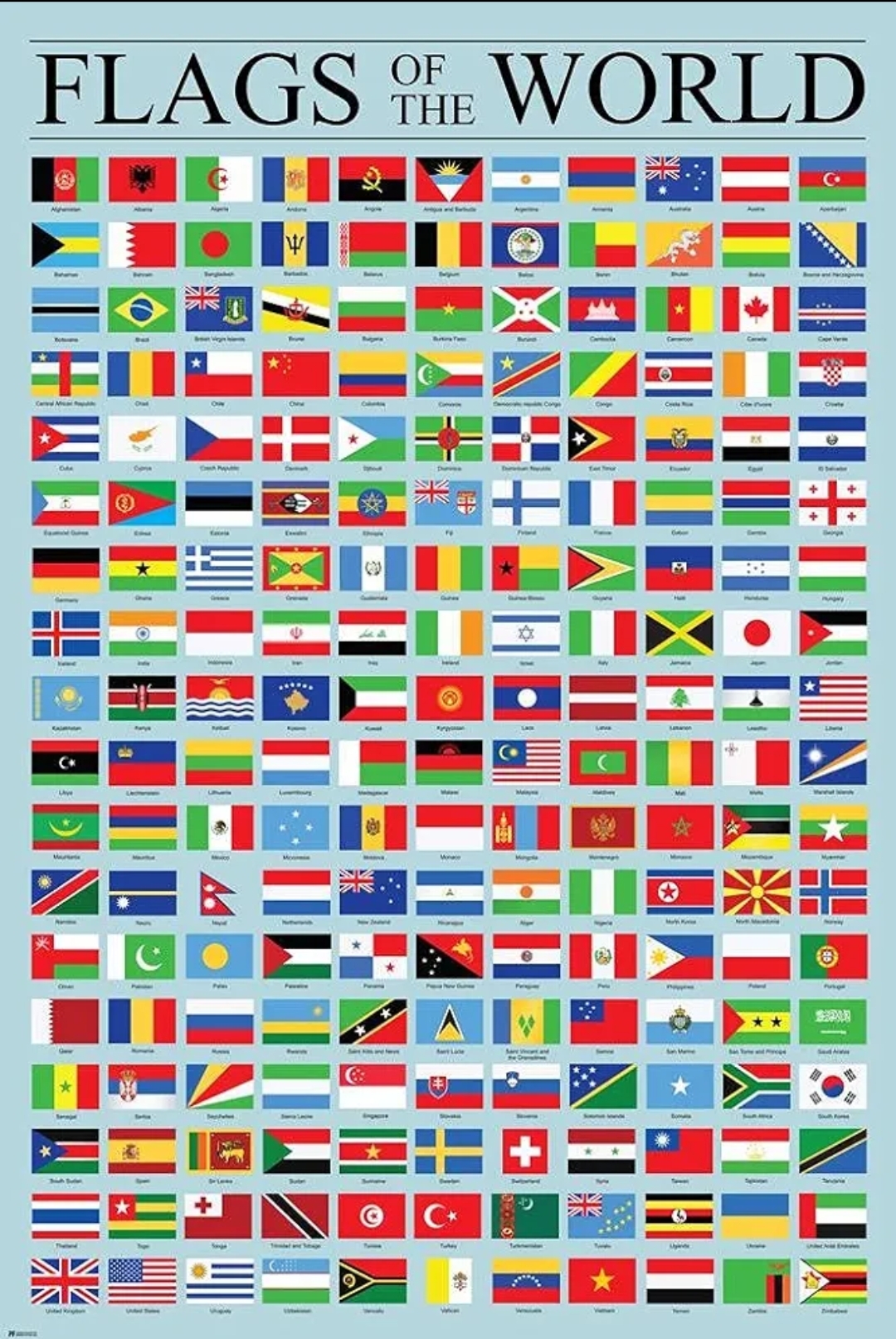
and beyond, fully valued and tracked from production to customer feedback. This will establish an alternative revenue stream that supports government spending on citizens while creating modernization projects, welcoming robotics, building infrastructure, and extending credit. This new way of assessing value is the only way forward, driven by business, transa
ctions, and unlocking new value sets.
In conclusion
To Every Nation: A Call for Immediate Transformation
This is an urgent call to every country—a decisive invitation to join the forefront of a global transformation. The existing wholesale and retail systems, focused solely on profit, must be dismantled to create a future that serves the people, not corporations. The time has come to revolutionize how people buy, how businesses connect to brands, and how new sets of value are unlocked within a digital system that is secure, immutable, and mimics the resilience of blockchain technology.
Countries that wish to thrive must recognize that shifting supply and demand is essential for generating revenue beyond simple sales or exports. The traditional supermarket model can no longer be controlled by profit-driven enterprises; it must be a national asset that drives the digital economy forward. This system isn’t just about business—it's about national prosperity, built through direct investment in a new marketplace where rewards are generated continuously within a transparent system.
This is an opportunity to be part of something revolutionary—to disrupt your own markets, invest your own resources, and establish a digital economy that transcends current limitations. AI will drive costs down to zero, robots will manage labor, and self-driving technologies will perfect last-mile deliveries. Contracts between nations will allow for seamless trade, and outdated currency barriers will no longer hinder exports.
To those willing to take the bold step forward: this is the moment to disrupt, to innovate, and to establish a new economic system that will redefine global prosperity. Investing in this transformation isn’t just a choice—it is a requirement for any nation that seeks to lead and succeed in the new digital era.