

بِسْمِ اللهِ الرَّحْمٰنِ الرَّحِيْم.
In the Name of God, Most Gracious, Most Merciful.
The Concept of Gratitude (Shukr) in Islam and Its Impact on a Believer’s Life
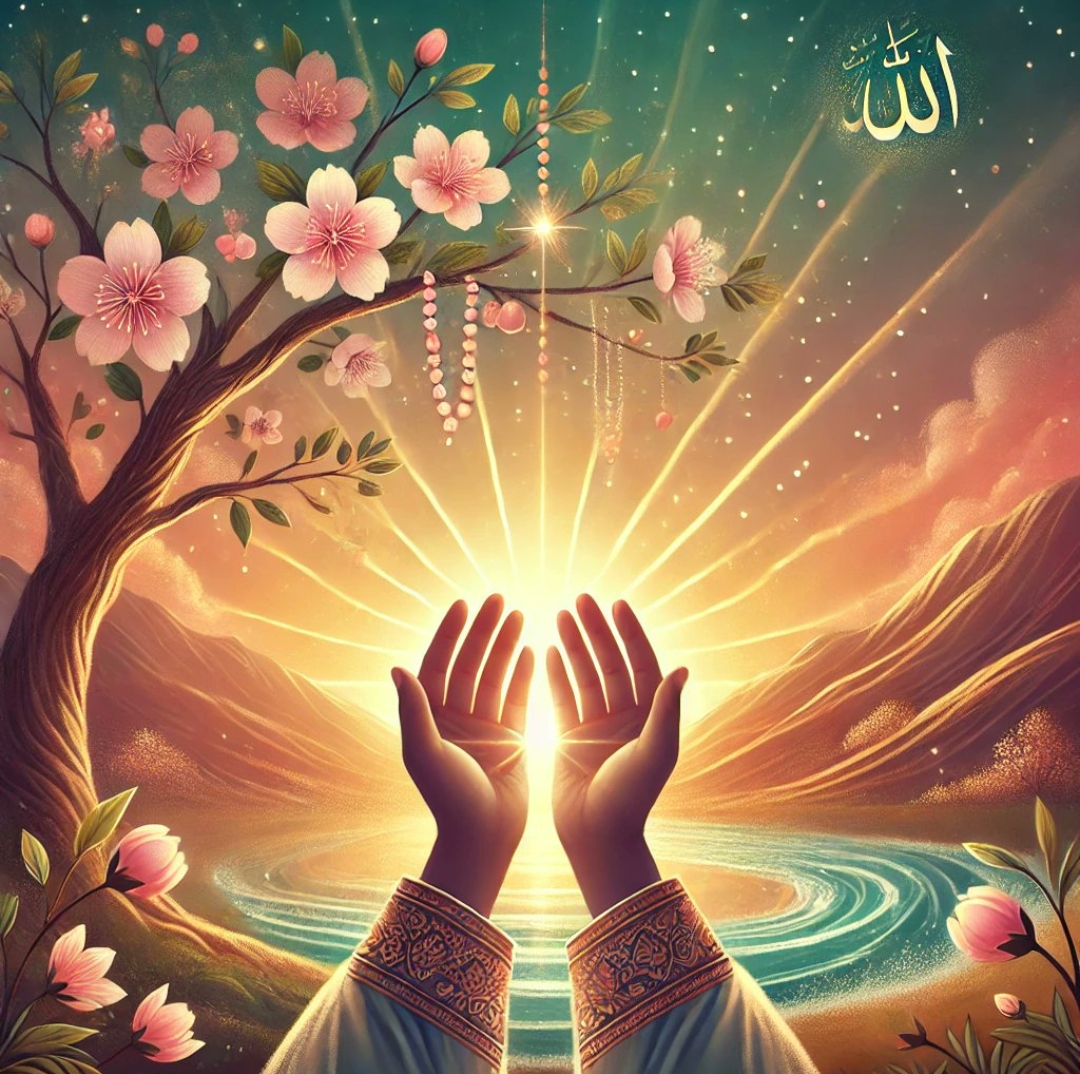
Introduction:
Gratitude (Shukr) is a central theme in Islam, deeply rooted in the relationship between a believer and Allah. In its essence, gratitude means recognizing the blessings that come from Allah and responding with thankfulness through actions, words, and humility. Shukr is not just an acknowledgment of blessings but a way of life that helps believers grow spiritually, find happiness, and strengthen their faith. In Islam, gratitude is key to receiving more blessings and living in harmony with others. Whether in times of ease or hardship, a grateful heart is one that remains connected to Allah, always recognizing His divine wisdom and mercy.
Quranic Verses on Gratitude:
The Quran emphasizes the importance of gratitude in multiple verses, often linking it with increased blessings. One of the most profound verses is:
"وَإِذْ تَأَذَّنَ رَبُّكُمْ لَئِن شَكَرْتُمْ لَأَزِيدَنَّكُمْ وَلَئِن كَفَرْتُمْ إِنَّ عَذَابِي لَشَدِيدٌ"
"And [remember] when your Lord proclaimed: 'If you are grateful, I will surely increase you [in favor]; but if you deny, indeed, My punishment is severe.'"
— (Surah Ibrahim 14:7)
This verse promises that those who show gratitude will receive even more blessings, while those who are ungrateful will face consequences. Gratitude is not just an internal emotion but an active recognition of Allah’s generosity, and it leads to further favor and mercy.
Another verse emphasizes the constant need to remember Allah’s blessings and remain thankful:
"فَاذْكُرُونِي أَذْكُرْكُمْ وَاشْكُرُوا لِي وَلَا تَكْفُرُونِ"
"So remember Me; I will remember you. And be grateful to Me and do not deny Me."
— (Surah Al-Baqarah 2:152)
Here, gratitude is tied to dhikr (remembrance of Allah). When believers remember Allah and acknowledge His favors, they open the doors to His mercy and grace. Gratitude in this sense is not just a feeling but an act of remembrance and worship.
Gratitude in Hadith:
The Prophet Muhammad (peace be upon him) exemplified gratitude in every aspect of his life, often reminding his followers of its importance. In one Hadith, the Prophet said:
"Whoever is not grateful for the small things will not be grateful for the big things."
— (Sunan al-Bayhaqi)
This Hadith teaches us that gratitude is not limited to large blessings but must be shown for even the smallest of gifts. Recognizing the little things in life builds a heart full of gratitude, allowing believers to live in constant awareness of Allah’s mercy.
Another Hadith highlights the Prophet’s personal practice of gratitude. Despite being free of sin, he would pray for long hours at night until his feet became swollen. When Aisha (may Allah be pleased with her) asked why he prayed so much when Allah had already forgiven him, the Prophet responded:
"Should I not be a grateful servant?"
— (Sahih al-Bukhari)
This Hadith shows that gratitude is not about what one receives but about recognizing Allah’s infinite mercy and expressing thankfulness through actions. The Prophet’s life was a testament to living with a heart full of gratitude, in both ease and hardship.
Gratitude for Blessings:
Gratitude begins with recognizing the countless blessings that Allah has bestowed upon us, both material and spiritual. From health, wealth, and family to faith, guidance, and the ability to worship, every aspect of life is a gift from Allah. The Quran reminds us:
"وَإِن تَعُدُّوا نِعْمَةَ اللَّهِ لَا تُحْصُوهَا"
"And if you should count the favors of Allah, you could not enumerate them."
— (Surah An-Nahl 16:18)
This verse highlights the infinite nature of Allah’s blessings, many of which we may overlook or take for granted. By being aware of these blessings, believers grow in gratitude and are reminded of Allah’s generosity.
Gratitude also extends to the spiritual realm. Being thankful for the gift of faith, guidance, and the ability to perform acts of worship is one of the highest forms of gratitude. These spiritual blessings are eternal and shape a believer’s relationship with Allah, guiding them toward success in this life and the Hereafter.
The Impact of Gratitude on Personal Well-Being:
Gratitude has profound effects on a believer’s mental, emotional, and spiritual well-being. Psychologically, practicing gratitude helps reduce stress and anxiety by shifting focus away from what is lacking to what is present. It promotes positive thinking and fosters a sense of contentment, regardless of external circumstances.
Spiritually, gratitude deepens a believer’s connection with Allah. It reminds them that all blessings come from Him and that their life is sustained by His mercy. Gratitude cultivates humility, as it reminds believers of their dependence on Allah and prevents arrogance or entitlement.
Gratitude is also closely tied to patience (Sabr). In times of hardship, a grateful heart can find solace by recognizing the blessings that still exist. This mindset helps believers endure difficulties with grace, knowing that every trial is accompanied by countless mercies.
Gratitude Toward Others:
In addition to showing gratitude to Allah, Islam encourages believers to express gratitude to those around them. The Prophet Muhammad (peace be upon him) said:
"He who does not thank people does not thank Allah."
— (Sunan Abi Dawood)
This Hadith teaches that showing appreciation to others is an essential part of Shukr. Whether it’s a small favor from a friend or support from a family member, recognizing and acknowledging the kindness of others strengthens relationships and fosters goodwill within the community.
Gratitude in relationships encourages mutual respect and empathy, creating an environment of positivity and harmony. By expressing gratitude to others, believers fulfill their duty to recognize kindness and spread goodwill in their interactions.
Lessons from the Prophet’s Life:
The life of the Prophet Muhammad (peace be upon him) is filled with examples of gratitude, even in the most difficult times. One example is the story of the Prophet’s reaction to food. He would never complain about food, even if it was something he did not prefer. Instead, he would show gratitude for whatever was available, whether it was a feast or a simple meal of dates and water.
In times of hardship, the Prophet also remained grateful. During the battle of Uhud, when the Muslims faced significant losses, the Prophet did not waver in his gratitude toward Allah. He reminded his companions to remain steadfast and thankful, knowing that Allah’s wisdom and mercy were present in every situation.
Conclusion:
Gratitude (Shukr) in Islam is a powerful force that shapes a believer’s relationship with Allah, their outlook on life, and their interactions with others. By recognizing and thanking Allah for every blessing—big or small—believers open their hearts to more mercy and grow in humility and contentment. Gratitude fosters a positive, peaceful mindset, allowing believers to navigate both ease and hardship with grace and patience.
As the Quran reminds us, those who are grateful will receive even more, for gratitude is a pathway to divine blessings and spiritual fulfillment. May Allah grant us the ability to be constantly aware of His favors, to be thankful in every situation, and to live lives fi
lled with Shukr. Ameen.