

بِسْمِ اللهِ الرَّحْمٰنِ الرَّحِيْم
Surah An-Nisa (4:29-41) – Ethical Conduct, Justice, and Accountability
Introduction
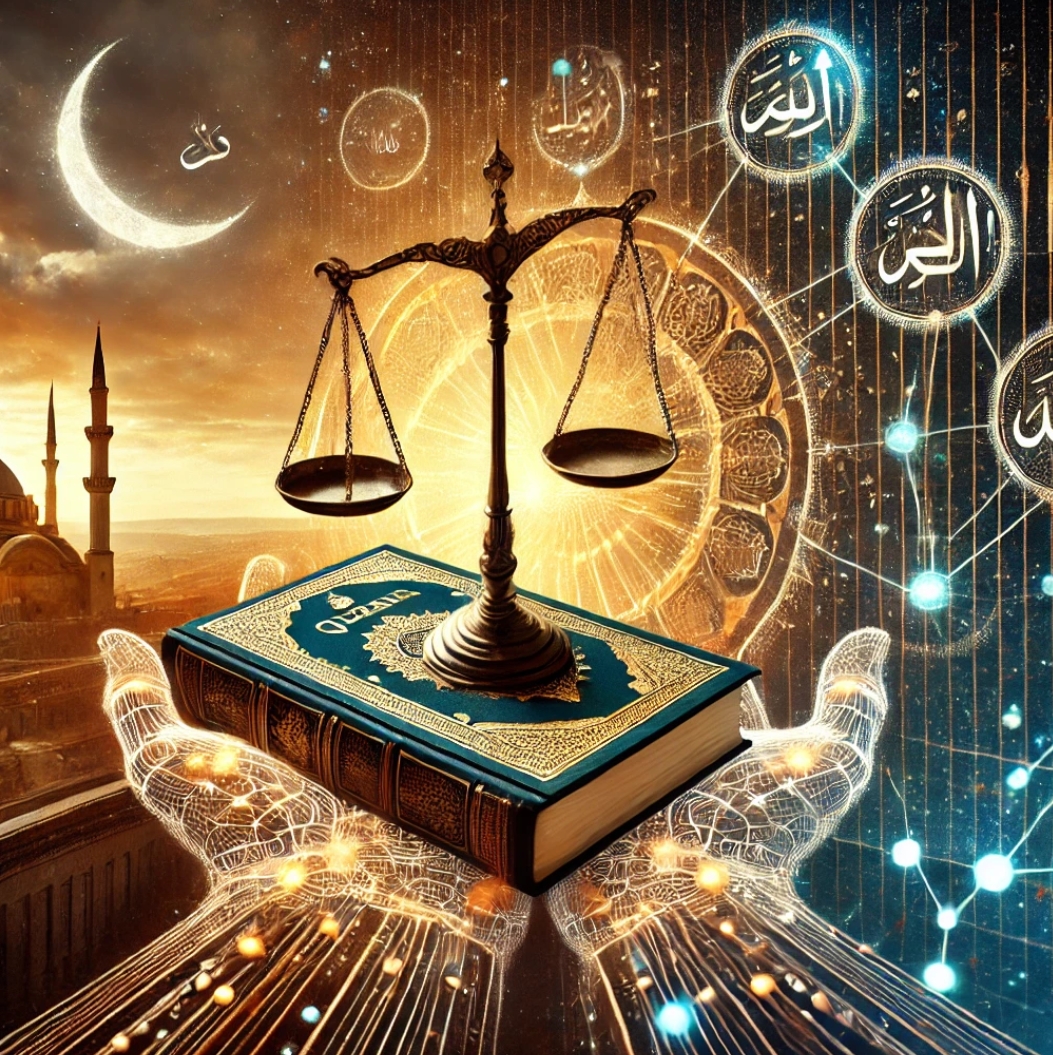
These verses from Surah An-Nisa emphasize moral responsibility in financial transactions, the sanctity of life, justice within marriage and social conduct, and the ultimate accountability before Allah on the Day of Judgment. They serve as a foundation for ethical dealings and personal integrity, reinforcing that Allah is ever-watchful over all actions.
---
Arabic and English Translation of Surah An-Nisa (4:29-41)
1. Prohibition of Unjust Financial Transactions and Suicide (4:29-30)
Arabic:
{ يَا أَيُّهَا ٱلَّذِينَ ءَامَنُواْ لَا تَأْكُلُوٓاْ أَمْوَٰلَكُم بَيْنَكُم بِٱلْبَٰطِلِ إِلَّآ أَن تَكُونَ تِجَٰرَةًۭ عَن تَرَاضٍۢ مِّنكُمْ ۚ وَلَا تَقْتُلُوٓاْ أَنفُسَكُمْ ۚ إِنَّ ٱللَّهَ كَانَ بِكُمْ رَحِيمًۭا }
Translation:
"O you who have believed, do not consume one another's wealth unjustly but only [in lawful] business by mutual consent. And do not kill yourselves [or one another]. Indeed, Allah is to you Ever Merciful." (Surah An-Nisa 4:29)
Arabic:
{ وَمَن يَفْعَلْ ذَٰلِكَ عُدْوَٰنًۭا وَظُلْمًۭا فَسَوْفَ نُصْلِيهِ نَارًۭا ۚ وَكَانَ ذَٰلِكَ عَلَى ٱللَّهِ يَسِيرًۭا }
Translation:
"And whoever does that in aggression and injustice – then We will drive him into a Fire. And that, for Allah, is [always] easy." (Surah An-Nisa 4:30)
🔹 Key Insights:
Islam upholds financial integrity, prohibiting exploitation and fraud.
Suicide and self-harm are forbidden, emphasizing the sanctity of life.
---
2. Forgiveness for Minor Sins if Major Sins Are Avoided (4:31)
Arabic:
{ إِن تَجْتَنِبُواْ كَبَآئِرَ مَا تُنْهَوْنَ عَنْهُ نُكَفِّرْ عَنكُمْ سَيِّـَٔاتِكُمْ وَنُدْخِلْكُمْ مُّدْخَلًۭا كَرِيمًۭا }
Translation:
"If you avoid the major sins which you are forbidden, We will remove from you your lesser sins and admit you to a noble entrance [into Paradise]." (Surah An-Nisa 4:31)
🔹 Key Insights:
Allah’s mercy allows minor sins to be forgiven if major sins are avoided.
The reward for adherence to this principle is entry into Paradise.
---
3. Envy, Individual Rights, and Inheritance (4:32-33)
Arabic:
{ وَلَا تَتَمَنَّوْاْ مَا فَضَّلَ ٱللَّهُ بِهِۦ بَعْضَكُمْ عَلَىٰ بَعْضٍۢ ۚ لِّلرِّجَالِ نَصِيبٌۭ مِّمَّا ٱكْتَسَبُواْ وَلِلنِّسَآءِ نَصِيبٌۭ مِّمَّا ٱكْتَسَبْنَ ۚ وَسَْٔلُواْ ٱللَّهَ مِن فَضْلِهِۦ ۚ إِنَّ ٱللَّهَ كَانَ بِكُلِّ شَىْءٍ عَلِيمًۭا }
Translation:
"And do not wish for that by which Allah has favored some of you over others. For men is a share of what they have earned, and for women is a share of what they have earned. And ask Allah of His bounty. Indeed, Allah is ever, of all things, Knowing." (Surah An-Nisa 4:32)
🔹 Key Insights:
Islam rejects jealousy and encourages gratitude for individual blessings.
Both men and women have distinct but fair shares in their earnings.
---
4. Roles and Responsibilities in Marriage (4:34-35)
Arabic:
{ ٱلرِّجَالُ قَوَّٰمُونَ عَلَى ٱلنِّسَآءِ بِمَا فَضَّلَ ٱللَّهُ بَعْضَهُمْ عَلَىٰ بَعْضٍۢ وَبِمَآ أَنفَقُواْ مِنْ أَمْوَٰلِهِمْ ۚ }
Translation:
"Men are the protectors and maintainers of women, because Allah has given one more [strength] than the other, and because they support them from their means." (Surah An-Nisa 4:34)
🔹 Key Insights:
Men are financially responsible for their families.
Islam encourages mutual respect, harmony, and reconciliation in marriage.
---
5. Commands for Justice and Kindness in Society (4:36-38)
Arabic:
{ وَٱعْبُدُواْ ٱللَّهَ وَلَا تُشْرِكُواْ بِهِۦ شَيْـًۭٔا ۖ وَبِٱلْوَٰلِدَيْنِ إِحْسَٰنًۭا وَبِذِى ٱلْقُرْبَىٰ وَٱلْيَتَـٰمَىٰ وَٱلْمَسَـٰكِينِ وَٱلْجَارِ ذِى ٱلْقُرْبَىٰ وَٱلْجَارِ ٱلْجُنُبِ وَٱلصَّاحِبِ بِٱلْجَنۢبِ وَٱبْنِ ٱلسَّبِيلِ وَمَا مَلَكَتْ أَيْمَـٰنُكُمْ ۗ إِنَّ ٱللَّهَ لَا يُحِبُّ مَن كَانَ مُخْتَالًۭا فَخُورًا }
Translation:
"Worship Allah and associate nothing with Him, and be good to parents, relatives, orphans, the needy, the neighbor who is near, the neighbor who is far, the companion at your side, the traveler, and those whom your right hands possess. Indeed, Allah does not like those who are self-deluding and boastful." (Surah An-Nisa 4:36)
🔹 Key Insights:
Worship of Allah should be coupled with kindness towards all of creation.
Pride and arrogance are condemned in Islam.
---
6. The Day of Judgment and the Prophet's Testimony (4:41)
Arabic:
{ فَكَيْفَ إِذَا جِئْنَا مِن كُلِّ أُمَّةٍۢ بِشَهِيدٍۢ وَجِئْنَا بِكَ عَلَىٰ هَـٰٓؤُلَآءِ شَهِيدًۭا }
Translation:
"So how [will it be] when We bring from every nation a witness and We bring you, [O Muhammad], against these [people] as a witness?" (Surah An-Nisa 4:41)
🔹 Key Insights:
The Prophet (ﷺ) will testify on behalf of his Ummah on the Day of Judgment.
Every nation will be held accountable for its actions.
---
Key Takeaways for New Muslims
✅ Islam emphasizes justice in financial dealings, marriage, and social relationships.
✅ Envy and arrogance are destructive traits that must be avoided.
✅ Allah forgives minor sins for those who avoid major sins.
✅ The Day of Judgment is a reality—our actions will be judged.
---
Conclusion
These verses set a powerful ethical framework for personal conduct, financial dealings, marriage, and social responsibility. By following them, believers ensure a just and harmonious society, striving for Allah’s mercy a
nd ultimate success in the Hereafter.
📖 Reflect, implement, and seek knowledge. May Allah guide us all to righteousness. Ameen.