

بِسْمِ اللهِ الرَّحْمٰنِ الرَّحِيْم
Surah An-Nisa (4:1-14) – Foundations of Family, Orphan Rights, and Inheritance Laws
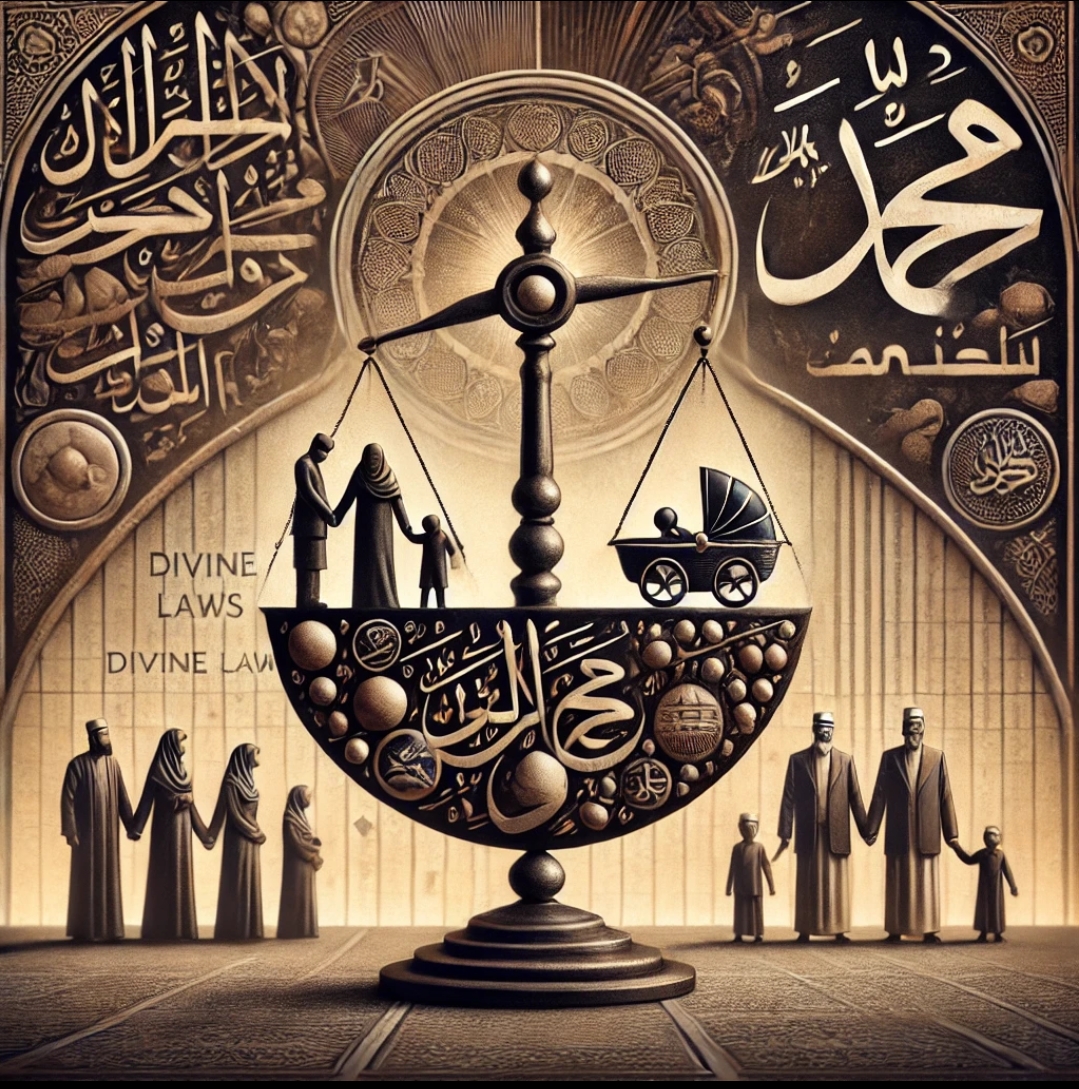
Let's begin with Surah An-Nisa (4:1-14), which sets the foundation for family structure, orphan care, and inheritance laws in Islam. These verses introduce the importance of justice, financial responsibility, and the fair distribution of wealth, particularly focusing on protecting orphans and women—groups that were historically vulnerable in pre-Islamic society.
---
📜 Arabic and English Translation (Verses 1-14)
(4:1) – The Unity of Humanity and the Sanctity of Family Bonds
Arabic:
يَٰٓأَيُّهَا ٱلنَّاسُ ٱتَّقُواْ رَبَّكُمُ ٱلَّذِى خَلَقَكُم مِّن نَّفۡسٖ وَٰحِدَةٖ وَخَلَقَ مِنۡهَا زَوۡجَهَا وَبَثَّ مِنۡهُمَا رِجَالٗا كَثِيرٗا وَنِسَآءٗۚ وَٱتَّقُواْ ٱللَّهَ ٱلَّذِى تَسَآءَلُونَ بِهِۦ وَٱلۡأَرۡحَامَۚ إِنَّ ٱللَّهَ كَانَ عَلَيۡكُمۡ رَقِيبٗا
English (Abdul Haleem):
People, be mindful of your Lord, who created you from a single soul, and from it created its mate, and from the pair of them spread countless men and women. Be mindful of God, in whose name you make requests of one another. Beware of severing ties of kinship: God is always watching over you.
---
(4:2-3) – The Rights of Orphans and Marriage Regulations
(4:2) – Protecting Orphans' Wealth
Arabic:
وَءَاتُواْ ٱلۡيَتَٰمَىٰٓ أَمۡوَٰلَهُمۡ وَلَا تَتَبَدَّلُواْ ٱلۡخَبِيثَ بِٱلطَّيِّبِۖ وَلَا تَأۡكُلُوٓاْ أَمۡوَٰلَهُمۡ إِلَىٰٓ أَمۡوَٰلِكُمۡۚ إِنَّهُۥ كَانَ حُوبٗا كَبِيرٗا
English:
Give orphans the property that belongs to them. Do not exchange good things for bad, and do not consume their property along with your own, for this is a great sin.
(4:3) – Marrying Multiple Wives Only with Justice
Arabic:
وَإِنۡ خِفۡتُمۡ أَلَّا تُقۡسِطُواْ فِي ٱلۡيَتَٰمَىٰ فَٱنكِحُواْ مَا طَابَ لَكُم مِّنَ ٱلنِّسَآءِ مَثۡنَىٰ وَثُلَٰثَ وَرُبَٰعَۖ فَإِنۡ خِفۡتُمۡ أَلَّا تَعۡدِلُواْ فَوَٰحِدَةً أَوۡ مَا مَلَكَتۡ أَيۡمَٰنُكُمۡۚ ذَٰلِكَ أَدۡنَىٰٓ أَلَّا تَعُولُواْ
English:
If you fear that you will not deal fairly with orphan girls, you may marry whichever women seem good to you, two, three, or four. But if you fear that you cannot be just, then marry only one, or a slave woman you own. That is more likely to make you avoid bias.
---
(4:4-6) – Ensuring Women's Rights and Orphan Care
(4:4) – The Right to Dowry (Mahr) (4:5-6) – Protecting Orphans' Wealth Until They Are Mature
---
(4:7-10) – Inheritance Laws and Protecting Family Wealth
(4:7-9): Establishes inheritance laws, ensuring women receive their rightful share.
(4:10): Severe warning against consuming orphans' wealth unjustly.
---
(4:11-12) – Specific Inheritance Shares for Family Members
These verses detail how a deceased person's wealth should be distributed among parents, children, spouses, and siblings.
---
(4:13-14) – The Consequence of Obeying or Rejecting These Laws
(4:13): Those who follow these commands will enter Paradise.
(4:14): Those who disobey and alter the laws will enter Hell.
---
🔍 Deep Dive for New Muslims: Why Were These Verses Revealed?
1️⃣ The Context of Inheritance & Orphans
Before Islam, women and orphans had little to no inheritance rights. These verses revolutionized the legal system by ensuring that:
Orphans’ wealth is protected.
Women are given inheritance rights.
Men are commanded to be just in their marriages.
2️⃣ Why Are Orphans, Marriage, and Inheritance Mentioned Together?
Because they are all linked to wealth, power, and justice.
Orphans: Vulnerable due to lack of protection.
Marriage: Often linked to financial security.
Inheritance: Potential for corruption if laws aren’t followed.
3️⃣ The Historical Events
These verses were revealed after the Battle of Uhud, where many Muslim men had died, leaving behind orphans and widows. This created social instability, which these laws aimed to fix.
---
🕌 Practical Takeaways
1. Family and Society: Islam establishes a structured, fair system for families, ensuring justice and preventing exploitation.
2. Orphans' Rights: If you take care of an orphan, their wealth is a trust from Allah.
3. Marriage and Justice: Polygamy is conditional on fairness, not an open-ended permission.
4. Inheritance is Divine: No one has the right to alter inheritance laws—they come directly from Allah.
5. Serious Consequences: Rejecting these laws is a major sin with severe consequences.
---
🌟 Conclusion: The Blueprint for a Just Society
Surah An-Nisa begins by laying the foundation for a just society:
Every person has rights.
Wealth is a trust from Allah.
Justice is non-negotiable.
By understanding and implementing these teachings, we ensure a balanced society, where justice and divine wisdom guide our actions.
---
Next Steps:
🔹 Reflect on these verses and see how they apply to modern laws.
🔹 Seek knowledge from Islamic scholars about how in
heritance and marriage laws work today.
🔹 Support orphan care—a direct command from Allah!
This is Islam: Fair, just, and divinely guided. 🌿