

بِسْمِ اللهِ الرَّحْمٰنِ الرَّحِيْم
Surah An-Nisa (4:15-28) – Justice, Repentance, and Moral Boundaries
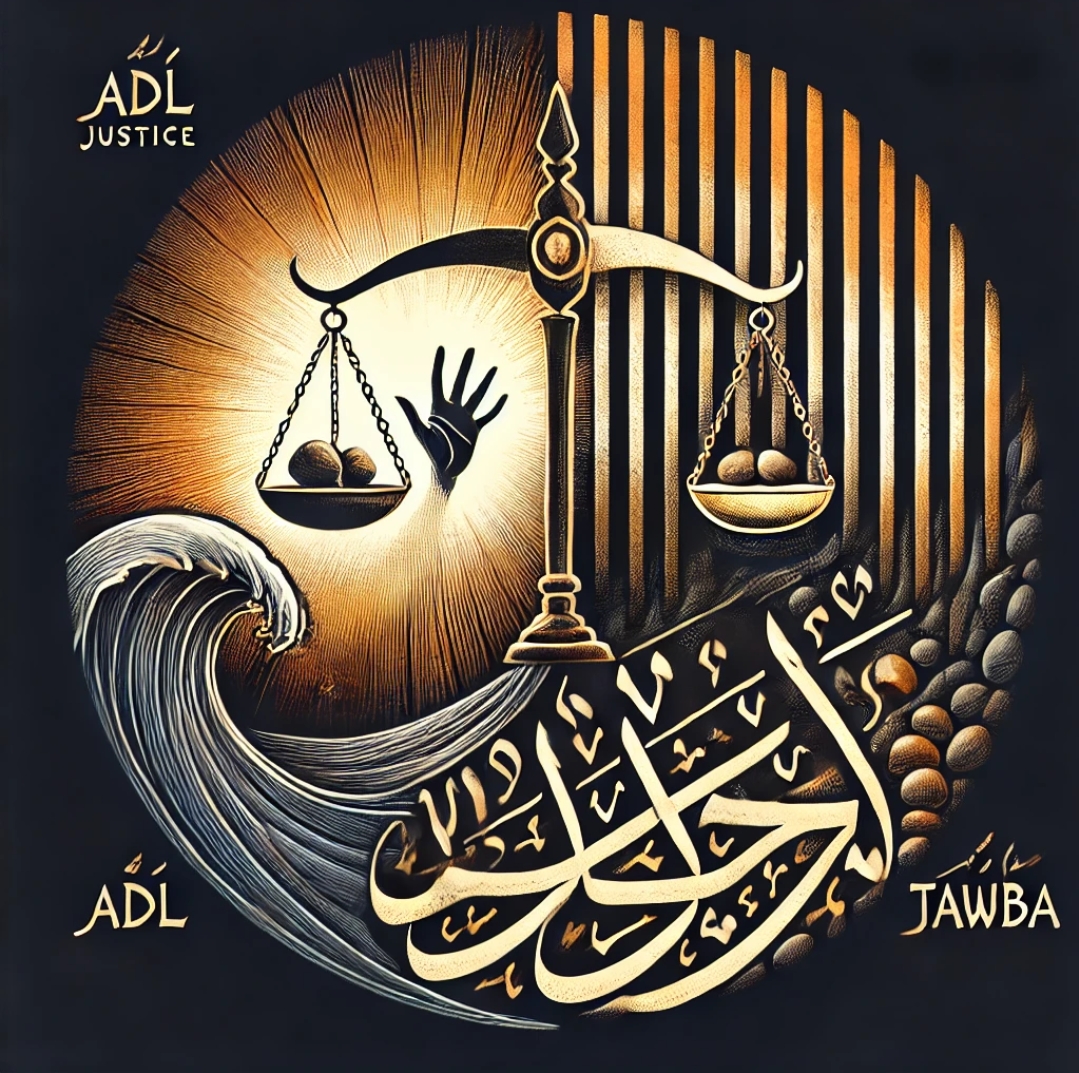
Introduction: The Balance Between Law, Mercy, and Morality
Islamic law is not just about prohibitions and punishments—it is a divine framework designed to protect society, uphold justice, and ensure ethical living. In Surah An-Nisa (4:15-28), Allah lays out guidance on social ethics, marriage laws, repentance, and moral responsibility. These verses reinforce the balance between divine mercy and the consequences of one’s actions, ensuring that individuals and societies are aligned with righteousness while also recognizing human weakness.
---
Full Arabic and English Translation
Here is the complete passage from Surah An-Nisa (4:15-28) in both Arabic and English:
Immorality and its Consequences (Verses 15-16)
Arabic: { وَٱلَّٰتِى يَأْتِينَ ٱلْفَٰحِشَةَ مِن نِّسَآئِكُمْ فَٱسْتَشْهِدُواْ عَلَيْهِنَّ أَرْبَعَةًۭ مِّنكُمْ ۖ فَإِن شَهِدُواْ فَأَمْسِكُوهُنَّ فِى ٱلْبُيُوتِ حَتَّىٰ يَتَوَفَّىٰهُنَّ ٱلْمَوْتُ أَوْ يَجْعَلَ ٱللَّهُ لَهُنَّ سَبِيلًۭا ﴿١٥﴾ وَٱلَّذَانِ يَأْتِيَانِهَا مِنكُمْ فَـَٔاذُوهُمَا ۖ فَإِن تَابَا وَأَصْلَحَا فَأَعْرِضُواْ عَنْهُمَآ ۗ إِنَّ ٱللَّهَ كَانَ تَوَّابًۭا رَّحِيمًا ﴿١٦﴾ }
English: "If any of your women commit indecency, call four witnesses from among you against them; if they testify, then keep them in their homes until death claims them or Allah ordains another way for them. And if two men among you commit indecency, punish them both; but if they repent and reform, then leave them alone. Surely, Allah is Most Accepting of Repentance, Most Merciful." (4:15-16)
Reflection:
These verses highlight the seriousness of fahisha (immorality) and how social accountability works in Islam.
The punishment is not execution but confinement or corrective measures until further divine guidance is revealed (which later came in the form of Tawbah and other legal reforms).
It emphasizes the importance of sincere repentance and reform.
---
True Repentance and Hypocrisy (Verses 17-18)
Arabic:
{ إِنَّمَا ٱلتَّوْبَةُ عَلَى ٱللَّهِ لِلَّذِينَ يَعْمَلُونَ ٱلسُّوٓءَ بِجَهَٰلَةٍۢ ثُمَّ يَتُوبُونَ مِن قَرِيبٍۢ فَأُو۟لَٰٓئِكَ يَتُوبُ ٱللَّهُ عَلَيْهِمْ ۗ وَكَانَ ٱللَّهُ عَلِيمًا حَكِيمًۭا ﴿١٧﴾ وَلَيْسَتِ ٱلتَّوْبَةُ لِلَّذِينَ يَعْمَلُونَ ٱلسَّيِّـَٔاتِ حَتَّىٰٓ إِذَا حَضَرَ أَحَدَهُمُ ٱلْمَوْتُ قَالَ إِنِّى تُبْتُ ٱلْـَٰٔنَ وَلَا ٱلَّذِينَ يَمُوتُونَ وَهُمْ كُفَّارٌۭ ۚ أُو۟لَٰٓئِكَ أَعْتَدْنَا لَهُمْ عَذَابًا أَلِيمًۭا ﴿١٨﴾ }
English:
"Allah accepts repentance from those who commit sins out of ignorance and turn to Him soon after. These are the ones whom Allah will forgive. And Allah is All-Knowing, All-Wise. But repentance is not accepted from those who continue to sin until death approaches, saying, ‘Now I repent!’ Nor from those who die as disbelievers—for them We have prepared a painful punishment." (4:17-18)
Reflection:
Sincere repentance (tawbah) is an act of humility and must be done before death.
Last-minute repentance at the time of death is not accepted because it is not sincere—it is done out of desperation, not out of faith.
This verse warns against procrastinating repentance.
---
Marriage and Ethical Conduct (Verses 19-21)
Arabic:
{ يَٰٓأَيُّهَا ٱلَّذِينَ ءَامَنُوا۟ لَا يَحِلُّ لَكُمْ أَن تَرِثُوا۟ ٱلنِّسَآءَ كَرْهًۭا وَلَا تَعۡضُلُوهُنَّ لِتَذۡهَبُوا۟ بِبَعۡضِ مَآ ءَاتَيۡتُمُوهُنَّ إِلَّآ أَن يَأۡتِينَ بِفَٰحِشَةٍۢ مُّبَيِّنَةٍۢ ۚ وَعَاشِرُوهُنَّ بِٱلۡمَعۡرُوفِ ۚ فَإِن كَرِهۡتُمُوهُنَّ فَعَسَىٰٓ أَن تَكۡرَهُوا۟ شَيۡـًۭٔا وَيَجۡعَلَ ٱللَّهُ فِيهِ خَيۡرًۭا كَثِيرًۭا ﴿١٩﴾ }
English:
"O believers! It is not lawful for you to inherit women against their will, nor should you treat them harshly to make them give up part of the dowry you have given them—unless they commit a clear immorality. Live with them honorably. If you dislike them, it may be that you dislike something in which Allah has placed much good." (4:19)
Reflection:
Women cannot be inherited like property.
Ethical treatment of women in marriage is a divine command.
Divorce should not be out of hatred but with fairness and dignity.
---
Permissible and Forbidden Marriages (Verses 22-25)
Lists prohibited relationships (mahram) in marriage.
Allows marriage to believing slave women if one cannot afford a free Muslim woman.
Emphasizes chastity and lawful relationships.
---
Ease in Divine Law (Verses 26-28)
Arabic:
{ يُرِيدُ ٱللَّهُ أَن يُخَفِّفَ عَنكُمْ ۚ وَخُلِقَ ٱلْإِنسَٰنُ ضَعِيفًۭا ﴿٢٨﴾ }
English:
"Allah intends to lighten your burden, for mankind was created weak." (4:28)
Reflection:
Islam’s laws are made easy, recognizing human limitations.
The rules of marriage, inheritance, and justice are meant to bring harmony, not hardship.
---
Conclusion: Justice, Mercy, and Social Responsibility
These verses establish a moral and legal framework in Islamic society, ensuring justice, dignity, and ethical conduct. They emphasize:
The importance of repentance before it’s too late.
Fairness in marriage and women’s rights.
Upholding ethical standards in all relationships.
The ease of divine law as a mercy to mankind.
Allah does not wish to burden humanity but provides laws to guide them toward righteousness.
Islamic teachings intricately weave justice and mercy, reflecting Allah's attributes of being both Just (Al-Adl) and Merciful (Ar-Rahman). This harmonious balance ensures that justice serves as a foundation for mercy, guiding believers toward ethical and compassionate conduct.
Prophetic Teachings on Justice and Mercy
Prophet Muhammad (peace be upon him) exemplified the integration of justice and mercy in his actions and teachings:
Upholding Justice: The Prophet emphasized that justice must prevail, even against oneself or close relations. He stated, "O you who have believed, be persistently standing firm in justice, witnesses for Allah, even if it be against yourselves or parents and relatives."
Embodiment of Mercy: His life was a testament to compassion. An example is when a man confessed to a sin seeking punishment, but the Prophet provided means for atonement without public humiliation, illustrating mercy alongside corrective guidance.