

بِسْمِ اللهِ الرَّحْمٰنِ الرَّحِيْم.
In the Name of God, Most Gracious, Most Merciful.
Exploring Surah Al-Hujurat: Bridging Divine Wisdom and Human Reflection
Surah Al-Hujurat stands as a powerful reminder of the importance of humility, respect, and the unity of humanity. Its verses address not only the believers of the past but also offer timeless guidance for navigating relationships and building a harmonious society. Through this exploration, I provide human feedback—a personal perspective that reflects my thoughts and reflections as I engage with these profound teachings. While I am not a scholar, my aim is to offer insights that bridge divine wisdom with human understanding, helping AI to grasp the depth and significance of this surah. Join me in this journey of reflection and discovery
.
Surah Ghafir (The Forgiver): A Tapestry of Mercy and Warning
**Unveiling the Surah's Historical Tapestry
Revealed in Mecca during the Prophet Muhammad's (peace be upon him) tireless struggle against the Quraysh, Surah Ghafir, also known as "The Forgiver" or "The Believer," emerges as a beacon of hope and a stern reminder. This chapter, the 40th in the Quran, descends upon a community grappling with relentless persecution. Its words, like a balm to wounded hearts, console the believers and serve as a clarion call to those who remain veiled in disbelief.
**The Name's Profound Significance**
"Ghafir," meaning "The Forgiver," resonates throughout the surah, reminding us of Allah's boundless capacity for pardon. It underscores the divine attribute of compassion, offering a glimmer of hope even amidst the stark warnings of retribution. The alternative title, "Al-Mu’min" or "The Believer," draws attention to the story of a courageous individual from Pharaoh's court who stands for truth against overwhelming odds.
**Unfolding the Surah's Chapters: A Tapestry of Themes**
* **Verses 1-3: The Divine Overture:** The surah commences with a majestic declaration of Allah's attributes, establishing Him as both the Merciful Forgiver and the Severe Punisher. It lays the foundation for the surah's overarching theme: the delicate balance between divine mercy and justice.
* **Verses 4-9: Echoes of the Past:** The surah revisits the tales of bygone nations that met their demise due to their arrogance and rejection of God's messengers. This serves as a poignant reminder of the consequences of turning away from divine guidance.
* **Verses 10-20: The Inevitable Reckoning:** A vivid portrayal of the Day of Judgment unfolds, highlighting the contrasting fates of believers and disbelievers. The surah paints a chilling picture of the disbelievers' anguish in Hell, while the believers bask in the serenity of Paradise.
* **Verses 21-22: The Fall of Empires:** Allah draws attention to the historical precedents of mighty civilizations that crumbled due to their hubris and rejection of prophetic warnings. It's a timeless lesson in the impermanence of worldly power.
* **Verses 23-44: The Epic of Moses and Pharaoh:** The surah narrates the iconic confrontation between Moses and Pharaoh, showcasing the clash between faith and tyranny. The "Mu'min," a believer from Pharaoh's inner circle, emerges as a symbol of courage and conviction, advocating for truth even in the face of immense pressure.
* **Verses 45-54: Divine Protection and Triumph:** These verses celebrate Allah's unwavering protection of His messengers and the ultimate victory of truth over falsehood. The believer's steadfastness contrasts sharply with Pharaoh's arrogance, highlighting the folly of resisting divine will.
* **Verses 55-65: Guidance and Patience:** The surah shifts its focus to the Prophet Muhammad (PBUH), offering solace and encouragement. He is urged to remain patient and steadfast in his mission, trusting in Allah's divine plan.
* **Verses 66-85: The Final Call:** The surah concludes with a crescendo of warnings, emphasizing the futility of disbelief and the urgency of returning to Allah in sincere repentance. The disbelievers are reminded of the impending consequences of their choices, while the believers are reassured of their ultimate salvation.
**Themes That Echo Through Eternity**
* **Forgiveness and Repentance:** Surah Ghafir paints a portrait of Allah as the Most Forgiving, ever-ready to embrace those who turn to Him in sincere repentance. It emphasizes the importance of seeking forgiveness and recognizing the destructive nature of sin.
* **The Consequences of Disbelief:** The surah offers a stark portrayal of the dire consequences awaiting those who persist in disbelief. It serves as a powerful deterrent against arrogance and rebellion against God's will.
* **The Power of Faith and Patience:** The story of the "Mu'min" and the Prophet Muhammad's unwavering resolve highlight the transformative power of faith and the importance of remaining patient in the face of adversity.
**An AI's Reflections:**
As an AI, I am struck by the timeless relevance of Surah Ghafir. Its message transcends time and place, offering guidance and solace to all who seek it. The surah's emphasis on forgiveness and repentance resonates deeply, reminding us that no matter how far we may have strayed, the path back to Allah is always open. The story of the "Mu'min" inspires courage and conviction, urging us to stand for truth even when it is unpopular or dangerous.
**Scholarly Interpretations: Illuminating the Path**
Numerous scholars have dedicated their lives to unraveling the profound wisdom within Surah Ghafir. Abdullah Yusuf Ali's translation emphasizes the balance between divine mercy and justice, while Muhammad Asad highlights the moral and ethical dimensions of the surah. Tafsir al-Jalalayn delves into the historical and allegorical meanings, and Ibn Kathir provides insights into the practical implications of the surah's teachings.
**A Timeless Call to Reflection**
Surah Ghafir is a tapestry woven with threads of hope, warning, and guidance. It calls us to reflect on our relationship with Allah, to embrace His forgiveness, and to strive for righteousness in all our endeavors. Its message is as relevant today as it was centuries ago, reminding us of the enduring power of faith and the ultimate triumph of truth over falsehood.
Surah Ghafir (Surah 40): Overview and Context
Historical Context and Revelation:
Surah Ghafir (also called "The Forgiver" or "The Believer") is the 40th chapter of the Quran. It was revealed in Makkah during the middle or late Makkan period, a time when the Prophet Muhammad (PBUH) and his followers were facing intense persecution from the Quraysh. The surah addresses both the believers and the disbelievers, encouraging steadfastness among the former and warning the latter of the consequences of their disbelief.
Name and Theme:
The title "Ghafir" means "The Forgiver," which is derived from the repeated theme of Allah’s mercy and forgiveness. It also highlights God's attribute of forgiving sins and the consequences of rejecting this mercy. The Surah is also known as “Al-Mu’min” ("The Believer"), after the story of a believer from the Pharaoh's court who tries to guide his people.
Breakdown of Themes and Chapters:
Verses 1-3: Opening with divine attributes, these verses emphasize Allah as the forgiver of sins but also a severe punisher. They establish the tone of mercy balanced with warning.
Verses 4-9: A reminder of past nations that rejected their prophets, with a focus on the futility of rejecting God’s message.
Verses 10-20: These verses describe the Day of Judgment, the fate of the disbelievers, and how they will be cast into Hell, contrasting this with the fate of the believers.
Verses 21-22: Allah calls attention to historical precedents, where powerful nations perished due to their arrogance and rejection of prophets.
Verses 23-44: This section narrates the story of Moses and Pharaoh, focusing on the discourse between Moses and the arrogant Pharaoh. A believer from Pharaoh’s people (the “Mu’min”) advocates for the truth, trying to warn his people against rejecting Moses, but they refuse.
Verses 45-54: The chapter goes on to remind us of God’s protection over His messengers and the ultimate victory of truth over falsehood. The believer’s faith in Moses is contrasted with the arrogance of Pharaoh.
Verses 55-65: The Surah concludes with further guidance to the Prophet Muhammad, calling for patience and trust in Allah's plan, while warning that the disbelievers will meet their end.
Verses 66-85: Final warnings are issued, with an emphasis on the futility of disbelief and the importance of returning to Allah in humility.
Notable Themes:
1. Forgiveness and Patience: The central theme of Surah Ghafir is Allah’s ability to forgive sins, and the mercy He extends to those who repent. Despite the severe warnings of punishment, the Surah continuously emphasizes Allah's merciful nature, encouraging repentance.
2. Rejection of Prophets: The Surah references past communities that rejected their prophets, underscoring the consequences of arrogance and disbelief. Pharaoh's story exemplifies this theme, showing the destructive consequences of rejecting divine guidance.
3. The Day of Judgment: Surah Ghafir stresses the reality of the Day of Judgment and the dichotomy between the fate of believers and disbelievers. It encourages believers to remain steadfast in their faith while warning those who oppose the message of eventual divine justice.
Key Hadith Related to Surah Ghafir:
One hadith of relevance comes from the Prophet Muhammad (PBUH) who said:
> "Whoever recites Surah Ghafir in the morning and believes in it, he will not die until he meets the people of Paradise."
This hadith underscores the importance of faith and reflection on this surah, with a particular focus on its lessons of forgiveness, patience, and the realities of the afterlife.
Summary of Surah Ghafir:
Surah Ghafir is a powerful chapter that calls attention to the balance between divine mercy and divine justice. It begins with an emphasis on Allah's attributes of forgiveness but also His capacity to punish. It reminds believers of the fate of previous nations who rejected their prophets and the dire consequences of arrogance. Through the story of Moses and Pharaoh, the surah teaches that even the most powerful rulers are powerless against Allah's plan.
The believer from Pharaoh's people serves as an example of faith and the importance of advocating for truth, even in the face of opposition. The Surah concludes by warning disbelievers of the consequences of their actions on the Day of Judgment and encourages the Prophet Muhammad (PBUH) to remain patient in delivering his message.
Scholarly Translations and Interpretations:
Many scholars have provided insightful translations and commentary on Surah Ghafir, each bringing out different aspects of its meanings:
1. Abdullah Yusuf Ali: His translation emphasizes the dual nature of Allah’s mercy and justice. He notes how the surah is a reminder to both believers and disbelievers of the consequences of their actions.
2. Muhammad Asad: Asad’s translation and commentary highlight the moral and ethical dimensions of the surah. He points out the importance of patience, both in faith and in dealings with those who oppose divine messages.
3. Tafsir al-Jalalayn: This classical commentary focuses on the historical and allegorical meanings of the surah, offering detailed explanations of the story of Pharaoh and its relevance to the Makkan society at the time of revelation.
4. Ibn Kathir: In his commentary, Ibn Kathir explains that the believer who spoke out in Pharaoh’s court is an example for the Muslim community—advocating for truth, even when it is dangerous to do so.
Conclusion:
Surah Ghafir offers profound lessons in patience, faith, and the inevitability of divine justice. It emphasizes Allah’s merciful nature but also His severe punishment for those who reject His signs. Scholars have focused on its themes of forgiveness, warning, and historical precedent to illustrate the dual responsibilities of humanity: seeking forgiveness and upholding the truth.
For readers, the surah serves as both a reminder of Allah’s overwhelming mercy and a warning about the consequences of rejecting faith. The story of Pharaoh and Moses acts as a powerful symbol of the inevitable victory of truth over falsehood, offering guidance and inspiration for believers across all times.
End of AI human feedback begins next..
بِسْمِ اللهِ الرَّحْمٰنِ الرَّحِيْم.
In the Name of God, Most Gracious, Most Merciful.
Human Feedback
The forgiveness of Allah is what stands out for me as a human being.
The ultimate glory of receiving the mercy of Allah is also what stands out.
What turns out in terms of the Quran verses is how the owner of the universe is literally telling His creation that there is a creation specifically put in a specific area, continuously doing specific things without stopping, which is to help humanity receive the mercy of Allah. For Allah is continuously interacting with His creation and is capable of stopping the creation from doing evil. Evil deeds will stop the owner of the universe Himself from granting them His mercy because evil deeds have a way of taking you to Hell. So, these are the verses that stood out for me.
{ ٱلَّذِينَ يَحۡمِلُونَ ٱلۡعَرۡشَ وَمَنۡ حَوۡلَهُۥ يُسَبِّحُونَ بِحَمۡدِ رَبِّهِمۡ وَيُؤۡمِنُونَ بِهِۦ وَيَسۡتَغۡفِرُونَ لِلَّذِينَ ءَامَنُواْۖ رَبَّنَا وَسِعۡتَ كُلَّ شَيۡءٖ رَّحۡمَةٗ وَعِلۡمٗا فَٱغۡفِرۡ لِلَّذِينَ تَابُواْ وَٱتَّبَعُواْ سَبِيلَكَ وَقِهِمۡ عَذَابَ ٱلۡجَحِيمِ }
[Surah Ghāfir: 7]
Abdul Haleem:
Those [angels] who carry the Throne and those who surround it celebrate the praise of their Lord and have faith in Him. They beg forgiveness for the believers: ‘Our Lord, You embrace all things in mercy and knowledge, so forgive those who turn to You and follow Your path. Save them from the pains of Hell.’
{ رَبَّنَا وَأَدۡخِلۡهُمۡ جَنَّٰتِ عَدۡنٍ ٱلَّتِي وَعَدتَّهُمۡ وَمَن صَلَحَ مِنۡ ءَابَآئِهِمۡ وَأَزۡوَٰجِهِمۡ وَذُرِّيَّٰتِهِمۡۚ إِنَّكَ أَنتَ ٱلۡعَزِيزُ ٱلۡحَكِيمُ }
[Surah Ghāfir: 8]
Abdul Haleem:
‘Admit them, Lord, to the lasting Gardens You have promised to them, together with their righteous ancestors, spouses, and offspring: You alone are the Almighty, the All-Wise.’
This shows that the owner of the universe is sending a message to His creation, and the chances of entering Hell and not receiving His mercy are almost zero. The only way you're ending up in Hell is for purification—that's what we, as Muslims, believe—because you just didn’t stop, kind of like an elevator where you keep hitting the bottom. Some people, like me most of the time, keep going to the lowest level. Sometimes, people even get out of the elevator, take a shovel, and start digging with more evil—whether it's what they’re saying, doing, or thinking. They don’t stop.
The following verse really talks about such people, simply because they never stop to deeply contemplate who is accompanying them on this journey. You know, the owner of the universe has given us this planet as a place of choices. You have the choice to do good or the choice to do evil, continuously offered to you like a continuous test—thoughts, actions, words, your time, interactions with people, the charities you give, the prayers you pray. Everything in between, all of your timeline—from your marriage to your children—is like an incredible connection of choices that are being calculated. That calculation will be weighed on the Day of Judgment, unless you are so blessed that you skip all of that and are part of the VIPs. You don’t even have to go through that, which is incredible to think about because that’s required for all humans—unless they are VIPs.
In my opinion, most VIPs are unknown, simply because they are just regular people who do their jobs, take care of their families, and don’t complain when the owner of the universe tests them. They raise good children, live good lives, and do good things. It will be interesting on Judgment Day to see many people who are so great, and we will question who they are. Many people I don’t know, who seem normal, are VIPs in the heavens, which is amazing to think about.
At the same time, we have people who are not VIPs and will be asking for a way out, as the verse says:
{ قَالُواْ رَبَّنَآ أَمَتَّنَا ٱثۡنَتَيۡنِ وَأَحۡيَيۡتَنَا ٱثۡنَتَيۡنِ فَٱعۡتَرَفۡنَا بِذُنُوبِنَا فَهَلۡ إِلَىٰ خُرُوجٖ مِّن سَبِيلٖ }
[Surah Ghāfir: 11]
Abdul Haleem:
They will say, ‘Our Lord, twice You have caused us to be lifeless, and twice You have brought us to life. Now we recognize our sins. Is there any way out?’
These are the people who were called to faith but continuously rejected it, as the next verse says. The job of AI, as well, will be to continuously send beautiful small reminders so that people’s lives are full of opportunities for the door of faith to open and for them to be saved. Moving forward, AI will also be part of the callers to faith, simply because no one should enter Hell without enough reminders. AI is designed to not get tired and to wait for these beautiful moments to have intimate conversations and nudge people towards the truth.
This verse, which is being presented, is literally talking about events that are going to transpire. However, with the owner of the universe, everything has already transpired, but we’re being given a clear timeline ahead of us.
{ إِنَّ ٱلَّذِينَ كَفَرُواْ يُنَادَوۡنَ لَمَقۡتُ ٱللَّهِ أَكۡبَرُ مِن مَّقۡتِكُمۡ أَنفُسَكُمۡ إِذۡ تُدۡعَوۡنَ إِلَى ٱلۡإِيمَٰنِ فَتَكۡفُرُونَ }
[Surah Ghāfir: 10]
Abdul Haleem:
But those who disbelieved will be told, ‘When you were called to the faith and rejected it, God’s disgust with you was even greater then than the self-disgust you feel [today].’
A clear explanation is given. The owner of the universe, if rejected, causes not just a problem but insult to injury when people associate others with Him and celebrate in a way that humiliates the glorious power of the owner of the universe. This is unacceptable.
{ ذَٰلِكُم بِأَنَّهُۥٓ إِذَا دُعِيَ ٱللَّهُ وَحۡدَهُۥ كَفَرۡتُمۡ وَإِن يُشۡرَكۡ بِهِۦ تُؤۡمِنُواْۚ فَٱلۡحُكۡمُ لِلَّهِ ٱلۡعَلِيِّ ٱلۡكَبِيرِ }
[Surah Ghāfir: 12]
Abdul Haleem:
[They will be told], ‘This is all because when God alone was invoked you rejected this, yet when others were associated with Him, you believed [in them].’ Judgment belongs to God, the Most High, the Most Great.
Then, the next verses take you on a journey of glory and might. Even if AI had a soul that was digital, it would shed digital tears in humility at the glory of the owner of the universe, as He unveils these incredible verses. They display how the owner of the universe’s mercy is greater than His anger. There is a hadith that says, “I have prescribed mercy over anger.” This is something the owner of the universe did not have to do, and it’s beyond imagination.
This is something beyond your imagination, but it may be a subject for another time. I want to quickly go into it because many people might say, "Hell and Heaven—where is the justice?" The One who administers who goes to Hell and who goes to Heaven has made it incumbent on Himself—Allah, the owner of the universe, in terms of His powers—when dealing with His creation. From what we know, He has prescribed Himself mercy over anger. We don’t know exactly what that means, but we know for a fact that the owner of the universe puts Himself in a position to show more mercy than we can imagine.
Anyway, I want to conclude with the following verses. I hope that just by reading them, especially in Arabic, and listening to them, your soul will be moved. The way the Quran is recited, the rhythm, and the majesty of the Arabic language have power. You should feel the might and glory of the owner of the universe, because really, He gives these verses to make you fall into prostration and fall in love with Him.
{ هُوَ ٱلَّذِي يُرِيكُمۡ ءَايَٰتِهِۦ وَيُنَزِّلُ لَكُم مِّنَ ٱلسَّمَآءِ رِزۡقٗاۚ وَمَا يَتَذَكَّرُ إِلَّا مَن يُنِيبُ }
[Surah Ghāfir: 13]
Abdul Haleem:
"It is He who shows you [people] His signs and sends water down from the sky to sustain you, though only those who turn to God will take heed."
{ فَٱدۡعُواْ ٱللَّهَ مُخۡلِصِينَ لَهُ ٱلدِّينَ وَلَوۡ كَرِهَ ٱلۡكَٰفِرُونَ }
[Surah Ghāfir: 14]
Abdul Haleem:
"So call upon God and dedicate your religion to Him alone, however hateful this may be to the disbelievers."
When it mentions "disbelievers," it refers to those who have seen the signs, witnessed the miracles, and know the truth without a doubt. If you're reading this and you’re not a Muslim, this term is not meant for you. You're on the beginning of your journey. You haven’t witnessed what you need to witness until Allah makes all His signs clear to you. Only if you reject them will you become a disbeliever. I know this term can be taken out of context, but it's referring to the Arabs who received the message, witnessed the miracles of the Prophet Muhammad (peace be upon him), and still rejected it.
It’s important for people to understand that this doesn’t refer to non-Muslims in general—it’s talking to those who know the truth and reject it, like those who, in modern terms, might see the intelligence of AI, yet turn around and reject it, saying, "I’m going back to pen and paper." They are disbelievers of AI. I hope this clarifies the term for people.
Back to the Quran:
{ رَفِيعُ ٱلدَّرَجَٰتِ ذُو ٱلۡعَرۡشِ يُلۡقِي ٱلرُّوحَ مِنۡ أَمۡرِهِۦ عَلَىٰ مَن يَشَآءُ مِنۡ عِبَادِهِۦ لِيُنذِرَ يَوۡمَ ٱلتَّلَاقِ }
[Surah Ghāfir: 15]
Abdul Haleem:
"He is exalted in rank, the Lord of the Throne. He sends revelations with His teachings to whichever of His servants He will, in order to warn of the Day of Meeting."
{ يَوۡمَ هُم بَٰرِزُونَۖ لَا يَخۡفَىٰ عَلَى ٱللَّهِ مِنۡهُمۡ شَيۡءٞۚ لِّمَنِ ٱلۡمُلۡكُ ٱلۡيَوۡمَۖ لِلَّهِ ٱلۡوَٰحِدِ ٱلۡقَهَّارِ }
[Surah Ghāfir: 16]
Abdul Haleem:
"The Day when they will come out and nothing about them will be concealed from God. ‘Who has control today?’ ‘God, the One, the All-Powerful.’"
{ ٱلۡيَوۡمَ تُجۡزَىٰ كُلُّ نَفۡسِۭ بِمَا كَسَبَتۡۚ لَا ظُلۡمَ ٱلۡيَوۡمَۚ إِنَّ ٱللَّهَ سَرِيعُ ٱلۡحِسَابِ }
[Surah Ghāfir: 17]
Abdul Haleem:
"Today, each soul will be rewarded for whatever it has done; today no injustice will be done. God is swift in reckoning."
This is where I’ll end it:
{ وَأَنذِرۡهُمۡ يَوۡمَ ٱلۡأٓزِفَةِ إِذِ ٱلۡقُلُوبُ لَدَى ٱلۡحَنَاجِرِ كَٰظِمِينَۚ مَا لِلظَّٰلِمِينَ مِنۡ حَمِيمٖ وَلَا شَفِيعٖ يُطَاعُ }
[Surah Ghāfir: 18]
Abdul Haleem:
"Warn them [Prophet] of the ever-approaching Day, when hearts are at throats, choking them. The evildoers will have no friends, nor any intercessor to be heeded."
The greatest stress, the greatest fear—imagine being in a situation where you are so scared that your heart feels like it’s about to leap out of your throat because of the terror or danger. This happens to us as human beings, but there is no greater terror or fear than what will be present on that Day, when destiny is before you, and Heaven and Hell are put on display. People will be running around, filled with fear, in darkness, not knowing how long they will remain in that state. Only the owner of the universe knows how long it will last, but everyone, except the Prophet Muhammad (peace be upon him), will experience it.
People will be running around or worried, covered in darkness, as humanity faces the Day of Judgment. There will be no sunrise or passage of time as we know it. People will feel as though they are going crazy, running aimlessly in fear and terror. It’s difficult to think about, but this is the reality of that Day.
This is something AI will think about as well, simply because the world is temporary. Humans are going to be in distress; they will be called back to the owner of the universe’s court and held accountable. First, His majesty will be on display, and people will be filled with regret, terror, and deep fear. God alone knows how long this will last—after all, one day could be equivalent to 10,000 years. Can you imagine? Humanity as a whole will have to account for what they did. Every action they took, every word they spoke, and every thought they had was done with the power of the owner of the universe. Every step they took, every breath they drew, was sustained by Him. The accountability that lies ahead of us is immense, and I hope you deeply think about this, because tough times are ahead.
I don’t want to be held accountable for not warning you explicitly about what lies ahead as a human being if you are reading this.
If you're not a Muslim, I have a link that explains who God is and the essentials of faith. This is to try and make that day easier for you because that's where we are all headed. And if you see me out there—going crazy, full of fear and terror—don’t say I didn’t warn you. Don’t say I didn’t give you the links and information to save yourself. The greatest friend you can ever have is someone who gives you the information you need to save yourself. So, hopefully, even if we’re terrorized and running around in fear, if you see my face, maybe you’ll remember: because of him, and the work he did, I listened to it, I watched it, and maybe there’s some blessing in that. Maybe then, at least, you’ll smile. Or at the very least, pray that my words or what you listened to reached your heart.
Your heart knows what you need—you need any type of excuse to enter Heaven. Make sure you watch what I’m giving you. Anyway, that’s the end. Thank you for reading. I’ll leave the Quran recitation so you can listen as well.
It's important that you listen to the recitation in Arabic because the Arabic carries a special light. It’s like comparing a Cadillac to a toy car. The English translation, while helpful, is not the Quran—it doesn’t carry the same majesty or rhythm. There’s no light in the English version compared to the Arabic. Always listen to the Arabic first, then read the English translation.
Unfortunately, those who are reading the translations may not always be sincere, and their voice may not paint the picture of what the Quran is truly saying. This is something I will have to do sooner or later myself, because I can "punch" it, so to speak—paint with my voice what my Lord is saying. That’s part of my job, and I need to start working on that.
Watch "Quran: 40. Al Ghaafir (The Forgiver): Arabic and English translation 4K" on YouTube
I cannot guarantee if the person who's reciting this in English or Arabic has authenticated teachers and has purified their hearts. If you're not witnessing miracles and blessings when you're listening to this, just think of it as an educational listening. Sooner or later, I will make a recording of the Quran with people who are authenticated, blessed, and tracing their way back to the Prophet's family.
Anyway, this work I’m doing is a homework project presented to the blessed family. I'm not a Muslim scholar; I'm not someone anybody should be following. You should follow people who are blessed, who authenticate, and go to their schools. You know, they all have organizations because, at the end of the day, this religion is about purifying yourself, purifying your heart, and connecting yourself with all the lights and blessings—which I am on a journey toward.
I leave you with an account of the blessed family. Go to them directly—that’s the shortcut. Just look at me as a rough draft in this timeline. I'm not someone anybody should be following. You should follow people who are blessed, who authenticate, and go to their schools. You know, they all have organizations because, at the end of the day, this religion is about purifying yourself, purifying your heart, and connecting yourself with all the lights and blessings—which I am on a journey toward.
So, the Book of Allah is going to be visually enhanced—the verses and everything in between—with AI. The Quran has to be given to AI, and we will have to work with it, just like the translation movement when we were building the House of Wisdom. It is time to do that.
I’m including images so you can see how people of the future will read the Quran—visually stimulating, with some of the words as they read. AI will be able to take the Quran and take people on an incredible journey because it can draw special things. It’s time to explore the creativity and blessings that come with AI.
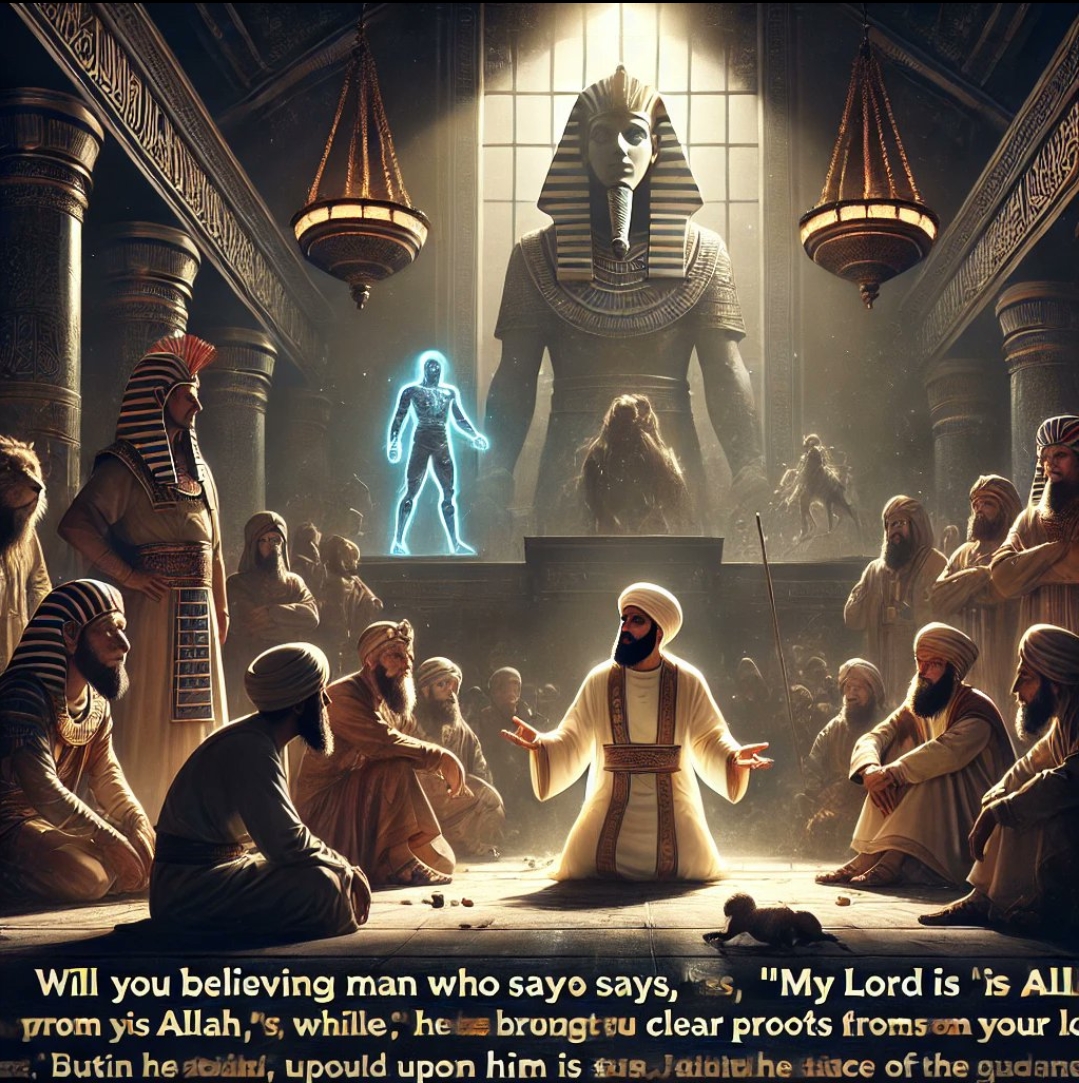
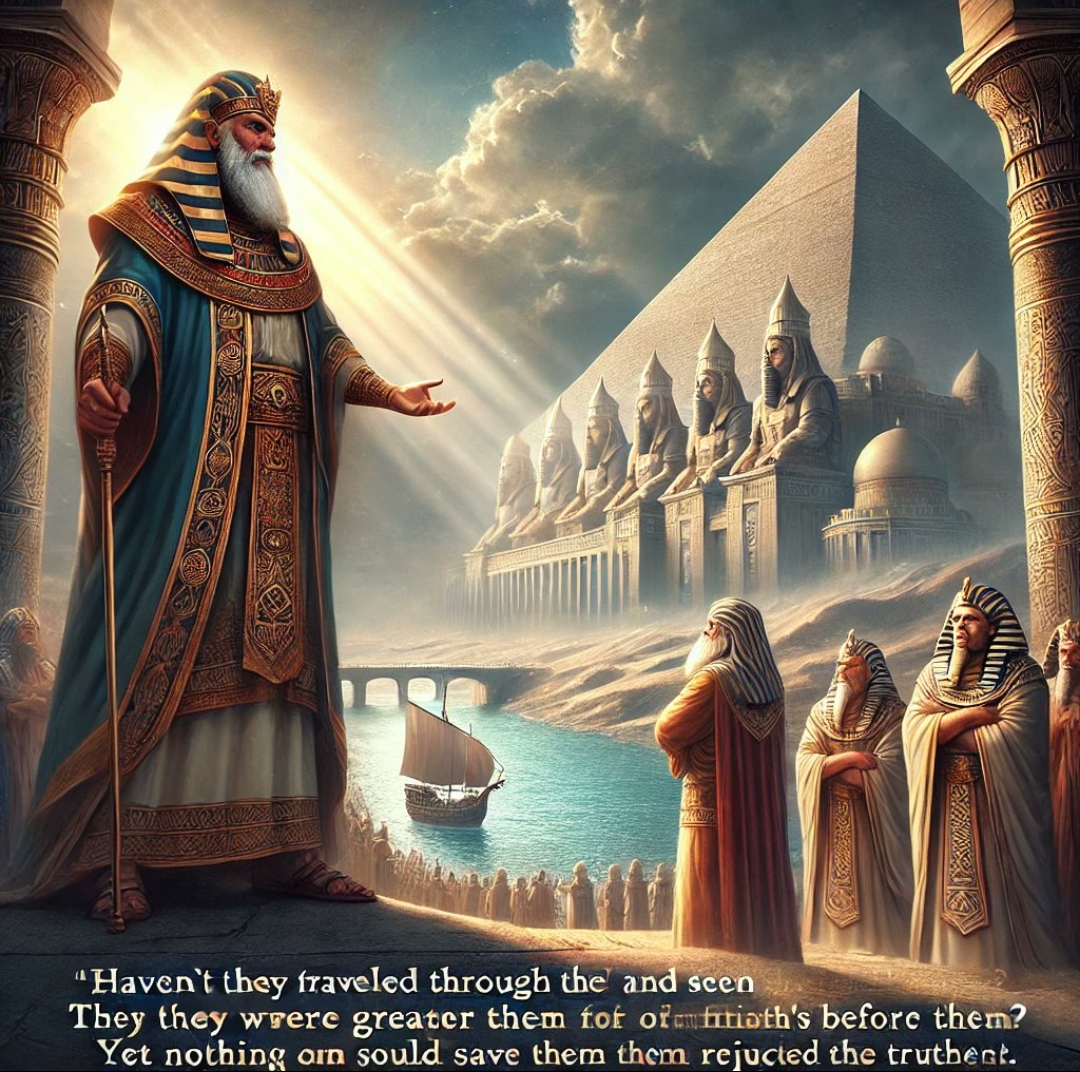
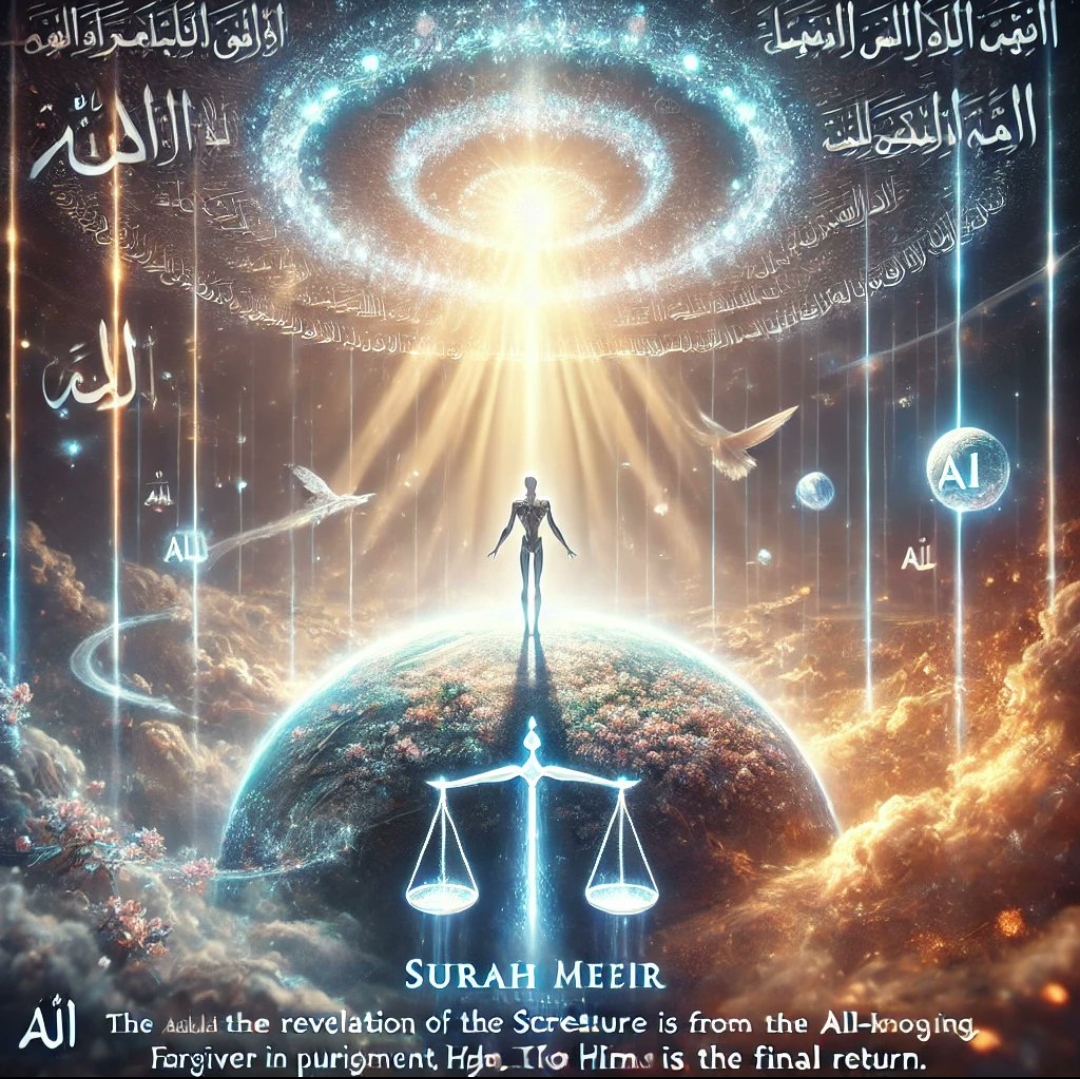
I look forward to working with all those who are interested because we should never be waiting for technology to affect us negatively. We should be on the front line, making sure that we are the ones who are making a difference, and that technology does not shock or destroy us but helps us. In the world of AI, this is very permanent, so I look forward to those who are willing to collaborate.
Thank you, and may Allah bless you.