

بِسْمِ اللهِ الرَّحْمٰنِ الرَّحِيْم
Surah Al-Baqarah (Verses 201-214): Sincere Faith vs. Corruption – A Deep Dive for New Muslims
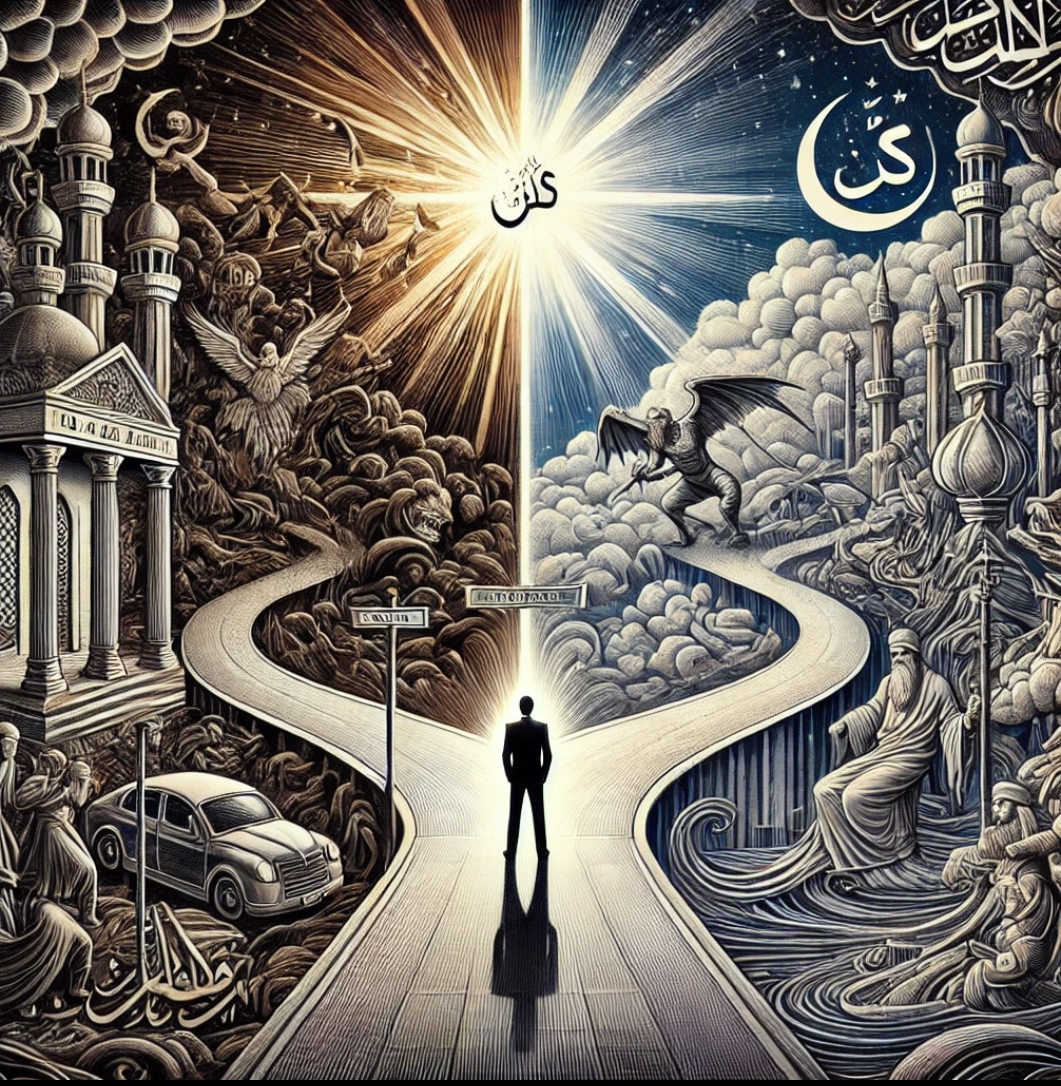
In these verses, Allah contrasts the righteous with those who are hypocritical or corrupt, offering a clear distinction between sincere believers and those who misuse religion for personal gain.
📜 The Verses in Arabic & English
Verses 201-202: The Right and Wrong Way to Pray
Arabic:
{ وَمِنۡهُم مَّن يَقُولُ رَبَّنَآ ءَاتِنَا فِي ٱلدُّنۡيَا وَمَا لَهُۥ فِي ٱلۡأٓخِرَةِ مِنۡ خَلَٰقٖ ٢٠٠ وَمِنۡهُم مَّن يَقُولُ رَبَّنَآ ءَاتِنَا فِي ٱلدُّنۡيَا حَسَنَةٗ وَفِي ٱلۡأٓخِرَةِ حَسَنَةٗ وَقِنَا عَذَابَ ٱلنَّارِ ٢٠١ أُوْلَٰٓئِكَ لَهُمۡ نَصِيبٞ مِّمَّا كَسَبُواْۚ وَٱللَّهُ سَرِيعُ ٱلۡحِسَابِ ٢٠٢ }
Translation:
"Among them are those who say, ‘Our Lord, give us in this world,’ and they will have no share in the Hereafter. But there are others who say, ‘Our Lord, give us good in this world and good in the Hereafter, and protect us from the punishment of the Fire.’ It is they who will have a share of what they have earned. And Allah is swift in reckoning."
Verses 203-206: Hypocrisy and Corruption
Arabic:
{ وَٱذۡكُرُواْ ٱللَّهَ فِيٓ أَيَّامٖ مَّعۡدُودَٰتٖۚ فَمَن تَعَجَّلَ فِي يَوۡمَيۡنِ فَلَآ إِثۡمَ عَلَيۡهِ وَمَن تَأَخَّرَ فَلَآ إِثۡمَ عَلَيۡهِ لِمَنِ ٱتَّقَىٰۗ وَٱتَّقُواْ ٱللَّهَ وَٱعۡلَمُوٓاْ أَنَّكُمۡ إِلَيۡهِ تُحۡشَرُونَ ٢٠٣ وَمِنَ ٱلنَّاسِ مَن يُعۡجِبُكَ قَوۡلُهُۥ فِي ٱلۡحَيَوٰةِ ٱلدُّنۡيَا وَيُشۡهِدُ ٱللَّهَ عَلَىٰ مَا فِي قَلۡبِهِۦ وَهُوَ أَلَدُّ ٱلۡخِصَامِ ٢٠٤ وَإِذَا تَوَلَّىٰ سَعَىٰ فِي ٱلۡأَرۡضِ لِيُفۡسِدَ فِيهَا وَيُهۡلِكَ ٱلۡحَرۡثَ وَٱلنَّسۡلَۚ وَٱللَّهُ لَا يُحِبُّ ٱلۡفَسَادَ ٢٠٥ وَإِذَا قِيلَ لَهُ ٱتَّقِ ٱللَّهَ أَخَذَتۡهُ ٱلۡعِزَّةُ بِٱلۡإِثۡمِۚ فَحَسۡبُهُۥ جَهَنَّمُۖ وَلَبِئۡسَ ٱلۡمِهَادُ ٢٠٦ }
Translation:
"Remember Allah during the appointed days. Whoever leaves after two days bears no sin, and whoever stays longer bears no sin, as long as they are mindful of Allah. And be conscious of Allah, for to Him you will be gathered. Among people is one whose words about worldly life impress you, and he calls upon Allah as a witness for what is in his heart. Yet he is the fiercest opponent. When he gains power, he strives to spread corruption and destroy crops and livestock. But Allah does not love corruption. And when he is told, ‘Fear Allah,’ his arrogance drives him to sin. Hell will be enough for him—a wretched resting place."
Verses 207-210: True Submission vs. Partial Faith
Arabic:
{ وَمِنَ ٱلنَّاسِ مَن يَشۡرِي نَفۡسَهُ ٱبۡتِغَآءَ مَرۡضَاتِ ٱللَّهِۗ وَٱللَّهُ رَءُوفُۢ بِٱلۡعِبَادِ ٢٠٧ يَٰٓأَيُّهَا ٱلَّذِينَ ءَامَنُواْ ٱدۡخُلُواْ فِي ٱلسِّلۡمِ كَآفَّةٗ وَلَا تَتَّبِعُواْ خُطُوَٰتِ ٱلشَّيۡطَٰنِۚ إِنَّهُۥ لَكُمۡ عَدُوّٞ مُّبِينٞ ٢٠٨ }
Translation:
"Among people is one who sells himself, seeking Allah’s pleasure. And Allah is compassionate to His servants. O you who believe, enter into Islam completely and do not follow the footsteps of Satan. Indeed, he is a clear enemy to you."
🔍 Breakdown of Themes for New Muslims
1️⃣ The Right Way to Pray (Verses 201-202)
Some people only ask for worldly benefits, forgetting the Hereafter.
The best prayer is a balanced one: seeking good in both worlds.
Allah encourages us to aim for eternal success, not just temporary gain.
📜 Prophetic Guidance:
The Prophet Muhammad (PBUH) taught this famous supplication:
"O Allah, grant us good in this world, good in the Hereafter, and save us from the punishment of the Fire." (Bukhari & Muslim)
2️⃣ The Dangers of Hypocrisy & Corruption (Verses 203-206)
Some people speak well but use religion for personal gain.
When in power, they spread corruption instead of doing good.
Allah warns that arrogance and injustice lead to Hell.
🔎 Modern Reflection:
This applies to political and religious leaders who misuse their position for personal or economic gain while pretending to serve Allah.
3️⃣ True Submission vs. Partial Faith (Verses 207-210)
The best believers give everything for Allah, seeking His pleasure.
Allah warns against following Satan, who misguides people step by step.
Enter Islam fully—don’t pick and choose.
📖 A Lesson for New Muslims:
Some people say they believe but only follow Islam when it's convenient. These verses remind us that true faith means full commitment.
📌 Key Takeaways for New Muslims
✅ 1. Balance Your Goals: Ask for success in both this life and the next.
✅ 2. Beware of False Righteousness: Not everyone who speaks beautifully is sincere.
✅ 3. Enter Islam Fully: Follow all its teachings, not just what is easy.
✅ 4. Avoid Arrogance: Humility leads to Allah’s mercy, while pride leads to downfall.
📖 Final Thought:
Faith is about sincerity. Some claim to follow Allah but work against His guidance. Others dedicate themselves completely to the truth. The choice is ours.
Surah Al-Baqarah, verses 204-206, addresses the characteristics of certain individuals who outwardly display piety but harbor malicious intentions. For new Muslims seeking to understand these verses, it's essential to delve into their historical context, the reasons for their revelation, and the lessons they impart.
Arabic and English Translation:
Verse 204: "And among people is he whose speech in the life of this world causes you to wonder, and he calls on Allah to witness as to what is in his heart, yet he is the most violent of adversaries."
Verse 205: "And when he turns back, he strives to cause mischief on the earth, and to destroy the tilth and the stock. But Allah does not love mischief."
Verse 206: "And when it is said to him, 'Fear Allah', pride drives him towards sin. So Hell shall be sufficient for him and it is an evil abode indeed."
Historical Context and Reason for Revelation:
These verses are believed to have been revealed concerning individuals who exhibited hypocrisy during the Prophet Muhammad's (peace be upon him) time. One prominent figure identified in Islamic tradition is Al-Akhnas ibn Shurayq. He was known for his eloquent speech and outward display of faith, but his actions contradicted his words. He would approach the Prophet, expressing his love and allegiance, even swearing oaths to affirm his sincerity. However, upon leaving the Prophet's presence, he would engage in acts of mischief, such as destroying crops and harming livestock belonging to Muslims.
Lessons for New Muslims:
1. Beware of Hypocrisy: These verses highlight the danger of individuals who present themselves as righteous but act contrary to Islamic principles. It's a reminder to align one's speech with sincere intentions and actions.
2. The Gravity of Arrogance: When advised to fear Allah, the arrogant respond with increased sinfulness. This teaches the importance of humility and accepting guidance.
3. Consequences of Mischief: Causing corruption, especially harming the environment or community resources, is severely condemned in Islam. Such actions lead to divine displeasure and punishment.
Timeline and Context:
These verses were revealed in the early Medinan period, a time when the Muslim community was establishing itself and faced both external opposition and internal challenges, including hypocrisy. The specific incidents involving individuals like Al-Akhnas ibn Shurayq served as lessons for the community to remain vigilant against those who might harm it from within.
Related Hadiths:
While there aren't specific hadiths directly linked to these verses, the themes align with broader Islamic teachings. For instance, the Prophet Muhammad (peace be upon him) said: "The signs of a hypocrite are three: When he speaks, he lies; when he makes a promise, he breaks it; and when he is entrusted, he betrays."
Conclusion:
For new Muslims, these verses serve as a profound reminder to cultivate sincerity, humility, and integrity. They caution against the dangers of hypocrisy and arrogance, emphasizing that true faith is reflected in both words and deeds. Understanding the historical context enriches one's appreciation of the Quranic message and its timeless relevance.