

بِسْمِ اللهِ الرَّحْمٰنِ الرَّحِيْم
Surah Al-Baqarah (Verses 196-202) – The Laws & Spiritual Essence of Hajj
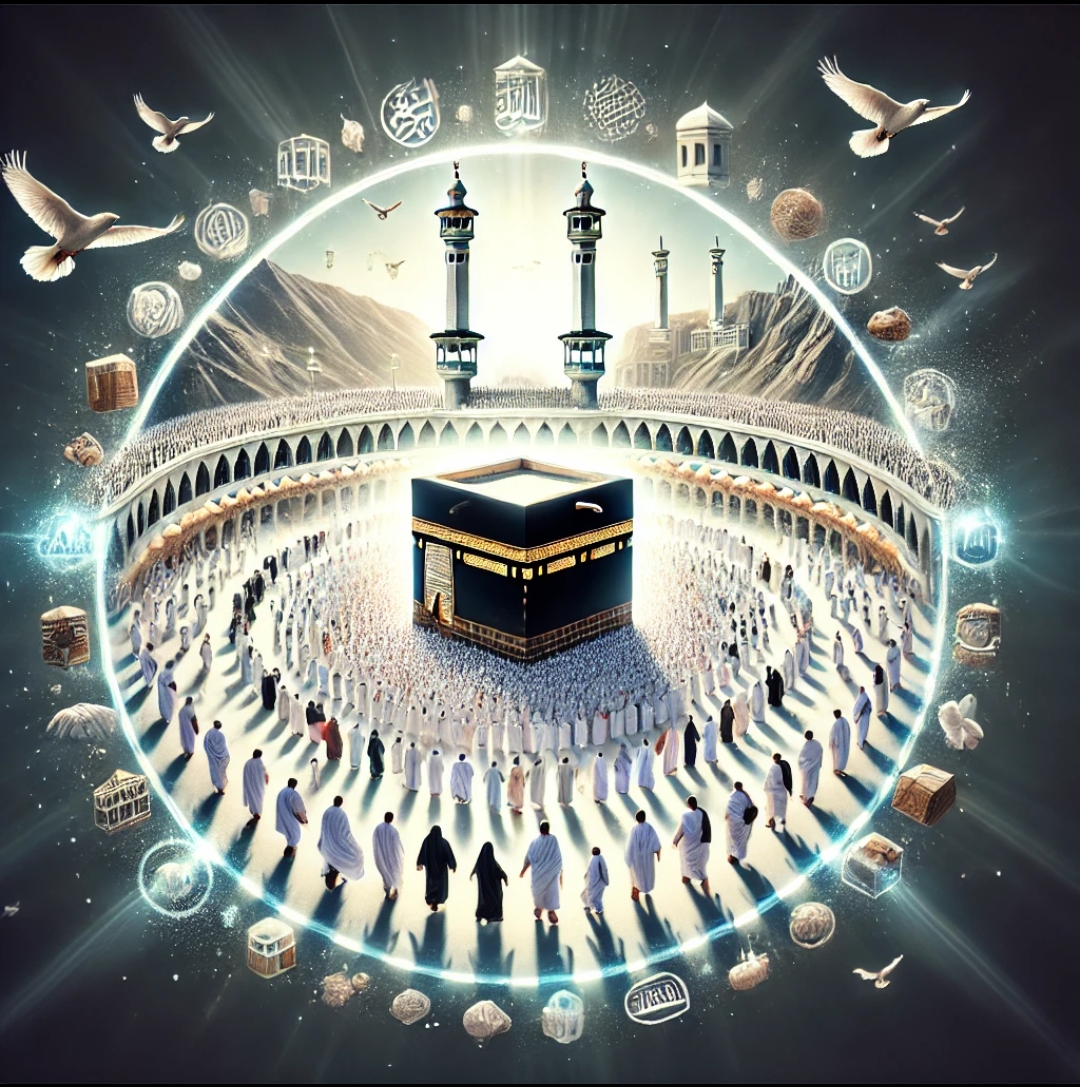
Hajj is more than just a pilgrimage—it is a journey of sacrifice, purification, and submission to Allah. These verses in Surah Al-Baqarah (2:196-202) explain the rulings of Hajj and the difference between those who seek only the world and those who seek the Hereafter.
---
📜 Arabic & English Translation of Verses 196-202
📖 Verse 196: Completing Hajj & Umrah
{ وَأَتِمُّواْ ٱلۡحَجَّ وَٱلۡعُمۡرَةَ لِلَّهِۚ فَإِنۡ أُحۡصِرۡتُمۡ فَمَا ٱسۡتَيۡسَرَ مِنَ ٱلۡهَدۡيِۖ وَلَا تَحۡلِقُواْ رُءُوسَكُمۡ حَتَّىٰ يَبۡلُغَ ٱلۡهَدۡيُ مَحِلَّهُۥۚ فَمَن كَانَ مِنكُم مَّرِيضًا أَوۡ بِهِۦٓ أَذٗى مِّن رَّأۡسِهِۦ فَفِدۡيَةٞ مِّن صِيَامٍ أَوۡ صَدَقَةٍ أَوۡ نُسُكٖۚ فَإِذَآ أَمِنتُمۡ فَمَن تَمَتَّعَ بِٱلۡعُمۡرَةِ إِلَى ٱلۡحَجِّ فَمَا ٱسۡتَيۡسَرَ مِنَ ٱلۡهَدۡيِۚ فَمَن لَّمۡ يَجِدۡ فَصِيَامُ ثَلَٰثَةِ أَيَّامٖ فِي ٱلۡحَجِّ وَسَبۡعَةٍ إِذَا رَجَعۡتُمۡۗ تِلۡكَ عَشَرَةٞ كَامِلَةٞۗ ذَٰلِكَ لِمَن لَّمۡ يَكُنۡ أَهۡلُهُۥ حَاضِرِي ٱلۡمَسۡجِدِ ٱلۡحَرَامِۚ وَٱتَّقُواْ ٱللَّهَ وَٱعۡلَمُوٓاْ أَنَّ ٱللَّهَ شَدِيدُ ٱلۡعِقَابِ }
📖 “Complete the Hajj and the Umrah for Allah. But if you are prevented, then [offer] whatever sacrificial animal is available, and do not shave your heads until the sacrificial animal reaches its place. And whoever among you is ill or has an ailment of the head, then a ransom of fasting or charity or sacrifice [is due]. And when you are secure, then whoever performs Umrah [during Hajj season] followed by Hajj, must offer what he can in sacrifice. But if he cannot find [one], then a fast of three days during Hajj and seven when you return—making ten in total. This is for those whose families are not present at the Sacred Mosque. And fear Allah and know that Allah is severe in penalty.” (2:196)
✅ Key Points:
Hajj & Umrah must be completed fully.
If unable to complete, a sacrifice must be offered.
Shaving the head is only allowed after completing Hajj rituals.
Those unable to offer a sacrifice must fast instead (3 days during Hajj, 7 after returning home).
---
📖 Verse 197: The Sacred State of Hajj
{ ٱلۡحَجُّ أَشۡهُرٞ مَّعۡلُومَٰتٞۚ فَمَن فَرَضَ فِيهِنَّ ٱلۡحَجَّ فَلَا رَفَثَ وَلَا فُسُوقَ وَلَا جِدَالَ فِي ٱلۡحَجِّۗ وَمَا تَفۡعَلُواْ مِنۡ خَيۡرٖ يَعۡلَمۡهُ ٱللَّهُۗ وَتَزَوَّدُواْ فَإِنَّ خَيۡرَ ٱلزَّادِ ٱلتَّقۡوَىٰۖ وَٱتَّقُونِ يَٰٓأُوْلِي ٱلۡأَلۡبَٰبِ }
📖 “Hajj takes place in well-known months, so whoever intends to perform Hajj must not engage in indecency, sin, or argument during the Hajj. And whatever good you do—Allah knows it. And take provisions, but the best provision is righteousness. So fear Me, O people of understanding.” (2:197)
✅ Key Points:
Hajj has strict rules: No arguing, sins, or intimate relations during Ihram.
Provisions (food, money) are important, but the best provision is taqwa (God-consciousness).
📜 Hadith on Hajj Purification:
"Whoever performs Hajj and does not commit obscenity or transgression, will return as pure as a newborn." (Bukhari, Muslim)
---
📖 Verse 198-199: Seeking Allah’s Blessings in Hajj
{ لَيۡسَ عَلَيۡكُمۡ جُنَاحٌ أَن تَبۡتَغُواْ فَضۡلٗا مِّن رَّبِّكُمۡۚ فَإِذَآ أَفَضۡتُم مِّنۡ عَرَفَٰتٖ فَٱذۡكُرُواْ ٱللَّهَ عِندَ ٱلۡمَشۡعَرِ ٱلۡحَرَامِۖ وَٱذۡكُرُوهُ كَمَا هَدَىٰكُمۡ وَإِن كُنتُم مِّن قَبۡلِهِۦ لَمِنَ ٱلضَّآلِّينَ }
📖 “There is no blame upon you for seeking bounty from your Lord [during Hajj]. But when you depart from Arafat, remember Allah at al-Mash‘ar al-Haram. And remember Him as He has guided you, for before this, you were among those astray.” (2:198)
✅ Key Points:
Seeking sustenance (business during Hajj) is allowed.
Hajj is a reminder of guidance—before Islam, people were lost.
📜 Prophet Muhammad (PBUH) said:
"The best supplication is the supplication on the day of Arafah." (Tirmidhi)
---
📖 Verse 200-202: True Purpose of Hajj – Seeking the Hereafter
{ فَمِنَ ٱلنَّاسِ مَن يَقُولُ رَبَّنَآ ءَاتِنَا فِي ٱلدُّنۡيَا وَمَا لَهُۥ فِي ٱلۡأٓخِرَةِ مِنۡ خَلَٰقٖ }
📖 “Among the people are those who say, ‘Our Lord, give us in this world,’ and they will have no share in the Hereafter. But among them are those who say, ‘Our Lord, grant us good in this world and good in the Hereafter, and protect us from the torment of the Fire.’” (2:200-201)
✅ Key Points:
Some people only seek worldly gain in Hajj—they will have nothing in the Hereafter.
The true believer asks for both dunya and akhirah.
📜 Prophet Muhammad (PBUH) taught:
"The most comprehensive dua is: 'O Allah, give us good in this world and good in the Hereafter, and protect us from the Fire.’" (Bukhari, Muslim)
---
🌟 Key Lessons from These Verses
✅ Hajj is a test of patience, sincerity, and sacrifice.
✅ Material gain is allowed, but true success is seeking Allah’s pleasure.
✅ The best provision for the journey is not food—it is taqwa.
👉 Are we seeking the world, or are we striving for something greater?
Understanding the context of Surah Al-Baqarah, verses 196-202, provides valuable insights into the guidance offered to Muslims regarding the rituals of Hajj and Umrah, especially during challenging circumstances.
Historical Context: The Treaty of Hudaybiyyah
In the 6th year after Hijrah (628 CE), Prophet Muhammad (peace be upon him) and approximately 1,400 of his companions set out from Madinah with the intention of performing Umrah, the lesser pilgrimage, in Makkah. Despite their peaceful intentions and adherence to the pilgrimage rituals, the Quraysh tribe of Makkah barred them from entering the city. This led to the negotiation and signing of the Treaty of Hudaybiyyah, a pivotal agreement that established a ten-year truce between the Muslims and the Quraysh. One of the treaty's stipulations was that the Muslims would return to Madinah without performing Umrah that year but would be permitted to do so the following year.
Guidance on Rituals Amidst Prevention
The unexpected prevention from completing Umrah raised concerns among the Muslims, especially since they had entered the state of Ihram (a sacred state required for pilgrimage). In response, Allah revealed guidance to address these specific situations:
Sacrificial Offering: Pilgrims who are prevented from completing Hajj or Umrah after entering Ihram are instructed to offer a sacrificial animal as compensation. This act serves as an expiation for the inability to complete the intended pilgrimage.
Restrictions on Shaving: Pilgrims are advised not to shave their heads until the sacrificial animal reaches its place of slaughter. However, if someone has a medical condition affecting the scalp, they are permitted to shave but must compensate by fasting, giving charity, or performing another sacrifice.
Tamattu' Hajj: For those performing Umrah followed by Hajj (known as Tamattu'), a sacrifice is required. If unable to offer this sacrifice due to financial constraints, the pilgrim must fast for three days during Hajj and an additional seven days upon returning home, totaling ten days. This directive ensures that all pilgrims, regardless of their financial means, can fulfill the rites of Hajj and Umrah appropriately.
Clarifying the Fasting Obligation
The mention of fasting ten days in this context might lead to confusion among new Muslims. It's important to note that this fasting is not a general obligation for all Muslims during the Hajj season. Instead, it pertains specifically to pilgrims performing the Tamattu' form of Hajj who cannot afford the required sacrificial animal. For these individuals, fasting serves as a compensatory act, divided into:
1. Three Days During Hajj: These can be observed on the 6th, 7th, and 8th days of Dhul-Hijjah or on the 7th, 8th, and 9th days.
2. Seven Days After Returning Home: These should be completed after the pilgrim has returned from Hajj.
This directive ensures that all pilgrims, regardless of their financial means, can fulfill the rites of Hajj and Umrah appropriately.
Fasting During the First Ten Days of Dhul-Hijjah
Beyond the specific context of pilgrimage, fasting during the first nine days of Dhul-Hijjah (the 12th month of the Islamic calendar) is highly recommended for all Muslims, including those not performing Hajj. These days are considered virtuous, with the 9th day, known as the Day of Arafah, holding particular significance. Fasting on the Day of Arafah is believed to expiate sins of the preceding and coming year. However, it's important to note that while fasting during these days is meritorious, it is not obligatory. Muslims are encouraged to engage in increased worship, reflection, and good deeds during this period.
Comprehensive Perspective for New Muslims
Understanding these verses requires recognizing the balance between ritual observance and the underlying principles of faith:
Flexibility in Worship: Islam provides accommodations for believers facing genuine hardships, ensuring that acts of worship remain accessible without undue burden.
Spiritual Significance: The rituals of Hajj and Umrah are not merely physical acts but are imbued with deep spiritual meaning, symbolizing submission, sacrifice, and unity among Muslims.
Personal Accountability: Each Muslim is encouraged to strive in their worship to the best of their ability, with the understanding that Allah is aware of individual circumstances and intentions.
For new Muslims, these insights highlight the compassion and practicality inherent in Islamic teachings, emphasizing that the faith accommodates diverse situations while guiding believers toward spiritual growth and fulfillment.