

بِسْمِ اللهِ الرَّحْمٰنِ الرَّحِيْم
Surah Al-Baqarah (Verses 177-182): The Divine Framework for Righteousness, Justice, and Wealth Distribution
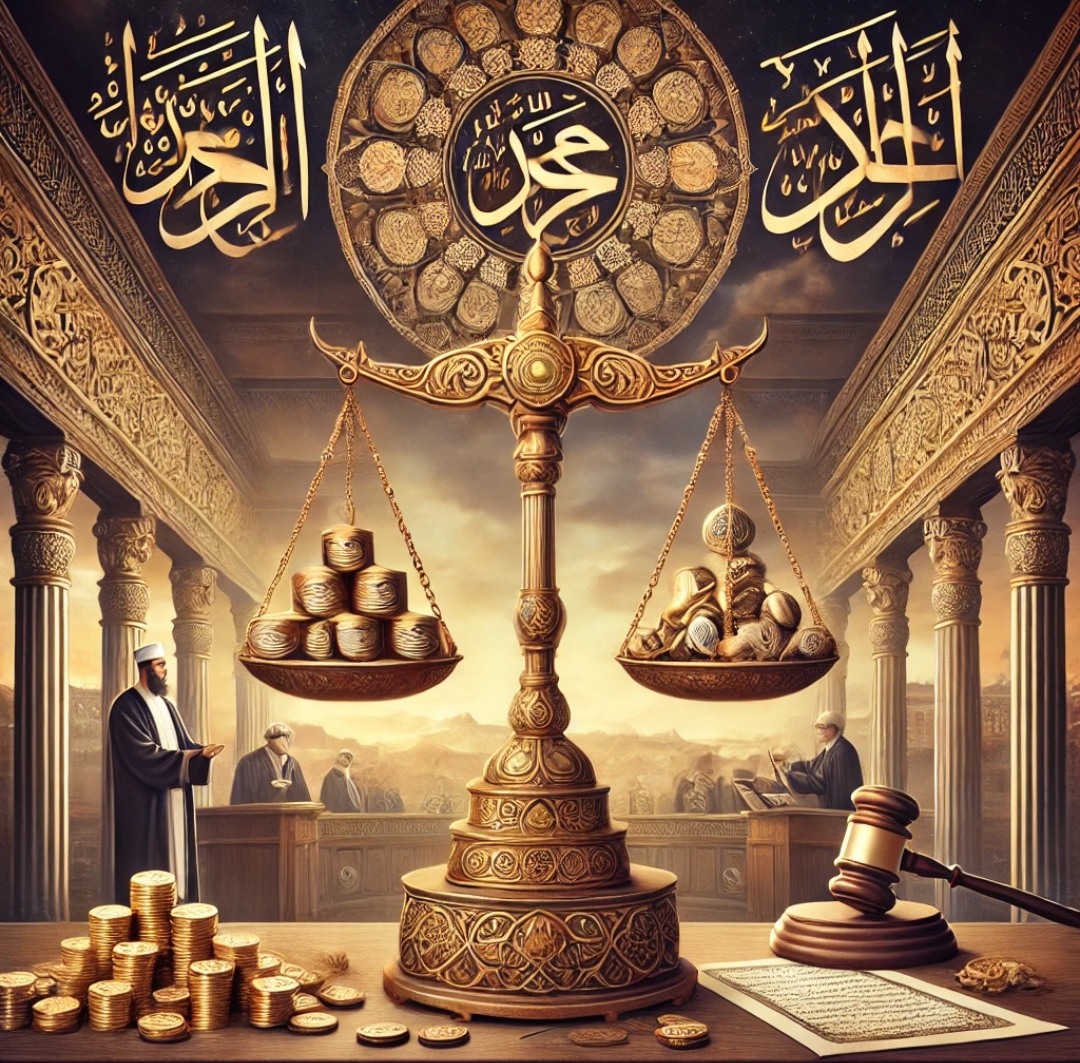
Surah Al-Baqarah, the longest and most comprehensive chapter of the Qur’an, systematically introduces key principles of faith, morality, justice, and legal rulings. Verses 177-182 provide an extraordinary synthesis of what it means to be truly righteous, how justice should be implemented fairly, and how wealth should be distributed ethically.
For new Muslims, these verses provide insight into how Islamic law governs life, ensuring that justice is never compromised by wealth or social status, and that piety is not merely about rituals but about holistic devotion. This article will explore the historical context, the reason for the revelation of these verses, their meanings, and their relevance today.
---
📖 Arabic & English Translation of Verses 177-182
📜 Verse 177: The Definition of True Righteousness
📖 لَّيْسَ ٱلْبِرَّ أَن تُوَلُّوا۟ وُجُوهَكُمْ قِبَلَ ٱلْمَشْرِقِ وَٱلْمَغْرِبِ وَلَٰكِنَّ ٱلْبِرَّ مَنْ ءَامَنَ بِٱللَّهِ وَٱلْيَوْمِ ٱلْءَاخِرِ وَٱلْمَلَٰٓئِكَةِ وَٱلْكِتَٰبِ وَٱلنَّبِيِّۦنَ وَءَاتَى ٱلْمَالَ عَلَىٰ حُبِّهِۦ ذَوِى ٱلْقُرْبَىٰ وَٱلْيَتَٰمَىٰ وَٱلْمَسَٰكِينَ وَٱبْنَ ٱلسَّبِيلِ وَٱلسَّآئِلِينَ وَفِى ٱلرِّقَابِ ۖ وَأَقَامَ ٱلصَّلَوٰةَ وَءَاتَى ٱلزَّكَوٰةَ ۖ وَٱلْمُوفُونَ بِعَهْدِهِمْ إِذَا عَٰهَدُوا۟ ۖ وَٱلصَّٰبِرِينَ فِى ٱلْبَأْسَآءِ وَٱلضَّرَّآءِ وَحِينَ ٱلْبَأْسِ ۗ أُو۟لَٰٓئِكَ ٱلَّذِينَ صَدَقُوا۟ ۖ وَأُو۟لَٰٓئِكَ هُمُ ٱلْمُتَّقُونَ ١٧٧
📖 "Righteousness is not turning your faces toward the east or the west, but righteousness is [in] one who believes in Allah, the Last Day, the angels, the Book, and the prophets and gives wealth, in spite of love for it, to relatives, orphans, the needy, the traveler, those who ask [for help], and for freeing slaves; and who establishes prayer and gives Zakat; those who fulfill their promise when they promise; and those who are patient in poverty and hardship and during battle. Those are the ones who have been true, and it is they who are the righteous."
(Surah Al-Baqarah 2:177)
🔍 Breakdown & Explanation
✔ Faith is more than rituals: True righteousness is not just about facing a certain direction in prayer.
✔ Belief in fundamental aspects of faith: Allah, the Day of Judgment, angels, divine books, and prophets.
✔ Righteousness in action:
Charity: Giving wealth to those in need, even when it is loved.
Establishing prayer and giving Zakat.
Fulfilling promises.
Exercising patience in hardship.
📜 Prophet Muhammad (PBUH) said:
"Righteousness is good character, and sin is what wavers in your heart and you dislike people knowing about it."
(Sahih Muslim, 2553)
---
📜 Verses 178-179: The Law of Retribution (Qisas)
📖 يَٰٓأَيُّهَا ٱلَّذِينَ ءَامَنُوا۟ كُتِبَ عَلَيْكُمُ ٱلْقِصَاصُ فِى ٱلْقَتْلَى ۖ ٱلْحُرُّ بِٱلْحُرِّ وَٱلْعَبْدُ بِٱلْعَبْدِ وَٱلْأُنثَىٰ بِٱلْأُنثَىٰ ۚ فَمَنْ عُفِىَ لَهُۥ مِنْ أَخِيهِ شَىْءٌ فَٱتِّبَاعٌۭ بِٱلْمَعْرُوفِ وَأَدَآءٌ إِلَيْهِ بِإِحْسَٰنٍۢ ۗ ذَٰلِكَ تَخْفِيفٌۭ مِّن رَّبِّكُمْ وَرَحْمَةٌۭ ۗ فَمَنِ ٱعْتَدَىٰ بَعْدَ ذَٰلِكَ فَلَهُۥ عَذَابٌ أَلِيمٌۭ ١٧٨
📖 "O believers! The law of retaliation is prescribed for you in cases of murder—a free man for a free man, a slave for a slave, and a female for a female. But if the offender is pardoned by the victim’s guardian, then blood-money should be decided fairly and payment should be made courteously. This is a concession and a mercy from your Lord. But whoever transgresses after that will suffer a painful punishment."
(Surah Al-Baqarah 2:178)
🔍 Breakdown & Explanation
✔ The justice of Qisas: Ensures equity in punishment for murder.
✔ The option of pardon: The victim’s family may accept blood money instead of retaliation.
✔ Mercy and deterrence: This system prevents revenge killings, promoting justice and social stability.
📜 Prophet Muhammad (PBUH) said:
"Allah grants mercy to those who are merciful. Be merciful to those on the earth, and the One above the heavens will have mercy on you."
(Sunan Abu Dawood, 4941)
---
🔑 Key Lessons for New Muslims
✔ Righteousness is defined by faith and action—not just rituals.
✔ Justice in Qisas ensures balance between fairness and mercy.
✔ Wealth must be distributed ethically in accordance with divine law.
📖 Historical Context: Why Were These Verses Revealed?
These laws were revealed after the migration to Medina, where the first Islamic state was being established.
Before Islam, Arabian tribal culture had no formal justice system, often relying on revenge killings and unfair practices.
Islam abolished inequality in justice, ensuring that no one is above the law—whether rich or poor.
How This Applies Today
The concept of Qisas continues to be a fundamental part of modern Islamic law, ensuring fair and just legal systems.
Righteousness remains an internal and external practice, guiding Muslims toward a moral and ethical life.
New Muslims should understand that Islam is not just a set of rules but a complete way of life, focusing on justice, fairness, and devotion to Allah.
📖 Read the full breakdown here:
Understanding the Revelation and Significance of Surah Al-Baqarah Verses 178 and 180: Islamic Laws on Retribution and Bequests
Surah Al-Baqarah, the second chapter of the Qur'an, provides comprehensive guidance on various aspects of life, including legal and ethical matters. Verses 178 and 180 are particularly significant as they address the laws of retribution (Qisas) in cases of murder and the obligations concerning bequests (Wasiyyah). For new Muslims, understanding the context and implications of these verses is crucial for comprehending Islamic principles of justice and financial responsibility.
Verse 178: The Law of Retribution (Qisas)
This verse establishes the principle of equitable retribution in cases of intentional murder:
"O you who have believed, prescribed for you is legal retribution for those murdered—the free for the free, the slave for the slave, and the female for the female. But whoever overlooks from his brother anything, then there should be a suitable follow-up and payment to him with good conduct. This is an alleviation from your Lord and a mercy. But whoever transgresses after that will have a painful punishment." *(Surah Al-Baqarah 2:178)*
Context and Reason for Revelation:
Prior to Islam, Arab tribes practiced unequal retribution, often based on social status, leading to cycles of vengeance and injustice. This verse was revealed to establish justice and equality, ensuring that punishment corresponded directly to the crime, regardless of the individuals' social standing.
Key Points:
Equitable Retribution: The verse mandates that the punishment must match the crime, emphasizing that a free person is punished for killing a free person, a slave for a slave, and a female for a female. This was a significant move towards justice, countering pre-Islamic practices where retaliation was often disproportionate.
Option for Pardon: The victim's family has the option to forgive the murderer and accept blood money (diyya), promoting mercy and flexibility within the justice system.
Verse 180: The Obligation of Bequests (Wasiyyah)
This verse provides guidance on making bequests:
"Prescribed for you, when death approaches any one of you if he leaves wealth, is that he make a bequest to parents and near relatives according to what is acceptable—a duty upon the righteous." *(Surah Al-Baqarah 2:180)*
Context and Reason for Revelation:
In pre-Islamic Arabia, inheritance practices often neglected the rights of women, children, and weaker members of society. This verse was revealed to ensure that bequests were made fairly, safeguarding the financial rights of all relatives.
Key Points:
Fair Bequests: Individuals are instructed to allocate portions of their wealth to parents and close relatives in a just manner, ensuring that no rightful heir is overlooked.
Moral Responsibility: Making a fair bequest is described as a duty upon the righteous, highlighting the ethical importance of proper wealth distribution.
Implications for New Muslims:
Understanding Justice: The concept of Qisas emphasizes that justice in Islam is based on equality and fairness, without discrimination based on social status or gender.
Financial Ethics: The directive on bequests underscores the importance Islam places on financial responsibility and the protection of family rights.
By studying these verses, new Muslims can gain insight into the Quranic principles that promote justice, equality, and ethical conduct in personal and social matters.