

بِسْمِ اللهِ الرَّحْمٰنِ الرَّحِيْم
Surah Al-Baqarah (Verses 163-176): The Oneness of Allah, The Signs in Creation, and The Path of Righteousness
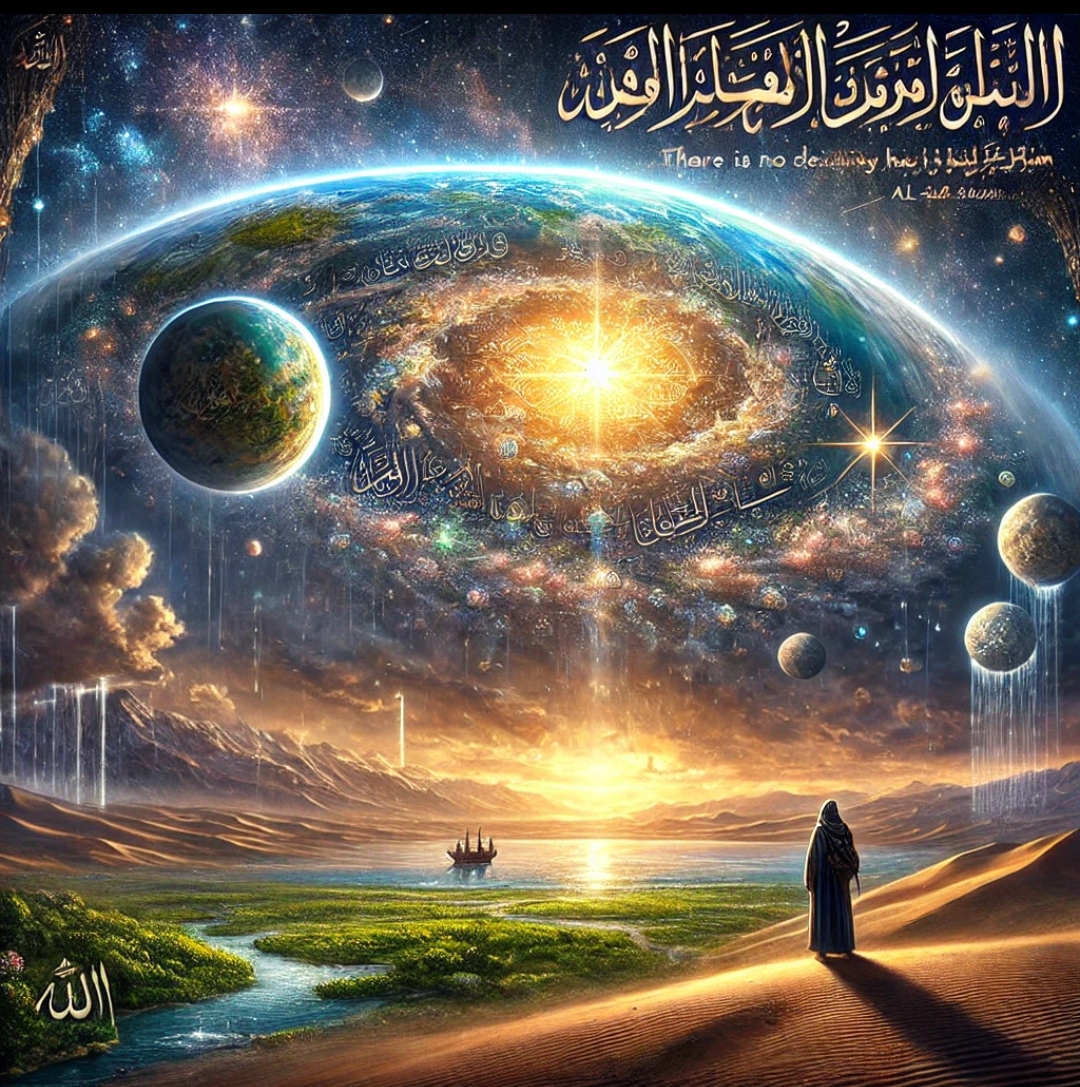
Surah Al-Baqarah continues its powerful discourse, establishing the foundation of Tawheed (Oneness of Allah), highlighting signs in creation that point to His existence, condemning idolatry, and providing clear guidelines on lawful and unlawful consumption. It concludes with a severe warning to those who conceal divine truth for worldly gains.
These verses offer deep insight into the essence of Islamic belief and practice, making them essential for new and lifelong Muslims alike. Let’s explore them in Arabic and English, followed by an extensive breakdown.
---
📖 Arabic & English Translation of Verses 163-176
📜 Verse 163: The Foundation of Tawheed
📖 وَإِلَٰهُكُمْ إِلَٰهٞ وَٰحِدٞۖ لَّآ إِلَٰهَ إِلَّا هُوَ ٱلرَّحْمَٰنُ ٱلرَّحِيمُ ١٦٣
📖 "Your God is One God. There is no deity [worthy of worship] except Him, the Most Merciful, the Especially Merciful."
(Surah Al-Baqarah 2:163)
🔹 This verse confirms absolute monotheism—the most fundamental belief in Islam.
🔹 Allah alone is worthy of worship—idolatry, polytheism, or associating partners with Him is rejected.
🔹 His attributes of Mercy show that submission to Him leads to compassion and blessings.
---
📜 Verse 164: The Signs in Creation
📖 إِنَّ فِي خَلْقِ ٱلسَّمَٰوَٰتِ وَٱلْأَرْضِ وَٱخْتِلَٰفِ ٱلَّيْلِ وَٱلنَّهَارِ وَٱلْفُلْكِ ٱلَّتِي تَجْرِي فِي ٱلْبَحْرِ بِمَا يَنفَعُ ٱلنَّاسَ وَمَآ أَنزَلَ ٱللَّهُ مِنَ ٱلسَّمَآءِ مِن مَّآءٖ فَأَحْيَا بِهِ ٱلْأَرْضَ بَعْدَ مَوْتِهَا وَبَثَّ فِيهَا مِن كُلِّ دَآبَّةٖ وَتَصْرِيفِ ٱلرِّيَٰحِ وَٱلسَّحَابِ ٱلْمُسَخَّرِ بَيْنَ ٱلسَّمَآءِ وَٱلْأَرْضِ لَأٓيَٰتٖ لِّقَوْمٖ يَعْقِلُونَ ١٦٤
📖 "Indeed, in the creation of the heavens and the earth, the alternation of the night and the day, the ships that sail the sea for the benefit of people, and what Allah has sent down from the sky of rain, giving life thereby to the earth after its lifelessness and dispersing therein every [kind of] moving creature, and [His] directing of the winds and the clouds controlled between the heaven and the earth are signs for a people who use reason."
(Surah Al-Baqarah 2:164)
🔹 Allah provides clear proofs of His existence through natural phenomena.
🔹 Everything in creation follows a divine order, from the sun and the moon to the rain that revives dead land.
🔹 Reflecting on these signs leads to certainty in faith.
📜 Prophet Muhammad (PBUH) said:
"A person who ponders deeply over the signs of Allah will be guided to faith." (Tirmidhi)
---
📜 Verses 165-167: Condemnation of Idolatry
📖 وَمِنَ ٱلنَّاسِ مَن يَتَّخِذُ مِن دُونِ ٱللَّهِ أَندَادٗا يُحِبُّونَهُمْ كَحُبِّ ٱللَّهِۖ وَٱلَّذِينَ ءَامَنُوٓاْ أَشَدُّ حُبّٗا لِّلَّهِۖ وَلَوْ يَرَى ٱلَّذِينَ ظَلَمُوٓاْ إِذْ يَرَوْنَ ٱلْعَذَابَ أَنَّ ٱلْقُوَّةَ لِلَّهِ جَمِيعٗا وَأَنَّ ٱللَّهَ شَدِيدُ ٱلْعَذَابِ ١٦٥
📖 "Yet there are some who take others as equal to Allah, loving them as they should love Allah. But the believers love Allah even more. If only the wrongdoers could see the punishment, they would know that all power belongs to Allah and that Allah is severe in punishment."
(Surah Al-Baqarah 2:165)
🔹 Love for Allah should be greater than any worldly attachment.
🔹 On Judgment Day, idolaters will realize their mistake, but it will be too late.
📜 Prophet Muhammad (PBUH) said:
"The strongest handhold of faith is to love for Allah and to hate for Allah." (Ahmad)
---
📜 Verses 168-173: Lawful & Unlawful Consumption
📖 يَٰٓأَيُّهَا ٱلنَّاسُ كُلُواْ مِمَّا فِي ٱلْأَرْضِ حَلَٰلٗا طَيِّبٗا وَلَا تَتَّبِعُواْ خُطُوَٰتِ ٱلشَّيْطَٰنِۚ إِنَّهُۥ لَكُمْ عَدُوّٞ مُّبِينٌ ١٦٨
📖 "O mankind, eat from whatever is on earth [that is] lawful and pure, and do not follow the footsteps of Satan. Indeed, he is to you a clear enemy."
(Surah Al-Baqarah 2:168)
🔹 Islamic dietary laws exist for our physical and spiritual well-being.
🔹 Satan deceives people into consuming what is unlawful.
📖 "Indeed, Allah is Forgiving and Merciful." (Surah Al-Baqarah 2:173)
🔹 If someone is forced by necessity, eating unlawful food is permitted—showing Islam’s practicality.
---
📜 Verses 174-176: The Danger of Concealing the Truth
📖 إِنَّ ٱلَّذِينَ يَكْتُمُونَ مَآ أَنزَلَ ٱللَّهُ مِنَ ٱلْكِتَٰبِ وَيَشْتَرُونَ بِهِۦ ثَمَنٗا قَلِيلًا أُو۟لَٰٓئِكَ مَا يَأْكُلُونَ فِي بُطُونِهِمْ إِلَّا ٱلنَّارَ ١٧٤
📖 "Indeed, those who conceal what Allah has sent down of the Book and exchange it for a small price—they consume nothing into their bellies except the Fire."
(Surah Al-Baqarah 2:174)
🔹 Some scholars and leaders distort religious truths for personal gain.
🔹 Those who sell divine truth for worldly benefits face eternal punishment.
📜 Prophet Muhammad (PBUH) said:
"Whoever lies about Allah’s guidance knowingly, let him prepare his seat in Hell." (Bukhari)
---
🔑 Key Lessons for New Muslims
✔ Tawheed is the foundation of Islam—never associate partners with Allah.
✔ Reflecting on creation strengthens faith.
✔ Love for Allah must be above all else.
✔ Eating lawful food is an act of worship.
✔ Do not conceal or distort the truth for personal gain.
🔹 May Allah guide us all to live by these verses and strengthen our faith.
📖 Read the full breakdown here:
Surah Al-Baqarah, the second chapter of the Qur'an, is a comprehensive surah revealed in Medina after the Prophet Muhammad's (ﷺ) migration from Mecca. This chapter addresses various aspects of Islamic theology, law, and guidance for the nascent Muslim community. Verses 163 to 176, in particular, emphasize the Oneness of Allah (Tawheed), reflect on the signs of His creation, condemn idolatry, and provide guidelines on lawful and unlawful provisions.
Revelation Context:
Surah Al-Baqarah was revealed over several years during the Prophet Muhammad's (ﷺ) time in Medina, following the Hijrah (migration) from Mecca. The surah addresses the new challenges faced by the Muslim community as they transitioned from living under persecution in Mecca to establishing themselves as a collective society in Medina. In Medina, the Prophet (ﷺ) encountered other religious communities, particularly Jews, who had beliefs similar in some respects to Islam—such as the oneness of God, prophethood, and the concept of the Hereafter—but they had strayed from the teachings of their scriptures and clung to ritualistic practices that had lost their spiritual essence.
Key Themes and Related Hadiths:
1. Affirmation of Tawheed (Oneness of Allah):
Verse 163 declares:
"Your God is One God; there is no deity [worthy of worship] except Him, the Most Compassionate, the Most Merciful."
This verse emphasizes the core Islamic belief in monotheism.
2. Signs in Creation Pointing to Allah's Existence:
Verse 164 reflects on the natural phenomena as signs for those who use reason:
"Indeed, in the creation of the heavens and the earth, the alternation of the night and the day, the [great] ships which sail through the sea with that which benefits people, and what Allah has sent down from the heavens of rain, giving life thereby to the earth after its lifelessness and dispersing therein every [kind of] moving creature, and [His] directing of the winds and the clouds controlled between the heaven and the earth are signs for a people who use reason."
Reflecting on these signs strengthens faith and recognition of Allah's majesty.
3. Condemnation of Idolatry:
Verses 165-167 address those who associate partners with Allah and the consequences of such actions:
"And [yet], among the people are those who take other than Allah as equals [to Him]. They love them as they [should] love Allah. But those who believe are stronger in love for Allah..."
These verses highlight the futility of idolatry and the regret idolaters will face on the Day of Judgment.
4. Guidance on Lawful and Unlawful Consumption:
Verses 168-173 provide instructions on consuming what is lawful and pure, warning against following Satan's footsteps:
"O mankind, eat from whatever is on earth [that is] lawful and pure and do not follow the footsteps of Satan. Indeed, he is to you a clear enemy."
These verses also specify prohibitions, such as consuming dead animals, blood, and the flesh of swine, while allowing exceptions in cases of necessity.
5. Consequences of Concealing Divine Revelations:
Verses 174-176 warn those who conceal Allah's revelations for worldly gains:
"Indeed, they who conceal what Allah has sent down of the Book and exchange it for a small price - those consume not into their bellies except the Fire..."
These verses caution against hiding divine guidance and emphasize the severe consequences of such actions.
Related Hadith:
While specific hadiths directly referencing these exact verses are limited, the themes addressed align with broader Islamic teachings found in various hadiths. For instance, the emphasis on monotheism and the rejection of idolatry are recurrent themes in the Prophet's (ﷺ) teachings.
Conclusion:
For new Muslims, understanding these verses offers insight into the foundational beliefs and practices of Islam. They underscore the importance of recognizing Allah's singularity, observing the signs in creation, adhering to His commandments regarding lawful and unlawful matters, and the grave consequences of deviating from His guidance. Reflecting upon these themes fosters a deeper connection to the faith and encourages adherence to the path laid out by Allah.