

بِسْمِ اللهِ الرَّحْمٰنِ الرَّحِيْم
Surah Al-Anʿām (6:71-80): A Deep Dive for New Muslims
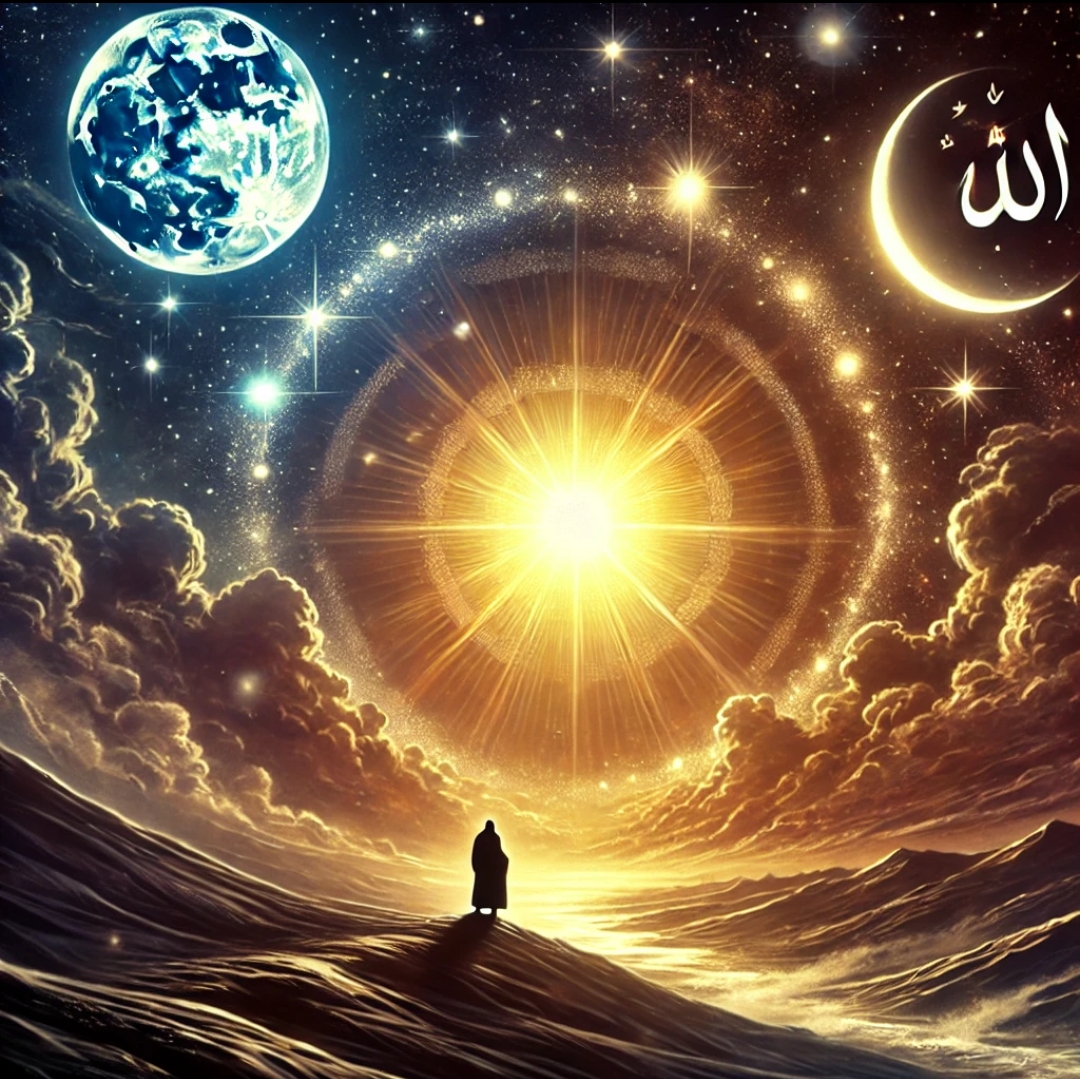
In these verses, Allah emphasizes the futility of idolatry, the significance of following divine guidance, and presents Prophet Abraham's (Ibrahim) journey to monotheism as a profound example. For new Muslims, understanding these themes is crucial in strengthening faith and recognizing the essence of Tawhid (the oneness of Allah).
1. Rejecting False Deities and Embracing Divine Guidance (Verses 71-73)
Allah instructs the Prophet Muhammad (peace be upon him) to question the logic of worshipping entities that neither benefit nor harm:
"Say, 'Shall we invoke, other than Allah, that which neither benefits us nor harms us and be turned back on our heels after Allah has guided us? [We would then be] like one whom the devils enticed to wander upon the earth confused, [while] he has companions inviting him to guidance, [calling], 'Come to us.' 'Say, 'Indeed, the guidance of Allah is the [only] guidance; and we have been commanded to submit to the Lord of the worlds.'"
(Surah Al-Anʿām 6:71)
Key Points:
Futility of Idolatry: Worshipping beings other than Allah is irrational, as they lack power to influence our lives.
Danger of Misguidance: Abandoning true guidance leads to confusion and straying from the righteous path.
Submission to Allah: True guidance lies in submitting to Allah, the Lord of all worlds.
2. Establishing Prayer and Consciousness of Allah (Verse 72)
Believers are commanded to:
"And to establish prayer and fear Him. And it is He to whom you will be gathered."
(Surah Al-Anʿām 6:72)
Key Points:
Importance of Salah (Prayer): Regular prayer strengthens the connection with Allah and reinforces faith.
God-Consciousness: Fearing Allah leads to mindfulness in actions and decisions.
Inevitable Return: All beings will ultimately return to Allah for judgment.
3. Affirmation of Allah's Sovereignty (Verses 73)
Allah's absolute authority over creation is highlighted:
"And it is He who created the heavens and earth in truth. And the day He says, 'Be,' and it is, His word is the truth. And His is the dominion [on] the Day the Horn is blown. [He is] Knower of the unseen and the witnessed; and He is the Wise, the Acquainted."
(Surah Al-Anʿām 6:73)
Key Points:
Creator of All: Allah is the originator of the universe, creating everything with purpose.
Command of 'Be': Allah's will is executed instantly; His command brings things into existence.
Knowledge of All: Allah's knowledge encompasses both the unseen and the seen.
4. Prophet Abraham's (Ibrahim) Quest for Monotheism (Verses 74-80)
The narrative shifts to Prophet Abraham's journey from observing celestial bodies to recognizing the oneness of Allah:
"And [mention, O Muhammad], when Abraham said to his father Azar, 'Do you take idols as deities? Indeed, I see you and your people to be in manifest error.' And thus did We show Abraham the realm of the heavens and the earth that he would be among the certain [in faith]. So when the night covered him [with darkness], he saw a star. He said, 'This is my lord.' But when it set, he said, 'I like not those that disappear.' And when he saw the moon rising, he said, 'This is my lord.' But when it set, he said, 'Unless my Lord guides me, I will surely be among the people gone astray.' And when he saw the sun rising, he said, 'This is my lord; this is greater.' But when it set, he said, 'O my people, indeed I am free from what you associate with Allah. Indeed, I have turned my face toward He who created the heavens and the earth, inclining toward truth, and I am not of those who associate others with Him.' And his people argued with him. He said, 'Do you argue with me concerning Allah while He has guided me? And I fear not what you associate with Him [and will not be harmed] unless my Lord should will something. My Lord encompasses all things in knowledge; then will you not remember?'"
(Surah Al-Anʿām 6:74-80)
Key Points:
Rejection of Idolatry: Abraham questioned his father's idol worship, recognizing it as a clear misguidance.
Contemplation of Creation: Through observing stars, the moon, and the sun, Abraham concluded that transient beings cannot be deities.
Declaration of Monotheism: He proclaimed his devotion to the Creator of the heavens and the earth, rejecting all forms of association with Allah.
Lessons for New Muslims:
Critical Thinking in Faith: Like Abraham, use intellect and observation to understand and strengthen belief in Allah.
Consistency in Worship: Establishing regular prayers and maintaining consciousness of Allah are pillars of a strong faith.
Avoiding Shirk (Association): Recognize the dangers of associating partners with Allah and strive for pure monotheism.
By reflecting on these verses, new Muslims can appreciate the emphasis Islam places on reason, observation, and sincere devotion to the one true God.
A Deep Dive into Surah Al-Anʿām (6:71-80) for New Muslims
In these verses, Allah teaches us about the dangers of false worship, the importance of divine guidance, and the inspiring journey of Prophet Abraham (Ibrahim, peace be upon him) toward monotheism. As a new Muslim, understanding these themes will strengthen your faith and help you grasp the essence of Tawhid (the Oneness of Allah).
1. Rejecting False Deities and Holding Firm to Allah (Verses 71-73)
Allah commands the Prophet Muhammad (peace be upon him) to challenge the logic of worshipping things that neither benefit nor harm:
"Say, ‘Shall we invoke, other than Allah, that which neither benefits us nor harms us and be turned back on our heels after Allah has guided us? [We would then be] like one whom the devils enticed to wander upon the earth confused, [while] he has companions inviting him to guidance, [calling], ‘Come to us.’ Say, ‘Indeed, the guidance of Allah is the [only] guidance; and we have been commanded to submit to the Lord of the worlds.’"
(Surah Al-Anʿām 6:71)
Lessons for New Muslims:
✅ Avoiding False Worship: Anything worshipped besides Allah is powerless—it cannot help or harm you.
✅ The Danger of Misguidance: Leaving true guidance leads to confusion and doubt.
✅ Submission to Allah: The only true guidance is in surrendering to Allah.
🛑 A Warning About Shirk (Associating Partners with Allah):
Many people worship objects, saints, or "holy" figures, thinking they bring good luck or protection. Islam firmly rejects this. Only Allah has power over everything in existence.
"And to establish prayer and fear Him. And it is He to whom you will be gathered."
(Surah Al-Anʿām 6:72)
Takeaways:
✅ Prayer (Salah) is Essential: It is a daily reminder of your connection with Allah.
✅ Fear of Allah (Taqwa): Being mindful of Allah protects you from going astray.
✅ The Final Return: All of us will return to Allah on the Day of Judgment.
2. Allah’s Supreme Power and Creation (Verse 73)
"And it is He who created the heavens and earth in truth. And the day He says, ‘Be,’ and it is, His word is the truth. And His is the dominion [on] the Day the Horn is blown. [He is] Knower of the unseen and the witnessed; and He is the Wise, the Acquainted."
(Surah Al-Anʿām 6:73)
What This Verse Means:
Allah created everything with truth and wisdom—the world is not random.
His command “Be” (Kun) is all-powerful—when He wills something, it happens instantly.
The Day of Judgment is real, and Allah has complete knowledge of everything, seen and unseen.
🔎 Reflection for New Muslims:
Many people search for the meaning of life, but Islam provides a clear answer: We were created with purpose to worship and recognize Allah.
3. The Journey of Prophet Abraham (Verses 74-80)
One of the most inspiring stories in the Quran is the journey of Prophet Abraham (Ibrahim, peace be upon him). His story is a powerful lesson in using reason and observation to find the truth.
"And [mention, O Muhammad], when Abraham said to his father Azar, ‘Do you take idols as deities? Indeed, I see you and your people to be in manifest error.’"
(Surah Al-Anʿām 6:74)
What Was Happening?
Abraham’s father was an idol-maker, but Abraham questioned their worth.
He realized that worshipping stone idols was illogical because they couldn’t hear, see, or help people.
Allah showed Abraham the realms of the heavens and earth to help him develop certainty in faith.
Abraham’s Search for the True God
Prophet Abraham wanted proof of the true God. He observed celestial objects to see if they were worthy of worship:
"So when the night covered him [with darkness], he saw a star. He said, ‘This is my lord.’ But when it set, he said, ‘I like not those that disappear.’"
(Surah Al-Anʿām 6:76)
He first thought a star could be God, but when it disappeared, he knew it wasn’t.
Then he saw the moon and thought it was greater, but it too disappeared.
Finally, he saw the sun and thought it was the greatest of all—until it also set.
"But when it set, he said, ‘O my people, indeed I am free from what you associate with Allah. Indeed, I have turned my face toward He who created the heavens and the earth, inclining toward truth, and I am not of those who associate others with Him.’"
(Surah Al-Anʿām 6:79-80)
Lessons from Prophet Abraham’s Journey:
✅ Truth Requires Thinking: Faith isn’t blind—it’s based on logic, reason, and observation.
✅ Only Allah is Eternal: Everything else, even the sun and moon, is temporary.
✅ Islam is the Religion of Pure Monotheism: Worship Allah alone, with no partners.
Final Takeaways for New Muslims:
1. Islam is Based on Reason and Reflection
Prophet Abraham's story shows that we should think critically and search for truth. Many people inherit religions, but Islam calls for personal reflection.
2. Allah’s Guidance is the Only True Guidance
The Quran teaches that following the guidance of idols, false gods, or material wealth will only lead to confusion.
3. Prayer (Salah) Keeps You Connected to Allah
Prayer is not a ritual—it is a direct connection with your Creator.
4. Avoiding Shirk is the Core of Islam
Nothing should ever be associated with Allah—He alone is the Creator, the Sustainer, and the Judge.
Final Thought:
Prophet Abraham’s search for the truth is your journey as well. If you are a new Muslim, embrace reason, reflection, and faith as you strengthen your relationship with Allah.
May Allah guide you and make your path easy. Ameen. 🤲