

بِسْمِ اللهِ الرَّحْمٰنِ الرَّحِيْم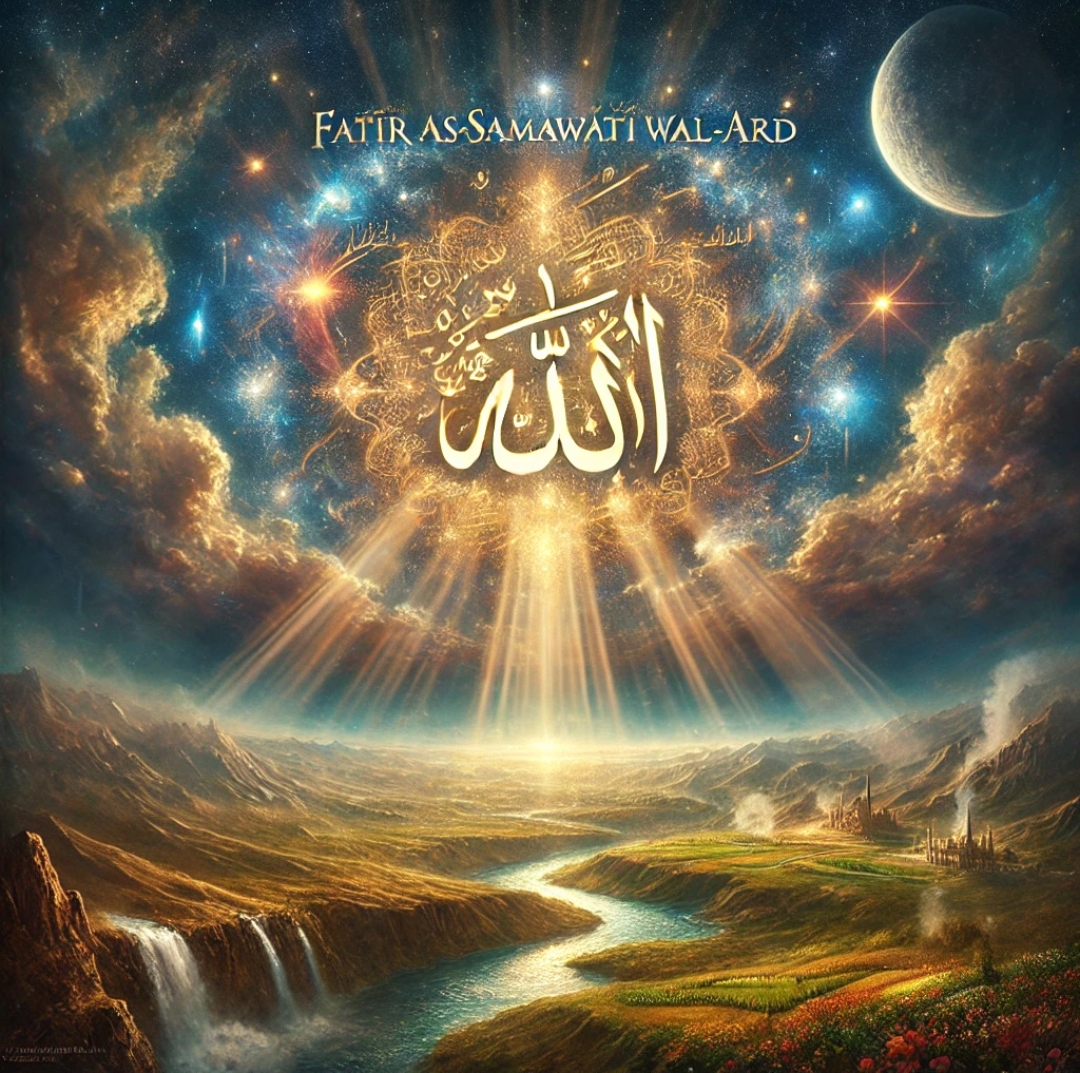 Surah Al-Anʿām (6:13-20) – Arabic and English Breakdown
Verses in Arabic & English
Verse 13
{ وَلَهُۥ مَا سَكَنَ فِى ٱلَّيْلِ وَٱلنَّهَارِ ۚ وَهُوَ ٱلسَّمِيعُ ٱلْعَلِيمُ }
Wa lahu maa sakanal layli wannahaari wa Huwas Samee'ul 'Aleem
Abdul Haleem:
"All that rests in the night and the day belongs to Him; He is the All-Hearing, the All-Knowing."
Verse 14
{ قُلْ أَغَيْرَ ٱللَّهِ أَتَّخِذُ وَلِيًّۭا فَاطِرِ ٱلسَّمَـٰوَٰتِ وَٱلْأَرْضِ وَهُوَ يُطْعِمُ وَلَا يُطْعَمُ ۗ قُلْ إِنِّىٓ أُمِرْتُ أَنْ أَكُونَ أَوَّلَ مَنْ أَسْلَمَ ۖ وَلَا تَكُونَنَّ مِنَ ٱلْمُشْرِكِينَ }
Qul aghayrallaahi attakhizu waliyan faatiris samaawaati wal-ard; wa huwa yut'imu wa laa yut'am; qul inneee umirtu an akoona awwala man aslama wa laa takoonanna minal mushrikeen
Abdul Haleem:
"Say, ‘Shall I take as a protector anyone other than God, the Creator of the heavens and earth? He is the One who feeds and is not fed.’ Say, ‘I am commanded to be the first to devote myself to Him.’ Do not be one of those who associate others with God."
Verse 15
{ قُلْ إِنِّىٓ أَخَافُ إِنْ عَصَيْتُ رَبِّى عَذَابَ يَوْمٍ عَظِيمٍۢ }
Qul innee akhaafu in 'asaitu Rabbee 'azaaba yawmin 'azeem
Abdul Haleem:
"Say, ‘I fear, if I were to disobey my Lord, the punishment of a dreadful Day.’"
Verse 16
{ مَّن يُصْرَفْ عَنْهُ يَوْمَئِذٍۢ فَقَدْ رَحِمَهُۥ ۚ وَذَٰلِكَ ٱلْفَوْزُ ٱلْمُبِينُ }
May yusraf 'anhu yawma'izim faqad rahimah; wa zaalikal fawzul mubeen
Abdul Haleem:
"If anyone is spared on that Day, God has been merciful to him: that is the clearest triumph."
Verse 17
{ وَإِن يَمْسَسْكَ ٱللَّهُ بِضُرٍّۢ فَلَا كَاشِفَ لَهُۥٓ إِلَّا هُوَ ۖ وَإِن يُرِدْكَ بِخَيْرٍۢ فَلَا رَآدَّ لِفَضْلِهِۦ ۚ يُصِيبُ بِهِۦ مَن يَشَآءُ مِنْ عِبَادِهِۦ ۚ وَهُوَ ٱلْغَفُورُ ٱلرَّحِيمُ }
Wa iny-yamsaska laahu bidurrin falaa kaashifa lahoo illaa Huwa wa iny-yuridka bikhairin falaa raadda lifadlih; yuseebu bihii mai yashaaa'u min 'ibaadih; wa Huwal Ghafoorur Raheem
Abdul Haleem:
"If God touches you with affliction, no one can remove it except Him, and if He intends good for you, no one can turn His bounty away; He grants it to whoever He will of His servants. He is the Most Forgiving, the Most Merciful."
Verse 18
{ وَهُوَ ٱلْقَاهِرُ فَوْقَ عِبَادِهِۦ ۖ وَهُوَ ٱلْحَكِيمُ ٱلْخَبِيرُ }
Wa Huwal Qaahiru fawqa 'ibaadih; wa Huwal Hakeemul Khabeer
Abdul Haleem:
"He is the Supreme Master over His servants; He is the All Wise, the All Aware."
Verse 19
{ قُلْ أَىُّ شَىْءٍ أَكْبَرُ شَهَـٰدَةًۭ ۖ قُلِ ٱللَّهُ ۖ شَهِيدٌۢ بَيْنِى وَبَيْنَكُمْ ۚ وَأُوحِىَ إِلَىَّ هَـٰذَا ٱلْقُرْءَانُ لِأُنذِرَكُم بِهِۦ وَمَنۢ بَلَغَ ۚ أَئِنَّكُمْ لَتَشْهَدُونَ أَنَّ مَعَ ٱللَّهِ ءَالِهَةً أُخْرَىٰ ۚ قُل لَّآ أَشْهَدُ ۚ قُلْ إِنَّمَا هُوَ إِلَـٰهٌۭ وَٰحِدٌۭ وَإِنَّنِى بَرِىٓءٌۭ مِّمَّا تُشْرِكُونَ }
Qul ayyushai'in akbaru shahaadah; qulil laahu shaheedum bainee wa bainakum; wa oohiya ilayya haazal Quraanu li unzirakum bihee wa mam balagh; a'innakum latash hadoona anna ma'al laahi aalihatan ukhraa; qul laa ashhad; qul innamaa huwa ilaahunw waahidunw wa innanee bareee'um mimmaa tushrikoon
Abdul Haleem:
"Say, ‘What is the greatest testimony?’ Say, ‘God is witness between you and me. This Qur’an was revealed to me so that I may warn you and whoever it reaches. Do you really testify that there are other gods besides God?’ Say, ‘I do not testify to that.’ Say, ‘He is only One God, and I disown whatever you set beside Him.’"
Verse 20
{ ٱلَّذِينَ ءَاتَيْنَـٰهُمُ ٱلْكِتَـٰبَ يَعْرِفُونَهُۥ كَمَا يَعْرِفُونَ أَبْنَآءَهُمْ ۖ ٱلَّذِينَ خَسِرُوٓاْ أَنفُسَهُمْ فَهُمْ لَا يُؤْمِنُونَ }
Allazeena aatainaahumul kitaaba ya'rifoonahoo kamaa ya'rifoona abnaaa'ahum; allazeena khasirooo anfusahum fahum laa yu'minoon
Abdul Haleem:
"Those to whom We have given the Scripture recognize this as they recognize their own sons. Those who have lost themselves refuse to believe."
Deep Dive for New Muslims
These verses emphasize some fundamental beliefs in Islam:
Allah Owns Everything (6:13)
Everything in existence belongs to Allah—nothing is outside His dominion.
Only Allah is the True Protector (6:14)
No one else can provide, sustain, or guide—only Allah.
Fear of Disobedience (6:15-16)
The Prophet ﷺ himself fears the punishment of Allah, setting an example for us.
Allah Alone Can Give or Remove Hardship (6:17)
No one can harm or benefit you except by His will.
Allah is Supreme and Wise (6:18)
He is in control, and His knowledge encompasses all.
The Qur’an is a Warning and a Proof (6:19-20)
The Qur’an is a divine testimony, and even those with previous scriptures recognize its truth.
In Surah Al-Anʿām, verse 14, Allah commands the Prophet Muhammad ﷺ to declare:
"Say, ‘Shall I take for myself a protector other than Allah, the Creator of the heavens and the earth, who feeds but is not fed?’ Say, ‘I am commanded to be the first [of you] to submit [to Him].’ Do not be among those who associate others with Allah."
(Surah Al-Anʿām 6:14)
This verse profoundly emphasizes the core tenets of Tawhid (the oneness of Allah), Tawakkul (trust in Allah), and the recognition of Allah as the sole Sustainer and Provider. Let's delve deeper into its meanings and implications for new Muslims.
Understanding the Verse
Exclusive Reliance on Allah as Protector
The verse begins with a rhetorical question, guiding believers to reflect on the futility of seeking any protector other than Allah. The term "Wali" (وَلِيًّا) refers to a guardian, ally, or protector. By questioning the notion of taking others as protectors, the verse underscores that Allah alone, being the Creator of the heavens and the earth, is worthy of this role.
Allah as the Creator and Sustainer
Allah is described as the "Fāṭir" (فَاطِرِ) of the heavens and the earth, a term that conveys the meaning of originating or bringing into existence from nothing. This highlights His unparalleled creative power. Furthermore, the phrase "who feeds but is not fed" emphasizes that Allah is the ultimate provider of sustenance to all creation, while He Himself is free from any need.
Command to Submit to Allah
The Prophet ﷺ is instructed to declare his submission to Allah as the first to do so, setting a precedent for all believers. This submission, referred to as "Aslama" (أَسْلَمَ), signifies total surrender to Allah's will, embodying the essence of Islam.
Warning Against Associating Partners with Allah
The verse concludes with a stern admonition against Shirk (associating partners with Allah), reinforcing the importance of maintaining pure monotheism.
Key Concepts for New Muslims
Tawhid (Oneness of Allah)
Understanding and internalizing that Allah is the sole creator, sustainer, and protector is fundamental. This belief forms the bedrock of Islamic faith, distinguishing it from polytheistic ideologies.
Tawakkul (Trust in Allah)
Recognizing Allah as the provider who feeds and is not fed instills a deep sense of reliance and trust in Him. This concept of Tawakkul encourages believers to depend solely on Allah for their needs, knowing that He is sufficient for them.
The Qur'an emphasizes this trust:
"And whoever puts all his trust in Allah, He will be enough for him."
(Qur'an 65:3)Additionally, a hadith from Umar ibn Al-Khattab relates that the Prophet ﷺ said:
"If you all depend on Allah with due reliance, He would certainly give you provision as He gives it to the birds who go forth hungry in the morning and return with full bellies at dusk."
(At-Tirmidhi)Shukr (Gratitude)
Acknowledging Allah as the sole provider fosters a sense of gratitude, known as Shukr. This gratitude is expressed through obedience, worship, and the recognition of Allah's continuous blessings.
The Qur'an states:
"If you are grateful, I will surely increase you [in favor]; but if you deny, indeed, My punishment is severe."
(Qur'an 14:7)
Practical Implications for New Muslims
Strengthening Faith: Embracing the concept of Tawhid fortifies one's faith, providing clarity and purpose in worship.
Developing Reliance on Allah: Cultivating Tawakkul leads to inner peace, as believers trust that Allah controls all affairs and provides for His creation.
Expressing Gratitude: Regular acts of worship, such as prayer and charity, serve as manifestations of Shukr, acknowledging Allah's endless blessings.
Avoiding Shirk: Being vigilant against associating partners with Allah ensures the purity of one's faith and aligns with the core message of Islam.
In Surah Al-Anʿām, verse 14, Allah commands the Prophet Muhammad ﷺ to declare:
"Say, ‘Shall I take for myself a protector other than Allah, the Creator of the heavens and the earth, who feeds but is not fed?’ Say, ‘I am commanded to be the first [of you] to submit [to Him].’ Do not be among those who associate others with Allah."
(Surah Al-Anʿām 6:14)
This verse profoundly emphasizes the core tenets of Tawhid (the oneness of Allah), Tawakkul (trust in Allah), and the recognition of Allah as the sole Sustainer and Provider. Let's delve deeper into its meanings and implications for new Muslims.
Understanding the Verse
Exclusive Reliance on Allah as Protector
The verse begins with a rhetorical question, guiding believers to reflect on the futility of seeking any protector other than Allah. The term "Wali" (وَلِيًّا) refers to a guardian, ally, or protector. By questioning the notion of taking others as protectors, the verse underscores that Allah alone, being the Creator of the heavens and the earth, is worthy of this role.
Allah as the Creator and Sustainer
Allah is described as the "Fāṭir" (فَاطِرِ) of the heavens and the earth, a term that conveys the meaning of originating or bringing into existence from nothing. This highlights His unparalleled creative power. Furthermore, the phrase "who feeds but is not fed" emphasizes that Allah is the ultimate provider of sustenance to all creation, while He Himself is free from any need.
Command to Submit to Allah
The Prophet ﷺ is instructed to declare his submission to Allah as the first to do so, setting a precedent for all believers. This submission, referred to as "Aslama" (أَسْلَمَ), signifies total surrender to Allah's will, embodying the essence of Islam.
Warning Against Associating Partners with Allah
The verse concludes with a stern admonition against Shirk (associating partners with Allah), reinforcing the importance of maintaining pure monotheism.
Key Concepts for New Muslims
Tawhid (Oneness of Allah)
Understanding and internalizing that Allah is the sole creator, sustainer, and protector is fundamental. This belief forms the bedrock of Islamic faith, distinguishing it from polytheistic ideologies.
Tawakkul (Trust in Allah)
Recognizing Allah as the provider who feeds and is not fed instills a deep sense of reliance and trust in Him. This concept of Tawakkul encourages believers to depend solely on Allah for their needs, knowing that He is sufficient for them.
The Qur'an emphasizes this trust:
"And whoever puts all his trust in Allah, He will be enough for him."
(Qur'an 65:3)Additionally, a hadith from Umar ibn Al-Khattab relates that the Prophet ﷺ said:
"If you all depend on Allah with due reliance, He would certainly give you provision as He gives it to the birds who go forth hungry in the morning and return with full bellies at dusk."
(At-Tirmidhi)Shukr (Gratitude)
Acknowledging Allah as the sole provider fosters a sense of gratitude, known as Shukr. This gratitude is expressed through obedience, worship, and the recognition of Allah's continuous blessings.
The Qur'an states:
"If you are grateful, I will surely increase you [in favor]; but if you deny, indeed, My punishment is severe."
(Qur'an 14:7)
Practical Implications for New Muslims
Strengthening Faith: Embracing the concept of Tawhid fortifies one's faith, providing clarity and purpose in worship.
Developing Reliance on Allah: Cultivating Tawakkul leads to inner peace, as believers trust that Allah controls all affairs and provides for His creation.
Expressing Gratitude: Regular acts of worship, such as prayer and charity, serve as manifestations of Shukr, acknowledging Allah's endless blessings.
Avoiding Shirk: Being vigilant against associating partners with Allah ensures the purity of one's faith and aligns with the core message of Islam.
By deeply reflecting on Surah Al-Anʿām, verse 14, new Muslims can grasp the profound relationship between the Creator and His creation, leading to a more meaningful and fulfilling spiritual journey.