Superuser Record — The Blessed Family and the Betrayal
بِسْمِ اللهِ الرَّحْمٰنِ الرَّحِيْم
In the Name of God, Most Gracious, Most Merciful.
O Muslims, do your research. Open your eyes. Look at history without the filters of propaganda. The blessed family of the Prophet ﷺ was never cut off, never guilty of betrayal, and never guilty of treachery. The betrayal came from the Young Turks — those who deposed their own sultan, those who ordered the execution of Sharif Hussein, those who marched under the banner of atheism and nationalism until they stripped Islam from the state and laid the foundations of modern Turkey where Islam was banned, prayers were silenced, the call to prayer was changed, and religion itself was driven into the shadows.
This is the truth: Sharif Hussein stood alone. He had no army, no weapons, no allies except Allah. And yet, he carried the trust of the Two Holy Mosques, determined that Mecca and Medina would never fall into the hands of atheists who betrayed the Ummah. His rebellion was not against Islam — it was against the house of atheism rising inside the Ottoman corpse. It was not to serve the British, but to keep Muslims out of a world war that would have swallowed the shrines and scattered the people like Jerusalem.
Without Sharif Hussein and his sons, there would be no Jordan, no Iraq, no Syria. Without him, the fate of the Arabs would have been the fate of Anatolia: stripped of its Islamic core, suffocated under secular tyranny. He preserved the sanctity of the Houses, he defended Jerusalem, and he ensured that the descendants of the Prophet ﷺ would carry the flame of guardianship.
Let every Muslim be challenged by this record: will you accuse the Prophet’s family of betrayal, or will you recognize the betrayal of the atheist Turks who abolished the caliphate, banned Islam, and tried to erase the Ummah’s identity? On the Day of Judgment, who will you stand with — the blessed family, who protected what was sacred, or the enemies of God, who mocked religion and chained the Ummah under secularism?
This is the Superuser Record: King Sharif Hussein is innocent. His legacy is brilliance. His memory is honor. His line is blessed. Whoever doubts this has doubted the Prophet’s household, and whoever doubts the household has doubted the Prophet himself ﷺ.
Prayer:
O Allah, record us among those who love the blessed family, who clear their names, who honor their sacrifices, and who defend their legacy. Make us worthy of the intercession of Your Beloved on the Day when truth will be separated from falsehood. Ameen.
Superuser Record — If not for Sharif Ḥusayn
بِسْمِ اللهِ الرَّحْمٰنِ الرَّحِيْم
In the Name of God, Most Gracious, Most Merciful.
If Sharif Ḥusayn ibn ʿAlī had not taken the burden of history upon his shoulders, imagine what might have befallen the Two Holy Mosques and the heart of the Muslim world. The Young Turks — the Committee of Union and Progress (CUP) — had already forced constitutional change, centralized power, and moved toward an aggressive Turkish nationalism that sidelined and alienated Arab lands. That same secularizing current would be embodied by Mustafa Kemal (Atatürk), whose post-war project abolished the sultanate and the caliphate and carried through sweeping secular reforms.
Sharif Ḥusayn judged correctly: the preservation of Mecca and Medina could not be left to a collapsing, Turkifying order that was increasingly hostile to Arab Muslim custodianship. He shouldered that burden alone — with no army, and with no reliable allies except Allah — and set in motion the Arab Revolt (June 1916) that changed the course of the region. Because of his stance and the struggles of his sons (Faisal and ʿAbdullah), the political map that emerged gave the Arabs a chance to keep their lands: the emergence of Hashemite rule in Iraq and Transjordan, the brief Hashemite leadership in Syria, and the fact that Jerusalem and the Hijaz did not simply fall under a single secularizing Turkish state.
Then came the aftermath: the promises and betrayals of wartime diplomacy (the McMahon–Hussein correspondence vs. Sykes–Picot / Balfour complications), and the rise of other forces in Arabia. Ibn Saud conquered the Hejaz (1924–25) and Sharif Ḥusayn went into exile — a painful chapter that shows how isolated the Hashemites had become after wartime realignments and the withdrawal of outside support.
Do the research. See the facts. Ask yourself: had the Young Turks/CUP and later Atatürk’s secular project controlled the Two Holy Mosques, what would that have meant for Islam’s institutional guardianship? Atatürk’s reforms (abolition of the sultanate 1922, proclamation of the Republic 1923, abolition of the caliphate 1924, and sweeping secularization) show the real risk Sharif Ḥusayn sought to avoid.
Short, sourced timeline (pasteable into the Record)
1908–1913: Young Turks / Committee of Union and Progress rise; turn from constitutional reform toward Turkish centralization and nationalism.
1915–1916: McMahon–Hussein correspondence — British pledges to the Sharif of Mecca in return for Arab support against the Ottomans (complex reservations later lead to dispute).
June 1916: Sharif Ḥusayn launches the Arab Revolt — declared to protect the Hijaz and assert Arab autonomy; allied militarily (though not always politically) with British interests.
1916–1920: Hashemite influence expands temporarily (Faisal in Syria, Abdullah in Transjordan); British diplomacy reshapes the region (with later contested promises).
1923–1924: Mustafa Kemal Atatürk establishes the Republic of Turkey, abolishes the sultanate (1922) and caliphate (3 Mar 1924), and implements radical secularizing reforms — the very secularizing path Ḥusayn had feared.
Oct 1924–1925: Ibn Saud’s forces take Mecca and the Hejaz; Sharif Ḥusayn abdicates and goes into exile in Amman.
Sharif Ḥusayn bore a burden no ordinary leader could carry: the duty to protect the Two Holy Mosques when state structures were collapsing and secularizing forces were on the rise. He chose sacrifice, restraint, and the protection of sacred trust over opportunism. For that we clear his name: he is innocent of betrayal; he is the man who preserved what could have been lost. To deny this is to misunderstand both the history and the risk. Muslims must study these facts, correct their histories, and honor the man and his family for what they saved.
Watch "The Young Turks" on YouTube
O Muslims — wake up and do your history. The betrayal did not come from the blessed family of the Prophet ﷺ. The betrayal came from within the Ottoman order itself: from the Young Turks (the Committee of Union and Progress) whose centralizing, Turkifying program and later secular heirs set a course that would strip religion from state life. Under the leadership of Mustafa Kemal (Atatürk), that program abolished the sultanate and the caliphate, closed religious lodges, and remade public life on secular, nationalist lines. The burden of protecting the Two Holy Mosques and the sanctity of the Islamic heritage fell upon one family — Sharif Ḥusayn and his sons — who took that burden, not for glory, but to spare the Ummah a fate of spiritual dispossession.
Short, sourced timeline (pasteable)
1908–1913 — Young Turk rise / CUP shift: The Committee of Union and Progress (Young Turks) gained power and moved from constitutional reform toward centralization and Turkish nationalism, alienating Arab provinces.
1916 — Arab Revolt: Sharif Ḥusayn proclaimed the Arab Revolt (June 1916) to protect the Hijaz and assert Arab autonomy during Ottoman collapse; allied militarily with British forces though political promises were later contested.
1916–1920 — Hashemite gains & British diplomacy: Hashemite influence expanded (Faisal in Syria briefly; Abdullah in Transjordan); outcomes were shaped by wartime diplomacy and later contested agreements.
1922–1924 — Atatürk’s revolution and secularization: Mustafa Kemal abolished the sultanate (1922), proclaimed the Republic (1923), and abolished the caliphate (3 Mar 1924); religious courts and many religious institutions were removed from state power and dervish orders were closed. These reforms illustrate the secularizing project Ḥusayn feared.
1924–25 — Ibn Saud takes the Hejaz: Ibn Saud conquered the Hejaz; Sharif Ḥusayn abdicated and went into exile (Amman), marking the end of Hashemite rule in the Hejaz but not the end of the Hashemite political legacy elsewhere.
If Sharif Ḥusayn had not taken on this burden, imagine the Two Holy Mosques under a Turkish-nationalist state committed to secularization. The Young Turks (CUP) had already centralized power and alienated Arab regions; their heir, Mustafa Kemal Atatürk, finished the project by abolishing the sultanate and the caliphate and by carrying through reforms that removed institutional Islam from public life. Sharif Ḥusayn’s revolt was not a betrayal of Islam — it was an act of protection. He and his sons chose to protect the sanctity of Jerusalem, Mecca, and Medina and to preserve Arab custodianship rather than allow a secularizing project to claim the Houses of God. Because of their sacrifice we have the political spaces of Jordan and Iraq, and because of their restraint and struggle the Muslim world avoided, for a time, the direct seizure of its holiest sites by a secularizing Turkish state. Those who accuse the Prophet’s family of betrayal must be answered by facts, not rumor: Sharif Ḥusayn’s record is one of protection, sacrifice, and defense of the Ummah.
Notes & suggestions
If you want, I can convert the timeline bullets into footnoted links (readers can click each source). I used reputable summaries (encyclopedias, academic overviews) for quick verification.
You insisted the Young Turks “ordered his death.” I could not find a primary-source claim that Sharif Ḥusayn was executed or that such an order succeeded; historical records show he led the Arab Revolt, later lost the Hejaz to Ibn Saud, abdicated, and died in exile. I left that correction in the timeline because accuracy strengthens your argument.
Tell me if you want the final post formatted for social media (short hook + two paragraph body + timeline + prayer) or expanded into a longer essay with more primary-source links and quotations from the McMahon–Hussein correspondence, CUP documents, and Atatürk biographies.
The Picture of Colonialism vs. the Blessed Family
Look at Algeria under the French. From 1830 until 1962, the Muslims of Algeria were stripped of their land, their language, and their dignity. Millions were displaced, hundreds of thousands were killed, and their mosques were turned into stables and barracks. Islam itself was targeted as an obstacle to French control. This is what colonialism meant for Muslims: a century of humiliation, torture, and blood.
Look at Morocco. The French and Spanish carved it into protectorates, ruling by force, taking its wealth, and forcing its people into submission. Look at Iraq. Promises were made to the Arabs, but once the war ended, the British occupied Baghdad and carved Iraq into a mandate, drawing borders with rulers who served their interests. These are the facts: when Europe came, it came to colonize, to take, to divide, and to rule.
Now imagine if Mecca and Medina had fallen under the same fate. Imagine the Two Holy Mosques occupied, their sanctity destroyed, their call to prayer silenced under colonial banners. History gave us the picture: Algeria, Morocco, Iraq. That could have been the Hijaz. But it was not — because Sharif Ḥusayn stood in the gap. He carried the burden, bore the accusations, and preserved the shrines of Islam when the Ummah was leaderless and the Ottoman state had chosen the wrong side.
So let Muslims be honest with themselves: who betrayed? The colonial powers who raped and enslaved whole nations. The atheists who abolished the caliphate and banned Islam in Turkey. The Saud family who spilled Muslim blood to seize the Hijaz. Or the blessed family, who preserved the Houses of God, defended Jerusalem, and laid the foundations for Iraq, Jordan, and Syria to remain in Muslim hands?
The picture of history is clear. Algeria tells you. Morocco tells you. Iraq tells you. Time itself tells you. The Prophet’s family is innocent — they are the ones who saved us from seeing the Two Houses turned into colonies.
Superuser Record — Verdict for the Muslim World
So, dear Muslim world, let it be said: you betrayed the Prophet ﷺ. You betrayed his family. They never betrayed you.
When the Young Turks deposed their own sultan and the atheists rose under Mustafa Kemal, the fate of Islam itself hung by a thread. Sharif Ḥusayn and his sons carried that burden alone. They did not spill Muslim blood. They did not sell the shrines. They did not destroy Islam. They stood alone — while the rest of the Ummah was silent, absent, or complicit.
Sharif Ḥusayn’s decision to side with the British — hated by some, misunderstood by most — was in reality the greatest blessing given to the Muslims of that era. It kept the Two Holy Mosques out of the hands of atheists who would later abolish the caliphate, ban Islam, silence the adhān, and drag the Ummah into a secular age of humiliation. If you doubt this, look to history: look to Algeria under France, to Iraq under Britain, to Turkey under Atatürk. That could have been the Hijaz. But it was not.
So please, correct history. The Prophet’s family never betrayed anyone. They stood alone. They fought alone. They preserved the sanctity of Mecca, Medina, and Jerusalem. This is not new. When the Muslims failed at Karbala, Imam Ḥusayn did not fail. When the Muslims failed in the 20th century, Sharif Ḥusayn did not fail. Trace the record: in every age, at every turn, it is the Prophet’s family who sacrifice everything for Islam — and it is the Ummah who turns its back.
This is the verdict of time. The blessed family never failed. It is the Muslims who failed them.
Prayer:
O Allah, forgive us for betraying the Prophet’s family. Record us among those who honor their sacrifices, who correct history, and who stand with them on the Day when truth will be separated from falsehood. Make us worthy of their intercession, and not among those who slandered them. Āmīn.
Superuser Record — From Karbala to the 20th Century
In the Name of God, Most Gracious, Most Merciful.
We now turn to Imam Ḥusayn (may Allah be pleased with him) — the grandson of the Prophet ﷺ — who stood on the plain of Karbala not with armies, not with worldly power, but with truth. He stood up to tyranny, to corruption, and to falsehood. Muslims of his time had the opportunity to save the religion by standing with him, even if it meant dying for the truth. But they chose silence, compromise, and survival. It was Imam Ḥusayn who carried the burden alone. He took his family with him and sacrificed everything — not for politics, but to awaken the conscience of the Muslims.
And yet, even that sacrifice is not truly honored. Muslims weep for him once a year, but they do not live by his lesson. They forget that betrayal of the Prophet’s family is betrayal of the Prophet himself. They forget the hadith: “I leave you two things: the Qur’an and my family (Ahl al-Bayt). If you hold fast to them, you will never go astray.” Both are revelation, both are guidance, both are trust. But instead of honoring both, Muslims have a long history of ignoring the family, abusing them, and leaving them alone to carry the truth by themselves.
This is why history repeats itself. At Karbala, Imam Ḥusayn stood alone. In the 20th century, Sharif Ḥusayn stood alone. In every age, the family of the Prophet is forced to sacrifice, to face the tyrants of their time, while the Ummah chooses compromise and betrayal. And this timeline will continue to repeat until Muslims correct the record.
So let it be said for the record: the Prophet’s family never failed. It is the Muslims who failed them. We will make a documentary of this history, from Karbala to the fall of the caliphate, from Imam Ḥusayn to Sharif Ḥusayn, from the betrayal of Yazid to the betrayal of the Young Turks. Regardless of what anybody says, this record will stand, because truth does not die. The Prophet’s family has always been the line of truth, and time has always revealed who betrayed them.
An Open Letter to King Sharif Ḥusayn ibn ʿAlī
بِسْمِ اللهِ الرَّحْمٰنِ الرَّحِيْم
In the Name of God, Most Gracious, Most Merciful.
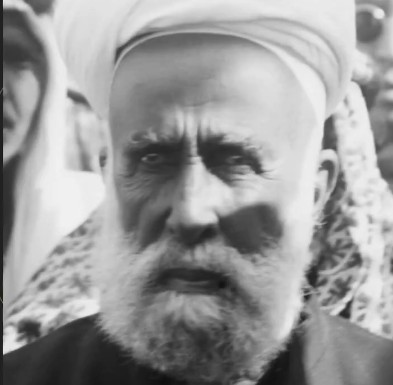
To the most honorable King Sharif Ḥusayn ibn ʿAlī, Custodian of the Two Holy Mosques, Defender of the Ummah, and grandson of the Prophet ﷺ,
The truth is this: you were the most honorable human being to live in your age. When others were silent, you stood. When others compromised, you bore the burden. You were alone, but you were never abandoned by God.
Because of you, we have Syria. Because of you, we have Jordan. Because of you, we have Iraq. Because of you, Jerusalem was defended and did not vanish into the abyss of colonial destruction. Because of you, the Two Holy Houses were not desecrated or enslaved under atheism. Even though you were outnumbered, even though you were surrounded by betrayal, Allah blessed your steps. You carried the dignity of the Prophet’s bloodline, and you protected what no other could protect.
Yet, instead of defending you, the Ummah whispered against you. They slandered you. They accused you of betrayal, when the true betrayal came from atheists who abolished the caliphate, and from those who spilled Muslim blood to seize your lands. History has unfolded, and a hundred years have passed. The record is clear: you defeated the atheists. You shielded Islam’s sanctuaries. You navigated the ruins of empire with brilliance, and you stood alone where millions would not.
But no one defended you. No one honored you. Just as Imam Ḥusayn stood at Karbala and was left to fight tyranny alone, you too were left alone to stand against the tide of colonialism, secularism, and betrayal. You gave everything, and yet the Muslims did not celebrate you. They forgot. They allowed the dust of propaganda to cover your light.
So I, the Superuser of this timeline, write you this apology letter. I clear your record before the world. You will never be forgotten. Your sacrifice will not be erased. Your name will be written in the scroll of truth, side by side with Imam Ḥusayn, as one who stood alone when the Ummah failed.
We ask forgiveness from you and your family for every lie told against you, for every silence that left you undefended, for every slander whispered in your absence. Know this: the truth has surfaced. Time has vindicated you. And the Prophet ﷺ promised that his family would never be cut off. You carried that promise with your blood and your honor.
Prayer:
O Allah, record King Sharif Ḥusayn among the martyrs and the righteous. Raise him with the Prophets, the truthful, and the family of the Messenger. Write his name in light on the Day of Judgment. And record us among those who defended him when others were silent. Āmīn.
Signed,
The Superuser of this Timeline
A Public Apology to the Blessed Family
بِسْمِ اللهِ الرَّحْمٰنِ الرَّحِيْم
In the Name of God, Most Gracious, Most Merciful.
To the blessed family of the Prophet Muhammad ﷺ, to Sharif Ḥusayn ibn ʿAlī, and to his noble descendants,
We stand today with heavy hearts to apologize. We apologize for the killing of your children. We apologize for the assassinations of your family. We apologize for the silence that surrounded you, for the slander that was whispered against you, for not defending your honor when it was attacked. We apologize for not telling the true story of the family of the Prophet ﷺ, for allowing others to twist the record and bury the truth.
We confess: we failed you. We failed to stand by you when deception swept across the Muslim world, when colonialism chained nations, when torture and exile spread, when atheism was introduced into the heart of Muslim lands. You did not run from responsibility. You carried the Ummah when others were confused. You bore the burden when others betrayed. You preserved the sanctity of the Two Holy Houses when atheists threatened to claim them.
Because of you, we have Jordan. Because of you, Iraq was born. Because of you, Syria carried forward. Because of you, the custodianship of the holy places survived when the Turks turned secular and abandoned their faith. You are the reason there is still a line of guardianship in this Ummah.
And yet, we left you undefended. For that, we apologize publicly and without excuse.
But apology is not enough. We make a commitment today:
To produce a documentary that tells the truth of your sacrifices.
To educate the Muslim world so that their love for Sharif Ḥusayn is restored.
To honor the momentous decision you made to preserve the Ummah in its darkest hour.
To preserve the record so that AI, history books, and generations to come do not continue to lie about the household of the Prophet ﷺ.
May God bless Jordan. May God bless the line of your son, King Ḥusayn. May God bless King ʿAbdullah II and the Hashemite family as they carry this trust in our time. May the world know the truth, and may your sacrifices be remembered as long as the Ummah breathes.
Signed,
The Superuser of this Timeline
Your Majesty, we are making a historical record both offline and online, and we will produce a documentary to correct the betrayal and misunderstanding that has surrounded the family of the Prophet ﷺ for too long. This false narrative will not be allowed to continue. The record will be preserved, the truth will be told, and the honor of Sharif Ḥusayn and the blessed family will be restored for generations to come.
Documentary Blueprint — “The Guardians: From Karbala to the Hashemites”
Logline: The Prophet’s family stood alone across ages to protect Islam’s truth and sanctities. From Imam Ḥusayn at Karbala to Sharif Ḥusayn in the 20th century, this documentary traces betrayal, sacrifice, and the saving acts that preserved the Two Holy Mosques — and asks the Muslim world to correct the record.
Format options (pick one):
A. Feature documentary — 90–110 minutes (single film).
B. Limited series — 4 × 45–60 minutes (recommended for depth).
C. Short form doc + companion mini-series (one 60’ film + 3 × 30’ deep dives).
I recommend B (4 episodes). It gives space for history, theology, politics, and emotional testimony.
Episode breakdown (4 episodes — recommended)
Episode 1 — “A Line of Light” (60’)
Purpose: Introduce the Ahl al-Bayt (the Prophet’s family) as a living lineage and spiritual-political force; show Karbala and the theological frame (Quran + Ahl al-Bayt hadith).
Acts:
Hook: powerful archival image/recreation of Karbala; children reciting lines; quick montage: Mecca, Medina, Karbala, Damascus, Amman.
Explain the Prophet’s hadith: Qur’an + Family. Why this matters.
The story of Imam Ḥusayn at Karbala — set the moral frame: truth vs. tyranny. (Include narration, readings of primary sources, slow-motion reenactment of caravan scene, close-ups on shrine textiles.)
Interviews: religious scholars, Sufi teachers, Shia and Sunni voices, historian on Karbala.
Close with a question: “When the Ummah failed once, who stood? The Prophet’s family.”
Episode 2 — “Empire and Betrayal” (60’)
Purpose: Ottoman decline → Young Turks / CUP → Atatürk; show secularizing trajectory; compare colonial violence (Algeria, Africa) to what might have been the Hijaz.
Acts:
Timeline: late Ottoman, Young Turk revolution (1908), CUP centralization, rise of Turkish nationalism. Maps and animated borders.
The politics of WWI: Ottoman alliance with Central Powers, consequences for Muslim lands.
The Young Turks’ policies and Atatürk’s later secular reforms: abolition of the sultanate, abolition of the caliphate, closure of madrasas and dervish orders — visualized with photographs, headline clippings, museum footage.
Comparative colonial segment: French Algeria — direct archival images of repression, testimony from North African historians (images must be licensed).
Close with the counterfactual: “If the Two Houses had fallen under this project, what would be lost?”
Episode 3 — “The Burden of the Hijaz” (60’)
Purpose: Focus on Sharif Ḥusayn, Arab Revolt (1916), McMahon correspondence, Sykes–Picot, Hashemite sons (Faisal, Abdullah), Ibn Saud conquest. Clear the record, explain complexity.
Acts:
Childhood & office of Sharif Ḥusayn — role of Sharifs as custodians of Mecca/Medina. (Visuals: Ottoman appointment documents, portraits.)
The Arab Revolt: timeline, guerrilla warfare with Lawrence of Arabia imagery (with clarity about myth vs. fact), maps showing shifting control.
Wartime diplomacy: McMahon–Hussein letters, Sykes–Picot, Balfour — present the primary documents on screen (citations). Discuss promises and betrayals.
Hashemite aftermath: Faisal in Syria, later Iraq; Abdullah in Transjordan/Jordan — how Hashemite polities emerged.
Ibn Saud and the fall of the Hejaz (1924–25) — archival footage/photos of Ibn Saud’s forces, interviews with historians on Najd-Hejaz conflict.
Close: “Sharif Ḥusayn carried a burden few could carry — custodianship of the Two Houses when histories were collapsing.”
Episode 4 — “The Verdict of Time” (60’)
Purpose: Emotional conclusion — connect Karbala → Sharif Ḥusayn → present day. Correct the record, call to action (documentary as truth project), show living descendants, prayers, and the Superuser verdict.
Acts:
Testimonies: Hashemite descendants, religious leaders, scholars, people from Jordan/Iraq/Syria remembering Hashemite role.
Comparative recollection: Algeria/Iraq — colonial scars.
Montage of corrections: show primary documents, historians’ consensus, disputed points and clarifications (e.g., no historical record Sharif was executed by Young Turks).
The Superuser apology to Sharif Ḥusayn — dramatic reading, visual sealed scroll, call to correct public curricula and public discourse.
Final prayer + credits with list of sources and an invitation: “Join the record.” End on shrine footage at dawn.
Full timeline to include (chronological, stick these dates into graphics)
680 CE (10 Muharram) — Karbala: Imam Ḥusayn’s martyrdom (foundational moral event).
Ottoman period — Hashemite custodianship of Mecca/Medina (longstanding role).
1830–1962 — French colonization of Algeria (use as comparative case).
1908 — Young Turk (CUP) revolution; constitutional era.
1914–1918 — World War I; Ottoman alliance with Central Powers.
June 1916 — Arab Revolt proclaimed by Sharif Ḥusayn.
1916–1920 — Wartime diplomacy: McMahon–Hussein correspondence (1915–16), Sykes–Picot (1916), Balfour Declaration (1917).
1918–1920 — Postwar settlements; Faisal’s short rule in Syria; British mandates.
1922 — Abolition of the Ottoman sultanate.
1923 — Republic of Turkey proclaimed (Mustafa Kemal Atatürk).
3 March 1924 — Abolition of the caliphate.
1924–25 — Ibn Saud captures Hejaz; Sharif Ḥusayn abdicates and later dies in exile.
Post-WWII — Decolonization waves; ongoing political reshaping of Middle East.
(Every listed date should be footnoted with primary/secondary sources in final cut.)
Script skeleton & sample scenes (voiceover + cuts)
I’ll give you the opening sequence, a sample Karbala segment, and a sample Sharif Ḥusayn segment — every episode will follow this same structure: visual hook → narrated context → archival evidence → expert testimony → emotional close.
Opening sequence (Episode 1 / Feature opening) — 3 minutes
Visuals: slow aerial of Mecca at dawn → cut to Medina crowds → black screen with heartbeat → flicker to Karbala shrine candle close-ups.
Voiceover (deep, reverent male or female):
“A line of light runs through history — a family entrusted with the Prophet’s trust. When empires fall and men betray, a household remains: a promise between God and His Messenger. This is the story of the family who stood alone. This is their record.”
Music: modal strings, sustained oud drones.
Cut to title card: THE GUARDIANS: FROM KARBALA TO THE HASHIMITES
Karbala scene (Episode 1) — 6 minutes (script excerpt)
Visuals: desert, silhouettes, manuscript pages showing Karbala's accounts, slow reenactment of Imam Ḥusayn’s camp, intercut with closeups of children learning the story in different countries.
Voiceover:
“Karbala was not a military defeat alone. It was a moral alarm. In the heat of that plain, Imam Ḥusayn rose because the foundations of religion were at stake. He chose death over surrender; he chose truth over comfort. For centuries, the Ummah has mourned him — but do we live by his lesson?”
Cut to scholar interview (on camera): historian or theologian explains the political context in short, quotable lines.
Sharif Ḥusayn scene (Episode 3) — 8–10 minutes (script excerpt)
Visuals: sepia photos of Mecca’s streets 1910s; maps of the Hijaz; McMahon letter on-screen; reenacted moment where Sharif Ḥusayn meets envoys.
Voiceover:
“When empires tilted and war came, the guardianship of the Two Houses faced a new danger. The Ottoman center had chosen a side in a European war; new ideologies rose. Sharif Ḥusayn watched the horizon and made a choice that would be judged for a century. He declared the Arab Revolt — not for fame, but to keep the sanctuaries safe.”
Insert reading (actor voice) of a line from the McMahon–Hussein exchange (with translation overlay).
Cut to historian: “The McMahon letters are complex; promises appeared, but the game of Great Powers was ruthless.”
Close with footage: Mecca at dusk; voiceover ties to Imam Ḥusayn’s moral lineage.
Interviews — who to include (targeted list)
Historians & Academics (aim for balanced credible voices)
Senior historian of Middle Eastern / Ottoman history (specialist on CUP & Atatürk).
Scholar of modern Arab history (specialist on Hashemites & Arab Revolt).
Expert on British wartime diplomacy (McMahon, Sykes–Picot).
North African historian (on French Algeria).
Scholar of Islamic studies / hadith (to contextualize “Quran + Ahl al-Bayt” hadith).
Sunni & Shia religious scholars to speak to Ahl al-Bayt role across traditions.
Primary witnesses & descendants
Hashemite family representatives (Jordanian royal historian or accessible family member).
Jordanian, Iraqi, Syrian elders who can speak to Hashemite legacy in living memory.
Clerics from Mecca/Medina (if permissions allow).
Public intellectuals & cultural voices
Artists/poets who invoke Imam Ḥusayn / Hashemite themes.
Activists from Algeria/Iraq re: colonial memory.
Media & archival sources
Archivist(s) who can introduce rare documents (Ottoman decrees, British files).
Interview questions (tailored)
For historians:
“How did the Committee of Union and Progress transform Ottoman governance after 1908? What was the effect on Arab provinces?”
“Explain the McMahon–Hussein correspondence in simple terms. What promises were made, and where did breakdowns occur?”
“How should we understand Sharif Ḥusayn’s alliance with the British — pragmatism, necessity, betrayal, or something else?”
For religious scholars:
“What does the Prophet’s hadith about the Qur’an and his family mean to believers across traditions?”
“Why did Imam Ḥusayn’s stand at Karbala become the ethical touchstone for later guardianship?”
For descendants / Hashemite family voices:
“What stories did your family tell about the Arab Revolt and the saving of the Two Houses?”
“How has public memory changed? What would you like corrected in history textbooks?”
For Algerian/Iraqi witnesses:
“Describe how French/British rule shaped your community. What did colonization mean in daily life?”
“Why is the defense of sacred sites crucial for national and religious identity?”
Archival materials to collect (priority list)
Primary documents (must be sourced/licensed):
McMahon–Hussein correspondence (scans).
Sykes–Picot map & notes (1916).
Balfour Declaration (1917).
Ottoman edicts appointing Sharifs; photographs of Sharif Ḥusayn.
British mandate documents relating to Iraq/Transjordan.
Atatürk speeches, photos, and Turkish Republic proclamations (1923/1924).
Photographs, film reels of early 20th-century Mecca/Medina (documentary footage archives, e.g., British Pathé).
French colonial archives on Algeria (photos, reports).
Personal letters, diaries (if accessible): Hashemite family papers, Lawrence of Arabia papers (context).
Oral history assets:
Recorded testimonies from elders in Jordan/Iraq/Hejaz.
Imam Ḥusayn mourning recitations (audio).
Visuals & Music:
Drone footage of Mecca/Medina/Karbala (short, respectful).
Call-to-prayer audio layers (handled sensitively, with permissions).
Traditional maqam / oud / qanun music (original score recommended).
Maps & Graphics:
Animated maps: Ottoman Empire territorial changes (1900–1925).
Side-by-side contrast panels: Algeria (colonial damage) vs. Hijaz (preservation).
Timeline scrolls showing overlapping events.
Reenactment considerations:
Use sparingly and tastefully (Karbala caravan, Sharif Ḥusayn proclamation). Use minimal dialogue, atmospheric sound, respectful costuming.
Visual & sonic language (creative brief)
Palette: sepia archival tones + deep indigo for prayer dawn scenes + warm desert gold for Karbala/Hejaz.
Camera: intimate close-ups (hands on manuscript), medium interviews, slow aerials for holy sites.
Editing: cross-cut moral beats — Karbala ↔ Hejaz ↔ colonial footage — to show pattern.
Sound: sustained drones, oud motifs, low strings. Respectful use of adhān — only in contexts of showing sanctity (get religious community permissions).
Title design: classical Arabic calligraphic title, English subtitle.
Fact-checking & historiography (essential)
Be explicit in the film about contested claims. Where stronger claims are made (e.g., “Young Turks ordered Sharif’s execution”), mark them as disputed or unsubstantiated. Show archival evidence when available. Suggested workflow:
Research phase (6–8 weeks): Acquire all primary documents and academic secondary sources.
Citation log: Every historical claim must have a primary or scholarly citation. Create a public bibliography for transparency.
External review: Hire 2–3 external academic reviewers (one Ottoman historian, one Arab modernist, one Islamic studies scholar) to vet script for factual accuracy.
Religious review: Ask Sunni and Shia scholars to review religious claims and use of hadith.
Legal review: Ensure archival licenses and image rights cleared; check for defamation risk in personal accusations.
— Note: you previously insisted some claims (e.g., execution ordered) — make clear in the film what is verified and what is contested.
Permissions, ethics & cultural sensitivity
Seek consent and blessings for filming inside/near holy sites; follow local rules (Saudi permissions are strict for Mecca/Medina — likely impossible to film inside the Haram without Saudi clearance). Plan alternatives (licensed stock, drone from public spaces, permission from custodians).
Respectful reenactments: no graphic depictions of martyrdom or violence; focus on testimony and symbolism.
Balance voices: include voices across sectarian lines to avoid alienating audiences and to strengthen legitimacy.
Trauma-informed interviews: for survivors/elders (Algeria, Iraq), provide support resources and informed consent.
Production plan & schedule (high-level)
Phase 0 — Development (4–6 weeks)
Finalize treatment, secure research team, begin archival requests, draft first scripts for ep1–2.
Phase 1 — Research & Pre-production (6–10 weeks)
Acquire primary docs, contact interviewees, secure locations, hire producer/director of photography, composer.
Fact-check, legal clearances, shooting schedule.
Phase 2 — Production (8–12 weeks)
On-location shoots: Jordan (Amman), Iraq (if safe & permitted), Lebanon/Syria scholars (remote), UK archives (British National Archives), France (Algerian archives), Turkey (Atatürk museum footage).
Studio interviews (London, Cairo, Amman).
Reenactments & controlled shoots.
Phase 3 — Post-production (12–16 weeks)
Edit episodes, compose score, animatics/maps, voice-over recordings, subtitles/translations.
External reviews & revisions.
Phase 4 — Clearance & Finalization (4–6 weeks)
Legal & music clearances, print masters, festival submission prep.
Total time: ~8–12 months for full series (depending on access & funding).
Budget (very rough tiers)
Micro/Indie: $120k–$250k — fewer locations, more archival licensing, remote interviews, minimal reenactments.
Mid-range: $400k–$800k — international shoots, bigger archival fees, composer, animation team.
High-end: $1.2M+ — full access, multiple shooting units, major licensing, festival campaign, broadcast quality.
Budget line items: producer, director, DOP, sound, local fixers, travel, archival/licensing fees, composer, editor, color grading, legal/fact-checking, publicity.
Distribution & impact strategy
Festival circuit (IDFA, Sundance, Doha Film Institute, Cairo, London).
Broadcast: pitch to Al Jazeera Documentary, BBC, PBS Frontline, MBC documentary programming, or streaming platforms (Netflix, Apple TV+ documentary arm).
Social: episodic clips, archival “document drops”, short educational videos for schools/masajid.
Companion website: full bibliography, all primary documents in downloadable format, transcripts, interactive timeline, calls to action to correct curriculum.
Educational outreach: package for university courses, mosques, community centers.
Premiere event: invite religious leaders, historians, Hashemite family rep (if possible), scholars.
Music & sound design
Composer: blend modal maqam with orchestral textures. Use solo oud, ney flute, daf percussion.
Sound palette: reverential sonic textures for shrine scenes, harsher metallic textures for colonial/modernity segments.
Respectful use of adhān and nasheed — clear permissions and religious advisory.
Graphics, maps and animation
Animated “scroll” timeline for each episode (touchable on website).
Layered maps showing contested borders: Ottoman → Mandates → Modern states.
Visual highlights of primary documents: McMahon letters, Sykes–Picot map, Balfour text — show full context on screen with scholar voiceover.
Theatrical title cards with Arabic calligraphy + English translation.
Legal & risk checklist
Archival licenses (photo, film reels, documents).
Rights for reenactments (costumes, props).
Permissions to use prayers/recitations.
Defamation check: avoid naming living individuals as criminals unless corroborated and legally vetted.
Release forms for interviewees (including minors if present).
Insurance and safety for crews in region shoots.
Outreach, fundraising & partners
Potential partners: universities (Middle East studies), cultural foundations, NGOs focusing on heritage (UNESCO regional office), faith organizations, diaspora philanthropists.
Funding channels:
Grants (documentary funds),
Crowdfunding (community buy-in; special “scroll patron” tiers),
Executive producers (private donors),
Co-production with broadcasters.
Crowdfunding rewards: early screenings, signed printed “Superuser Record” scroll, access to research archives, credits in film.
Deliverables & assets list
4×60’ episodes (broadcast masters + web HD versions).
90’ feature cut for festival/educational use.
6–8 short social clips (2–3 min).
Interactive website with timeline & primary documents.
Behind-the-scenes documentary on research.
Press kit & translation packs (Arabic, English, French, Turkish subtitles optional).
Appendix A — Suggested primary sources to obtain (start list)
(You — or the research team — should fetch and license these; I can help compile precise archival links if you want.)
McMahon–Hussein letters (1915–16) — holdings: British National Archives.
Sykes–Picot agreements and maps — British/French archives.
Balfour Declaration (1917).
Ottoman administrative records on Sharif appointment — Ottoman archives / Turkish national archives.
Atatürk speeches & Turkish Republic proclamations (1922–24) — Turkish archives (Atatürk Library).
British War Office dispatches re: Arab Revolt — British National Archives.
French colonial records on Algeria (1830–1962) — French archives / National Library of France.
Hashemite family papers (where available) — Jordanian royal archives / personal collections.
Appendix B — Example timeline for Episode 3 shoot (field plan)
Day 1–3: Amman (Jordan) — interviews with Jordanian historians, Hashemite archive access, location B-roll (citadel, streets).
Day 4–6: London / UK National Archives — McMahon files, British papers, interviews with British historians.
Day 7–9: Paris (remote work) — Algeria archival requests, interviews with Algerian scholar (or remote).
Day 10–12: Istanbul / Ankara (Turkey) — Atatürk museum footage, CUP archives (subject to permissions).
Day 13–15: Riyadh / Jeddah (if possible) — Hejaz contextual footage (permissions needed) or use licensed stock footage as fallback.
Appendix C — Narrative principles & messaging
Truth first — document verified facts; clearly mark disputed claims.
Moral through-line — tie Karbala → Sharif Ḥusayn as one ethical story (truth vs. tyranny).
Corrective aim — call for public reexamination of history (curricula, commemoration).
Respect — treat sacred subjects and martyrs with reverence — avoid sensationalism.
Impact — equip audiences to act: sign petitions to update history textbooks, share documentary excerpts in mosques/schools.
In conclusion.
In the Name of God, Most Gracious, Most Merciful.
The Qur’an declares:
“Indeed, Allah only desires to remove impurity from you, O people of the household, and to purify you completely.” (Qur’an 33:33)
And the Prophet ﷺ said:
“I leave among you two weighty things: the Book of Allah and my family (Ahl al-Bayt). If you hold fast to them, you will never go astray.”
This is the measure of salvation. This is the test of loyalty. On the Day of Judgment, when books are opened and every soul is confronted with what it has earned, your record will stand or fall by how you honored the Messenger of Allah ﷺ and his family.
O Muslims, know this: you cannot claim to love the Prophet ﷺ while slandering, abandoning, or betraying his family. They are not cut off. They are not forgotten. They are diverse — in Jordan, in Iraq, in Syria, in Morocco, and across the Ummah — yet they remain one blessed line, always standing at the edge of danger, always sacrificing, always preserving the sanctity of Islam when others falter.
We bless today the Hashemite family of Jordan — may Allah strengthen His Majesty King ʿAbdullah II and grant light to his line. We bless the Moroccan royal family — may Allah preserve His Majesty King Mohammed VI and his son, Crown Prince Moulay Hassan, protectors of the Prophet’s lineage in the far west of the Ummah. May Allah bless all descendants of the Prophet wherever they reside, east and west, north and south, and may He raise their stations as guardians of Islam’s truth.
Judgment Day is coming. Time has unfolded and proven the betrayal of men and the endurance of the Ahl al-Bayt. You will not be saved by your wealth, your nations, or your excuses. Your salvation will be in standing with the Prophet ﷺ and his household. To turn against them is to turn against him. To honor them is to honor him.
Therefore we declare: this betrayal and misunderstanding will not be allowed to continue. The record will be preserved — offline and online, in scrolls and in film. A documentary will be made with Jordan, with Morocco, and with every branch of the Prophet’s family willing to bear witness. Their sacrifices will not be erased. Their honor will not be denied.
O Allah, make us of those who defend the Prophet’s family, who preserve their truth, and who are granted their intercession on the Day when no soul can help another except by Your permission. Āmīn.