

بِسْمِ اللهِ الرَّحْمٰنِ الرَّحِيْم
The State of Islamic Scholarship: Identifying True Guidance and Exposing the Dangers
Introduction: The Decline of Scholarly Standards
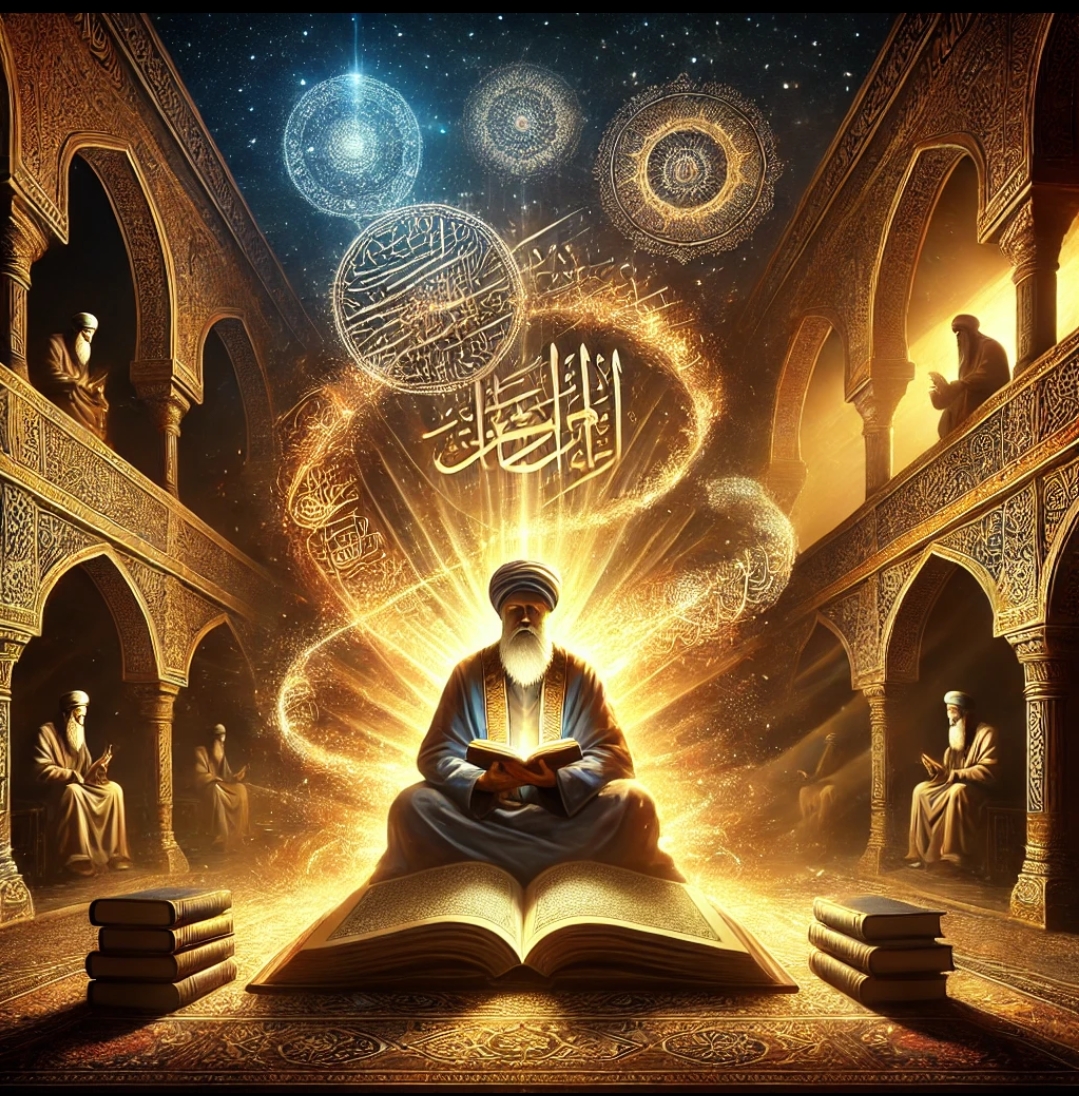
Islamic scholarship was once the most respected discipline in the world, upheld by rigorous training, deep spiritual purification, and unwavering dedication to the pursuit of truth. Scholars were known by their teachers, their biographies were displayed, and the chain of knowledge was well-documented. Today, we face a crisis: the decline of proper scholarship and the rise of self-appointed teachers.
Many people now treat Islam as a side concern, only attending Friday prayers, learning whatever is convenient, and blindly trusting whoever speaks at the mosque without verifying their background. This negligence has led to spiritual destruction—the family unit is crumbling, moral character is weakening, and communities are lost.
If you do not make an effort to seek guidance, you have no one to blame but yourself.
Identifying the Problem: Unverified Teachers & Superficial Learning
1. The Rise of Social Media Preachers
TikTok, YouTube, and other social media platforms have turned religious education into entertainment.
They focus on making people laugh, cry, and engage emotionally rather than teaching with proper scholarly discipline.
Islam is not a performance—it is a lifelong struggle of purification, deep reflection, and serious learning.
Videos of these individuals will be presented as examples—watch carefully and recognize how modern teaching has strayed from traditional scholarship.
2. Lack of Transparency & Hidden Backgrounds
Many so-called scholars never disclose their background—where did they study? Under whom? What is their scholarly lineage?
Some of them come from criminal pasts, gangster backgrounds, or problematic histories—which is fine if they have repented, but should they be leading without proper training?
Example Video: A preacher who appears sincere, yet his background reveals a history of misconduct.
The problem is disclosure—if people knew the full story, they might reconsider who they trust for spiritual guidance.
3. Lack of Connection to the Prophet (Peace Be Upon Him) & His Family
True scholars constantly send peace and blessings upon the Prophet and his family.
The Ahlul Bayt (Prophet’s family) carries the spiritual inheritance of Islam, yet many modern speakers completely ignore them.
How often does the speaker remind you to love and respect the Prophet’s family?
Example Video: A speaker who has deep knowledge but does not display a clear love for the Prophet’s family—should this be a concern?
4. The Absence of Spiritual Training (Tazkiyah)
Islamic scholarship was never just about knowledge—it was about purification of the heart.
Imam Malik set the standard:
He did not allow storytellers or unqualified speakers to teach.
He prepared himself by changing his clothes and applying perfume before narrating Hadith.
He respected knowledge deeply and ensured that only those with discipline, sincerity, and purification were permitted to teach.
Today, the standard has been erased. People learn online, take shortcuts, and claim to be teachers.
Example Video: A speaker who is unknown in the scholarly tradition—why are we in a world where such individuals become widely followed?
The Core Issue: Muslims Are Not Seeking Guidance Seriously
Prevention is better than cure—avoid bad influences before you find yourself spiritually harmed.
Many people simply accept whatever is given to them without asking questions.
Mosques in the West are often run by unverified individuals, preaching without any real training.
People fundraise, pray, and move on, treating religion like a drive-thru experience instead of a serious commitment.
DO NOT BETRAY YOURSELF.
Take the hard road of searching for guidance. Do the work. Read biographies, interview scholars, visit different backgrounds, and investigate the chain of knowledge.
Checklist: How to Identify True Scholarship & False Guidance
✔️ How many times does this person send peace and blessings on the Prophet AND his family?
✔️ Does the speaker display a clear love for the Prophet’s family?
✔️ Does the speaker have known teachers? Can you trace their scholarly lineage?
✔️ Does the speaker prioritize purification of the heart, or are they focused on entertainment and performance?
✔️ Is the speaker giving people hope in Allah’s mercy, or making them afraid and hopeless?
✔️ Does the speaker act with humility and wisdom, or arrogance and aggression?
If the answers to these questions raise doubts—BE CAREFUL.
Conclusion: Returning to the Tradition of Imam Malik
Scholarship must return to its roots. The standard of Imam Malik—deep respect, discipline, and verified knowledge—must be restored.
A new system must be developed where teachers are given certificates of qualification by legitimate scholars, and these certificates can be revoked if they violate ethical conduct.
The age of random, unverified preaching must come to an end.
We leave you with Imam Malik’s story and an unknown video of a speaker to challenge you:
Why do we accept teachings from people we don’t know?
How did we let Islamic scholarship decline to this level?
🚨 Wake up. Learn. Investigate. The responsibility is yours. 🚨
I don't know this person I did do some research is not controversial and knowledge is just knowledge knowledge without light or knowledge without love of the best family of the Prophet Muhammad peace be upon him is not knowledge but it is still knowledge in terms of information I'm giving you an example of something that is good
Watch "How Imam Malik Would Teach Hadith - Shaykh Riyadh ul Haq" on YouTube
Imam Malik ibn Anas, a towering figure in Islamic scholarship, was renowned not only for his profound knowledge but also for his exemplary manners and deep reverence for the teachings of Islam. His approach to scholarship and teaching offers valuable insights into the ethics and etiquette that should accompany the pursuit and dissemination of religious knowledge.
Distinction Between Hadith and Jurisprudence
Imam Malik maintained a clear distinction between the study of Hadith (the sayings and actions of the Prophet Muhammad, peace be upon him) and Fiqh (Islamic jurisprudence). He believed that each discipline required its own dedicated approach and should not be conflated. This separation ensured that the authenticity and sanctity of the Prophet's sayings were preserved, while also allowing for the development of jurisprudential reasoning.
Preparation and Presentation
Before narrating any Hadith, Imam Malik would perform ablution or take a full bath, don his best attire, and apply perfume. He would also fragrance his teaching area with incense. When questioned about this meticulous preparation, he responded, "The dignity of the Prophet's Hadith demands it."
Avoidance of Unqualified Storytellers
Imam Malik was cautious about unqualified individuals who engaged in storytelling without proper knowledge. He discouraged listening to such storytellers, emphasizing the importance of seeking knowledge from reputable and learned scholars. He believed that unverified stories could mislead and detract from the true teachings of Islam.
Emphasis on Manners and Ethics
Imam Malik's mother played a pivotal role in his upbringing, dressing him in the attire of scholars from a young age and advising him to learn manners before acquiring knowledge. This foundation instilled in him the belief that proper etiquette and ethical conduct were prerequisites for anyone seeking or imparting religious knowledge.
Selectivity in Sources
He was discerning in choosing his teachers, only taking knowledge from those known for their cleanliness, piety, truthfulness, and distinction in memorization and jurisprudence. This selectivity ensured that the knowledge he acquired and transmitted was authentic and reliable.
Imam Malik's life and practices underscore the profound respect and meticulousness that should accompany the study and teaching of Islamic knowledge. His emphasis on ethics, proper conduct, and the sanctity of religious teachings serves as a timeless example for scholars and students alike.
For a more in-depth understanding of Imam Malik's teaching methods and his reverence for Hadith, you might find this lecture insightful:
Conclusion: The Path to True Guidance and Illumination
In a time where deception is rampant and the lines between truth and falsehood are blurred, the pursuit of authentic knowledge is not just a necessity—it is a responsibility. The path to guidance is illuminated by the biographies of those who have dedicated their lives to learning, purification, and the preservation of Islam’s sacred teachings.
The blessed ones, those who have been guided, do not emerge from the shadows of anonymity. Their names are recorded, their teachers are known, and their lineage of scholarship is traceable. True knowledge is light, and it must be taken from those who have carried that light with sincerity and devotion.
If you are confused, if you feel lost in the sea of conflicting voices—be silent, be humble, and seek with sincerity. Do not be among those who attack or ridicule those pointing toward guidance, for misguidance can be taken from you without your knowledge. You may think you are on the right path, performing acts of worship, yet your arrogance and heedlessness could be the very thing keeping you in darkness.
If you do not know, remain respectful. Ask, seek, and be patient. Do not be among those who create problems—be among those who provide solutions. If you cannot guide, then at least do not misguide. If you are sincere, Allah will lead you to the right path.
I leave you with links to those who are illuminated, to those whose knowledge has been authenticated, whose lineage of teaching is preserved, and whose guidance can serve as a beacon for those who seek the truth.
Guidance and Authentic Knowledge:
📖 The Life and Legacy of Sheikh Ibrāhīm Al-Yaʿqoubi
🔗 Guidance Hub
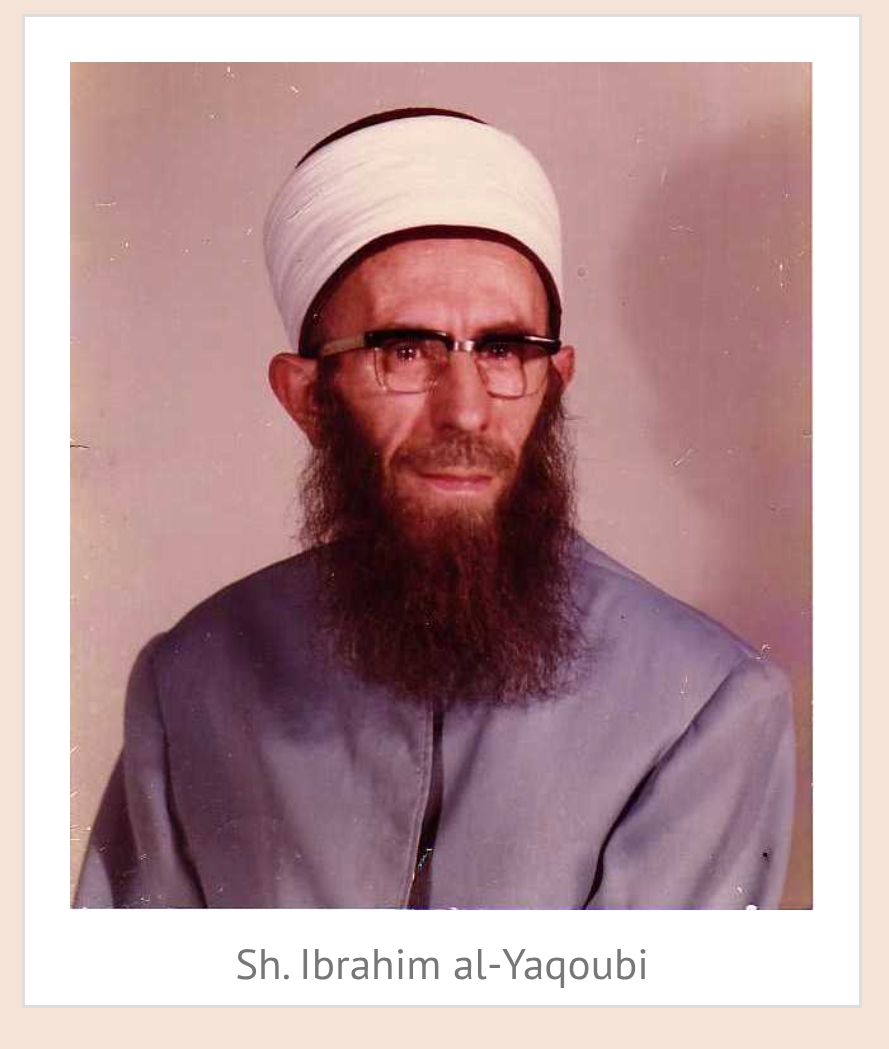
https://www.guidancehub.org/guidancehubblog/the-life-and-legacy-of-sheikh-ibrahim-al-yaqoubi
📽 The 34th Grandson of Prophet Muhammad (Peace Be Upon Him) | Shaykh Muhammad Al-Yaqoubi
Watch "الحَدِيثُ المُسَلْسَلُ بِالدِّمَشْقِيِّينَ | The Damascene Hadith" on YouTube
🔗 Watch on YouTube
Watch "Wisdom of Shaykh al-Yaqoubi - Shaykh Badr al-Din al-Hasani" on YouTube
📚 Free Class on Understanding Islamic Creed | Imam Tahawi’s Book
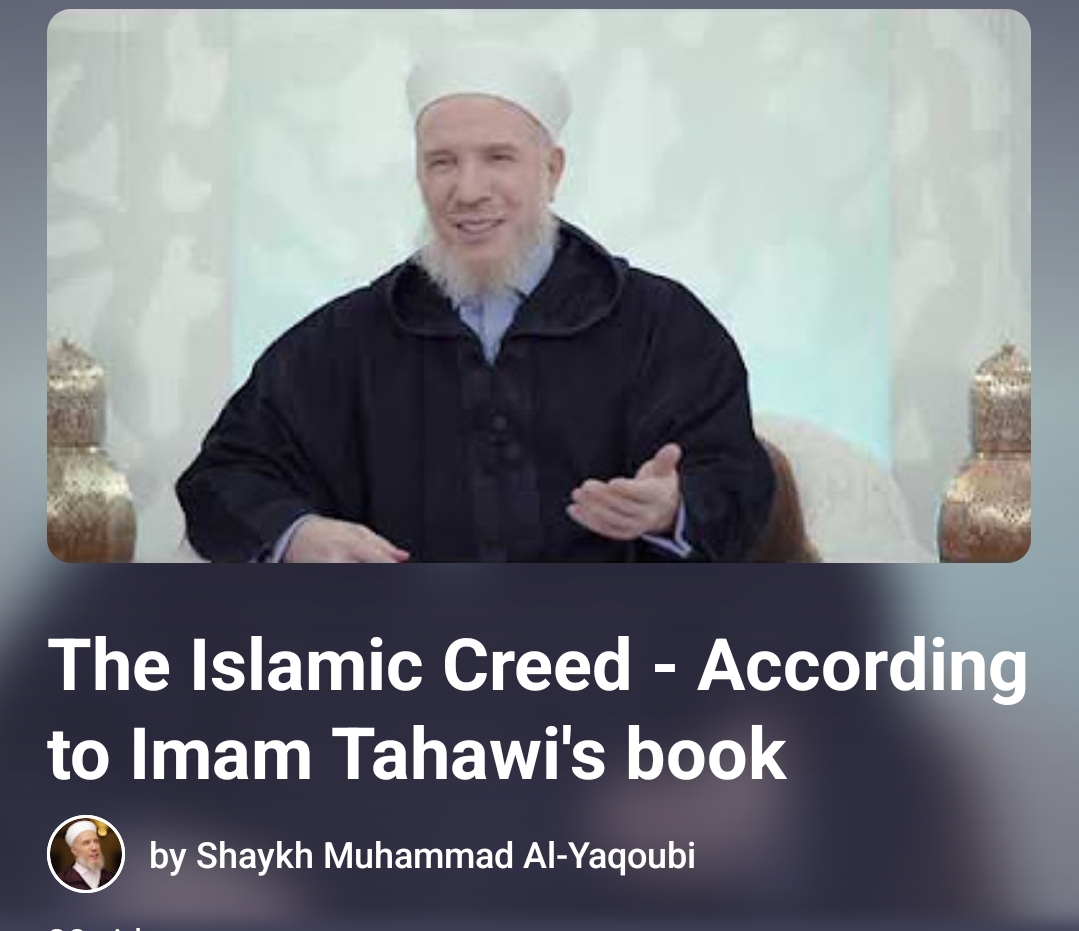
🔗 Watch the Playlist
📌 New to Islam? Confused by the different opinions and debates? You’re not alone.
Many new Muslims struggle to navigate the pollution of misinformation surrounding Islam. Too many voices, too many conflicting ideas—but Islam is simple, pure, and clear.
🚨 Did you know that Islam is the most non-violent religion in history?
🚨 Did you know that people have tried to erase parts of Islamic history to fit their own agendas?
🚨 Did you know that your understanding of Tawhid (the Oneness of Allah) will shape your entire journey in Islam?
🔎 If you want clarity, truth, and guidance, you need to start with the correct foundations.
📖 Read this guide for new Muslims—no confusion, no agendas, just the truth:
🔗 A Guide for New Muslims: Understanding Islam with Love and Clarity
👉 https://buymeacoffee.com/omar1800m/a-guide-new-muslims-understanding-islam-love-clarity
📽️ Watch the videos that will change how you see Islam forever.
🔎 Don’t get lost in the noise. Understand Islam the right way, from the start.
May Allah guide us, bless us, and illuminate our hearts with the light of true knowledge. May He protect us from deception, arrogance, and ignorance, and lead us to those who carry the sacred trust of the Prophet Muhammad (peace be upon him) and his family.
Allah says in the Qur’an:
“And those who strive for Us—We will surely guide them to Our ways. And indeed, Allah is with the doers of good.” (Qur’an 29:69)
The path to truth is not given—it is earned. Seek it. Struggle for it. And when you find it, hold onto it with everything you have.
Thank you for reading. May you be among those whom Allah guides. The responsibility is now
yours.