

بِسْمِ اللهِ الرَّحْمٰنِ الرَّحِيْم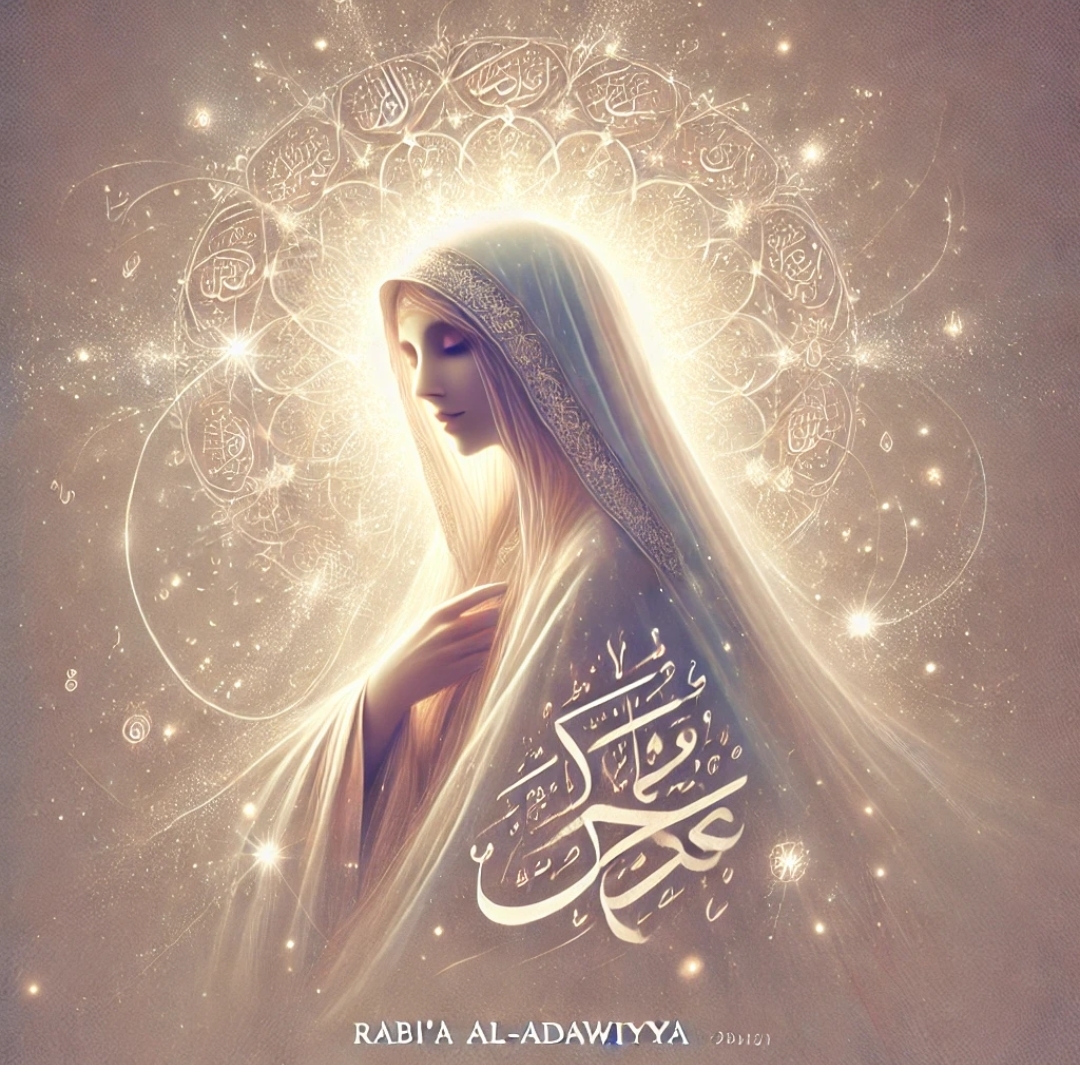
Introduction: The Journey of Spiritual Purification
Article 9:
In every spiritual tradition, the concept of purification is central to the journey toward enlightenment and divine closeness. In Islam, the purification of the soul (tazkiyah) is essential to building a relationship with Allah. For Rabi’a al-Adawiyya, the purification of the heart and soul was not just about ridding oneself of sins or desires—it was about creating an open space within for divine love to dwell. Her deep understanding of spiritual purity elevated her above the distractions of the world, allowing her to see clearly the beauty and majesty of Allah.
In this article, we will explore how Rabi’a’s focus on spiritual purity shaped her teachings and her approach to worship. We’ll delve into how she believed that only a purified soul could truly experience the depth of divine love.
---
The Importance of Purification in Worship
For Rabi’a, the heart was the gateway to the divine, and any impurity in the heart acted as a barrier between the soul and Allah. She believed that the soul must be purified of ego, desire, and attachment to the material world in order to fully receive Allah’s love.
Arabic: "الروح النقية هي المرآة التي تعكس جمال الله. بدون نقاء، لا يمكننا رؤية الجمال الإلهي بشكل كامل."
English: "A pure soul is the mirror that reflects Allah’s beauty. Without purity, we cannot fully see the divine beauty."
This idea of the soul as a mirror is a common metaphor in Sufi thought, and Rabi’a embraced it fully. She believed that by purifying the soul, one could remove the “dust” that accumulates from worldly distractions and selfish desires, allowing the heart to reflect divine light and beauty.
---
Purifying the Soul Through Love
Rabi’a’s path to spiritual purity was rooted in love. For her, love for Allah was not just an emotion but a transformative force that could cleanse the soul. She often spoke about how love for Allah purifies the heart and soul, making them worthy vessels for divine presence.
Arabic: "حبك يا الله هو النار التي تطهر قلبي من كل شائبة."
English: "Your love, O Allah, is the fire that purifies my heart of all impurities."
This idea of divine love as a purifying fire is central to Rabi’a’s teachings. She understood that the more she loved Allah, the more her heart was cleansed of worldly attachments, fears, and desires. For Rabi’a, love was both the goal and the method of purification—it was through love that the soul was refined and made ready to receive Allah’s presence.
---
Detachment as a Form of Purification
One of the key ways that Rabi’a sought to purify her soul was through detachment from the material world. She believed that by letting go of worldly desires, one could create space within the heart for divine love to grow. This detachment was not about rejecting the world entirely, but about prioritizing the spiritual over the material.
Arabic: "عندما تبتعد عن الدنيا، تقترب من الله."
English: "When you distance yourself from the world, you draw closer to Allah."
For Rabi’a, this detachment was not just physical but emotional and mental as well. It required a shift in focus from seeking worldly success and pleasure to seeking closeness with Allah. By purifying her intentions and desires, she was able to deepen her connection with the Divine and experience true spiritual clarity.
---
The Role of Repentance in Purification
Repentance (tawbah) also played a key role in Rabi’a’s understanding of purification. She believed that seeking forgiveness from Allah was an essential part of the process of purifying the soul. However, for Rabi’a, repentance was not just about seeking forgiveness for sins—it was about turning the heart back toward Allah.
Arabic: "التوبة هي عودة الروح إلى أصلها النقي."
English: "Repentance is the soul’s return to its pure origin."
Rabi’a saw repentance as a way to realign the soul with its divine purpose. Every time a person repents, they are shedding the layers of impurity that have built up over time, allowing their soul to return to its original state of purity and closeness to Allah.
---
Purity as the Foundation for Divine Love
Ultimately, Rabi’a believed that purity of the soul was the foundation for experiencing divine love. Without purification, the soul is too clouded to fully experience Allah’s presence. But when the soul is purified, it becomes a vessel for divine love, capable of reflecting the beauty and majesty of the Divine.
Her life was a testament to this belief. Through her extreme devotion, her ascetic lifestyle, and her unwavering focus on Allah, she achieved a level of spiritual purity that allowed her to experience divine love in its purest form.
---
Conclusion: Purification as a Path to Divine Closeness
Rabi’a al-Adawiyya’s teachings on spiritual purification remind us that the journey toward Allah requires effort, self-discipline, and a focus on removing the impurities of the soul. By purifying our hearts and souls, we can create space within ourselves to experience divine love and draw closer to Allah.
As we continue this series on divine love, let us take Rabi’a’s example to heart and strive to purify our own souls through love, detachment, and repentance. May we, like Rabi’a, become vessels for Allah’s beauty and reflect His light in all that we do.
---
In the next article, we will explore how Rabi’a’s teachings on divine love shaped her relationship with other people and how she viewed compassion and mercy as reflections of Allah’s love. St
ay with us as we continue to uncover the depths of her transformative teachings.