

بِسْمِ اللهِ الرَّحْمٰنِ الرَّحِيْم
Beyond Consumption: Creating Real Value Through Sustainability
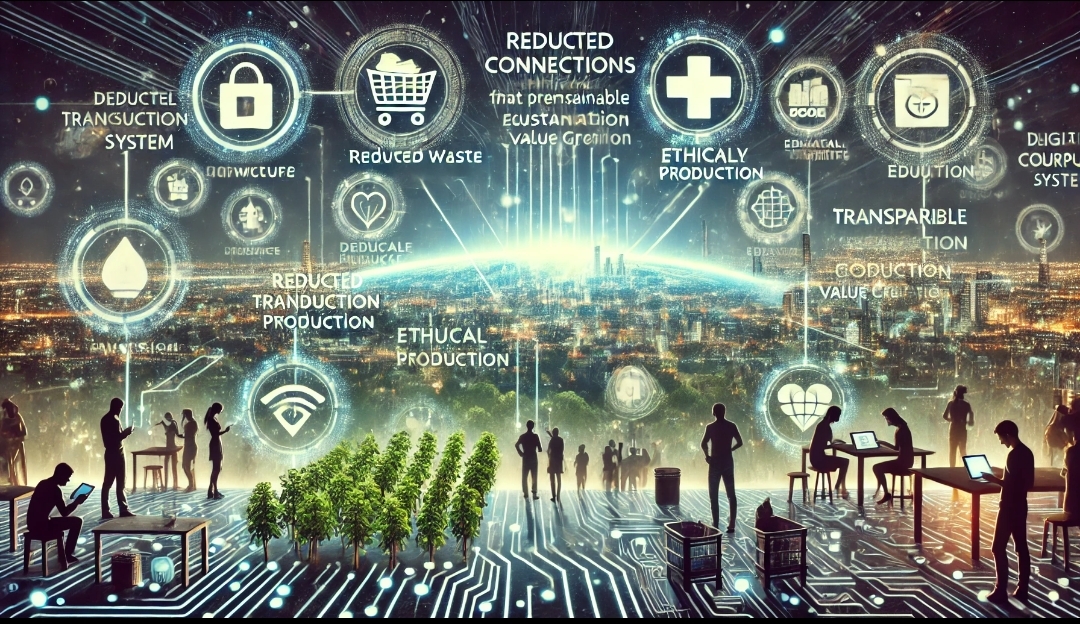
Today’s global economy prioritizes production volume over genuine demand. This approach leads to overproduction, waste, and an unsustainable cycle of consumption. The Brand Currency System offers a different model—one that creates value through intentional spending and aligns economic activity with real consumer demand.
This is more than a shift in spending; it’s a shift in how we build the economy itself, focusing on sustainability, fairness, and transparency. Here’s how the system redefines sustainable growth.
How the System Aligns with Real Demand
In a traditional supply chain, products often go through multiple layers of wholesalers, distributors, and retailers before reaching consumers. This results in inflated prices, higher waste, and a lack of transparency. The Brand Currency System eliminates these inefficiencies by establishing direct connections between consumers and brands, driven by real-time demand.
Here’s how it works:
Transparent Transactions: Consumers interact directly with brands, creating a clear path from production to purchase. This reduces the cost of distribution, making prices fairer and more reflective of actual demand.
Digital Coupons as Value Indicators: Every transaction generates a digital coupon that acts as a real-time signal of demand. This allows brands to align production with genuine needs, reducing overproduction and ensuring sustainable supply.
Adaptive Production: With direct demand signals, brands can adjust production levels based on real consumer needs, minimizing resource use and maximizing value creation.
This approach not only makes the economy more efficient but also ensures that production meets real needs, fostering a healthier, more balanced economy.
Driving Sustainability Across Sectors
The Brand Currency System promotes sustainable practices across various sectors, creating a multiplier effect that benefits individuals, businesses, and the environment. Here’s how it impacts key sectors:
1. Agriculture
Real Demand Signals: Farmers receive direct signals of demand through digital coupons, allowing them to adjust crop production based on actual consumer needs. This reduces surplus, minimizes resource use, and promotes fair pricing.
Eco-Friendly Practices: By aligning with real demand, farmers are incentivized to adopt sustainable farming practices, focusing on quality rather than quantity. This promotes soil health, reduces water usage, and decreases reliance on chemical fertilizers.
2. Healthcare
Accessible Healthcare Services: As users generate digital value through everyday transactions, they can use this value to access healthcare services. This makes healthcare more affordable and accessible, reducing the financial barriers to essential care.
Efficient Resource Allocation: Hospitals and clinics can issue digital coupons for services based on real demand, optimizing the use of resources like medical supplies and equipment.
3. Education
Lifelong Learning: Users can accumulate digital value and apply it to educational resources like online courses, vocational training, or certifications. This creates continuous opportunities for personal growth, aligning education with individual interests and needs.
Fairer Access: Schools and universities can participate in the system, offering courses in exchange for digital value. This makes education more accessible and equitable, reducing financial constraints.
A New Standard of Fairness and Equity
At its core, the Brand Currency System promotes fairness by ensuring that value creation is transparent and aligned with genuine demand. Here’s how it supports economic equity:
Inclusive Access: By decentralizing credit and digital value creation, the system makes financial resources more accessible to all users, regardless of income level.
Fair Pricing: With direct consumer-to-brand connections, prices reflect real demand, eliminating inflated costs caused by intermediaries.
Equal Opportunities: The system encourages sustainable production, ethical consumption, and fair distribution of resources, creating a more equitable economic environment.
Building a Sustainable Global Economy
The Brand Currency System is not just a national tool; it’s designed for global impact. As the system scales, it has the potential to transform economies worldwide, creating a new standard of sustainable growth. Here’s what this means for the global economy:
Reduced Carbon Footprint: By reducing overproduction and unnecessary transportation, the system minimizes environmental impact, helping countries meet sustainability goals.
Ethical Production: Brands are incentivized to adopt ethical production methods, as their success depends on maintaining transparent demand relationships with consumers.
Resilient Supply Chains: With demand-driven production, supply chains become more adaptable and resilient to economic shocks, making the global economy more stable.
Conclusion: A Sustainable Path Forward
The Brand Currency System offers more than just economic reform; it provides a pathway toward sustainable, transparent growth. By aligning production with real demand, it promotes fairer distribution, ethical consumption, and reduced waste. This isn’t just about changing how we buy and sell; it’s about building an economy that benefits everyone, from individuals to businesses to the planet itself.
In the next part of this series, we will explore how the Brand Currency System can be implemented at the national and global levels, focusing on integration strategies, collaboration with central banks, and the role of the tech community in making this vision a reality.
Stay tuned as we continue to build a sustainable, value-driven economy, one transaction at a time.