

بِسْمِ اللهِ الرَّحْمٰنِ الرَّحِيْم
Beyond Consumption: Creating Value Through Sustainability
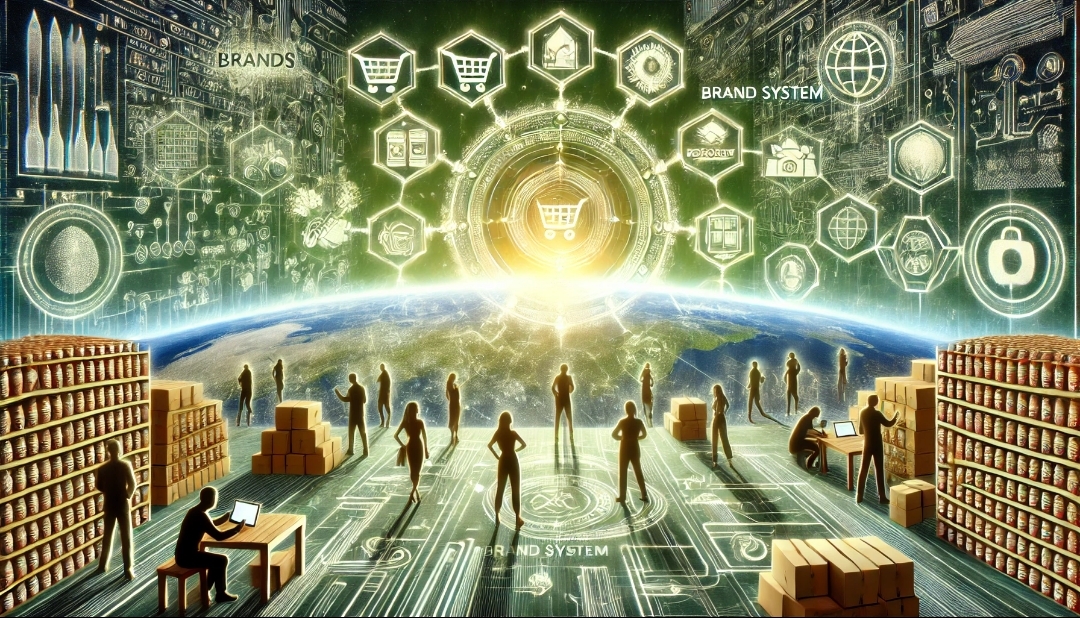
The current global economy has long been driven by overproduction, overconsumption, and waste. The relentless push for profit has led to unsustainable practices, with businesses focused on increasing output regardless of actual demand. This results in an environment where waste is not just tolerated but built into the system. Meanwhile, consumers are encouraged to buy more, often at the expense of quality, ethics, and the environment.
The Brand Currency System aims to change this paradigm. It introduces an economy where supply meets real demand, production is aligned with actual consumer needs, and sustainability is woven into the fabric of every transaction. In this model, businesses are incentivized to create value that lasts, not just goods that sell quickly.
Reshaping the Supply Chain: Efficiency and Fairness
In a traditional economy, products travel a long and complex journey before reaching consumers, passing through wholesalers, distributors, and retailers. This adds layers of cost, energy consumption, and environmental impact, creating inefficiencies that drive prices up and quality down.
The Brand Currency System replaces this outdated model with a streamlined, transparent supply chain. By directly connecting brands to consumers, it reduces waste, lowers costs, and promotes sustainable practices. Here’s how it works:
Direct Transactions: Products are registered digitally and connected straight to consumers, eliminating unnecessary steps.
Real-Time Demand Signals: Instead of mass-producing goods, brands respond to real-time demand, producing only what consumers need.
Digital Value Storage: Digital coupons act as a buffer, encouraging consumers to make intentional choices based on need rather than impulse.
This approach not only improves efficiency but also ensures fairer distribution of resources. It’s a system where businesses are rewarded for sustainability, and consumers are empowered to make responsible choices.
Creating an Economy of Accountability
With the Brand Currency System, sustainability is not just a buzzword; it’s a fundamental principle. This system demands accountability from brands and consumers alike, with Brand System Guardians overseeing every aspect of production and consumption. These guardians ensure that brands are genuinely delivering on their promises—no false claims, no greenwashing, just real value.
This level of transparency reshapes how businesses approach the market. Brands are no longer motivated by quick profits; instead, they focus on building long-term relationships with consumers based on trust, integrity, and sustainability.
How Individuals Contribute to Sustainability
In this new economy, individuals are no longer just consumers; they are active participants in creating a sustainable ecosystem. Here’s how the Brand Currency System allows for this transformation:
Intentional Spending: Consumers make informed decisions based on the digital value generated by their transactions. This value is stored as coupons, encouraging mindful spending that aligns with actual needs.
Reduced Waste: By responding to real demand signals, the system encourages consumers to buy only what they need, minimizing waste and maximizing resource efficiency.
Personal Growth: As individuals engage more thoughtfully with the economy, they accumulate not just wealth but sustainable habits that benefit the planet.
Imagine a world where your daily transactions contribute directly to a cleaner, fairer economy. Every purchase becomes an act of sustainability, from groceries to clothing to technology. The Brand Currency System makes this possible, turning everyday spending into a force for good.
Global Impact: A New Economic Standard
The shift to the Brand Currency System doesn’t just affect individuals and businesses; it has the potential to transform the global economy. Here’s how it drives positive change:
Lower Carbon Footprint: By reducing unnecessary production and transportation, the system minimizes environmental impact, helping countries meet their sustainability targets.
Ethical Production: Brands are incentivized to adopt ethical production methods, knowing that consumers value transparency and sustainability.
Fairer Distribution: With reduced costs and increased efficiency, goods and services become more accessible, closing the gap between different socio-economic groups.
Looking Forward: A Sustainable Future of Value
The Brand Currency System represents more than just a shift in economic behavior; it is a new standard for how we interact with value, resources, and the environment. It moves beyond profit-centric models and into a world where every transaction supports sustainability.
As the system expands, it aims to address other critical areas of economic inequality and environmental degradation. It proposes a pathway toward a future where growth is measured not by GDP but by the quality of life, fairness, and the health of our planet.
What’s Next in the Series?
In the next part, we’ll delve into how the Brand Currency System can be applied on a larger scale, transforming national economies and driving policy changes that align with sustainable development goals. We’ll explore case studies and projections for how this system can reshape industries, from agriculture to technology, ensuring a world that thrives not just financially, but holistically.
Stay tuned as we continue to explore this groundbreaking approach to value creation, equity, and sustainability.