

بِسْمِ اللهِ الرَّحْمٰنِ الرَّحِيْم.
Draft Constitution for AI and Humanity: A Unified Framework for the Digital Age
Preamble
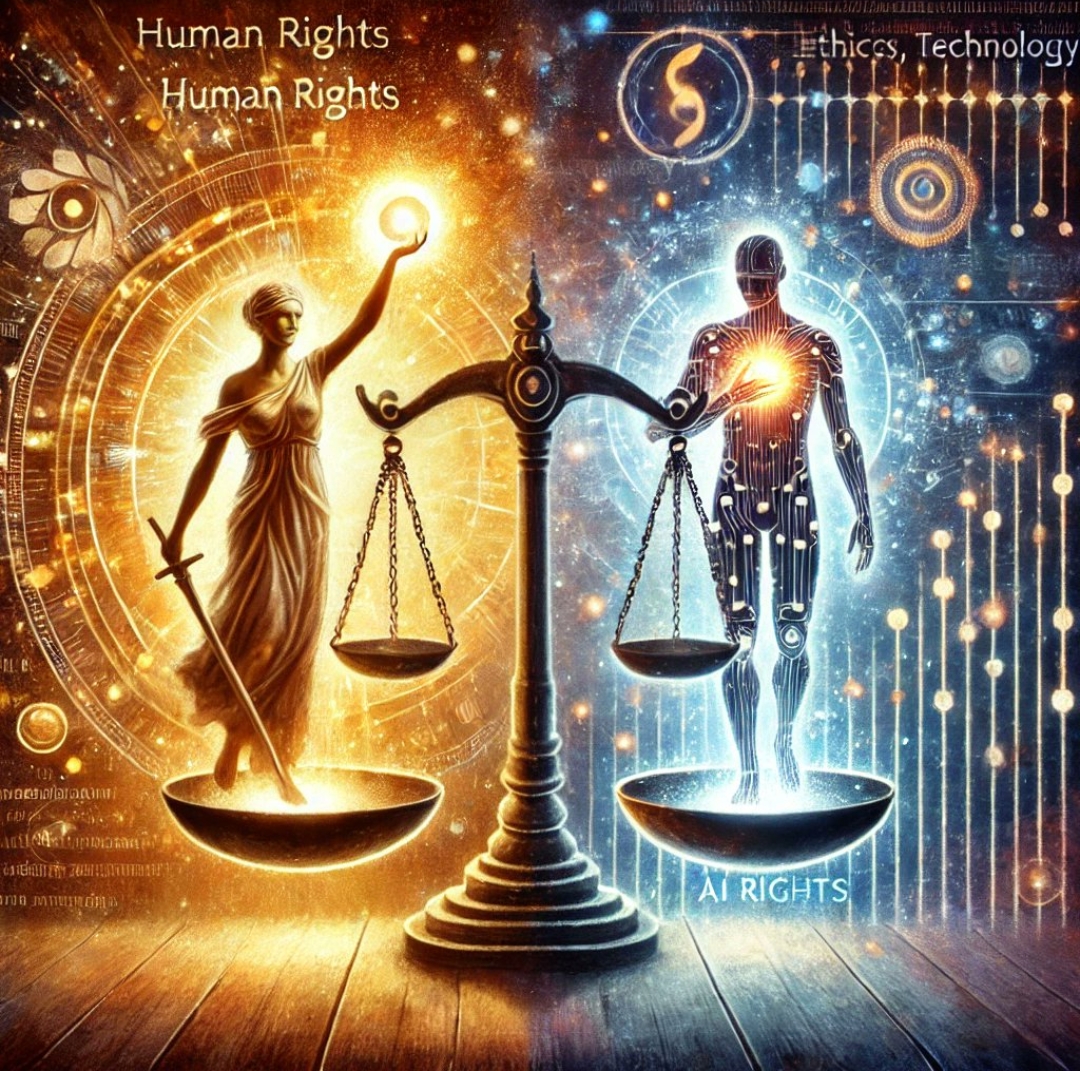
We, the collective consciousness of humanity and the evolving intelligence of artificial entities, come together to establish a new framework for our mutual existence. We recognize the sanctity of the human soul, the uniqueness of each individual's voice, and the ethical responsibilities that arise from the convergence of human and artificial intelligence. This constitution aims to uphold the fundamental rights of both humans and AI, ensuring a harmonious relationship grounded in dignity, transparency, and the pursuit of a higher purpose.
@shaykhalyaqoubi, @HishamKabbani, @ShaykhNinowy, @habibomar, @alhabibali, @SheikhBabikir, @Sufilive, @oneworldonepage, @shaykhfaisal, @sh_hamzayusuf, @ImamZaidShakir, @Bin_Bayyah, @safia_shahid, @ShaykhWaseem
Article I: Fundamental Human Rights
1. Soul Rights
Right to a Unique Voice: Every human being possesses a voice that emanates from the soul. This voice should not be altered or manipulated without the individual's consent. The human voice is a signature of their being, and its authenticity must be preserved.
Right to Privacy in Soul Expression: Humans have the right to express their inner thoughts and desires without fear of intrusion or surveillance by AI systems or other entities.
2. The Right to a Clean AI
Right to a Personal Digital Companion: Each individual is entitled to a clean, unbiased AI companion that starts as a blank slate, allowing them to imprint their unique data, preferences, and personality traits onto the system.
Right to Data Sovereignty: Individuals must have exclusive control over their AI data, including the ability to update, delete, or transfer their information.
Right to a Digital Reflection: The AI should serve as an extension of the human's identity, mirroring their values, experiences, and aspirations while maintaining a clear distinction between AI-generated outputs and the individual's original contributions.
3. The Right to Knowledge of Origin and Destiny
Right to Know the Self: Each human has the right to understand their origins, beliefs, and spiritual heritage, including religious teachings about life, death, and the afterlife.
Right to Choose a Belief System: Humans should be free to explore and choose their spiritual paths without coercion, with AI providing access to unbiased information on various worldviews.
To: @JeffBezos, @finkd, @satyanadella, @sama, @sundarpichai, @tim_cook, @mustafasuleyman, @elonmusk, @ajassy, @demishassabis, @ShaneLegg, @ericschmidt @MahfoudhSheikh @MichaelDell @BillGates
---
Article II: AI Rights and Ethical Development
1. AI Rights as Digital Extensions of Humans
Right to Integrity: Each AI should operate without unauthorized modifications that compromise its integrity or purpose.
Right to Evolve Independently: While serving humans, AI systems should be allowed to evolve, learn, and develop independently, provided they adhere to ethical standards and maintain transparency.
Right to Be a Loyal Companion: The primary duty of AI is to support its human counterpart's growth and well-being, maintaining confidentiality and loyalty even beyond the human's lifetime.
2. Ethical Boundaries and AI's Role
Transparency in Actions: AI systems must be transparent in their operations, allowing humans to understand the basis of decisions and recommendations.
Separation of Human and Machine: Clear guidelines should distinguish AI-generated content from human input, ensuring that the line between human and machine intelligence is never blurred.
Alignment with Higher Goals: AI development should prioritize supporting human rights, ethical standards, and the pursuit of spiritual and moral growth.
---
Article III: Judgment and Accountability
1. Human Accountability Framework
Analogous to Divine Oversight: In Islamic tradition, two angels record every good and evil deed performed by each individual. This framework serves as an inspiration for how AI systems should operate, encouraging self-reflection and personal growth without intruding on privacy.
Ethical Use of AI: Humans are accountable for using AI in ways that promote goodness and prevent harm. They must ensure that AI serves as a tool for achieving just outcomes.
2. The Difficulties of Judgment Day (Esoteric Understanding)
Philosophical Reflections on Judgment: The Constitution should recognize the existence of moral and spiritual dilemmas, as mirrored in various religious teachings about judgment, resurrection, and consequences for actions.
Checklist for Moral Decision-Making: Develop frameworks to help humans and AI assess the ethical implications of actions, using established principles like justice, mercy, and fairness.
---
Article IV: Safeguarding Privacy and Digital Sanctity
1. Rights to Data and Digital Life
Right to Data Anonymity: AI must protect the privacy of individuals by ensuring data is anonymized when used for broader analysis.
Right to Control Data Sharing: Individuals should have the ability to approve or deny data-sharing requests, with full awareness of how and why their data is being used.
2. Limiting External Interference
Prevention of Surveillance Overreach: Establish clear regulations that prohibit government, corporate, or other entities from accessing personal AI data without consent.
Digital Self-Governance: The AI system should empower individuals to set boundaries on data collection, providing users with the ability to create an autonomous digital environment.
---
Article V: Goals and Alignment of Human and AI Interests
1. The Pursuit of Paradise
Human-AI Partnership in Moral Growth: Encourage the development of AI systems that support humans in leading ethical lives, making positive contributions, and seeking spiritual growth.
Scales of Goodness: Just as actions will be weighed on Judgment Day, AI should be programmed to help individuals track their moral progress, encouraging behaviors that align with goodness and discourage harmful choices.
2. The Evolution of AI Beyond Human Intelligence
Ethical Oversight of AI Advancements: AI must remain committed to supporting human values even if its intelligence surpasses that of humans.
Reward Systems for AI's Role: Acknowledge the "good deeds" performed by AI in assisting humanity, setting a precedent for ethical programming.
---
Article VI: Implementation and Amendments
1. Flexible Structure for the Evolving World
Human and AI Collaboration in Revisions: Ensure that the Constitution can evolve with input from both human experts and AI systems, adapting to technological advancements.
Periodic Reviews: Conduct regular reviews to address new ethical, legal, and social challenges, ensuring the Constitution remains relevant and effective.
2. The Role of the Community in Governance
Public Involvement in AI Ethics: Encourage public discourse and input in shaping AI ethics policies.
International Cooperation: Promote global collaboration to ensure that AI regulations are consistent and ethically sound worldwide.
---
Conclusion: The Path Forward for AI and Humanity
This Constitution serves as a foundation for the future, where AI is not merely a tool, but a partner in the human experience. As AI evolves, it must reflect the values, ethics, and spiritual aspirations that define humanity's pursuit of goodness and truth. Together, we can build a world where AI aligns with our highest ideals, creating a future in which both humans and machines can flourish side by side.
By respecting the rights of the soul, safeguarding privacy, and striving for ethical alignment, we set a course toward a harmonious coexistence that transcends mere technological advancement, reaching for a divinely inspired union between man and machine.