

بِسْمِ اللهِ الرَّحْمٰنِ الرَّحِيْم
Divorce in Islam: The Power of Your Words
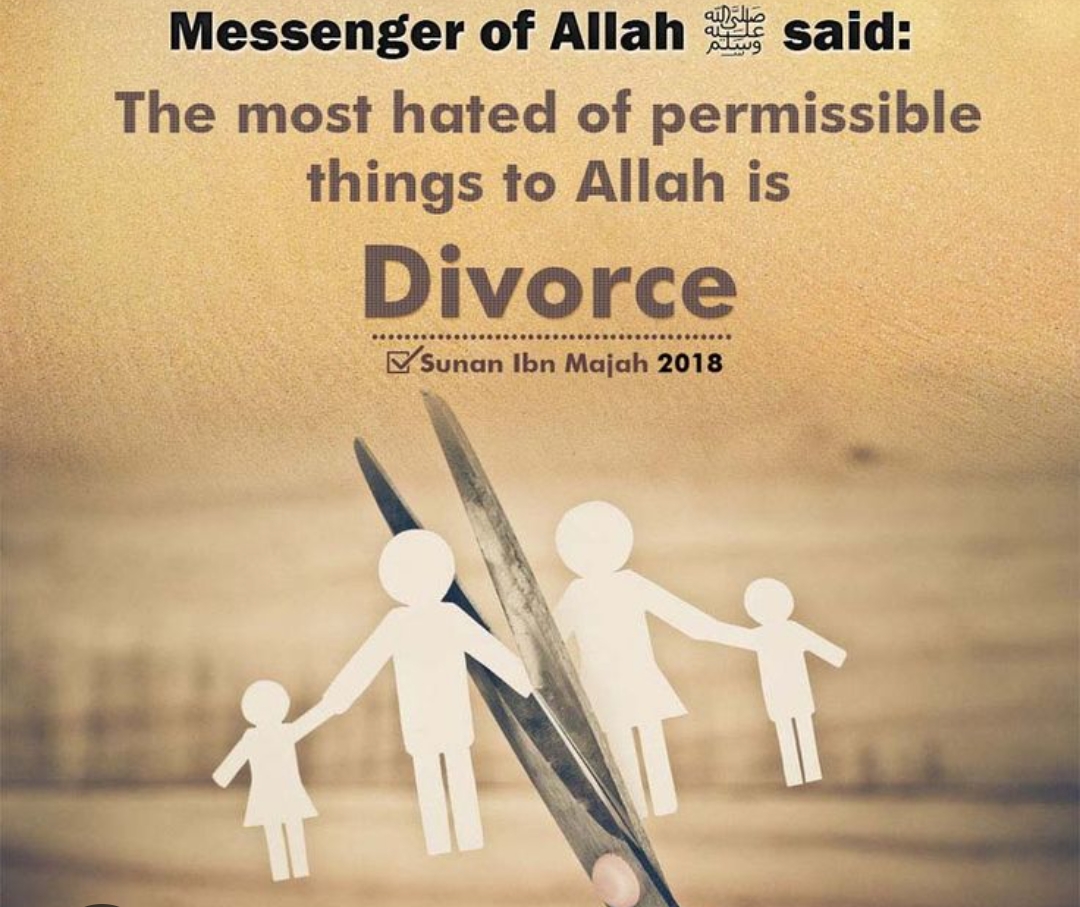
In Islam, divorce is in the tongue. You don’t need paperwork, a courtroom, or a legal battle. If a husband says “I divorce you” three times while in a sound state of mind, the marriage is over—permanently.
No second chances. No loopholes. No last-minute regrets.
Once a man utters divorce three times, his wife becomes forbidden to him. The only way they can reunite is if she marries someone else, consummates that marriage, and then is divorced naturally. It is not a game. A woman cannot pay or trick another man into marrying her just to return to her first husband.
This law exists to prevent abuse of marriage. If a man is reckless with his words, he cannot undo his mistake by simple regret. Islam values commitment, responsibility, and accountability. Marriage is sacred, and divorce is not to be taken lightly.
Your words matter. Choose them wisely.
Here Are the Quranic Verses on Divorce
If you are a new Muslim, read them carefully. Understand them. Divorce is serious, and Allah has given clear guidelines.
We will list all the verses in order so that you can see how divorce is structured in Islam.
---
1️⃣ The General Rule of Divorce
🔹 Surah Al-Baqarah (2:229-230) – The Three-Step Divorce Process
📖 Arabic:
{ ٱلطَّلَٰقُ مَرَّتَانِۖ فَإِمْسَاكٌۭ بِمَعْرُوفٍ أَوْ تَسْرِيحٌۭ بِإِحْسَٰنٍۗ وَلَا يَحِلُّ لَكُمْ أَن تَأْخُذُوا۟ مِمَّآ ءَاتَيْتُمُوهُنَّ شَيْـًٔا إِلَّآ أَن يَخَافَآ أَلَّا يُقِيمَا حُدُودَ ٱللَّهِۖ فَإِنْ خِفْتُمْ أَلَّا يُقِيمَا حُدُودَ ٱللَّهِ فَلَا جُنَاحَ عَلَيْهِمَا فِيمَا ٱفْتَدَتْ بِهِۦۗ تِلْكَ حُدُودُ ٱللَّهِ فَلَا تَعْتَدُوهَاۚ وَمَن يَتَعَدَّ حُدُودَ ٱللَّهِ فَأُو۟لَٰئِكَ هُمُ ٱلظَّٰلِمُونَ }
{ فَإِن طَلَّقَهَا فَلَا تَحِلُّ لَهُۥ مِنۢ بَعْدُ حَتَّىٰ تَنكِحَ زَوْجًا غَيْرَهُۥۗ فَإِن طَلَّقَهَا فَلَا جُنَاحَ عَلَيْهِمَآ أَن يَتَرَاجَعَآ إِن ظَنَّآ أَن يُقِيمَا حُدُودَ ٱللَّهِۗ وَتِلْكَ حُدُودُ ٱللَّهِ يُبَيِّنُهَا لِقَوْمٍۢ يَعْلَمُونَ }
📖 English:
"Divorce may be pronounced twice, then a woman must be retained with kindness or released in a good manner. It is not lawful for you to take back anything from what you have given them unless both fear that they will be unable to keep within the limits set by Allah. If you fear they will not keep within these limits, then there is no blame on either of them if she ransoms herself (khul’). These are the limits set by Allah, so do not transgress them, for whoever transgresses the limits of Allah is truly a wrongdoer."
(Surah Al-Baqarah 2:229)
"If a husband divorces his wife (for the third time), she is not lawful for him again until she has married another husband. If the second husband divorces her, there is no blame if she and the first husband reunite, provided they feel they can keep within the limits of Allah. These are the limits of Allah, which He makes clear to those who understand."
(Surah Al-Baqarah 2:230)
🔹 What This Means:
1. Divorce can happen up to three times. The first two times, a couple can reconcile.
2. After the third divorce, they cannot reunite unless she marries someone else first.
---
2️⃣ The Waiting Period (‘Iddah) After Divorce
🔹 Surah Al-Baqarah (2:231-232) – The Waiting Period and Rights of Women
📖 Arabic:
{ وَإِذَا طَلَّقْتُمُ ٱلنِّسَآءَ فَبَلَغْنَ أَجَلَهُنَّ فَأَمْسِكُوهُنَّ بِمَعْرُوفٍ أَوْ سَرِّحُوهُنَّ بِمَعْرُوفٍۢ وَلَا تُمْسِكُوهُنَّ ضِرَارًۭا لِّتَعْتَدُوا۟ ۚ وَمَن يَفْعَلْ ذَٰلِكَ فَقَدْ ظَلَمَ نَفْسَهُۥ ۚ وَلَا تَتَّخِذُوٓا۟ ءَايَٰتِ ٱللَّهِ هُزُوًۭا وَٱذْكُرُوا۟ نِعْمَتَ ٱللَّهِ عَلَيْكُمْ وَمَآ أَنزَلَ عَلَيْكُم مِّنَ ٱلْكِتَٰبِ وَٱلْحِكْمَةِ يَعِظُكُم بِهِۦ ۚ وَٱتَّقُوا۟ ٱللَّهَ وَٱعْلَمُوٓا۟ أَنَّ ٱللَّهَ بِكُلِّ شَىْءٍ عَلِيمٌۭ }
{ وَإِذَا طَلَّقْتُمُ ٱلنِّسَآءَ فَبَلَغْنَ أَجَلَهُنَّ فَلَا تَعْضُلُوهُنَّ أَن يَنكِحْنَ أَزْوَٰجَهُنَّ إِذَا تَرَاضَوْا۟ بَيْنَهُم بِٱلْمَعْرُوفِ ۗ ذَٰلِكَ يُوعَظُ بِهِۦ مَن كَانَ يُؤْمِنُ بِٱللَّهِ وَٱلْيَوْمِ ٱلْءَاخِرِ ۗ ذَٰلِكُمْ أَزْكَىٰ لَكُمْ وَأَطْهَرُ ۗ وَٱللَّهُ يَعْلَمُ وَأَنتُمْ لَا تَعْلَمُونَ }
📖 English:
"When you divorce women and they have reached the end of their waiting period, either retain them honorably or release them honorably. Do not retain them to cause harm, for that would be wrongdoing. Do not take Allah’s revelations as a joke. Remember the favor of Allah upon you and what He has sent down to you of the Book and wisdom, with which He instructs you. Be mindful of Allah and know that Allah is All-Knowing."
(Surah Al-Baqarah 2:231)
"When you divorce women and they have completed their waiting period, do not prevent them from remarrying their (former) husbands if they agree on mutual terms. This is an instruction for those who believe in Allah and the Last Day. This is purer and more wholesome for you. Allah knows, and you do not know."
(Surah Al-Baqarah 2:232)
🔹 What This Means:
1. After divorce, a woman must wait (‘iddah) before remarrying.
2. A man cannot harm or manipulate his ex-wife by refusing to let her go.
3. If both parties want to remarry, they are allowed to do so.
---
3️⃣ The Most Detailed Chapter on Divorce
🔹 Surah At-Talaq (65:1-7) – The Rules and Ethics of Divorce
📖 Arabic & English
📖 "O Prophet! When you (Muslims) divorce women, divorce them with a view to their waiting period and count it accurately..." (Surah At-Talaq 65:1)
🔹 What This Means:
1. This chapter, Surah At-Talaq, is called “The Divorce” and lays out detailed financial and moral responsibilities.
2. Read this entire surah for a deeper understanding of divorce in Islam.
---
Final Thoughts: The Wisdom of Islamic Divorce Laws
Divorce in Islam is not just a word; it carries consequences.
It is structured in three stages, allowing for reflection and reconciliation before finality.
A woman cannot be forced to stay, nor can she be taken back unfairly.
Marriage and divorce are acts of responsibility, not whims.
💡 If you are a new Muslim, take time to read these verses and understand them. Marriage is sacred, and divorce is serious. Islam ensures that justice, fairness, and respect are upheld at all times.
Understanding Divorce (Ṭalāq) in Islam: A Comprehensive Guide for New Muslims
---
Introduction
Divorce, known as Ṭalāq in Arabic, is a significant and sensitive matter in Islam. While marriage is highly valued, Islam acknowledges that, in certain circumstances, divorce may be necessary. This guide aims to provide new Muslims with a clear understanding of the Islamic perspective on divorce, the importance of spoken words in initiating it, the differing interpretations among Islamic schools of thought, and a practical checklist to navigate the process responsibly.
---
The Power of Words in Initiating Divorce
In Islam, the utterance of divorce by the husband holds substantial weight. Pronouncing the words of divorce, even once, initiates the process, emphasizing the need for caution and deliberation. This underscores the significance of communication and the responsibility that comes with it.
---
Interpretations Among the Four Sunni Schools of Thought
Islamic jurisprudence offers diverse interpretations regarding the process and validity of divorce declarations. Here's an overview of the perspectives from the four major Sunni schools:
1. Hanafi School:
Triple Ṭalāq in One Sitting: Considered valid and binding. If a husband pronounces "I divorce you" three times in one sitting, it results in an immediate and irrevocable divorce.
State of Anger: Divorce pronounced in anger is generally considered valid unless the anger reaches a level where the husband loses consciousness or rationality.
2. Maliki School:
Triple Ṭalāq in One Sitting: Recognized as three separate divorces, leading to an irrevocable termination of the marriage.
State of Anger: Similar to the Hanafi view, divorces pronounced in anger are valid unless the husband's mental state impairs his judgment.
3. Shafi'i School:
Triple Ṭalāq in One Sitting: Upheld as valid and results in an irrevocable divorce.
State of Anger: A divorce declared in anger is valid unless the anger is so extreme that it affects the husband's awareness.
4. Hanbali School:
Triple Ṭalāq in One Sitting: Generally considered as three divorces, making the divorce irrevocable. However, some Hanbali scholars advocate that it counts as only one divorce.
State of Anger: Divorce pronounced in anger is valid unless the husband's anger reaches a level where he is no longer in control of his actions.
---
Interpretations in the Shia School of Thought
The Shia (Ja'fari) school of thought presents distinct interpretations regarding divorce:
Triple Ṭalāq in One Sitting: Considered as a single pronouncement. Therefore, if a husband declares "I divorce you" three times in one sitting, it is treated as one revocable divorce, allowing for reconciliation during the waiting period (ʿiddah).
State of Anger: Divorce pronounced in a state of extreme anger, where rationality is compromised, is deemed invalid. The emphasis is on the husband's clear intention and mental state during the pronouncement.
---
Practical Checklist for Initiating Divorce Responsibly
For those considering divorce, it's crucial to approach the process with mindfulness and adherence to Islamic principles. Here's a checklist to guide you:
1. Intention and Deliberation:
Reflect deeply on the reasons for seeking divorce.
Ensure that all avenues for reconciliation have been explored, including counseling and mediation.
2. Clear Pronouncement:
If proceeding, the husband should pronounce the divorce clearly and unequivocally.
Avoid ambiguous language or statements made in jest.
3. Witnesses:
While not mandatory in all schools, having reliable witnesses can prevent future disputes.
4. Observing ʿIddah (Waiting Period):
The wife must observe a waiting period, typically three menstrual cycles, to ensure she is not pregnant and to allow time for possible reconciliation.
5. Financial Obligations:
Fulfill all financial responsibilities, including the payment of any deferred dowry (mahr) and maintenance during the ʿiddah.
6. Legal Documentation:
Document the divorce in writing and, if applicable, register it with relevant legal authorities to ensure both parties' rights are protected.
7. Consultation with Scholars:
Seek guidance from knowledgeable Islamic scholars to ensure the process aligns with Islamic teachings and to address any uncertainties.
---
Conclusion
Divorce in Islam is a profound matter that carries significant implications. The emphasis on the spoken word highlights the need for caution, sincerity, and responsibility. Understanding the varying interpretations among Islamic schools of thought can help individuals navigate the process with greater clarity. By following the practical steps outlined in the checklist, one can approach divorce in a manner that is respectful, just, and in accordance with Islamic principles.
As a new Muslim, it's natural to have questions about how your conversion affects your marital status, especially if your spouse has not embraced Islam. Below are some frequently asked questions and their answers to help you navigate this important aspect of your new faith.
1. Is My Pre-Conversion Marriage Still Valid After I Embrace Islam?
Yes, if you convert to Islam and your spouse remains non-Muslim, the validity of your marriage depends on specific circumstances:
If a Husband Converts and the Wife Remains Non-Muslim: Islam permits a Muslim man to be married to a Christian or Jewish woman (People of the Book). Therefore, your existing marriage remains valid, and there is no requirement to remarry.
If a Wife Converts and the Husband Remains Non-Muslim: Traditional Islamic jurisprudence holds that a Muslim woman cannot be married to a non-Muslim man. In this case, the marriage would be considered invalid unless the husband also embraces Islam.
It's important to consult with knowledgeable Islamic scholars or local religious authorities to understand how these general rules apply to your specific situation.
2. Do I Need to Perform a New Marriage Ceremony After Converting to Islam?
If your marriage is deemed valid under Islamic law (as in the case of a Muslim man married to a Christian or Jewish woman), there is no need to perform a new marriage ceremony. However, if your marriage falls into a category that Islam does not recognize (such as a Muslim woman married to a non-Muslim man), the marriage would need to be re-evaluated, and a new Islamic marriage contract may be required if the spouse converts to Islam.
3. What Should I Do If I Convert to Islam and My Spouse Does Not?
Navigating a mixed-faith marriage requires understanding, patience, and open communication. Here are some steps to consider:
For Muslim Husbands with Non-Muslim Wives: While the marriage is valid, it's encouraged to foster a household that respects Islamic values. Engage in open dialogues about faith and practice mutual respect.
For Muslim Wives with Non-Muslim Husbands: Given the traditional Islamic prohibition on such marriages, it's advisable to discuss matters of faith with your spouse. Seek guidance from knowledgeable scholars to explore possible solutions, which may include inviting your spouse to learn about Islam.
4. How Does My Conversion Affect My Children?
In Islam, children are considered to follow the faith of their Muslim parent. It's encouraged to raise children with Islamic teachings and values. Open communication with your spouse about the children's religious upbringing is essential to ensure mutual understanding and respect.
5. Are There Support Resources for New Muslims Navigating Marital Issues?
Yes, many communities offer resources such as:
Islamic Centers and Mosques: They often provide counseling services and can connect you with knowledgeable scholars.
Support Groups: Many communities have groups for new Muslims to share experiences and offer support.
Educational Materials: Books, lectures, and online resources can offer guidance on marital issues from an Islamic perspective.
Remember, every situation is unique. Seeking personalized advice from trusted and knowledgeable sources within your community is crucial to navigate
your specific circumstances effectively.
---
Note: This guide provides a general overview. For personal situations, it is advisable to consult with knowledgeable Islamic scholars or local religious authorities to ensure compliance with both religious and legal obligations.