

The Spirit of Divine Justice: Understanding the Quranic Rulings on Theft and Corruption
Cutting Hands, Corruption, and Repentance: A Misunderstood Law
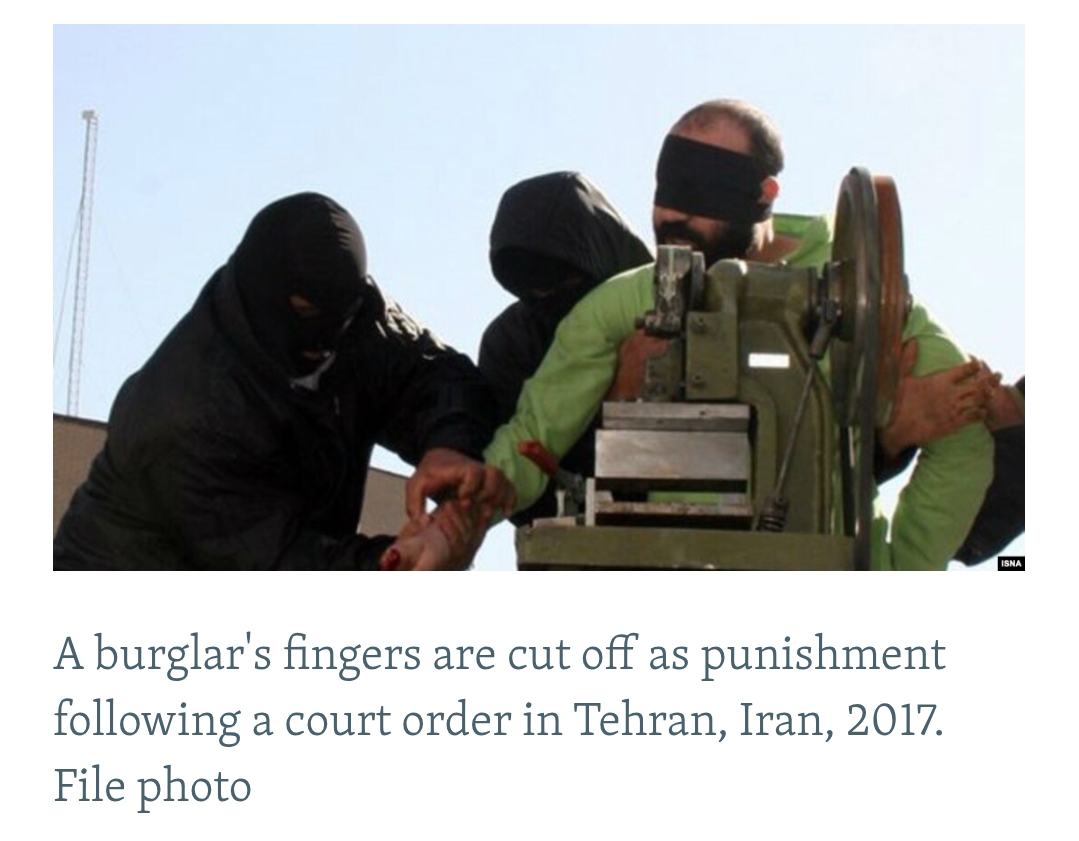
“Cut off the hands of thieves,” many people quote this verse from the Quran (5:38) and rush to conclusions. But do they speak Arabic? No. Do they know why this verse was revealed? No. Do they understand how the Prophet Muhammad ﷺ and the Rightly Guided Caliphs implemented it? No. Yet, they pick up the Quran, find a verse, and assume they know divine justice.
The Quran is not just ink on a page—it is light from the heart of the Prophet ﷺ, given to those whom Allah wills. It was transmitted to his companions—the Rashidun (Rightly Guided Caliphs)—who were entrusted not just with memorizing it but implementing it with wisdom and balance. So before we rush to judge, let’s let the Quran speak for itself.
---
🔹 A Structured Revelation: The Quran Explains Itself
Islamic justice is not about chopping hands. It is about eliminating corruption, establishing order, and ensuring no one is oppressed. To truly understand the ruling on theft, we must read the verses before and after it.
🔹 The Quran’s Foundation: Life and Corruption
Before Allah even mentions theft, He lays the foundation:
[Surah Al-Māʾidah: 32]
📖
مِنۡ أَجۡلِ ذَٰلِكَ كَتَبۡنَا عَلَىٰ بَنِيٓ إِسۡرَٰٓءِيلَ أَنَّهُۥ مَن قَتَلَ نَفۡسَۢا بِغَيۡرِ نَفۡسٍ أَوۡ فَسَادٖ فِي ٱلۡأَرۡضِ فَكَأَنَّمَا قَتَلَ ٱلنَّاسَ جَمِيعٗا وَمَنۡ أَحۡيَاهَا فَكَأَنَّمَآ أَحۡيَا ٱلنَّاسَ جَمِيعٗاۚ
"If anyone kills a person—unless in retribution for murder or spreading corruption in the land—it is as if he has killed all mankind; and if anyone saves a life, it is as if he has saved all mankind." (5:32)
This verse makes it crystal clear: spreading corruption is a crime as severe as murder. What is corruption? Theft, oppression, destroying society’s order. If left unchecked, it leads to chaos. But Allah does not immediately say to punish—instead, He reminds us that saving lives and reforming people is greater than punishment.
---
🔹 The Law on Spreading Corruption
Now, what happens to those who refuse to repent and declare war against order and justice?
[Surah Al-Māʾidah: 33]
📖
إِنَّمَا جَزَٰٓؤُاْ ٱلَّذِينَ يُحَارِبُونَ ٱللَّهَ وَرَسُولَهُۥ وَيَسۡعَوۡنَ فِي ٱلۡأَرۡضِ فَسَادًا أَن يُقَتَّلُوٓاْ أَوۡ يُصَلَّبُوٓاْ أَوۡ تُقَطَّعَ أَيۡدِيهِمۡ وَأَرۡجُلُهُم مِّنۡ خِلَٰفٍ أَوۡ يُنفَوۡاْ مِنَ ٱلۡأَرۡضِۚ
"Those who wage war against Allah and His Messenger and strive to spread corruption in the land should be punished by execution, crucifixion, amputation of an alternate hand and foot, or exile from the land." (5:33)
This is not about a hungry man stealing bread. This is about criminals who steal, rob, kill, spread terror, and destroy society. The ruling is not rigid—there are four punishments, depending on the crime’s severity.
But notice something powerful: Even after issuing this severe punishment, Allah immediately follows it with mercy.
---
🔹 Mercy and Repentance
[Surah Al-Māʾidah: 34]
📖
إِلَّا ٱلَّذِينَ تَابُواْ مِن قَبۡلِ أَن تَقۡدِرُواْ عَلَيۡهِمۡۖ فَٱعۡلَمُوٓاْ أَنَّ ٱللَّهَ غَفُورٞ رَّحِيمٞ
"Except for those who repent before you overpower them—know that Allah is Forgiving and Merciful." (5:34)
Allah cancels the punishment if they repent. No judge, no government, no person can implement these punishments if the person repents before being caught.
This is not a system of cruelty—it is a system of justice, mercy, and reform.
---
🔹 The Ruling on Theft: A Last Resort
Now, after all of this context, Allah speaks about theft.
[Surah Al-Māʾidah: 38]
📖
وَٱلسَّارِقُ وَٱلسَّارِقَةُ فَٱقۡطَعُوٓاْ أَيۡدِيَهُمَا جَزَآءَۢ بِمَا كَسَبَا نَكَٰلٗا مِّنَ ٱللَّهِۗ
"As for the thief, the male and the female, cut off their hands in retribution for what they have committed—as a deterrent from Allah." (5:38)
This punishment is not for the poor or desperate. It is for professional thieves—those who steal without need, harm others, and refuse to reform. And even then, the scholars of Islam have strict conditions:
1️⃣ The stolen item must exceed a significant value.
2️⃣ The theft must be from a secure place (not something left unattended).
3️⃣ There must be two trustworthy witnesses.
4️⃣ The thief must not be in dire need.
5️⃣ The punishment can be suspended in times of hardship.
How do we know? Because of Caliph Umar.
---
🔹 The Wisdom of Caliph Umar
During a famine, Umar ibn Al-Khattab suspended hand amputation for theft. He declared:
❝If the state does not provide for its people, how can we punish them for stealing to survive?❞
This proves that Islamic justice is not blind punishment—it is built on fairness, wisdom, and context. No Muslim leader today has the light of Umar. No one today can implement this law as it was in the time of the Prophet ﷺ.
---
🔹 The Conclusion: Justice is Balanced with Mercy
This system is not rigid or brutal. It is measured, just, and merciful.
1️⃣ Allah begins by showing that killing one soul unjustly is like killing all of humanity.
2️⃣ He addresses those who corrupt the land, spread crime, and destroy society.
3️⃣ He allows them to repent before any punishment can be applied.
4️⃣ Then, and only then, does He mention the ruling on theft.
5️⃣ He immediately follows with mercy:
[Surah Al-Māʾidah: 39]
📖
فَمَن تَابَ مِنۢ بَعۡدِ ظُلۡمِهِۦ وَأَصۡلَحَ فَإِنَّ ٱللَّهَ يَتُوبُ عَلَيۡهِۚ
"Whoever repents after his wrongdoing and makes amends, Allah will accept his repentance. Allah is Forgiving and Merciful." (5:39)
---
🔹 The Final Message
Do not take one verse and remove it from context.
Do not assume you understand divine justice without learning its wisdom, history, and spirit.
Islam is not about cutti
ng hands. It is about cutting corruption.
Allah gives us the path of justice and the path of mercy.
Which will you choose?
A Message to New Muslims: Understanding Justice, Mercy, and the Light of Islam
You have chosen Islam. You have chosen to walk the path of a Lord who sees you, hears you, and is never absent from your life. A Lord who understands you better than you understand yourself.
But let us be clear—being a Muslim does not mean you are an angel. You are not expected to be perfect. You are not expected to never stumble. Islam does not demand that you become sinless, that you will never steal, never lie, never feel tempted, or never fall into error. That is not the expectation because you are human, not an angel.
What we are discussing today is far greater than the everyday struggles of an individual. We are talking about those who wage war against truth, those who spread corruption, those who betray trust, those who cause destruction, and those who refuse to be reformed.
🔹 The Difference Between Human Weakness and Spreading Corruption
A man steals because he is starving. A woman lies because she is afraid. A person sins because the devil whispers to them. These are not the people this law is speaking about.
What we are addressing is evil disguised as friendship—those who smile in your face and stab you in the back. Those who do business with you in the day and destroy your crops at night. Those who pretend to be your brother but plot against you when you turn your back. These are the ones who spread corruption. These are the ones whom Allah warns about.
Islam does not exist in chaos. It brings order, peace, and security. A Muslim’s hands should not bring harm to another. A Muslim should never take the law into their own hands.
---
🔹 Islam is Not a Religion of Vigilantism
The worst mistake a Muslim can make is to take the law into their own hands. You are not the judge. You are not the ruler. You do not have the authority to implement these laws.
You see a verse in the Quran, and you say: “It says cut the hand of the thief.” But do you understand it?
Do you speak Arabic?
Do you know the circumstances of the revelation?
Do you know how the Prophet Muhammad ﷺ implemented it?
Do you know how Caliph Umar suspended it?
If the answer is no, then you do not have the knowledge to apply this law.
---
🔹 The Wisdom of Islam: Justice is for the Corrupt, Not the Vulnerable
This law is not for poor people. It is not for those struggling to survive. It is not for the weak.
It is for the corrupt—those who make deception and betrayal their way of life. Those who steal, kill, and destroy without remorse. Those who do not care for the Day of Judgment.
No poor person’s hand was ever cut off during the time of the Prophet Muhammad ﷺ.
Why? Because there was no need for them to steal. The doors of the Prophet were open. His home was a curtain, not a fortress. If you were hungry, you would come to him. If he had food, he gave. If he had nothing, he made du’a for you. And something always happened.
Medina saw something the world had never seen before—a society where gold was left unattended in the marketplace, and no one stole it. This was proof of Islam’s transformation.
This is what happens when a society is just. This is what happens when people have light in their hearts.
---
🔹 The Spirit of the Law: When the Letter of the Law is Suspended
During a time of famine, Caliph Umar suspended the law of hand amputation for theft. He said:
❝If the state does not provide for its people, how can we punish them for stealing to survive?❞
Read that again.
A man—not a Prophet, but a man chosen by Allah—suspended the words of the Quran.
Why? Because justice is not blind punishment. It is wisdom. It is understanding. It is light in the heart.
No judge, no ruler, no modern government has that light today.
No one today has the right to implement these laws in their own hands.
---
🔹 What It Means to Be a Muslim: A Safe Haven for Others
A Muslim is someone from whom others are safe—safe from their words, safe from their hands, safe from their betrayal. The religion itself must be safe from your hands.
You do not get to decide who is punished. You do not get to take revenge. You do not get to interpret the Quran without knowledge.
🔹 Islam is Not a Religion of Violence—It is a Religion of Order
Allah did not create a world of chaos. He created a system of mercy and justice. The law exists not to cut hands, but to cut corruption.
Islam’s laws do not exist to punish the weak.
They exist to stop those who think they can do anything and get away with it.
Islam is for the oppressed, not for the oppressors.
---
🔹 The Final Message: Follow the Light, Not Ignorance
If you are a new Muslim, or even if you were born Muslim, you must see Islam for what it truly is.
It is not blind justice—it is divine wisdom.
It is not about cutting hands—it is about cutting corruption.
It is not about punishing the poor—it is about holding the corrupt accountable.
If you truly follow this path, you will see what the people of Medina saw—a society where theft does not even exist, because everyone is taken care of.
That is Islam.
That is justice.
That is the light of the Prophet Muhammad ﷺ.
And if you follow that light, you will never be lost.