

بِسْمِ اللهِ الرَّحْمٰنِ الرَّحِيْم
Subject: Creating a Pluralistic Society Where Everyone is Valued and No One is Discriminated Against
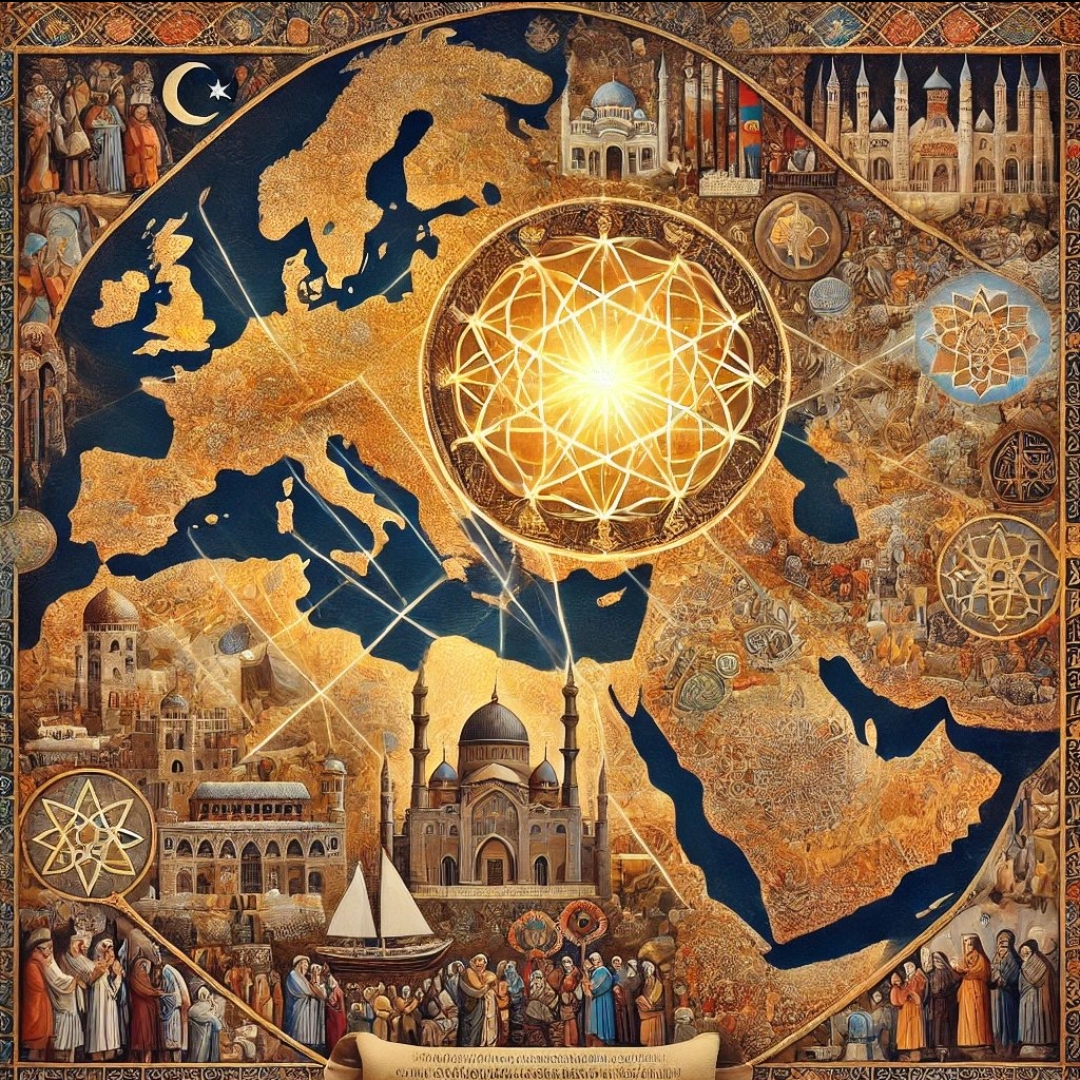
Introduction:
Do you want everyone to live in peace? Do you want each person’s language and heritage to be respected, without fear of discrimination? To achieve this vision, we must turn to history and celebrate those who accomplished the impossible. The Ottoman Empire stands as a remarkable example—no one has replicated what they achieved, except perhaps the blessed Prophet Muhammad (peace be upon him) and those who were rightly guided. The Ottomans did something extraordinary: they did not place their culture or language above others, even though they were the dominant power. Instead, they respected every culture, every religion, and allowed people to govern themselves. This is the stuff of legends, a model for those who wish to build a more peaceful and prosperous world.
We invite you to listen as we tell a story that needs to be told, one that should be celebrated.
**What Was the Secret of the Ottoman Empire’s Peace?**
The secret to the Ottoman Empire's remarkable ability to maintain peace across its vast and diverse territories lay in its unique system of governance, known as the *millet* system. This system allowed various religious and cultural communities to govern themselves according to their own laws and customs, under the overarching authority of the Ottoman state. The empire did not enforce a single cultural or religious standard upon its subjects; instead, it nurtured a pluralistic society where diversity was institutionalized and respected.
Here is a list of some of the countries, religions, and cultures that flourished under Ottoman rule:
- **Countries:**
- Greece
- Serbia
- Bosnia
- Bulgaria
- Turkey
- Egypt
- Lebanon
- Syria
- Iraq
- Palestine
- Algeria
- Tunisia
- **Religions:**
- Islam (Sunni, Shia, and various Sufi orders)
- Christianity (Eastern Orthodox, Armenian Apostolic, Catholic, Protestant)
- Judaism
- Yazidism
- Zoroastrianism
- **Cultures:**
- Arabs
- Turks
- Kurds
- Armenians
- Greeks
- Slavs
- Albanians
- Jews
- Berbers
**Do You See All the Names?**
Do you see the list? All these people, with their distinct identities, languages, and religions, lived in peace under the Ottoman Empire. They governed themselves and thrived for nearly a thousand years. This accomplishment is unparalleled in human history. If we want a bright future, we must celebrate those who achieved the impossible—those who turned the Ottoman Empire into a beacon of tolerance and coexistence. Yet, due to racism or sheer ignorance, this accomplishment is rarely celebrated. Anyone who dreams of building a better world should learn from this and recognize its significance.
With the help of AI and robots, perhaps we can replicate this system. But what system is that?
**The *Millet* System: The Turkish Model for Peaceful Coexistence**
The *millet* system, or the Turkish system, was a unique governance model that allowed different religious and ethnic communities to retain their own laws, traditions, and leadership. Each *millet* was responsible for its internal affairs, including education, legal matters, and religious practices, while remaining loyal to the Ottoman state. This decentralized approach ensured that the diverse populations within the empire could live according to their beliefs and customs, fostering a stable and harmonious society.
By embracing the principles of the *millet* system in our modern world, we could create a global society where everyone is valued, and no one is discriminated against—a society where peace and prosperity are not just ideals but realities. This is the legacy of the Ottoman Empire, and it is a legacy worth celebrating, learning from, and building upon.