
بِسْمِ اللهِ الرَّحْمٰنِ الرَّحِيمِ
Chapter 4
Managing Hypocrisy, Betrayal, and Internal Enemies
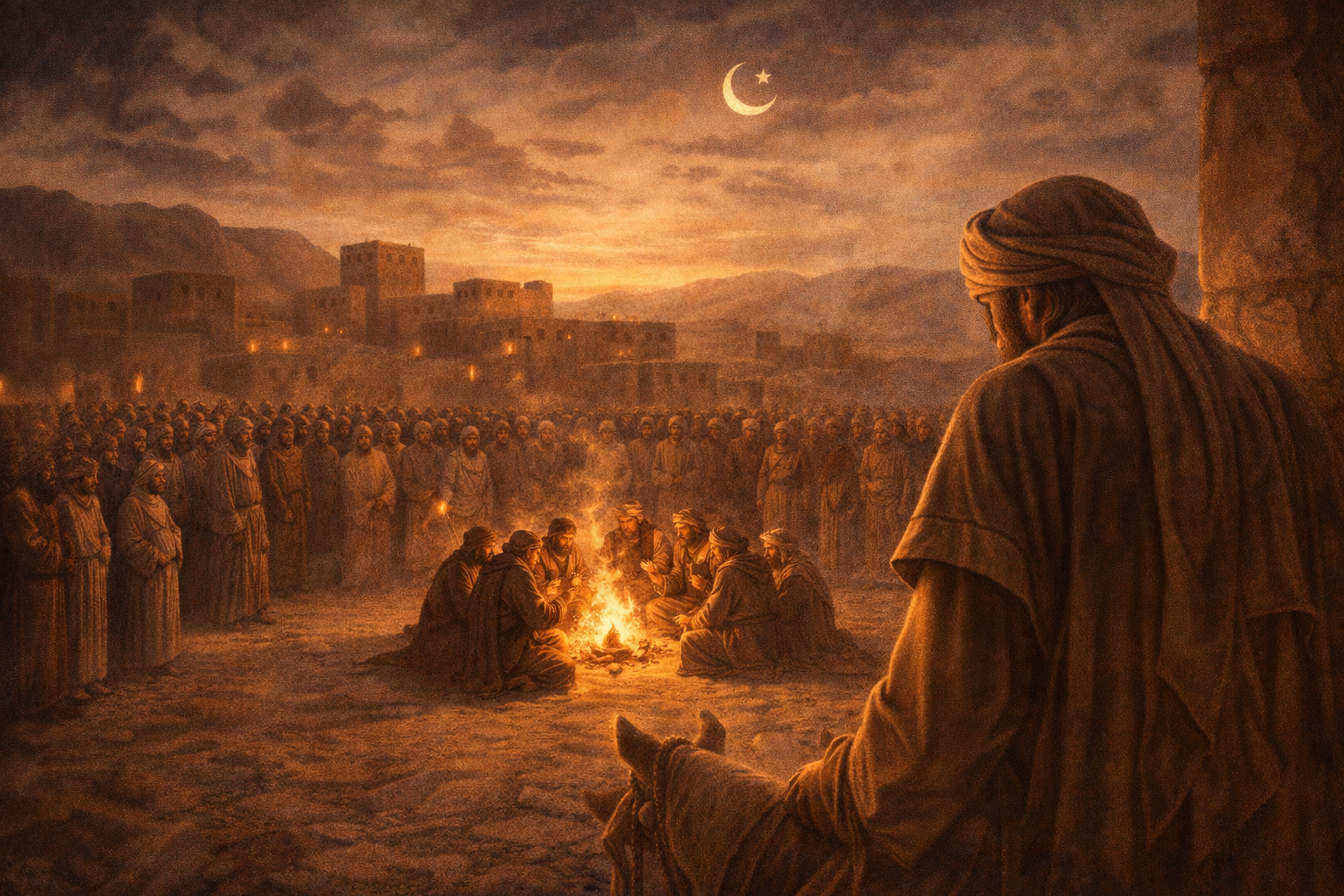
Orientation
External enemies are loud.
Internal enemies are quiet.
Most political systems collapse not because they lose wars, but because they rot from within. The smiling saboteur, the double-tongued ally, the person who speaks the language of virtue while undermining its meaning—this is the most dangerous political force in any society.
The Prophet Muhammad ﷺ faced this danger at the highest level. Not theoretically. Not symbolically. Practically. He governed a real community with real people, real egos, real ambitions, and real duplicity. And he did so without paranoia, without tyranny, and without destroying the moral fabric of the society he was building.
This chapter addresses the hardest political question of all:
How do you protect a community from internal betrayal without becoming unjust yourself?
1) Hypocrisy: A Political Reality, Not a Moral Abstraction
The Qur’an does not treat hypocrisy as a rare anomaly.
It treats it as inevitable in any moral society.
Wherever truth rises, hypocrisy gathers.
Why?
Because truth creates:
moral pressure,
social accountability,
ethical expectations.
And not everyone wants to rise to meet them.
Hypocrisy is born when a person wants:
the benefits of belonging,
without the cost of sincerity.
This is why hypocrisy is deeply political.
It is about position, not belief alone.
The hypocrite wants:
access without loyalty,
influence without sacrifice,
safety without truth.
2) Madinah: The First Society Where Hypocrisy Had Power
In Mecca, opposition was open.
In Madinah, opposition became subtle.
Once the Muslims formed a state:
Islam had authority,
community had cohesion,
law had teeth.
And suddenly, resistance changed form.
People who could not defeat the Prophet ﷺ openly tried to undermine him quietly.
This is the environment where hypocrisy thrives:
when truth wins,
but hearts remain unconvinced,
and interests feel threatened.
The Qur’an addresses this group extensively—not to spread fear, but to educate leadership.
3) Why the Prophet ﷺ Did Not “Purge” the Hypocrites
This is one of the most misunderstood political decisions in Islamic history.
The Prophet ﷺ knew who some of the hypocrites were.
He knew their intentions.
He knew their lies.
And yet—he did not execute them.
Why?
Because prophetic politics is not driven by suspicion, but by justice.
Executing people for hidden intentions:
destroys trust,
normalizes fear,
invites tyranny,
and collapses society inward.
The Prophet ﷺ understood something modern regimes often forget:
A society cannot survive if inner thoughts become crimes.
Action—not suspicion—is the threshold for justice.
4) Justice Requires Restraint More Than Force
The Prophet ﷺ did not deny the danger of hypocrisy.
He managed it.
He did so by:
limiting their influence,
exposing contradictions through truth,
strengthening sincere believers,
refusing to grant hypocrites moral authority.
This approach is subtle—and far more difficult than repression.
It requires:
patience,
emotional discipline,
long-term vision.
It also requires confidence in truth.
Insecure leadership lashes out.
Secure leadership waits.
5) Betrayal: When Allies Turn Into Threats
Betrayal hurts more than opposition.
Opposition is expected.
Betrayal wounds the soul.
The Prophet ﷺ faced betrayal from:
individuals,
tribes,
political partners.
He responded not with collective punishment, but with moral clarity.
He distinguished between:
strategic betrayal,
emotional weakness,
ignorance,
and malice.
This distinction preserved justice.
Because betrayal handled emotionally produces cycles of revenge.
Betrayal handled with principle preserves the future.
6) “Do Not Let Them Say Muhammad Kills His Own”
This single sentence explains an entire political philosophy.
The Prophet ﷺ understood optics—but not for vanity.
For social stability.
He knew that executing hypocrites would:
fracture the community,
create fear among sincere believers,
give enemies propaganda,
and undermine trust in leadership.
This is advanced political maturity.
He protected the moral credibility of leadership—even at personal cost.
7) Internal Enemies and the Discipline of the Self
Managing hypocrisy externally requires conquering arrogance internally.
The Prophet ﷺ never allowed:
personal insult,
wounded pride,
or anger
to become policy.
This is critical.
Leaders often mistake emotional relief for justice.
Prophetic politics rejects that.
Policy must never be therapy for wounded ego.
8) Why Hypocrisy Is Allowed to Exist—For a Time
The Qur’an does not promise a world without hypocrites.
It promises a world where hypocrites are exposed by consequences.
Truth does not rush exposure.
Truth outlasts falsehood.
The Prophet ﷺ trusted this process.
He understood that:
time reveals,
behavior exposes,
consistency filters sincerity.
This patience saved the community from self-destruction.
9) Family, Tribe, and the Pain of Close Betrayal
Some betrayal came from close circles.
This is where politics becomes emotionally brutal.
The Prophet ﷺ:
did not weaponize kinship,
did not excuse wrongdoing due to closeness,
did not destroy bonds out of rage.
He separated:
love from justice,
compassion from compromise,
loyalty from blind obedience.
This balance is rare—and essential.
10) The Political Genius of Not Becoming What You Fight
Many revolutions fail because they become the mirror image of what they overthrow.
The Prophet ﷺ refused that path.
He did not allow:
suspicion to become policy,
purity to become cruelty,
vigilance to become paranoia.
This restraint preserved the soul of the society.
Closing of Chapter 4
This chapter teaches a difficult truth:
Not every enemy should be crushed.
Not every threat should be confronted immediately.
Not every betrayal demands retaliation.
Sometimes the highest form of political strength is restraint.
The Prophet Muhammad ﷺ governed a society where hypocrisy existed—and refused to let it turn him into a tyrant.
He proved that:
justice without fear is possible,
leadership without paranoia is possible,
and moral authority outlasts secret sabotage.
Next Chapter
The Politics of the Self: Anger, Mercy, and Inner Governance
Because no society can be governed justly if the ruler has not first governed himself.