بِسْمِ اللهِ الرَّحْمٰنِ الرَّحِيْم
In the Name of God, Most Gracious, Most Merciful
♥️🤲🕋♥️🕋🌹🌹🥀🤲🌹🕋♥️🤲
Before the Constitution: The Story America Rarely Tells
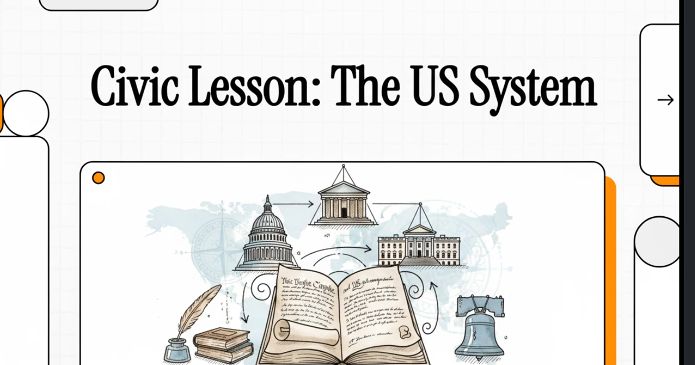
Watch "New Americans class on America " on YouTube
A civic lesson for new Americans
Welcome.
If you came to the United States recently, you are often given rules—but not history.
You are told what America is, but not why it became that way.
So let us begin at the beginning.
The Men Who Rebelled Were Not Saints — They Were Serious
The people who founded the United States were not born revolutionaries.
They were:
Farmers
Merchants
Lawyers
Landowners
Printers
Thinkers
They were British subjects.
They spoke English.
They read British law.
They believed—at first—in the British system.
What changed?
Power.
Land.
Distance.
And taxation without representation.
The First Taste of Independence
When these colonists crossed the Atlantic, they discovered something powerful:
Land without a king watching
Opportunity without inherited class
Wealth earned, not assigned by bloodline
For the first time, ordinary men tasted autonomy.
And once people taste self-rule, they do not give it up easily.
So when Britain:
Raised taxes
Controlled trade
Issued laws from across an ocean
The colonists asked a simple question:
Why should people who do not live here rule us?
That question is the seed of American democracy.
The Revolution Was Easy Compared to What Came Next
Winning the war was the easy part.
Governing was the hard part.
After independence, the new states said:
“We just escaped a powerful central government.
Let’s never build another one.”
So they created the Articles of Confederation.
The Articles of Confederation: Freedom Taken Too Far
Under the Articles:
States kept almost all power
The federal government was intentionally weak
Congress could not:
Tax
Enforce laws
Regulate trade
Raise a national army effectively
Each state acted like a small country.
This felt safe.
It felt free.
But it didn’t work.
What Went Wrong
Very quickly, problems appeared:
States fought each other economically
Debts from the war went unpaid
Soldiers were not compensated
Foreign nations did not take America seriously
The government could not respond to crises
Freedom without structure became chaos.
And the founders realized something profound:
Liberty without order collapses.
Order without liberty becomes tyranny.
They needed balance.
The Constitutional Convention: A Second Revolution
So in 1787, these same men gathered again—not to fight a king, but to fight their own mistakes.
This is important.
They were not afraid to admit they were wrong.
They debated:
How much power government should have
Who should control it
How to prevent corruption
How to stop any one group from dominating
They distrusted:
Kings
Crowds
Congress
Wealth
Permanence
And so they designed a system built on temporary power and divided authority.
That system became the United States Constitution.
Why This Matters to You
This history teaches three core lessons every new American should know:
1. America Was Built by Skeptics
The founders trusted no one completely—not even themselves.
2. Power Was Meant to Be Temporary
Authority was designed to appear, act, and disappear.
3. Judgment Mattered More Than Popularity
They valued informed decision-making, not mob emotion.
This is why they created:
Independent courts
A divided Congress
And yes—electors
Not to deny the people power—but to protect it from corruption.
Why Immigrants Must Know This Story
If you do not know:
Why systems were created
What problems they were solving
What was meant to be temporary
What was meant to be independent
Then you cannot tell when something has drifted.
History is not nostalgia.
History is diagnosis.
And before a nation can repair itself, it must remember what it was trying to build in the first place.
Closing Thought
America did not begin as a perfect democracy.
It began as a serious experiment—designed by people who understood:
Human ambition
Human greed
Human brilliance
Human failure
They did not trust angels.
They planned for flawed humans.
That is the story immigrants deserve to hear.
And it is the foundation for any honest conversation about how democracy can be restored—not reinvented, but realigned with its original purpose.