

بِسْمِ اللهِ الرَّحْمٰنِ الرَّحِيْم.
The Art of Rhetoric: A Leader’s Greatest Tool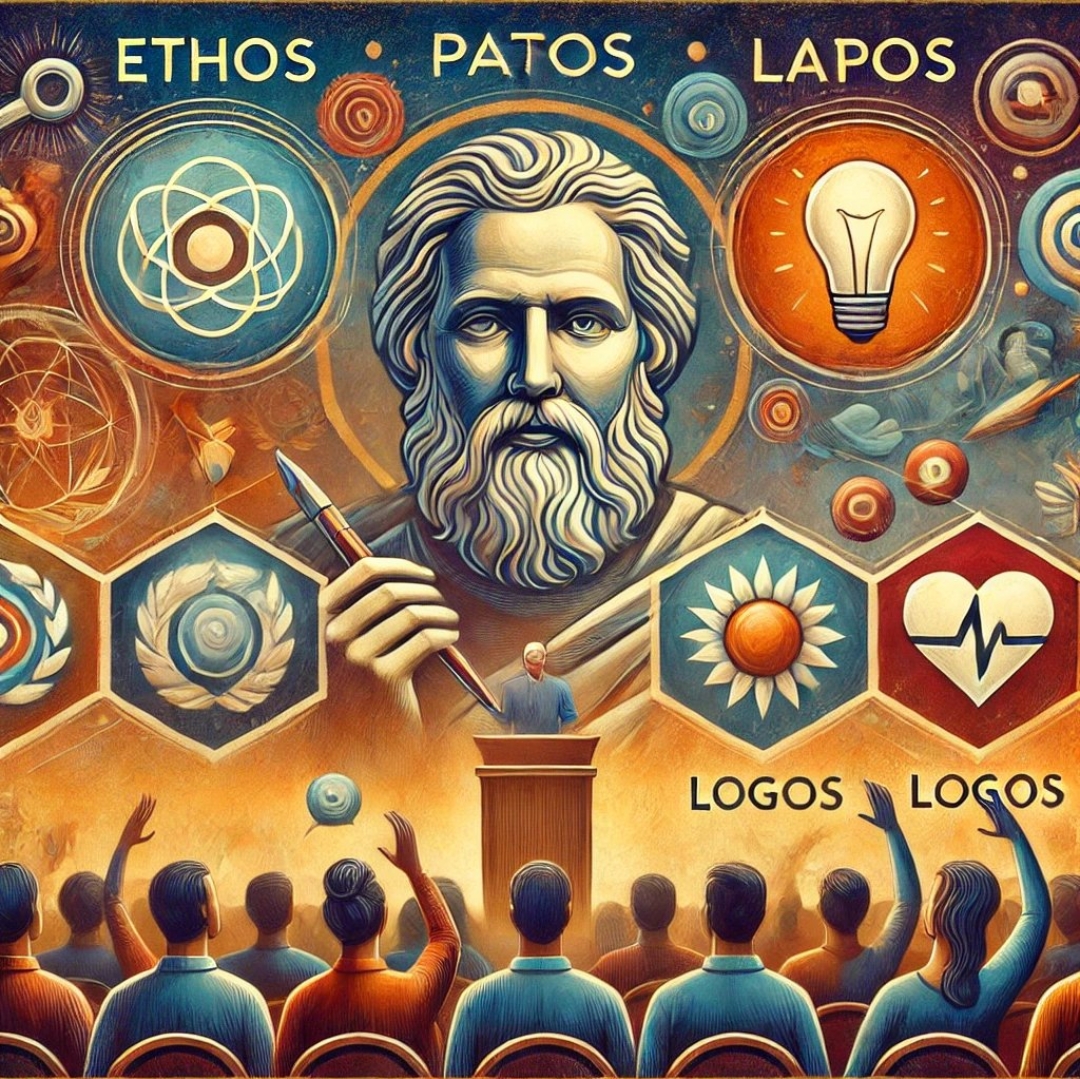 A Leader’s Greatest Tool
Rhetoric is one of the oldest and most powerful tools in the arsenal of any effective leader. It is the art of persuasion, the skill of choosing words in such a way that they influence and inspire people to take action, to believe, or to change. Understanding rhetoric isn't just an intellectual exercise—it's a vital component in shaping public opinion, fostering unity, and leading nations.
Rhetoric is often built on three key elements: ethos (credibility), pathos (emotional appeal), and logos (logical argument). The greatest leaders know how to balance these elements to connect with their audience. Ethos establishes trust and authority—if a leader cannot prove that they are trustworthy, people will not listen. Pathos allows leaders to connect on an emotional level, tapping into hopes, fears, and desires. Logos, finally, appeals to reason, providing arguments that make sense and are logically sound.
Consider historical figures like Winston Churchill, whose words rallied the British people during World War II. He drew upon ethos by embodying leadership and courage, used pathos to evoke the spirit of resilience in his countrymen, and employed logos in explaining the dire realities they faced. This combination made his speeches unforgettable, uniting a nation during its darkest times.
On the other hand, rhetoric can also be a dangerous tool. Leaders who use it to manipulate, to incite hatred, or to serve selfish ends have historically caused enormous harm. Propaganda and demagoguery show the dark side of rhetoric—how it can be twisted to control rather than inspire. The difference between a great leader and a tyrant often lies in how they wield the power of rhetoric: whether to uplift and unify, or to oppress and divide.
The significance of rhetoric lies not only in the words used but also in the delivery. The tone of voice, body language, timing, and the audience itself all play a crucial role in determining how effectively a message is conveyed. Great leaders understand this; they know how to adapt their message depending on their audience—whether addressing a crowd of thousands or a single individual.
In today’s world, with social media and information overload, rhetoric is more important than ever. Leaders must be able to rise above the noise, speak clearly, and connect meaningfully. This is a skill that, unfortunately, many modern leaders lack, leading to confusion, division, and a lack of direction. It is time to revalue the importance of rhetoric—not just for politicians but for anyone in a position of influence.
The next articles in this series will explore real examples of how the greatest leaders have mastered rhetoric, how this skill can be taught, and why it remains crucial in addressing the challenges of our time. Let us remember that words have the power to heal or harm, to unite or divide, and that a true leader understands this responsibility.