

When people talk about confidence, appearance is often one of the first things that comes to mind. A fit body, clear skin, an attractive face, fashionable clothes, or a certain body shape can sometimes be associated with being confident.
Social media has made this connection even stronger. Every day, we are surrounded by carefully selected photos, beauty trends, fitness transformations, and images of people who seem to have everything together. Over time, it can become easy to believe that looking a certain way is necessary to feel good about ourselves.
But confidence is much more complicated than appearance.
A person can look attractive and still struggle with insecurity. Another person may not fit conventional beauty standards and yet feel comfortable, capable, and confident. This is because genuine confidence is not simply about how other people see us. It is largely about how we see ourselves.
Confidence Starts With Self-Acceptance
Confidence does not mean believing that you are perfect. Instead, it can mean being comfortable with the fact that you have strengths, weaknesses, imperfections, and areas that are still developing.
Self-acceptance allows you to stop treating every perceived flaw as something that needs to be fixed.
For example, someone may feel insecure about their height, body shape, skin, or physical features. If they constantly compare themselves with other people, these concerns can become much bigger than they actually are.
A healthier approach is to recognize that appearance is only one aspect of identity.
Your personality, values, communication skills, experiences, talents, relationships, and ability to overcome difficult situations all contribute to who you are. None of these qualities can be measured by looking in a mirror.
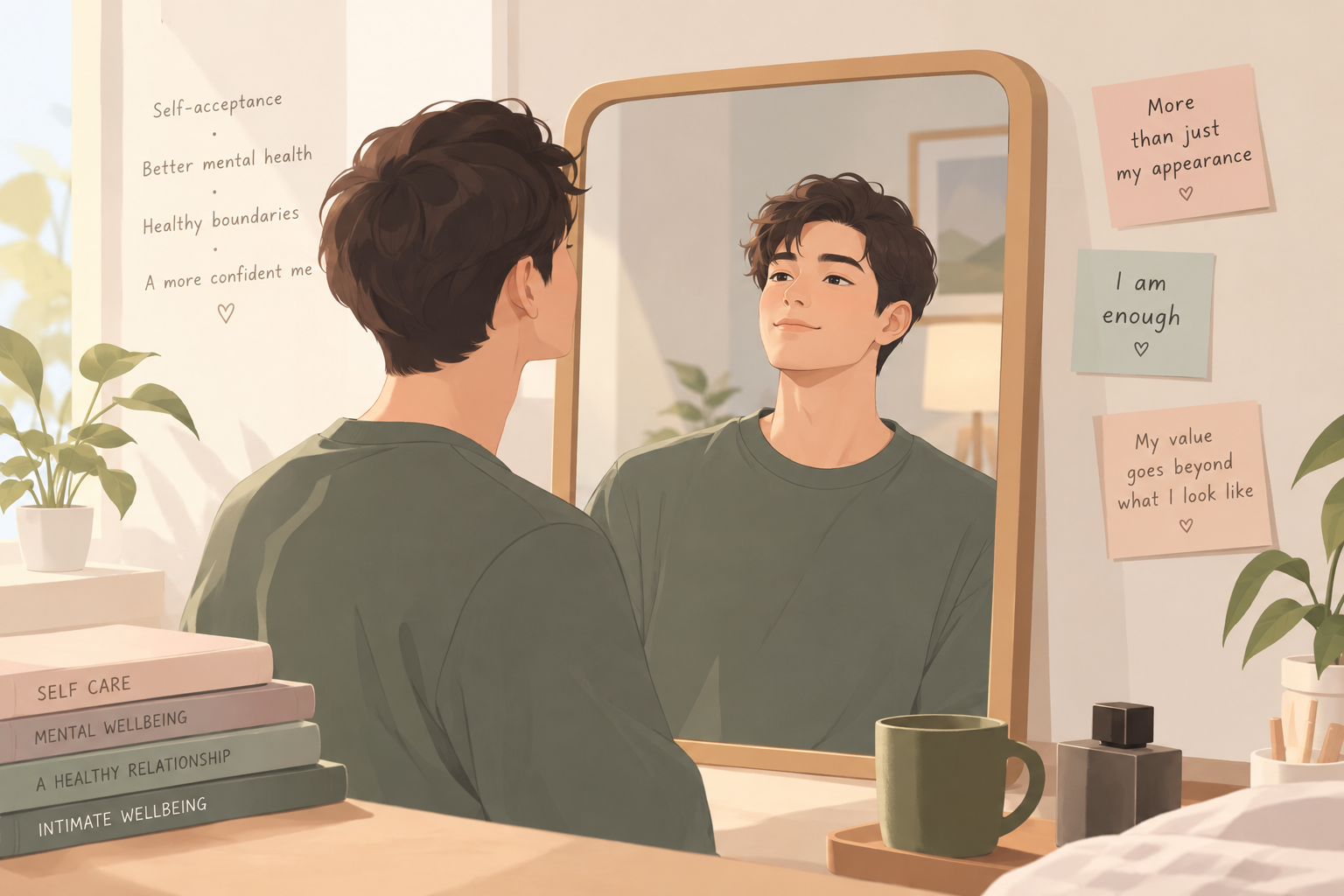
Your Body Is More Than Its Appearance
The human body naturally changes throughout life.
Weight can fluctuate. Skin can change. Muscle tone can develop or decrease. Energy levels can be different from one period of life to another. These changes are normal, yet many people interpret them as signs that they are becoming less attractive or less valuable.
Instead of viewing the body as something that must constantly meet an ideal standard, it can be helpful to appreciate it for what it allows you to experience.
Your body helps you move, work, rest, communicate, explore, connect with others, and experience everyday life.
This perspective can create a healthier relationship with your appearance. Rather than asking, “Do I look good enough?” you can sometimes ask, “Do I feel comfortable in my body?” or “Am I taking care of myself in a way that feels healthy?”
Those questions shift the focus from external approval toward personal wellbeing.
Stop Measuring Yourself Against Someone Else
Comparison is one of the easiest ways to undermine confidence.
Social media can make this particularly difficult because people usually share selected moments rather than their entire reality. A photograph may show someone's best appearance, happiest moment, or most carefully chosen angle. Comparing that image with your everyday life creates an unfair standard.
Instead of asking why you do not look like someone else, consider what makes you uniquely yourself.
Confidence grows when you stop trying to become another person and start understanding your own strengths.
This does not mean that you cannot admire other people or have goals for yourself. Improving your appearance, exercising, changing your hairstyle, or developing a personal style can all be positive choices—as long as they come from self-care rather than self-rejection.
Confidence Can Come From Personal Boundaries
Another important but often overlooked part of confidence is knowing your boundaries.
Being able to say no when something makes you uncomfortable is a form of confidence. Expressing your preferences is confidence. Asking for respect is confidence. Leaving situations that repeatedly make you feel unsafe or undervalued can also be an expression of self-respect.
These qualities have little to do with physical appearance.
In romantic and intimate relationships, this becomes particularly important. Feeling confident does not mean looking perfect for your partner. It can mean feeling comfortable enough to communicate your needs, discuss boundaries, and be honest about what makes you feel emotionally and physically comfortable.
A healthy relationship should not require someone to constantly prove that they are attractive enough to deserve affection.
Intimate Confidence Is Not Just About Physical Appearance
Many people experience insecurity about their bodies in private relationships. They may worry about whether they look attractive enough, whether their body is “normal,” or whether they meet their partner's expectations.
These concerns can make intimacy feel stressful rather than enjoyable.
Building intimate confidence starts with understanding that there is no single appearance that defines whether someone is worthy of affection or connection.
It can involve becoming more familiar with your own body, understanding your preferences, paying attention to comfort, and creating an environment where personal wellbeing comes before unrealistic expectations.
For those interested in self-exploration, personal care, and intimate wellbeing, resources such as Oichin can be one place to learn more about personal products and ways of understanding individual preferences.
The important point is not to use any product or external solution as a measure of personal worth. The purpose should always be comfort, self-awareness, and making choices that feel appropriate for you.
Build Confidence Through Small Everyday Actions
Confidence does not have to appear suddenly.
It can develop through small habits: keeping promises to yourself, taking care of your body, learning a new skill, speaking honestly, setting healthy boundaries, spending time with supportive people, or simply allowing yourself to make mistakes without harsh self-judgment.
Each small action can reinforce the idea that you can trust yourself.
Over time, this internal sense of trust can become much more stable than confidence based purely on compliments or appearance.
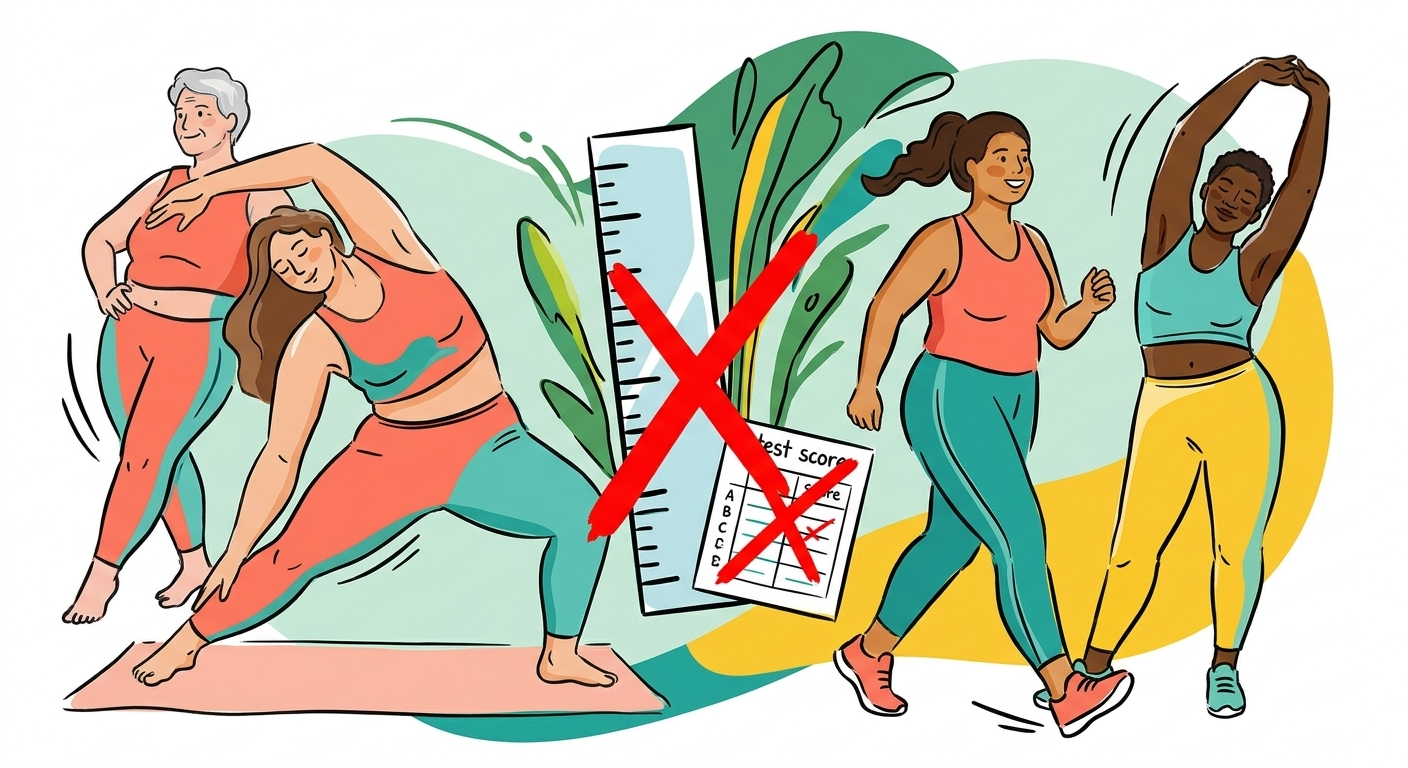
Confidence Should Grow With You
Appearance will naturally change throughout life. Trying to prevent every change can become exhausting, especially when beauty standards themselves continue to change.
A more sustainable form of confidence comes from recognizing that your value does not disappear when your appearance changes.
You can care about how you look without allowing your appearance to define you.
You can want to improve yourself without believing that your current self is inadequate.
And you can appreciate your body without expecting it to look perfect every day.
Ultimately, confidence is not about convincing everyone that you are attractive. It is about developing enough self-understanding to know that your worth is much greater than your appearance.
When you learn to respect yourself, communicate your needs, accept natural changes, and recognize your own strengths, confidence becomes something that comes from within rather than something you have to constantly earn from other people's approval.