

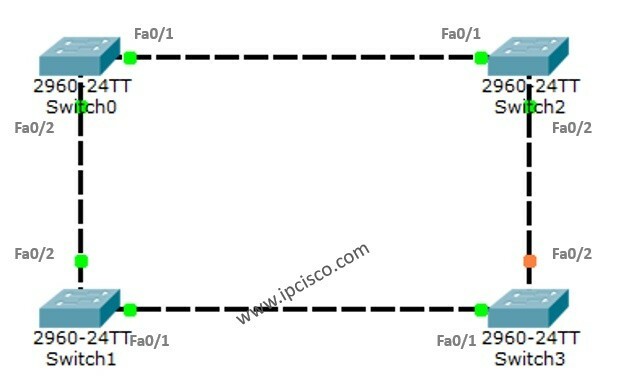
In the realm of networking, ensuring network reliability and redundancy is crucial. Spanning Tree Protocol (STP) stands as a foundational technology for achieving these goals. IPCisco, your trusted source for networking knowledge, is here to guide you through the intricacies of stp packet tracer, empowering you to build resilient network infrastructures.
Understanding STP in Packet Tracer
Before we delve into STP configuration, let's establish a clear understanding of the key components:
STP (Spanning Tree Protocol): STP is a network protocol that prevents loops in Ethernet networks by dynamically disabling and enabling specific bridge interfaces. This protocol ensures network redundancy while preventing broadcast storms and network failures.
Packet Tracer: Cisco Packet Tracer is a versatile network simulation tool that allows you to design, configure, and troubleshoot network topologies. It's a valuable platform for learning and practicing networking concepts.
The Significance of STP in Networking
STP plays a crucial role in network design and management for several reasons:
Loop Prevention: STP prevents the formation of broadcast storms and network loops, ensuring network stability.
Redundancy: It allows for network redundancy by selectively blocking interfaces to create a loop-free topology while keeping backup paths.
High Availability: STP ensures that network devices can quickly recover from link or switch failures, maintaining high network availability.
Configuring STP in Packet Tracer with IPCisco
At IPCisco, we offer comprehensive guidance on configuring STP in Packet Tracer. Here's how we can assist you:
Step-by-Step Tutorials: Our detailed tutorials provide step-by-step instructions for configuring STP in Packet Tracer, ensuring you understand the configuration process thoroughly.
Real-world Scenarios: We provide practical use cases and examples to illustrate how STP is applied in actual networking scenarios.
Community Interaction: Join the IPCisco community to connect with networking enthusiasts, share knowledge, and seek guidance on STP configuration and other networking topics.
Conclusion
Mastering STP in Packet Tracer is a valuable skill for network administrators and engineers. STP ensures network reliability, redundancy, and stability, making it an essential technology for building robust network infrastructures.
Let IPCisco be your guide in configuring STP in Packet Tracer. Visit our website today to access comprehensive resources and elevate your networking knowledge.