
The 6th global mass extinction is underway.
Warning: This reading may be disturbing for those who genuinely care about our planet and the future of life on Earth.
Wildlife populations have declined by nearly 70% over the past half-century, and scientists desperately ring all the best about upcoming consequences — imminent and profoundly devastating.
According to a disturbing report, Homo sapiens crossed the sustainability threshold of the modern way of life around 1970, when the world’s population reached 3.5 billion people. Humans had already occupied more than 70% of the planet’s land and 70% of its freshwater resources.
Today, there are more than 8 billion people on Earth, and before long they will destroy what little space remains for wild animals and plants, it says. An overwhelming majority of scientists believe humanity has triggered the sixth mass extinction, which is already underway.
In an interview with the American television channel CBS News, experts and researchers from various scientific fields spoke of a true apocalypse caused by humanity’s takeover of what remains of wildlife habitats.
“The Earth is suffering a mass extinction crisis on a scale unseen since the age of the dinosaurs,” states the report by the World Wildlife Fund (WWF).
Life on Earth has experienced five mass extinctions, each of which wiped out more than 75% of known species. The last global extinction occurred 66 million years ago, when an asteroid erased the dinosaurs from the face of the planet.
Sawing Off the Branch Beneath Our Feet
Unlike past apocalyptic events, the current annihilation of plants and animals has been caused exclusively by the activities of a single species — humans. Our species has polluted the soil, atmosphere, and waters, overexploited resources, destroyed habitats, and altered the planet’s climate.
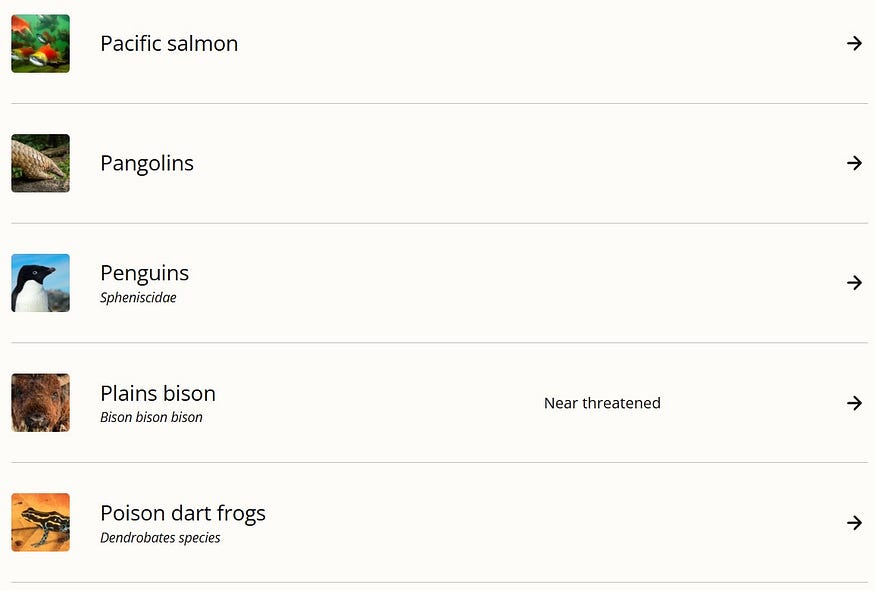
One example cited is the area off the coast of the U.S. state of Washington, which 30 years ago generated more than $200 million annually from salmon fishing alone. In 1991, only one salmon species in the Salish Sea was endangered; today, at least 14 salmon species are at risk of becoming extinct.
As a result, commercial salmon fishing is currently banned in the Salish Sea. The ban has left thousands of fishermen, transport workers, logistics specialists, and fish processors without jobs, forcing them to learn new professions and adapt to a different way of life.
Stanford University biology professor Paul Ehrlich, who passed away last March at almost 93, believed there were too many people in the world, consuming too much and obsessed with economic growth.
“Humanity is not sustainable. To continue our current way of life, we would need five more Earths. I have no idea how we’re going to manage with just one… We are sitting on a branch that we are sawing off with our own hands,” Ehrlich said.
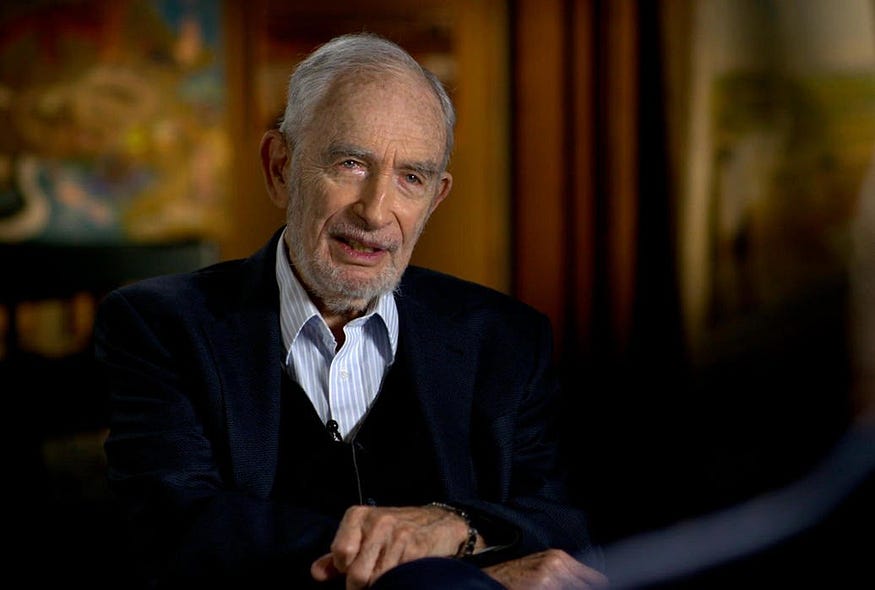 Paul Ehrlich. Screenshot CBSNews
Ehrlich published the bestseller The Population Bomb in 1968, in which he predicted the collapse of nature. Over several decades, he repeatedly warned about global famine and planetary warming.
Another biologist from Stanford, Tony Barnosky, conducted a study on the extinction rate of wild flora and fauna. According to the findings, cited by WWF, the rate at which wild animals and plants are disappearing today is 100 times higher than at any other period in the past 4 billion years. Three-quarters of what we see today will no longer exist.
Barnosky’s wife, biologist Liz Hadly, warned that California, for example, faced an acute water shortage. As natural reservoirs dry up, fish die, followed by the birds and mammals that feed on them. At the same time, forested areas are shrinking and cannot be restored.
“What comes next will be silence… catastrophic events, because everything is happening very quickly,” Hadly said.
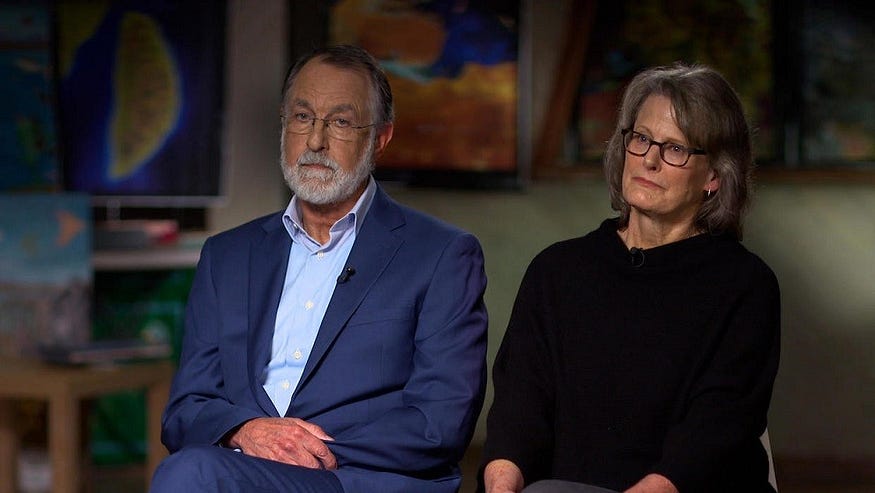 Tony Barnovsky and Liz Hadly. Screenshot CBSNews
The most severe destruction is occurring in Latin America, where wildlife populations have declined by 94% since 1970. The Amazon rainforest, often called the “lungs of the planet,” is being relentlessly cleared for commercial purposes, and its disappearance is shrinking the habitat of thousands of animal and plant species.
Every minute, the planet loses an area of forest equivalent to 27 football fields, the WWF report concludes.
Political elites hear nothing, see nothing
Scientists complain that politicians are deaf to calls for action on climate change and ignore research findings on the consequences of habitat destruction. None of the commitments made at international conferences on environmental conservation have been fully honored while some measures are being rolled back.
World leaders have shown little political will to address the environmental issues.
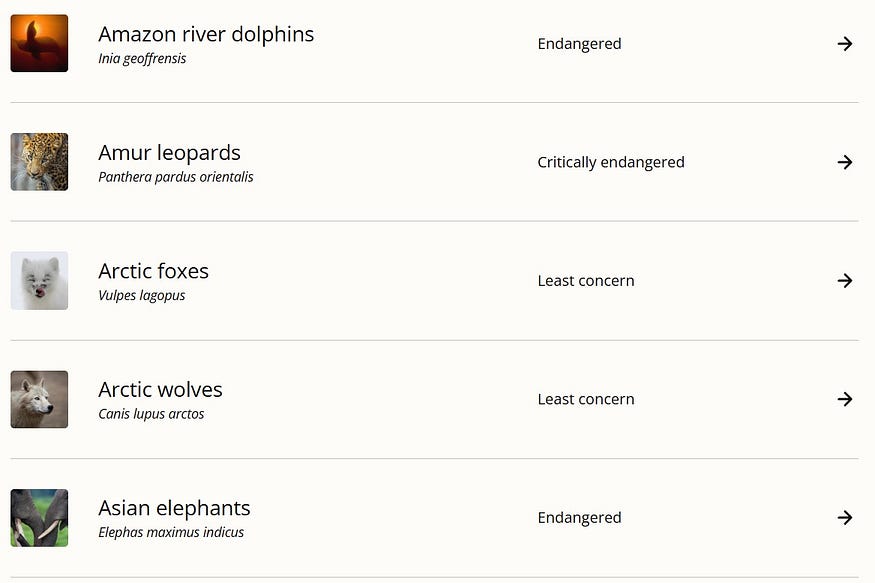
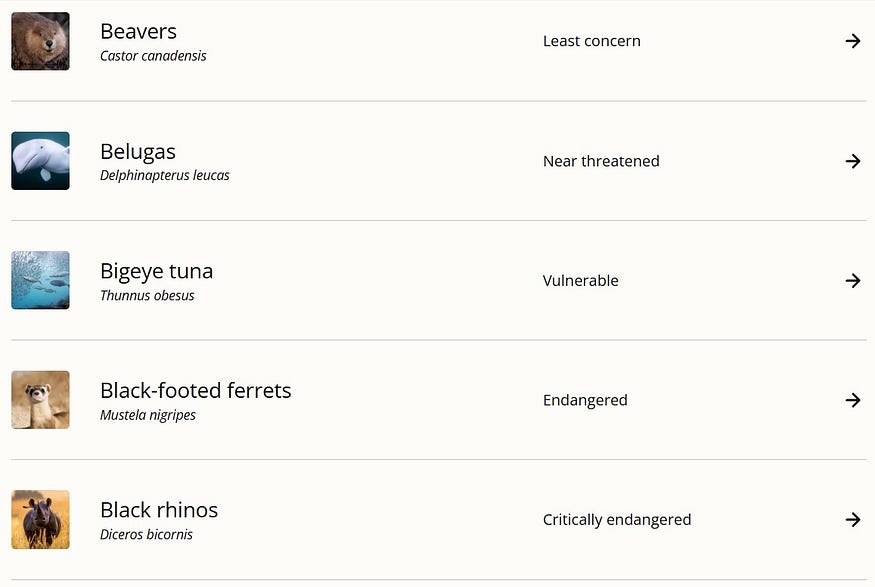
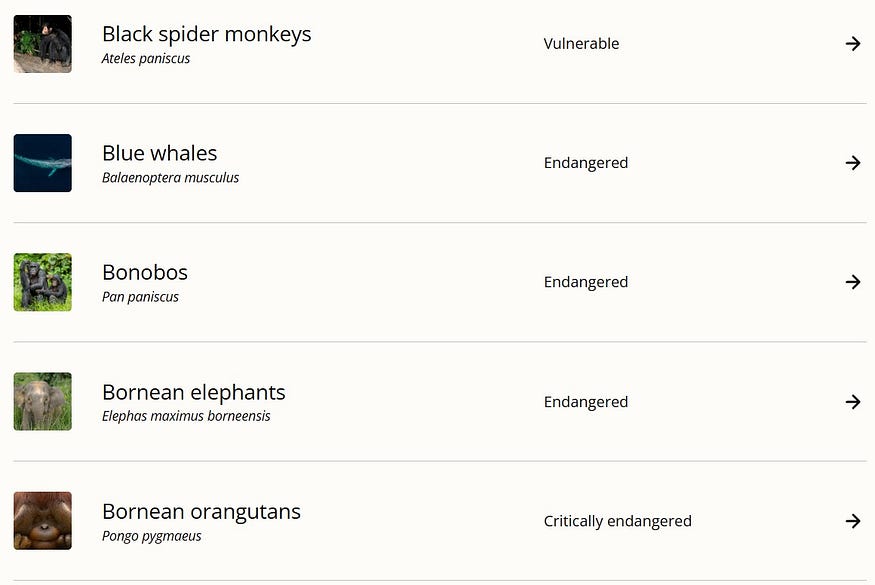
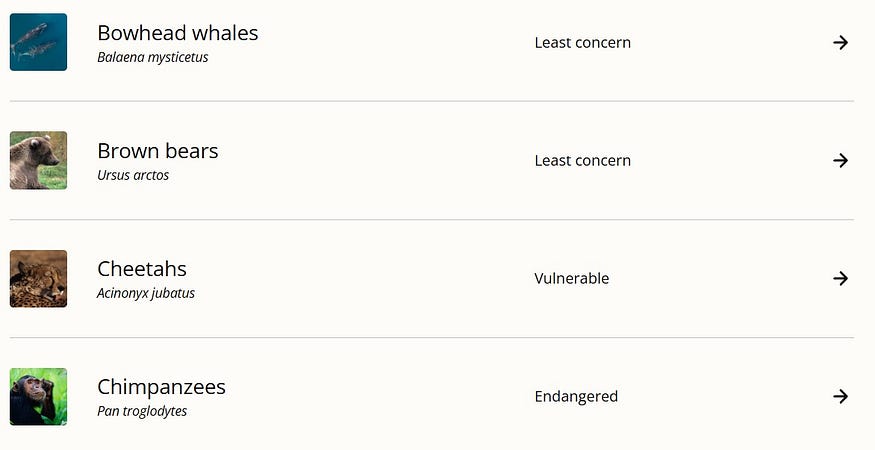
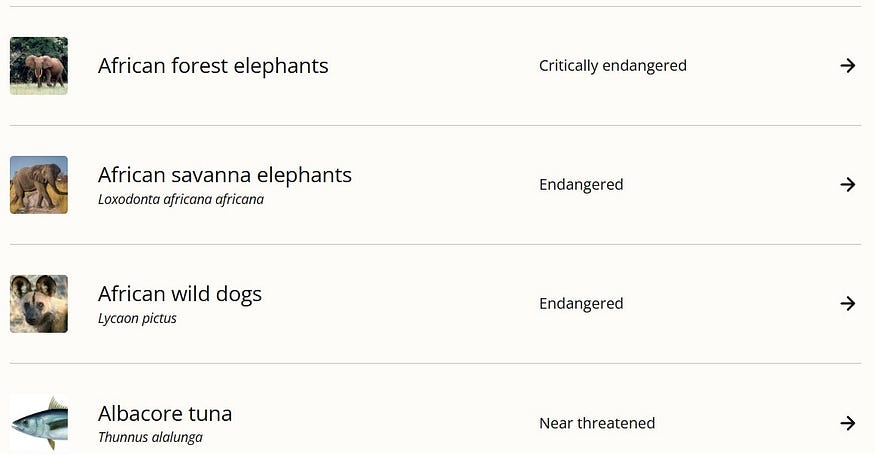
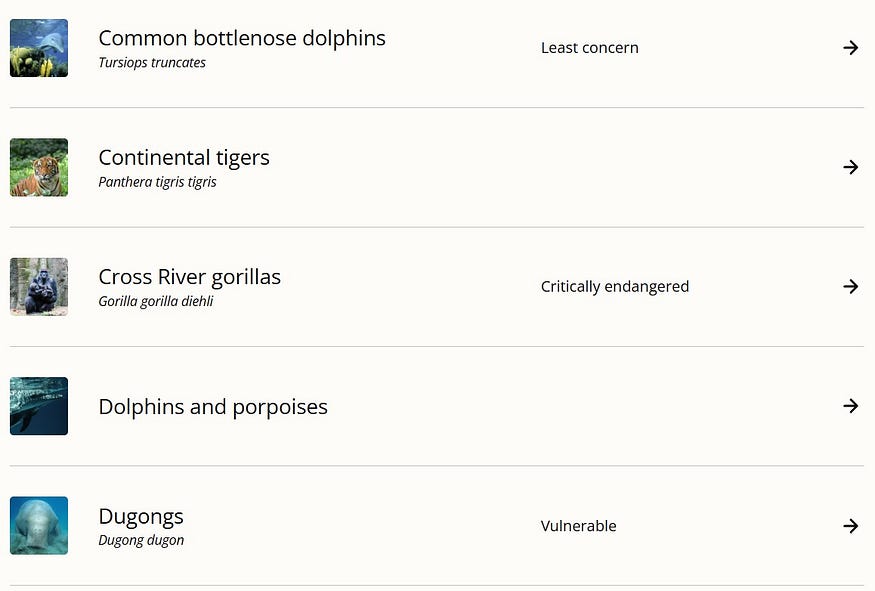
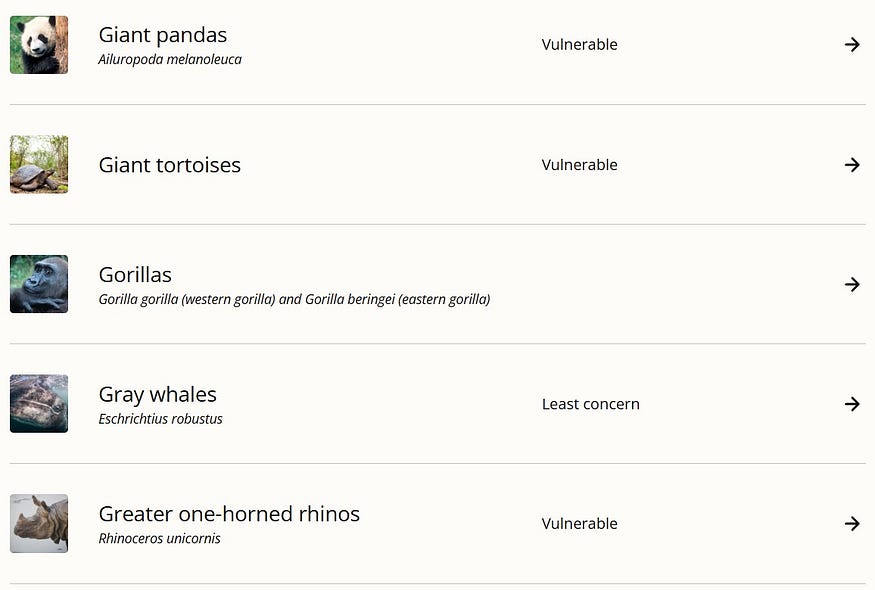
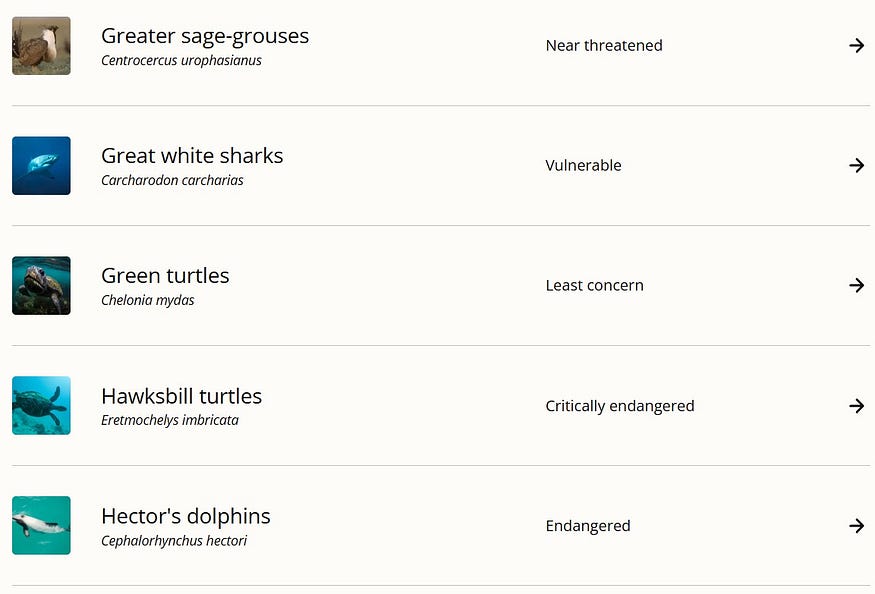
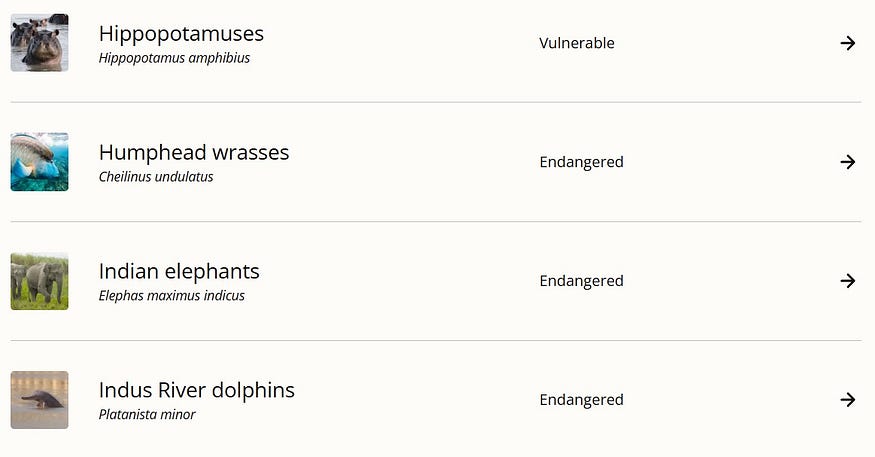
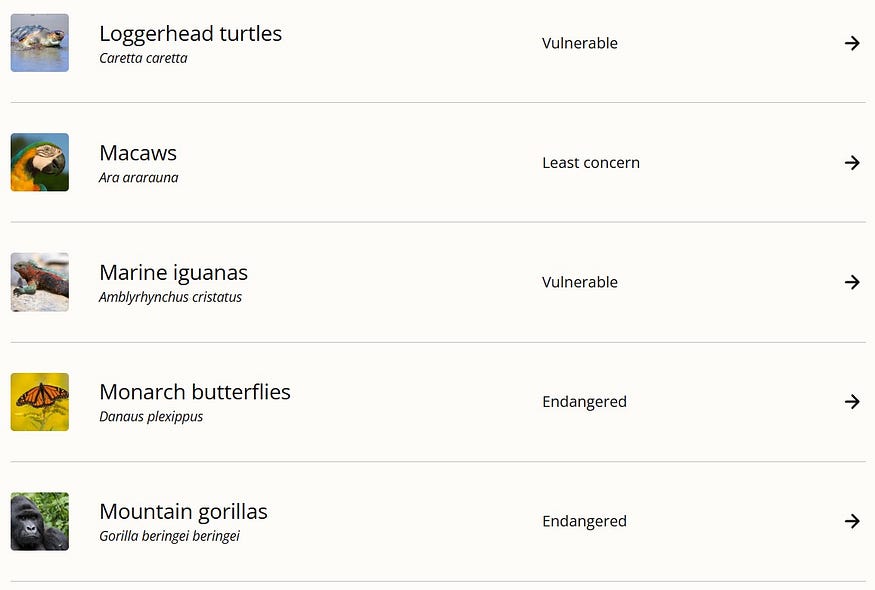
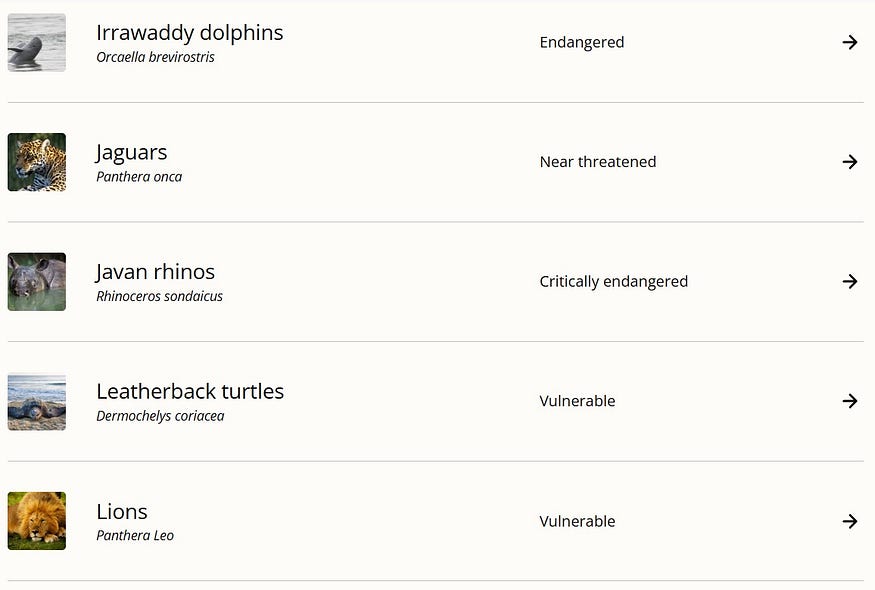
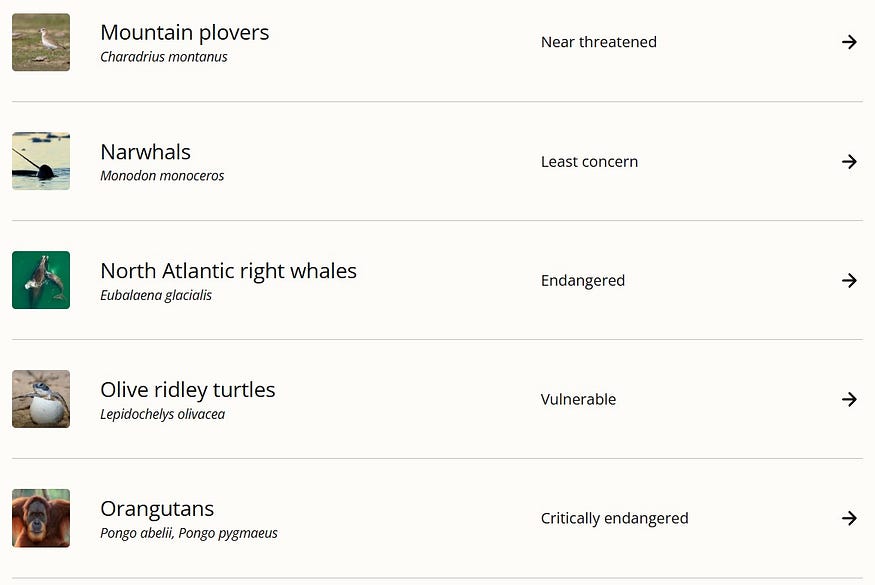
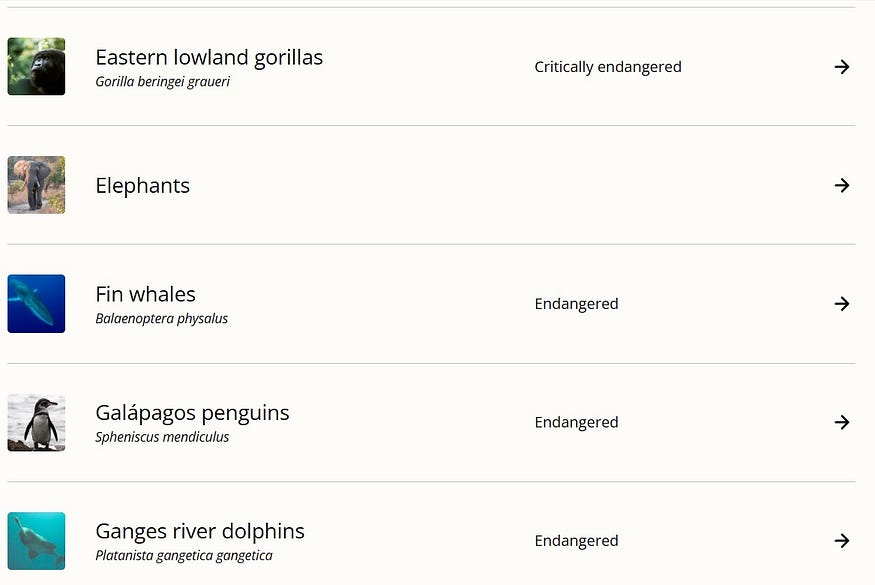
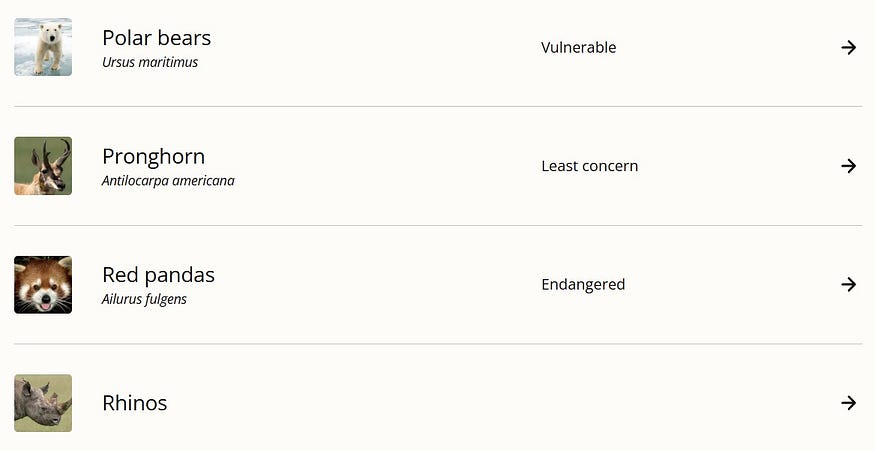
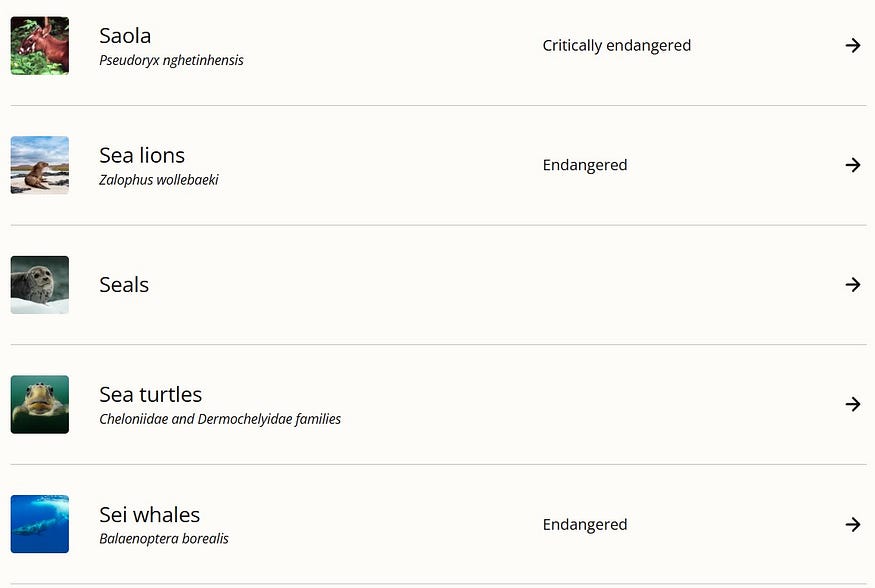
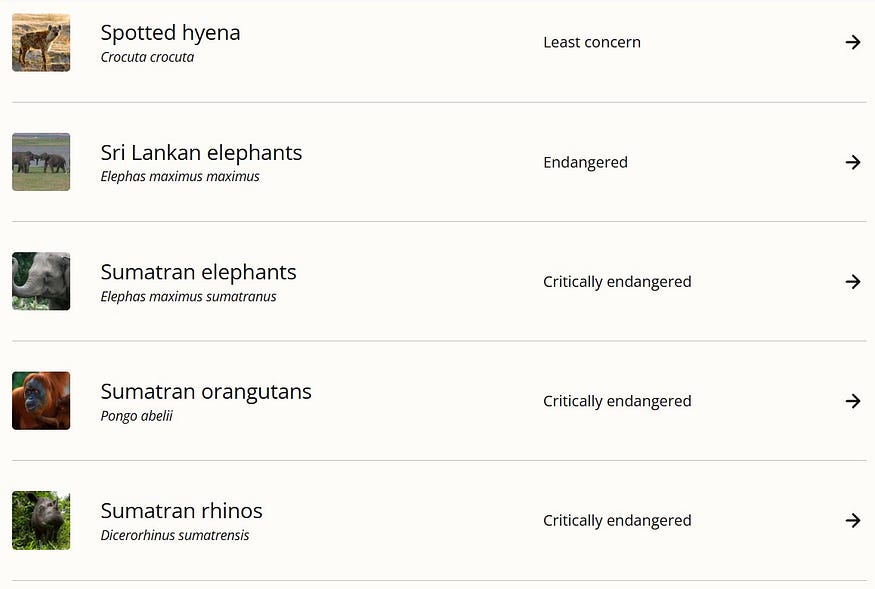
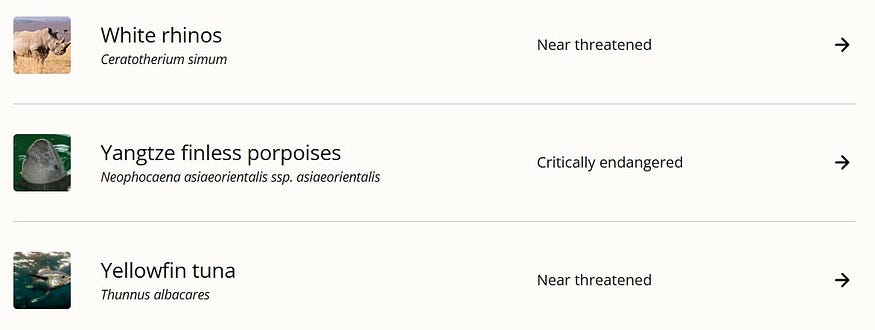
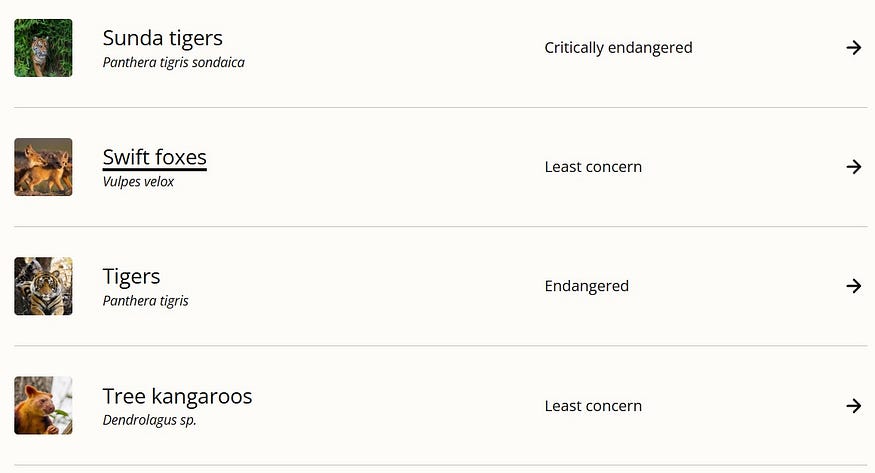
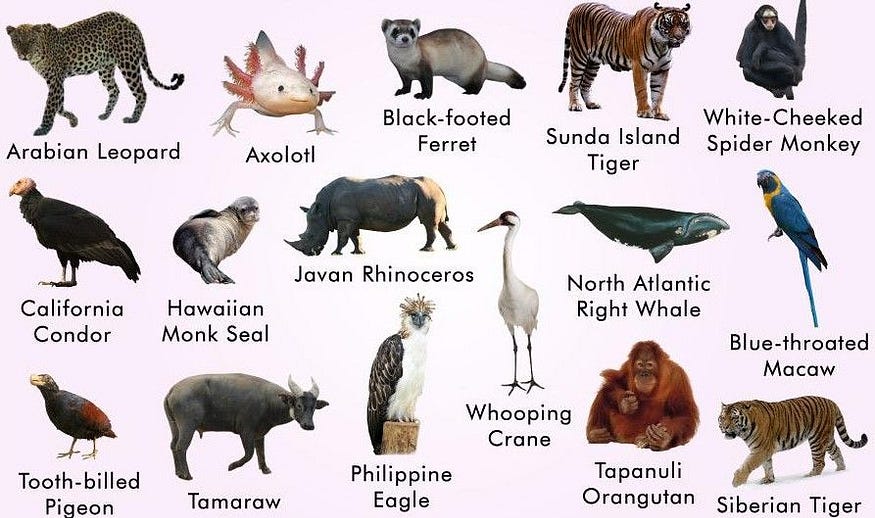
They predict that, unless necessary steps are taken, within the next 20 to 30 years the world may lose polar bears, mountain gorillas, tigers, Asian elephants, Javan rhinos, Amur leopards, dodo birds, snake-necked turtles, bluefin tuna, oceanic sharks, river dolphins, many species of bees, and corals.
In total, nearly 32,000 species of mammals, birds, fish, reptiles, and amphibians could disappear entirely in the near future.
Considering that humanity consumes 175% of the resources that Earth can regenerate, Ehrlich anticipated that within no more than 40 years, human civilization as we know it today could collapse.
The WWF’s 2022 report can be downloaded here.
Everyone is encouraged to donate to the World Wildlife Fund to support its efforts to protect endangered species.
Check out the list of species we’d probably have to say goodbye during our lifetime.