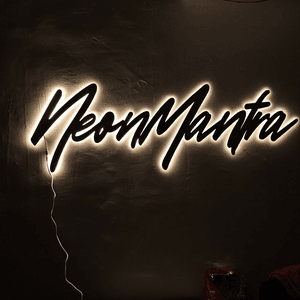
Lighting has always played an important role in decoration, branding, entertainment, and interior design. Traditional neon signs have been used for decades to create bright, recognizable displays for businesses, restaurants, shops, and entertainment venues. However, modern lighting technology has introduced new options that provide similar visual appeal with greater flexibility in design and application.
One increasingly popular option is Custom Neon Lights. These illuminated signs allow users to create personalized designs based on names, phrases, logos, symbols, artwork, or specific shapes. Modern Neon Lights can be used in homes, offices, restaurants, cafes, retail stores, gaming rooms, events, and many other spaces.
Although both traditional neon signs and modern customized lighting can create an eye-catching glow, they differ in construction, design flexibility, maintenance requirements, installation, and customization possibilities.
Understanding these differences can help you determine which type of lighting is more suitable for your needs.
What Are Traditional Neon Lights?
Traditional neon signs generally use glass tubes filled with gas. When electricity passes through the gas inside the tube, it produces a characteristic illuminated glow.
The glass tubes are carefully shaped to create letters, symbols, or designs. Different gases and colored glass can be used to achieve different visual effects.
Traditional neon has been particularly popular for:
Storefront signs
Restaurant signs
Bars
Theaters
Hotels
Advertising displays
Entertainment venues
Its distinctive glow has made it an iconic part of commercial signage and urban environments.
What Are Custom Neon Lights?
Custom Neon Lights are personalized illuminated signs created according to a particular design.
Modern versions are often LED-based and use flexible lighting materials to reproduce the appearance of traditional neon.
Instead of relying on rigid glass tubes, LED-based Neon Lights can use flexible components that make it easier to create customized shapes and lettering.
Depending on the manufacturer, customers may be able to customize:
Text
Names
Logos
Symbols
Shapes
Colors
Dimensions
Mounting options
This flexibility makes Custom Neon Lights attractive for both personal and commercial decoration.
1. Difference in Construction
One of the most important differences is construction.
Traditional neon signs typically use glass tubes that are shaped into the desired design and filled with gas.
Modern Custom Neon Lights often use LED-based flexible tubing or similar lighting technology mounted onto a backing material.
This difference in construction can affect:
Weight
Flexibility
Durability
Installation
Maintenance
The exact specifications depend on the manufacturer and product design.
2. Greater Design Flexibility
Traditional neon signs can certainly be customized, but shaping glass tubes into complex designs can require specialized craftsmanship.
Custom Neon Lights made with flexible LED technology can generally provide greater flexibility for creating different shapes and designs.
You can create:
Names
Quotes
Logos
Simple illustrations
Symbols
Decorative outlines
This makes them particularly suitable for personalized interior decoration.
3. Personalization
Personalization is one of the strongest advantages of Custom Neon Lights.
Instead of selecting a standard sign, users can create something specifically for their space.
For example, a homeowner could choose a family name or inspirational quote. A gaming enthusiast could select a gamer name or gaming symbol. A business could use its logo or brand message.
Traditional neon can also be custom-made, but modern customization processes can make personalized LED designs more accessible for a wider range of applications.
4. Weight and Installation
Traditional glass neon signs can be relatively heavy because they use glass tubing and associated components.
Modern LED Neon Lights can often be lighter, depending on their size and backing material.
This can make installation more convenient for certain indoor applications.
However, large signs may still require appropriate mounting hardware and professional installation.
Before installing any sign, check the manufacturer's recommendations regarding wall type, mounting method, electrical connection, and weight.
5. Durability Considerations
Glass is inherently fragile.
Traditional neon signs can be damaged if the glass tubes are struck or handled improperly.
LED-based Custom Neon Lights generally do not rely on fragile glass tubes, which can make them more suitable for many residential and commercial environments.
However, durability depends on the quality of the materials, construction, installation, and usage conditions.
A well-made product can provide reliable performance, but buyers should still follow the manufacturer's handling and maintenance instructions.
6. Energy Efficiency
Energy consumption is another factor buyers may consider.
Modern LED-based Neon Lights are generally designed to operate using LEDs, which can provide an energy-efficient lighting solution compared with many traditional lighting technologies.
The actual power consumption depends on the size, brightness, design, and electrical specifications of the product.
Before purchasing, review the manufacturer's stated wattage and operating requirements if energy usage is an important consideration.
7. Color Options
Traditional neon signs can create a wide variety of colors through gas combinations and colored glass.
Modern Custom Neon Lights can also offer numerous color choices using LED technology.
Depending on the product, customers may be able to choose:
White
Blue
Pink
Red
Green
Purple
Yellow
Orange
Some products may also provide adjustable or multi-color effects.
The available options depend on the manufacturer.
8. Maintenance Requirements
Traditional neon signs may require specialized maintenance because of their glass tubes, transformers, and gas-filled components.
If a glass tube breaks or an electrical component fails, professional repair may be necessary.
Modern LED Neon Lights can have simpler maintenance requirements because they do not use gas-filled glass tubes.
Routine maintenance generally involves keeping the sign clean and checking visible electrical components.
Always follow the manufacturer's specific maintenance instructions.
9. Safety Considerations
Both traditional neon signs and modern Custom Neon Lights require appropriate electrical installation and responsible use.
Traditional neon systems can operate at high voltages, depending on their design and power supply.
Modern LED signs often operate at lower voltages through an appropriate power adapter or transformer.
However, lower-voltage equipment should not be considered automatically risk-free.
When installing Neon Lights, ensure that:
Wiring is properly connected.
The power supply is suitable.
Mounting hardware is secure.
The product is protected from unsuitable moisture.
Manufacturer instructions are followed.
For permanent electrical installations, qualified assistance may be appropriate.
10. Suitable for Modern Interior Design
Modern interiors often emphasize personalization and clean visual elements.
Custom Neon Lights can work well as decorative wall features because they combine artwork and illumination.
They can be used in:
Bedrooms
Living rooms
Home offices
Gaming rooms
Entertainment areas
Restaurants
Cafes
Retail spaces
Traditional neon can also be used indoors, but its glass construction and classic appearance may create a different visual character.
11. Better for Personalized Spaces
Personalization is particularly important in contemporary interior design.
A customized name, phrase, logo, or symbol can make a space feel unique.
For example:
A bedroom could feature a personalized name sign.
A gaming room could feature a gamer tag.
A home office could display an inspirational phrase.
A restaurant could showcase its brand logo.
This versatility makes Custom Neon Lights suitable for a wide range of applications.
12. Business Branding
Businesses can use both traditional and modern neon signs for branding.
However, Custom Neon Lights can be particularly useful for creating customized logos and branded decorative displays.
They can be installed behind reception desks, counters, photo areas, or feature walls.
A well-designed illuminated logo can reinforce brand recognition while also improving the visual appeal of a commercial space.
13. Social Media Appeal
Modern businesses increasingly consider how their physical spaces appear in photographs and videos.
An attractive set of Neon Lights can create a recognizable backdrop for customers and social media content.
Restaurants, cafes, salons, boutiques, and event spaces can use customized signs to create visually memorable environments.
This can encourage visitors to photograph and share the space online.
14. Cost Comparison
The cost of traditional and modern neon varies significantly.
Traditional neon pricing may depend on:
Glass tube complexity
Gas filling
Craftsmanship
Transformers
Installation
Size
Modern Custom Neon Lights may be priced according to:
Size
Design complexity
LED technology
Backing material
Color
Power requirements
Mounting system
Rather than choosing solely based on price, compare construction quality, warranty, installation, maintenance, and expected usage.
15. Which Option Is Better?
There is no universal answer.
Traditional neon may appeal to buyers who specifically want the authentic appearance and craftsmanship of classic glass neon.
Custom Neon Lights may be more suitable for people who prioritize:
Personalization
Flexible designs
Lightweight construction
Modern aesthetics
Easy customization
Contemporary interior applications
The right choice depends on the purpose, location, design, budget, and desired appearance.
How to Choose the Right Neon Lighting
Before buying Custom Neon Lights, consider the following factors.
Determine the Purpose
Decide whether the sign is for home decoration, branding, events, entertainment, or another purpose.
Choose the Right Size
Measure the available wall or installation area.
Select the Design
Choose a design that complements your existing decor or brand identity.
Compare Colors
Select a color that works well with the surrounding environment.
Check Materials
Review the tubing, backing, wiring, mounting system, and power supply.
Review Warranty
A suitable warranty can provide additional confidence in your purchase.
Follow Installation Requirements
Always follow the manufacturer's instructions and seek professional help when necessary.
Conclusion
The main differences between Custom Neon Lights and traditional neon signs come down to construction, flexibility, personalization, installation, maintenance, and modern design possibilities.
Traditional neon signs use glass tubes and gas to create their distinctive glow, giving them a classic appearance that remains popular in commercial and decorative applications. Modern Custom Neon Lights, particularly LED-based designs, can offer greater flexibility for personalized shapes, names, logos, quotes, and decorative designs.
They can also be suitable for a wide variety of modern spaces, including bedrooms, living rooms, gaming rooms, offices, restaurants, cafes, retail stores, and event venues. Their combination of decorative appeal and illumination makes them a versatile choice for contemporary interiors and commercial environments.
When choosing between the two, consider your specific requirements rather than assuming one option is always better. Look at design, size, color, construction, power requirements, installation, maintenance, warranty, and overall cost.
For buyers who want a personalized, contemporary lighting feature, Custom Neon Lights can provide an attractive alternative to traditional neon. With the right design, placement, and installation, modern Neon Lights can add personality and visual impact to almost any suitable space.