

“Just give me some gold and think of it as my funeral.”
That’s what Kim’s little sister said when she asked to escape Vietnam, despite being unable to walk. And Kim’s reply?
“Okay. I’ll help you.”
This blog isn’t just about fleeing a war-torn country by boat, hiding from pirates, or surviving off rice and salt. It’s about how a girl who once failed the first grade went on to build her own classroom from nothing. And how education became her quiet rebellion in a world that told her to settle down and give up.
Before this interview, I thought of education as something you work through to get to what matters. For Kim, it was what mattered. Learning gave her the tools to climb out of poverty, defy expectations, and eventually lift her and her sister toward freedom.
This is a story about how learning can change a life, even when there’s no guarantee of tomorrow.
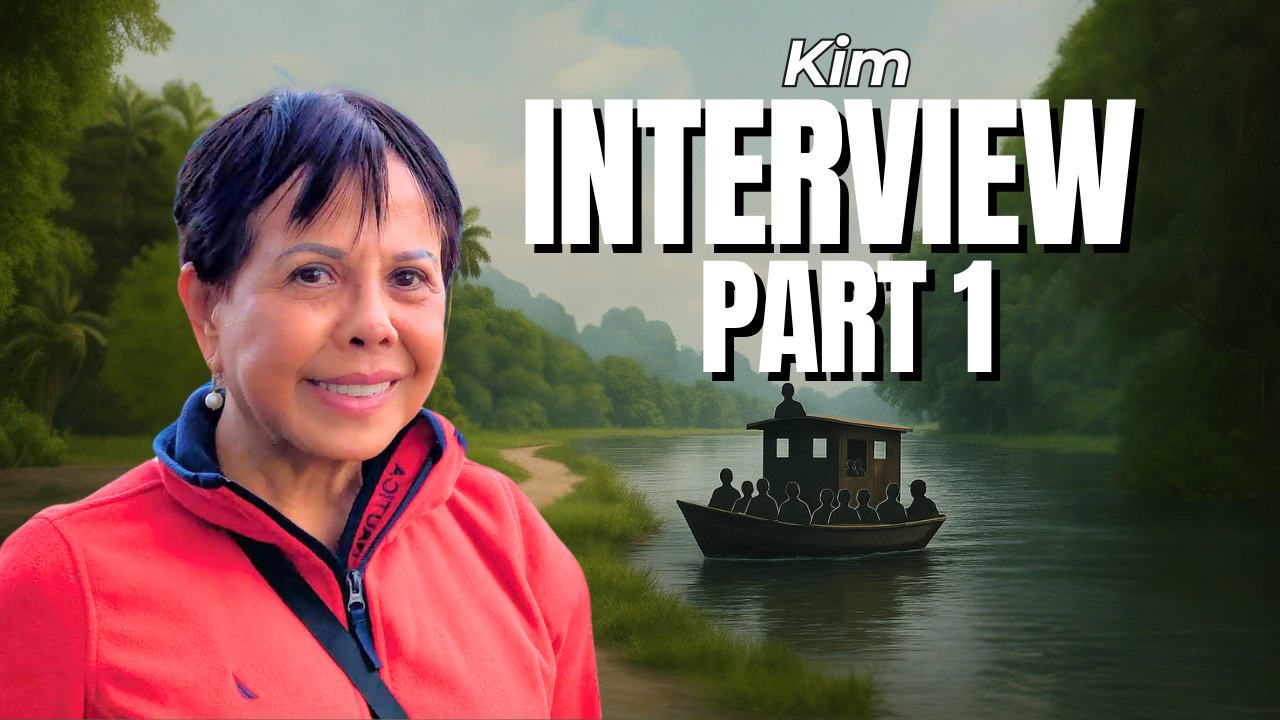 A Note to Readers:
This story is based on a personal interview and is shared with permission. Some names have been changed to protect privacy. The events described are drawn from Kim’s memory. Please be aware that this post contains references to war, violence, and survival that may be upsetting to some readers.
A Childhood Under Fire
To understand why Kim risked everything for her sister, and how education became her lifeline, you have to start with where she came from: a childhood shaped by war, poverty, and a school system that seemed stacked against her.
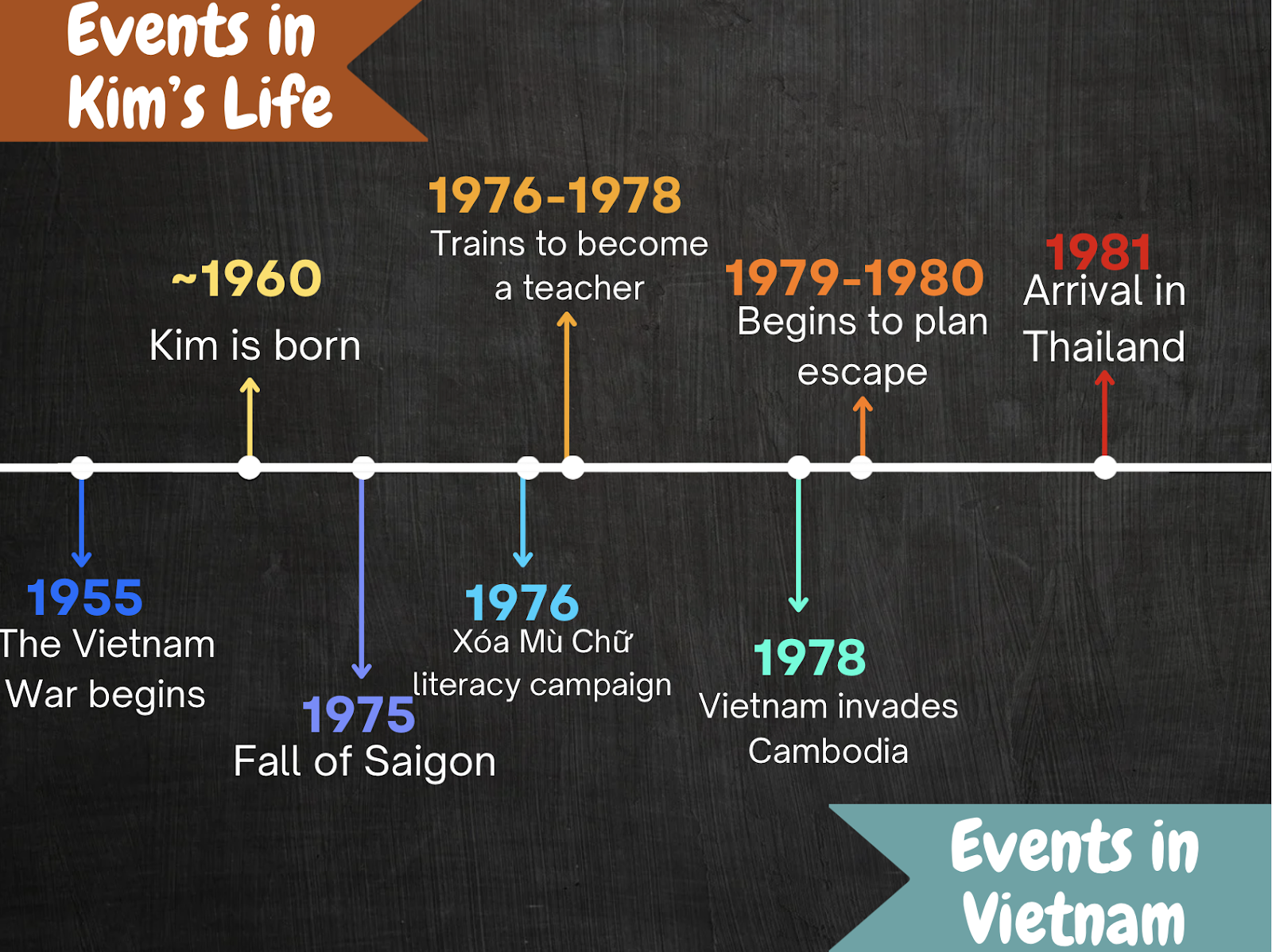
Kim was born during the Vietnam War in a small town near the border between North and South Vietnam. Her childhood was shaped by conflict. American military bases stood on either side of her town, and fighting would break out at any moment. Her parents were busy trying to support seven children in a war-torn country, so she didn’t get much attention or academic help at home.
If it wasn’t too dangerous, Kim would wake up and walk to school. Her first-grade classroom crammed around 75 kids into a single room. There were no textbooks. The teacher lectured at the front of the class, writing on a blackboard while students copied everything by hand. Even when Kim wanted to learn, it was hard to focus. Gunfire and explosions frequently cut class short, forcing everyone to run for shelter.
The teachers tended to come from larger cities with less fighting, so they would often flee and not return when faced with the proximity of war, meaning sometimes, there was no teacher.
With so many obstacles, Kim struggled to keep up. At the end of the school year, she still wasn’t able to read or write, so she had to repeat the first grade.
And yet, despite being surrounded by war and falling to the bottom of her class, she kept going.
When I asked Kim how she found hope in a situation like that, her answer surprised me:
“You live for today, not for tomorrow.”
As a kid who spends a lot of time thinking about the future (what I want to be, what I should be doing next, etc.) I’d never thought about life that way. But for Kim, the future wasn’t something she could rely on. Living for today wasn’t giving up. It was how she held on.
One of Kim’s younger siblings, Anne, was disabled from polio, leaving her unable to walk on her own. The responsibility of caring for her often fell on Kim. They shared a room, and on nights when gunshots rang out, Kim would instinctively run to the shelter, sometimes forgetting her sister.
“Older sister, please don’t forget me,” she would cry out from her bed.
Kim would then promptly turn around and come back to carry Anne.
As time passed, the war only intensified. Bombings became more frequent, and one day, Kim remembers running up a hill and watching as her home burned in the distance. Her older sister sat beside her crying, but Kim? She laughed. Not because she didn’t care, but because she saw it as a new adventure. That’s just the mindset she’d developed after years of living in chaos.
After the fire, her family had to split up. Kim was sent to live with her grandmother on a rural farm, surviving on rice, salt, and water. She considered herself lucky to have food at all.
Eventually, her father managed to reunite the family on a small house boat. There wasn’t room for everyone to stay there, but they could meet up for meals. At night they would separate to find shelter for sleeping.
Despite all of this, Kim returned to school. She was placed in the middle of third grade, even though she had never finished second. She felt hopeless, sure she’d never catch up. But her older brother saw how discouraged she was and offered to help her study.
Kim was once again at the bottom of her class. The teacher noticed and, feeling sorry for her, assigned other students to tutor her during recess (though those students weren’t thrilled about giving up their break time).
Still, Kim worked hard and scraped by, both in her schoolwork and her home life.
Then, the summer before sixth grade, something changed. Her older brother dropped out of school and handed Kim his old physics and chemistry books. She started reading them in her free time, and to her surprise, she discovered that she liked learning. This was the turning point.
By the end of sixth grade, Kim had climbed from the bottom of her class to the top three. She’d found her love for learning and with it, a sense of pride and purpose. From then on, she worked hard, not wanting to fall behind again.
Throughout Kim’s childhood, she had few dreams for the future. People around her were dying. There were no guarantees for tomorrow. So instead, she focused on the day in front of her, doing what she could with what she had.
“As long as I had food, clothes, and someone to comfort me, I was fine. If you hear the gunfire, you go in the shelter. That was it.” -Kim
I’ve spent so much time planning for my future, but Kim’s story reminded me that not everyone has that luxury. And it made me wonder: what am I missing in the present by always looking ahead?
A Life She Wasn’t Allowed to Choose
In Kim’s early childhood, survival was the main goal. Food, shelter, and safety were all that mattered. But as she got older, something began to shift. School became more than just a place to go during the day. It became one of her first real passions, something that made her think beyond the moment.
But that didn’t make life easier.
When Kim was around the age of 15 the Vietnam War ended and the communists took control. Poverty was everywhere. People stole from each other just to survive. Kim’s parents told her to quit school, stay home, cook, clean, and get married. But Kim didn’t want to raise children in the same cycle of poverty she’d grown up in.
Around that time, the government launched a campaign called Xóa Mù Chữ, which aimed to eliminate illiteracy by teaching reading, writing, and communist ideology. Kim saw an opportunity and went against her parents’ wishes. Instead of getting married, she signed up for a year of teacher training.
The program provided lunch, dinner, and a small amount of pocket money. It was just enough to scrape by. But at home, things took a darker turn. Her parents ran a small business, which the communists viewed as capitalist and unacceptable. One day, officials came and confiscated everything they owned. After that, her family was forced to split up, yet again.
Still, Kim completed her year of training. She expected to be placed as a teacher in a public elementary school, but instead was assigned another year of study to become a kindergarten teacher. Under the communist system, she didn’t get to choose. She worked for the country, not for herself.
But when she graduated, she discovered that no kindergarten classes were in place.
So she had to build a class from scratch.
Kim went door to door, asking families if they had children between the ages of three and five. Slowly, she gathered a small group. With no supplies, she filled the days with singing, dancing, and teaching the ABCs by memory before sending the kids home.
Her salary barely covered the basic needs. But she made do.
“If you have a room that you can stay in, and you have a little rice to eat, you'll be happy—because everybody [else is] even worse [off] than us, they have nothing to eat.” – Kim
She was still living in the moment, but something deeper had begun to take root. The constant control of the communists, the poverty, and the lack of choice. These things made her question what kind of life was really possible under this system. And when she saw Anne standing off to the side during recess, smiling alone as the other kids played, one question haunted her:
What kind of future could someone like her have in Vietnam?
It was the beginning of a shift. A quiet turn from surviving the day to imagining what tomorrow might look like.
Three Flips of a Coin
Throughout her life, Kim had heard whispers about people escaping Vietnam. Some made it to places with food, safety, and freedom. Most didn’t. Kim’s childhood best friend had attempted to escape with her older brother, a Catholic priest who spoke good English. Later, Kim received a letter. The girl had died at sea. The brother had buried her in a Thai refugee camp and warned others: Don’t try.
Escape came with countless risks. If the communists found out, you’d be imprisoned. If you reached the sea, pirates might attack. And if you did nothing, nothing would change.
Kim’s family owned a small radio which they used to access prohibited radio stations. If the communists discovered it, they could be arrested. But they listened anyway in secrecy. One day, while listening with her sisters, they heard the voice of a famous Vietnamese singer who’d escaped Vietnam and was now performing from another country. Her voice filled the room with something they hadn’t felt in a long time: hope.
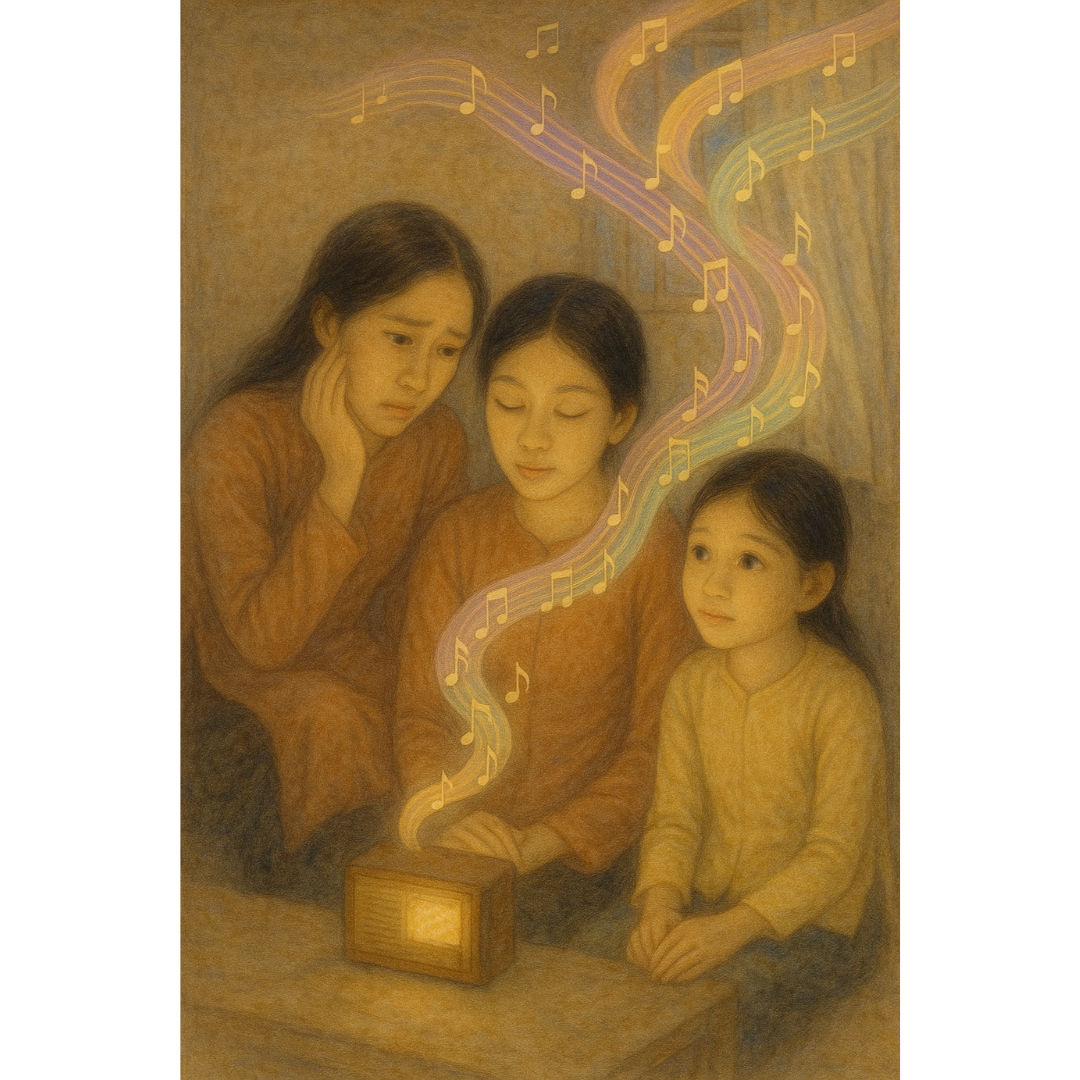
When the music stopped, Anne turned to their older sister and said, “I want to escape.”
Their older sister stared at her in disbelief. “How? You can’t even walk. How would you survive?”
Anne answered, “I’ll find a good doctor to fix my leg.”
“But how would you pay for that?”
“Just give me some gold and think of it as my funeral.”
There was a long pause as the words sank in.
Kim sat quietly. Then she spoke: “Okay. I’ll help you escape.”
From that moment, everything changed. Plans had to be whispered. Even one careless word could lead to prison. They needed to find someone trustworthy, a boat, a smuggler, other passengers.
Their neighbor’s children had already escaped, and he offered to help. He introduced Kim to a man and spent nearly a year quietly watching him, trying to decide if he was safe. In a world like this, trusting the wrong person didn’t just waste your money, you could be paying someone to kill you.
The smuggler asked for four ounces of gold, with two ounces upfront. Had it not been for Kim’s older sisters’s work as a seamstress, none of this would’ve been possible. After she gave the smuggler the required gold, Kim and Anne began to wait. When the smuggler gave the signal, Kim and Anne would need to head to the sea by bus. They received the signal several times and each time they arrived, the smuggler would glance at the sky and cancel the trip, blaming the weather. Nothing felt certain.
Kim worried constantly. Traveling between cities required permits. Staying overnight meant telling the local police where you were going, why you were there, where you'd sleep, and when you'd return. Every trip risked exposure. Kim’s teaching was often interrupted by these secret efforts.
Then one day, it all collapsed.
Their neighbor visited the smuggler’s home, asking when they would leave. In that moment, another man burst in with a knife. He tried to kill the smuggler, accusing him of taking his family to the jungle and abandoning them.
The neighbor was frightened. “I was wrong to trust him,” he told Kim. “I don’t want to be involved with you anymore. If you still want to escape… you’ll have to do it alone.”
Kim brought Anne home and told their older sister what had happened. The oldest sister sat trembling, then said, “I almost paid someone to kill you both. So what will you do?”
Kim thought for a while, then said:
“If I make it, [Anne] may have a better life. She can find a good doctor. If I don't make it, people die. So what?”
Determined, Kim went back to the neighbor. He didn’t have to be involved, but she needed a name. The next person to follow. He gave her the address of a woman.
Kim visited her. The woman’s home was nearly empty, her roof was patched with leaves. It was hard to believe she owned a boat when she didn’t even have a roof over her head. But Kim listened.
The woman told her someone would meet her in another town and take her to the boat. When Kim returned to the neighbor, he agreed to let his son go with them to help carry Anne. But only if the woman proved trustworthy.
But on the day of departure, he changed his mind. His son would not go. Kim’s heart sank. She had counted on that help and didn’t know how she’d manage to carry Anne.
Still, she moved forward. She gave the woman half of their remaining gold, knowing this was their only shot. If this failed, there wouldn’t be another chance.
They were told to wait for a bus that would take them to Cà Mau City, where the boat would be. When the bus arrived, Kim and Anne boarded. A huge man with a scarred face was there to escort them. When Kim saw the man she was terrified. She didn’t think they were in good hands, but it was too late, they were already on the bus.
He didn’t speak. His job was to ensure they stayed silent. If they were to say the wrong thing, they could be arrested and have the whole smuggling operation shut down.
As the bus moved toward the city, Kim made up her mind. She was ninety-nine percent sure she would die, but she was willing to take the risk.
After six or seven hours, they arrived. When Kim and Anne got off the bus, the man with the scars was gone.
They were alone, in a city they’d never been to, with no contacts and no instructions.
Kim looked for a place to stay. Because they looked poor, no one paid them much attention. Eventually, she found a small hotel. The woman at the front desk asked why the sisters were there and demanded legal papers. Kim lied. She said they had come to find a doctor for Anne’s polio.
They allowed her to stay for one night. After that, they’d have to leave.
That night, around 9:00 p.m., a knock came at their door. A hotel worker said someone was looking for them.
It was the man with the scars.
He explained that he’d followed them in secret to keep them safe. He would pick them up at a bus stop at 11:00 the next morning to take them to the boat.
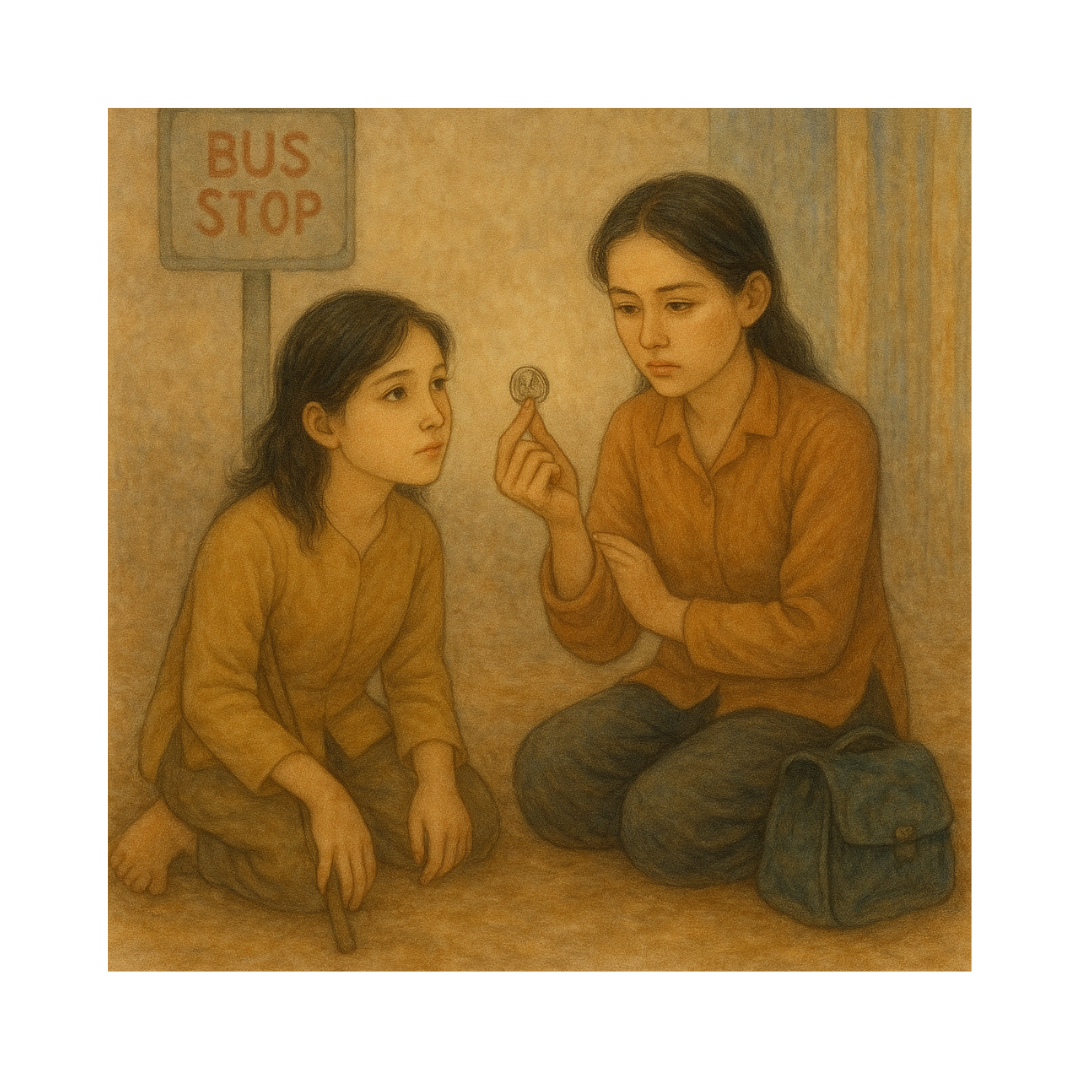
The next day, Kim and Anne checked-out and waited at the bus stop.
But no one came.
Hours passed. Then the last bus home pulled in. They could get on and return… or stay and wait for help that might never come.
Kim turned to Anne and said they’d flip a coin three times. If the majority was heads, they’d return. If tails, they’d keep waiting.
Three flips. Tails.
They stayed.
Eventually, the smuggler picked them up. They traveled from town to town, collecting more passengers.
Kim was dropped off to stay with a couple until the boat was ready and the weather was suitable. The smugglers said Anne would be staying separately, because of her disability, and that they’d reunite later.
Kim reluctantly agreed, but after two days without word, she panicked—worrying that Anne had been taken to the jungle to be killed.
She begged to find her sister, so a smuggler took her out to search, but Anne was nowhere to be found.
As it got dark out Kim was forced to return empty-handed and heart broken. She didn’t know where Anne was.
Then the next day, someone came looking for Kim with Anne. She had cried so loudly for her sister that the man in charge feared the communists would hear them. He wanted silence. Anne refused. Anne wouldn’t stop crying until she saw her sister.
Kim was overjoyed.
Now reunited, they spent the next few days following smugglers through the jungle by canoe. There was nothing around them except for water, trees, and mosquitos.
The group of refugees grew to about 50 people. Most were strangers from Hồ Chí Minh City. They had to sleep in the trees, and sometimes would fall in the water.
Eventually they made it through the jungle and reached the bigger wooden boat. However, each passenger needed a password to get past the officials. Two passwords out of all the passengers were missing—Kim’s and Anne’s. Eventually Kim had to give her necklace as a bribe for her and her sister to board the boat.
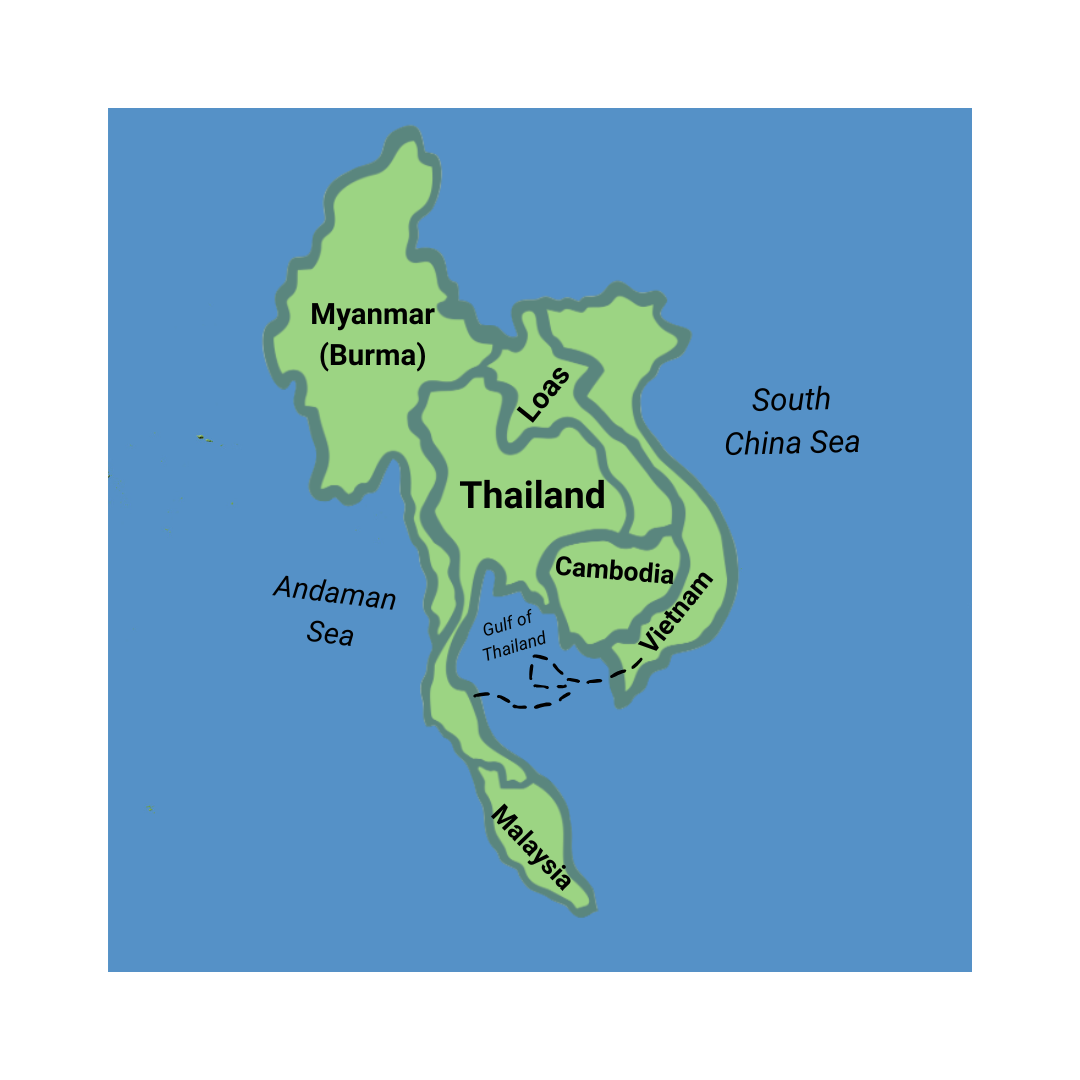
They sailed for three days and nights before reaching Thai waters. There, another boat approached. Men boarded, but instead of helping, they robbed everyone and beat the men. The women covered themselves in mud and tried to make themselves look ugly, to stay safe. The pirates took everyone’s possessions, including the boat’s motor, leaving them to drift at sea.
Days passed. The pirate boat returned. This time the pirates passed out a little bit of water for the women, but continued to beat the men.
Of the 50 passengers, most of them were men, sitting packed on deck. The women sat above, under a thin cover. There wasn’t enough room to stretch your legs and everyone was starving and exhausted. The boat itself was very old and had several holes in it. The men aboard would take turns bailing water over the side of the boat with plastic containers.
Every few days, the pirates returned. They beat the passengers, took anything they could find, and left behind a small amount of rice and water for the women and children. For fifteen days, they floated like this.
Kim remembers one family who had a jug of water, but would only share it amongst themselves.
“You know what the worst thing is? …I didn't feel hungry. I didn't eat much, but I'm very thirsty.” -Kim.
As the thirst intensified, people resorted to drinking their own urine or scooping seawater into their mouths. Kim drank seawater once out of desperation, and immediately threw up.
Then one day, Kim felt something was wrong. She couldn’t explain it, but the feeling wouldn’t go away. She felt she needed to get away from the women’s section of the boat, and tried to get two of the girls she’d befriended to come with her. But the girls wouldn’t leave. They hoped that when the pirates returned they would get some rice and water, and so far, the pirates hadn’t hurt the women.
Kim left the women’s section and sat with the men.
One man asked her why she had come. He said the men were the ones who were being beaten and receiving no food. He insisted she return to sit with the other women.
Kim looked at two young girls next to him. “If your sisters can stay here, so can I.”
She stayed hidden among the men.
That day, the pirates returned. There were no more possessions to steal, so they began dragging women off the boat. One was married. When her husband grabbed at his wife to save her, the attackers threw his wife into the sea, as if to say that if they couldn’t have her, no one could.
Anne was sitting with the women when a pirate began to drag her off the boat. Kim could hear Anne screaming for her, but she couldn’t get up. If she were to stand, she would be dragged off, too. There was nothing she could do.
The pirates almost had Anne on their ship when she pointed to her leg. Because of the polio, it was smaller than most, and when the pirate noticed her deformity, he dropped her and continued dragging the other women.
After the pirates had taken the women, they left, and the boat continued drifting with its remaining passengers.
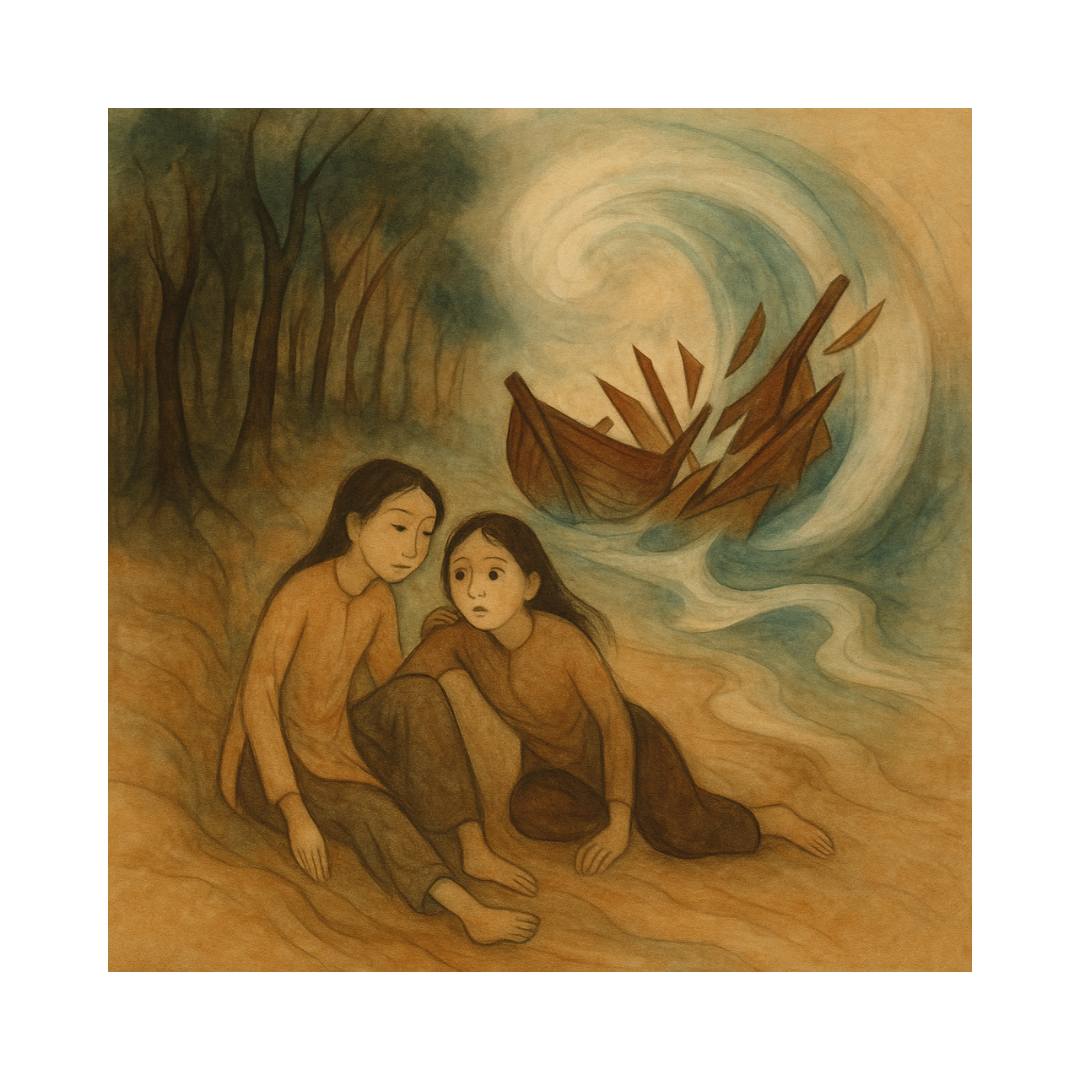
Several more days passed until the wind finally pushed the boat onto the Thai shore. Everyone jumped off and ran to the safety of dry land. That is, except for Kim and Anne, who stayed frozen. Kim was too weak to carry Anne. She sat beside her, unsure what to do.
The others had all disappeared into the trees when one man noticed Kim and Anne still on board. He came back and helped them both off the boat.
Moments later, Kim turned back to see a wave slam into the hull, splitting the boat into pieces. She and Anne had narrowly escaped death, yet again, thanks to the help of this man.
Eventually, the Thai police found them and brought them to a Buddhist temple, where they were given food and water. Then they were taken to a refugee camp.
Kim and Anne had made it out of Vietnam, but now they needed to get out of Thailand so they could settle in a country that was willing to take them in. But without any money and with Anne’s handicap, what could be done?
The Journey Isn’t Over
Talking to Kim left me stunned, not just by what she survived, but by how she thought. The way she spoke about fear, about sacrifice, about living one day at a time. It wasn’t dramatic. It was calm. Matter-of-fact. It was the only way to live when you had no other choice. I kept trying to imagine myself in her place, but I couldn’t. I’ve never had to carry a sibling through a war zone or decide whether to board a boat I might not survive. I’ve never had to trade a necklace for a seat to freedom.
What amazed me most wasn’t just her bravery. It was her mindset. Kim didn’t talk about escape as heroism. She talked about it as a responsibility. She didn’t say, “I was scared.” She said, “So what?”
Her story made me realize how different our lives are and how much I take for granted. I’ve always thought of education as a step toward the future. For Kim, education was the only thing she could hold onto when the future wasn’t guaranteed. It became her way of fighting back.
Part One of this story ends on a shoreline in Thailand, with a shattered boat and two sisters still alive. But Kim’s real journey is just beginning.
Stay tuned for Part Two and subscribe so you don’t miss it.