

A few months ago, I visited the largest nuclear power plant in the United States—Plant Vogtle. I’d expected a standard industrial tour, full of steel, concrete, and the hum of machinery. Instead, I discovered a place where cutting-edge technology and vibrant wildlife coexist in unexpected ways across thousands of acres of carefully managed land.
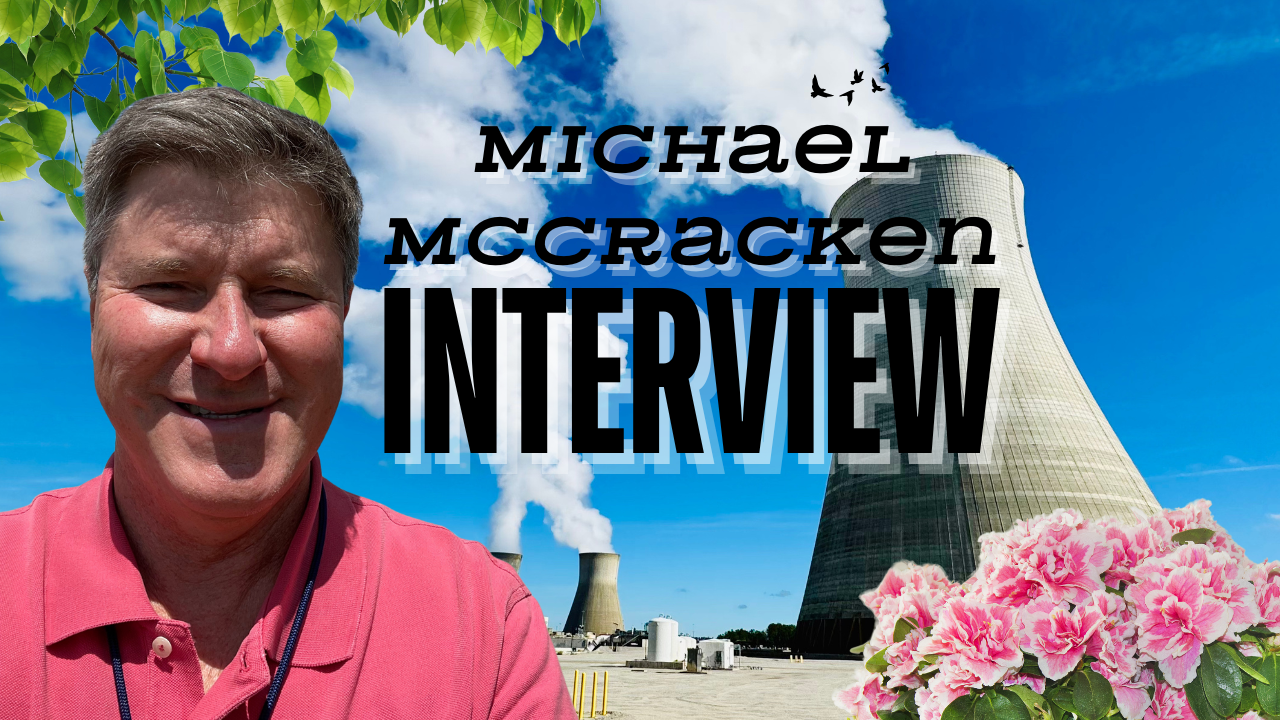
My guide was Michael McCracken, a communications professional with Southern Nuclear Company, whose dynamic storytelling transformed a subject I once found intimidating into something truly fascinating. His talent for breaking down complex ideas made the tour—and our later interview—an eye-opening experience. We explored everything from the clear advantages of nuclear energy and the ecological surprises on the plant’s grounds to historical events like 9/11 that forever reshaped nuclear security protocols.
While I focus here on the innovative and harmonious intersections of nature, technology, and human endeavor, I acknowledge that nuclear energy comes with its own set of challenges, including debates around safety, waste management, and costs. My aim is to share a personal journey of discovery—one that reveals a side of nuclear power not often seen in the headlines.
In this post, I’m excited to share what I learned about nuclear power, the unforgettable experience of visiting Plant Vogtle, and some behind-the-scenes stories Michael shared that have completely reshaped my perspective on both technology and nature. If a nuclear power plant can spark wonder in a young naturalist like me, I promise you’re in for a captivating read.
Discoveries About Nuclear Energy
During my conversation with Michael, I uncovered some surprising insights that reshaped my understanding of nuclear energy. Here are a few of the highlights:
1. Hydrogen: A Hidden Gem in Clean Energy’s Future
I never really thought of hydrogen as an energy source until my tour at Plant Vogtle. Michael explained that while hydrogen can be produced through electrolysis—splitting water into hydrogen and oxygen using electricity—most of the hydrogen we use today is still made from fossil fuels, which generate carbon emissions. In contrast, nuclear power plants of the future might use a dedicated process to generate large amounts of hydrogen by supplying the necessary heat and electricity, making it a useful side product in addition to “just” generating electricity. Michael mentioned that hydrogen has already powered vehicles, like research trucks at the Savannah River Site (just across the river from Plant Vogtle), though scaling up for widespread use is still on the horizon. And yes, I wouldn’t mind zipping around in a hydrogen-powered hovercraft someday!
2. Embracing a Balanced Energy Mix
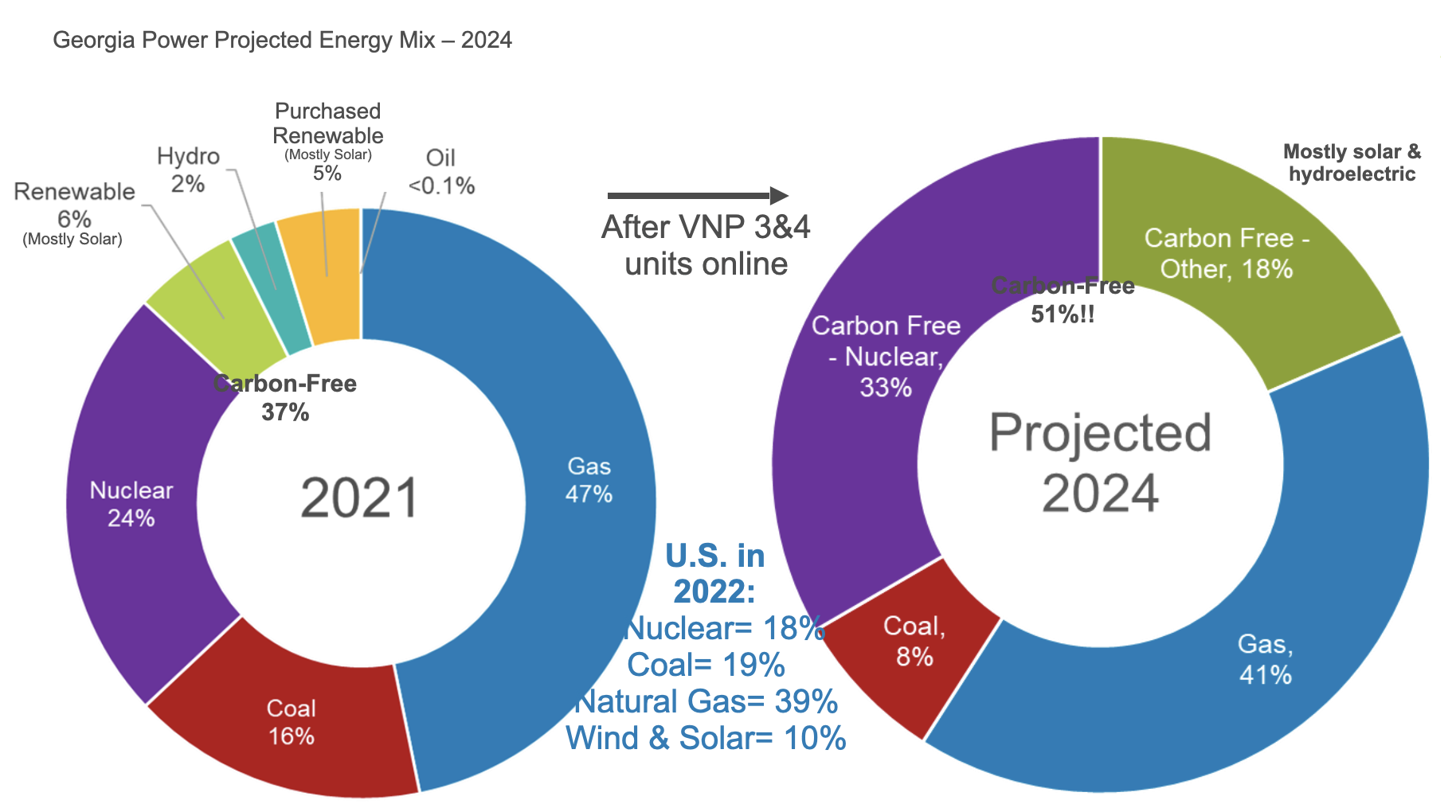
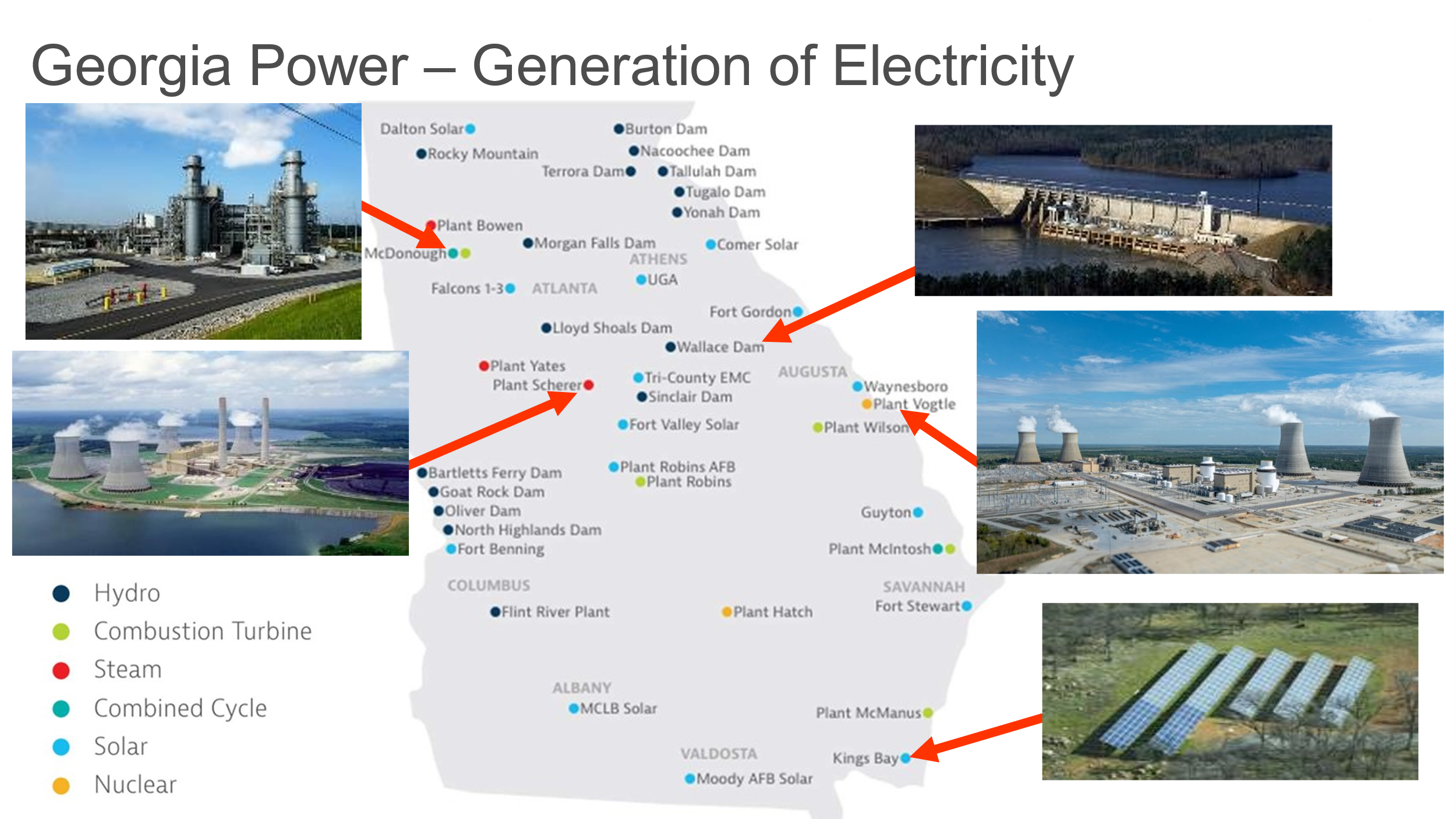
Another revelation was that Michael isn’t out here solely cheering for nuclear energy. He stressed the importance of a balanced mix of energy sources—much like diversifying a stock portfolio—to help us navigate economic fluctuations and adapt to future challenges. This diversity not only safeguards against unforeseen setbacks but also fosters innovation across all sectors of energy production. Below are some graphics Michael provided, illustrating Georgia’s diverse power generation landscape and the projected growth of nuclear energy for 2024.
3. The Unmatched Reliability of Nuclear Energy
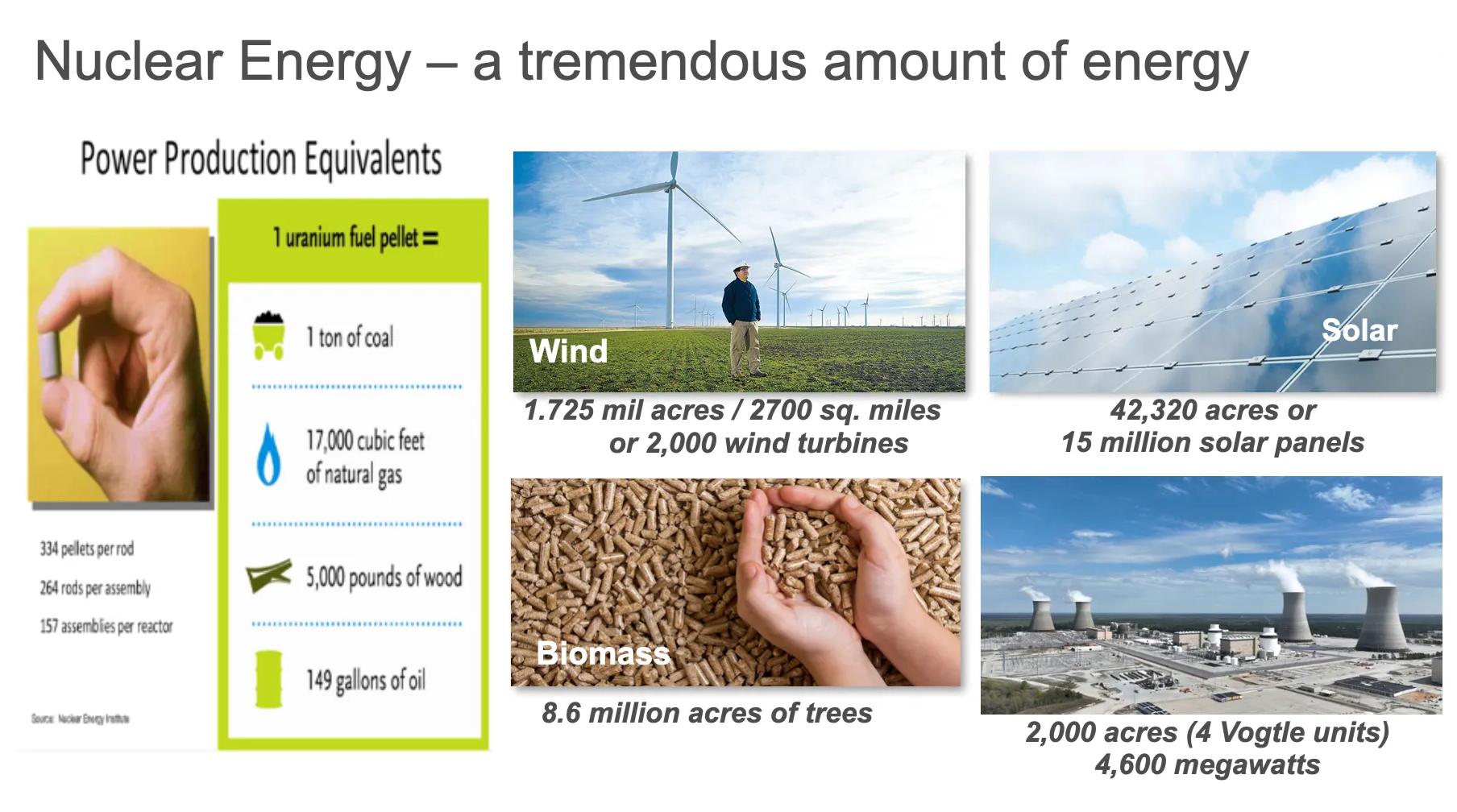
I always knew that nuclear energy was more dependable than sources like solar and wind, which depend heavily on daylight and weather. However, I was surprised to learn that nuclear power is even more reliable than fuels such as coal and natural gas—whose supply chains can be disrupted by derailments, hurricanes, and other unpredictable events. Michael explained that nuclear reactors typically secure their fuel months in advance, ensuring a steady operation. This reliability isn’t a boast about nuclear being the ultimate energy champion; it’s simply a testament to its consistent, dependable nature. Moreover, nuclear energy tends to have a smaller environmental footprint when compared to other fuels. Here’s a graphic Michael provided that compares various energy sources based on the energy they produce versus the land area they require:
While most other energy sources are heavily impacted by nature and weather conditions, nuclear energy can be very reliable. However, that’s not to say it doesn’t interact with local ecosystems in peculiar ways.
Nature and Nuclear: It’s All Steam, Not Smoke
Before my visit, I pictured a nuclear power plant as an extremely industrial, man-made environment. However, stepping outside at Plant Vogtle completely upended that impression. Beneath the cooling towers, the fine mist tickled my face, and the roaring sound of rushing water felt like standing under a waterfall.
As I soaked in the experience, I couldn’t help but notice birds circling overhead. Naturally, I turned to Michael with my curiosity. He explained that the “puffs” rising from the cooling towers aren’t smoke or pollution at all—they’re simply steam. These steam clouds eventually condense into harmless rain. Now, whenever I gaze at the sky, I can’t help but wonder, “Could that cloud be from a cooling tower?” (Spoiler alert: it’s usually not, unless you’re unusually close to the plant!)
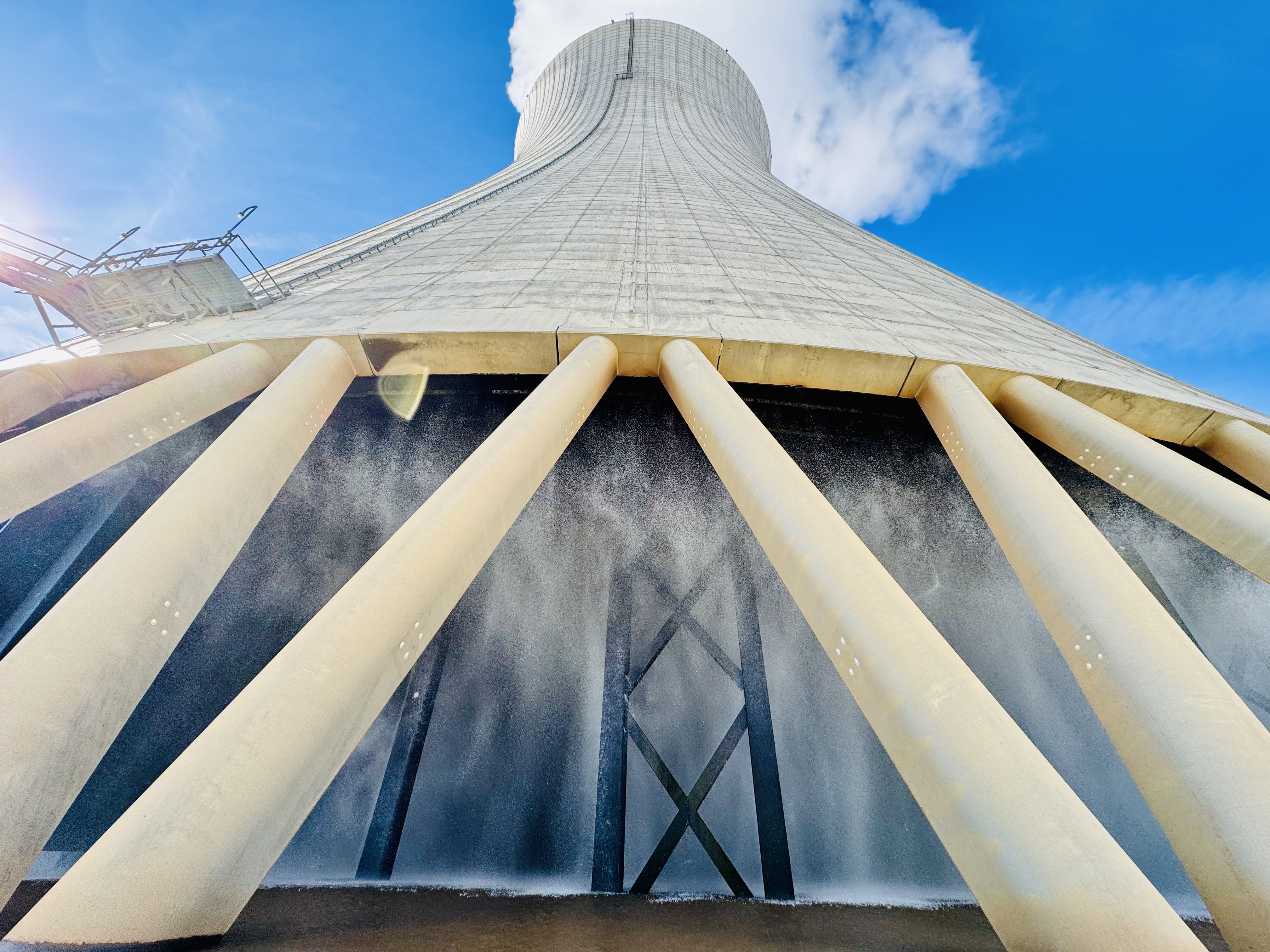
View from standing under the cooling tower
Michael then shared that the warm air currents at the top of the towers attract birds, lifting them gracefully into the sky—a small yet fascinating example of nature interacting with technology.
Our tour even led us to the Savannah River, where water is pumped into the plant and later released as steam. Although this process has minimal impact on the surrounding ecosystem, it sometimes results in small fish or algae being drawn into the cooling towers. Remarkably, some species actually thrive in this environment, enjoying the warmth and relative safety from predators. It made me wonder: could mini-ecosystems be forming within the towers, distinct from those outside?
Another memorable story came when Michael recounted a call from a botanical garden. They had spotted a rare species of azalea—the Oconee azalea—thriving on the Vogtle property. Eager to study and protect this unique find, the garden arranged a visit to the power plant to verify the discovery and collect seeds. Thanks to Plant Vogtle’s cooperation, measures were put in place to safeguard this rare species.
I had never expected to learn that a rare plant could flourish near a nuclear power plant. This discovery deepened my appreciation for the unexpected connections between technology and the natural world.
These stories taught me about the unique ways in which the surrounding ecosystem interacts with the power plant, but the species that is most impacted by nuclear power plants are (of course) humans. For example, power plants are able to generate safe and reliable electricity 24/7, as well as provide countless jobs, opportunities for community support and involvement. More on this in the next section.
Human Touch: How Global Events Shape a Nuclear Power Plant
Michael shared a couple of unforgettable experiences from his time working at nuclear plants—stories that vividly illustrate how worldwide events can ripple into the day-to-day realities of these facilities.
The Impact of 9/11
Michael recalled the day of the September 11 attacks while he was stationed at a plant in eastern North Carolina:
“I was at a nuclear plant, and we started hearing rumors about an airplane flying into one of the World Trade Centers. It wasn’t the first time an aircraft had flown into one, [so I wasn’t too concerned]. Then the second one hit. By that time, I had a TV in my office keeping up with the news, and everyone gathered around it. Our Vice President ordered us to shut the gates immediately, and we went into a hard shutdown at the plant.”
In the aftermath of that tragedy, security measures were dramatically ramped up, and for a time, visitors were no longer allowed. This story was a powerful reminder of how even distant global events can have an immediate and profound impact on local operations—even at a nuclear power plant, which might otherwise seem isolated from the world’s turmoil. Hearing Michael’s account made me realize just how interconnected our modern infrastructure really is.
The Y2K Scare
Michael also recounted another memorable moment from his career: the Y2K scare.
“Between 1999 and the year 2000 there's all this fear about computers just kind of going haywire. So I spent New Year's Eve 1999 at work, in case something happened... And of course, at 12:05 I got my car, drove home, and celebrated the new year. So it was nothing.” – Michael
At the time of our interview, I had no clue what Y2K was. Intrigued, I dove into research—watching YouTube videos and chatting with my dad—to understand the magnitude of the fear. It seemed almost surreal that people once built bunkers and prepared for an apocalyptic computer meltdown just because the calendar flipped to a new millennium. In many ways, it echoes today’s concerns about AI taking over the world—both rooted in our uncertainty about the future. While those fears might have seemed overblown in hindsight, they underscore how deeply human anxieties can shape even the most advanced technological operations. And on a lighter note, if I ever find myself bunker-bound, I just hope I can bring my bearded dragon along for the ride.
These stories illustrate that while nature and technology intertwine in fascinating ways at Plant Vogtle, it’s ultimately human events and decisions that leave the most lasting marks on its operations.
Closing Thoughts
My visit to Plant Vogtle transformed nuclear energy from a distant, abstract concept into a dynamic, multifaceted phenomenon. I discovered that nuclear power is not only remarkably reliable but also brimming with innovative potential—from harnessing hydrogen in a closed-loop system to the surprising ways nature and technology can adapt to each other. Whether it’s the steam rising from cooling towers, birds riding warm air currents, or rare plant species thriving in unexpected spots, each element has its own story to tell.
Equally inspiring was learning about the diverse career opportunities at nuclear facilities. Engineers design and build the plant, environmentalists work to safeguard local ecosystems, managers ensure smooth operations, communicators share vital information with the public, and healthcare professionals keep everyone safe. This broad spectrum of roles reveals that nuclear power is a collaborative endeavor, drawing on expertise from many fields to support a vital part of modern civilization: energy production.
I’ve always been fascinated by biology, so I never considered a career at a nuclear power plant. Yet this interview not only ignited my curiosity about the organisms thriving in the cooling towers and their unique ecosystems but also opened my eyes to the incredible diversity of careers in this field. The thought of working at a place like Vogtle is nothing short of cool—and who knows? It might just be a future path worth exploring.